
Gastropod Fossils for Sale (prehistoricfossils.com)
Gastropod Fossils for Sale
Genuine Fossil Gastropods for Sale. The first gastropods evolved from an unknown bilaterally symmetrical mollusc ancestor in the early Cambrian, but they became common during Paleozoic times.
Between the Cambrian and Devonian, gastropods were entirely marine, but by the Carboniferous some had entered non-marine waters and land snails may have evolved by the late Carboniferous.
We have a large selection of fossil gastropods for sale from Austria, France, Germany, Spain and the United States to name a few countries where our fossil gastropods are from. Buy Fossils from Prehistoric Fossils with Confidence. Authenticity Guaranteed
Showing 1–60 of 170 resultsSorted by price: high to low
-
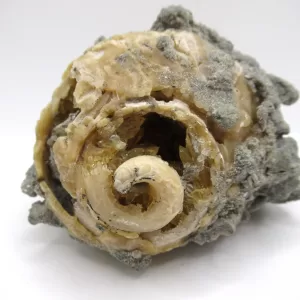
Busycon Fossil Whelk Rucks Pit, FL #5
$150.00 -
Sold out!

Italian Aporrhais Gastropod 2
$125.00 -
Sold out!
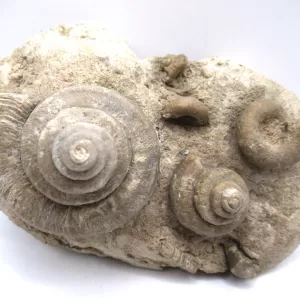
Euomphalus latus Gastropod (Iowa) #5
$115.00 -

Gastropod and Bivalve Plate 6 – France
$85.00 -

Gastropod and Bivalve Plate 5 – France
$85.00 -

Gastropod and Bivalve Plate 4 – France
$85.00 -
Sold out!

Gastropod and Bivalve Plate 2 – France
$85.00 -

Gastropod and Bivalve Plate 3 – France
$85.00 -

Italian Eocene Strombus #13
$85.00 -

Gastropod and Bivalve Plate 1 – France
$75.00 -
Sold out!
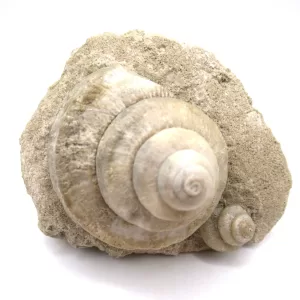
Euomphalus latus Gastropod (Iowa) #4
$75.00 -
Sold out!

Italian Eocene Strombus #12
$75.00 -
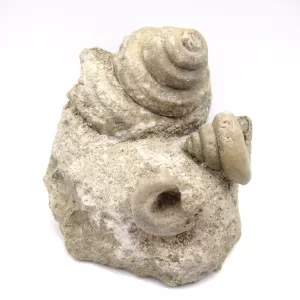
Euomphalus latus Gastropod (Iowa) #3
$65.00 -
Sold out!
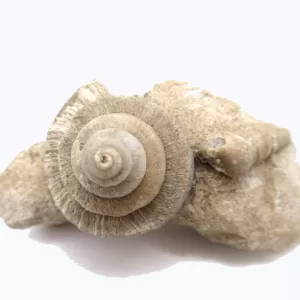
Euomphalus latus Gastropod (Iowa) #2
$65.00 -
Sold out!
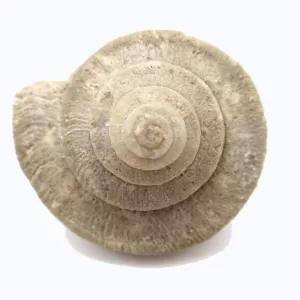
Euomphalus latus Gastropod (Iowa) #1
$50.00 -

Italian Eocene Strombus #19
$50.00 -

Italian Eocene Strombus #16
$50.00 -

Italian Eocene Strombus #9
$50.00 -

Italian Eocene Strombus #7
$50.00 -

Italian Eocene Strombus #14
$45.00 -

Italian Eocene Strombus #11
$45.00 -

Italian Eocene Strombus #6
$45.00 -

Italian Eocene Strombus #4
$45.00 -

Italian Eocene Strombus #18
$40.00 -

Italian Eocene Strombus #15
$40.00 -

Italian Eocene Strombus #10
$40.00 -

Italian Eocene Strombus #8
$40.00 -

Austria Actonella Gastropod #8
$40.00 -

Austria Actonella Gastropod #7
$40.00 -

Austria Actonella Gastropod #6
$40.00 -

Indiana Platyostoma Gastropod #9
$40.00 -

Indiana Platyostoma Gastropod #7
$40.00 -
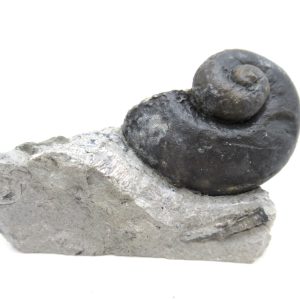
Platyostoma Niagarensis Indiana Gastropod #44
$35.00 -
Sold out!

Italian Eocene Strombus #17
$35.00 -

Italian Eocene Strombus #5
$35.00 -
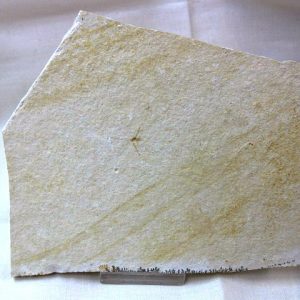
Genuine Jurassic Solnhofen Gastropod #1
$35.00 -

Austria Actonella Gastropod #5
$35.00 -

Austria Actonella Gastropod #4
$35.00 -

Austria Actonella Gastropod #3
$35.00 -

Austria Actonella Gastropod #2
$35.00 -

Austria Actonella Gastropod #1
$35.00 -

Indiana Platyostoma Gastropod #5
$35.00 -

Indiana Platyostoma Gastropod #4
$35.00 -
Sold out!

Indiana Platyostoma Gastropod #3
$35.00 -
Sold out!

Indiana Platyostoma Gastropod #2
$35.00 -

Indiana Platyostoma Gastropod #1
$35.00 -
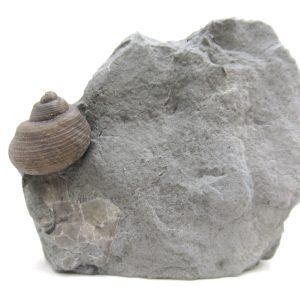
Cyclonemia bilix Ordovician Gastropod for Sale from Ohio #15
$30.00 -
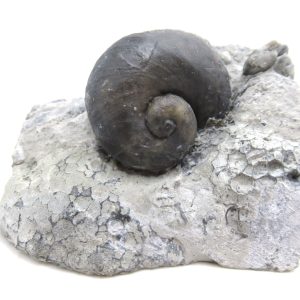
Platyostoma Niagarensis Indiana Gastropod #45
$30.00 -

Italian Eocene Strombus #3
$30.00 -

Elimia tenera Turitella (Gastropods) #10
$30.00 -

Elimia tenera Turitella (Gastropods) #8
$30.00 -

Elimia tenera Turitella (Gastropods) #2
$30.00 -
Sold out!

Elimia tenera Turitella (Gastropods) #1
$30.00 -

Spanish Gymnentone Gastropod 11
$27.00 -
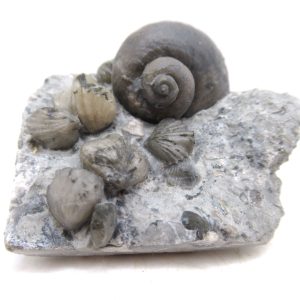
Platyostoma Niagarensis Indiana Gastropod #41
$25.00 -
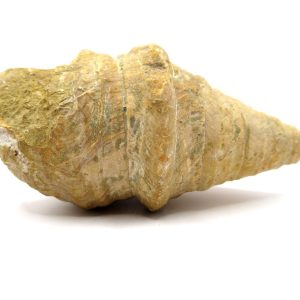
Gymnentone Gastropod – Spain #25
$25.00 -
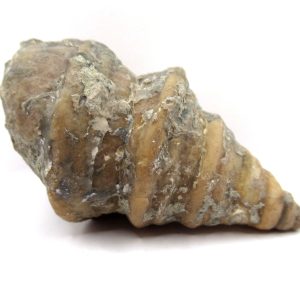
Gymnentone Gastropod – Spain #23
$25.00 -

Gymnentone Gastropod – Spain #24
$25.00 -
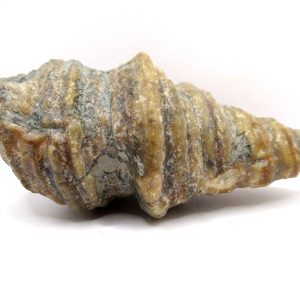
Gymnentone Gastropod – Spain #22
$25.00 -
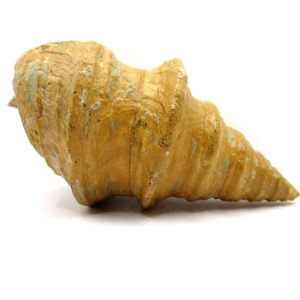
Gymnentone Gastropod – Spain #21
$25.00
- Buy Fossils
- Fossils for Sale
- Large Selection
- Great Prices and Great Selection
- Authenticity Guaranteed
- Satisfaction Guaranteed
- Your TRUSTED SOURCE for over 25 years!
- Many more videos are available on our YouTube Channel.
Fossil Gastropods: Evolution, Morphology & Paleoenvironmental Insights

- Introduction
Gastropods—one of the most diverse classes within the phylum Mollusca—have an extraordinary fossil record that spans over 500 million years. Their durable, mineralized shells make them among the most frequently preserved invertebrate fossils, providing vital insights into ancient marine, freshwater, and terrestrial environments.
- Evolutionary History of Gastropods
Early Paleozoic Origins (Cambrian–Ordovician)
The earliest confirmed gastropods appear in the Late Cambrian, represented by small, cap-like shells. By the Ordovician, the group diversified into multiple lineages exhibiting true coiling.
Mesozoic Radiation
The Mesozoic Marine Revolution triggered major evolutionary innovations:
- Thicker shells
- Ornamented spines and ribs
- Advanced burrowing and predatory behaviors
During the Jurassic and Cretaceous, major groups like Neogastropoda emerged, many still dominant in today’s oceans.
Cenozoic Dominance
Following the K–Pg extinction, gastropods rebounded rapidly, becoming major components of Cenozoic reefs, beaches, and continental shelves. Modern genera such as Conus, Turritella, and Nassarius appear abundantly in Miocene and Pliocene deposits.

- Shell Morphology & Diagnostic Features
Accurate identification of fossil gastropods depends on recognizable shell characteristics:
Key Morphological Structures
- Apex – the earliest whorls at the top of the shell
- Whorls – spiraled shell turns; number and shape aid classification
- Suture – junction between whorls
- Aperture – shell opening, highly variable across lineages
- Columella – central axis of coiling
- Sculpture – ribs, spiral lines, nodes, spines
Common Morphotypes
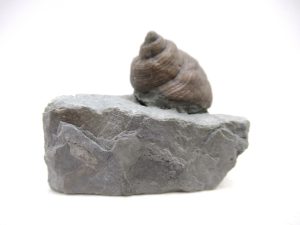
- High-spired shells (e.g., Turritella) – marine, often sandy substrates
- Low-spired to planispiral shells – adapted to high-energy or shallow habitats
- Thick-walled shells – defensive forms against predators
- Major Fossil Gastropod Groups
- Prosobranchs
The largest and most diverse fossil group, including:
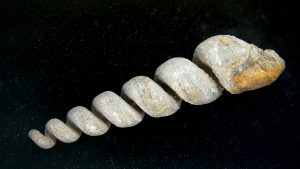
- Turritellidae
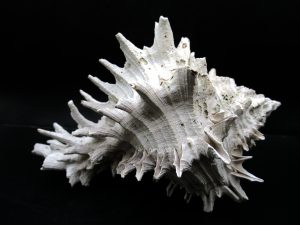
- Muricidae
- Neritidae
These range from filter feeders to carnivorous drillers.
- Opisthobranchs
Soft-bodied forms with sparse fossil preservation. Fossils include internal shells and chemical traces.
- Pulmonates
Air-breathing gastropods commonly found in:
- Pleistocene lake deposits
- Fluvial terraces
- Cave sediments
Their shells are essential for reconstructing Quaternary climates.
- Paleoecological & Geological Significance
Environmental Indicators
Gastropod assemblages reveal:
- Water salinity (freshwater vs. marine genera)
- Temperature gradients
- Hydrodynamic energy
- Substrate type (mud, sand, reef)
Biostratigraphy
Certain taxa serve as index fossils in:
- Eocene coastal sequences
- Miocene shallow marine basins
- Cretaceous carbonate platforms
Trophic Interactions
Predatory drill holes made by neogastropods (e.g., naticids) provide direct evidence of:
- Predator–prey evolution
- Escalation events in the Mesozoic
- Ecological turnover after mass extinctions
- Notable Fossil Gastropod Sites Worldwide
- Green River Formation (USA, Eocene) – lacustrine pulmonates and prosobranchs
- Chesapeake Group (USA, Miocene) – diverse shallow-marine assemblages
- Neogene Mediterranean Basins – reef-associated muricids and cone snails
- Paris Basin (France, Paleogene) – classic European gastropod faunas
- Conclusion
Fossil gastropods are a cornerstone of paleontological research due to their exceptional preservation, vast diversity, and ecological relevance. Their shells function as natural archives of environmental change, making them indispensable for reconstructing Earth’s geological past.
Buy Fossils at Prehistoric Fossils with Confidence. Authenticity Guaranteed