
Polished Mineral Spheres For Sale | Crystal & Gemstone Spheres
Polished Spheres For Sale
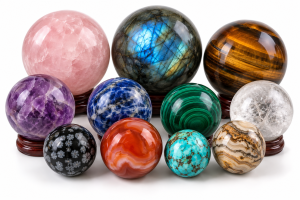
Polished Spheres For Sale offer collectors a beautiful way to enjoy natural minerals, gemstones, and decorative stone specimens. These spheres may be made from quartz, jasper, agate, calcite, fluorite, obsidian, and many other natural materials. Because each stone forms through different geological processes, every sphere can show unique colors, patterns, inclusions, and crystal structures.
At Prehistoric Fossils, we focus on genuine natural-history specimens and clearly identified materials. Since 1997, we have helped collectors, educators, families, and gift buyers find authentic fossils, minerals, crystals, and related items.
How Polished Spheres Are Made
First, a suitable piece of natural stone is selected. Next, cutting equipment removes excess material and creates a rough rounded shape. Then, progressively finer abrasives smooth the surface. Finally, polishing brings out the stone’s natural color, pattern, and luster.
However, polishing does not change the basic mineral composition of the specimen. Instead, it creates a smooth surface that often makes internal patterns, veins, bands, and mineral features easier to see.
Natural Colors and Geological Patterns
Our Polished Spheres For Sale may display a wide range of natural colors and textures. Mineral color can result from chemical composition, crystal structure, trace elements, and geological conditions.
For example, agate often shows attractive bands that formed as silica-rich material filled cavities over time. Likewise, jasper may contain dramatic patterns caused by mineral impurities and changing geological conditions. Some polished spheres also contain crystal pockets, veins, natural fractures, or other features that make each specimen unique.
Why Collect Polished Spheres For Sale?
Collectors often choose polished spheres based on mineral type, color, pattern, size, rarity, or geological interest. In addition, the round shape allows light to interact with the polished surface from many directions, which can highlight details that may be harder to see on an unpolished specimen.
Natural Mineral Spheres for Display and Education
Although shaping changes the original form of the stone, the material still records part of Earth’s geological history. Therefore, polished mineral spheres can serve as both attractive display pieces and educational specimens.
When shopping for Polished Spheres For Sale, look for clear identification, accurate descriptions, and natural materials from a trusted seller. Each genuine mineral sphere offers its own combination of geology, craftsmanship, and natural beauty.
Showing all 26 results
-
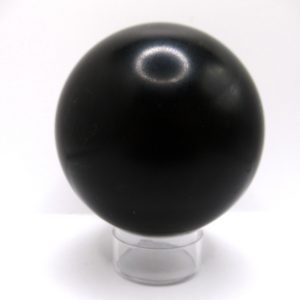
Polished Basalt Mineral Sphere #1
$25.00 -

Polished Basalt Mineral Sphere #2
$25.00 -

Polished Basalt Mineral Sphere #3
$25.00 -

Polished Basalt Mineral Sphere #4
$25.00 -
Sold out!

Polished Basalt Mineral Sphere #5
$25.00 -

Polished Blue Calcite Mineral Sphere #1
$25.00 -
Sold out!
Polished Blue Calcite Mineral Sphere #2
$25.00 -

Polished Carnelian Mineral Sphere #1
$20.00 -
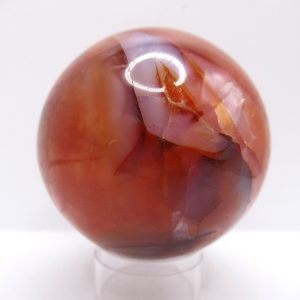
Polished Carnelian Mineral Sphere #3
$25.00 -

Polished Carnelian Mineral Sphere #5
$18.00 -
Sold out!

Polished Carnelian Mineral Sphere #6
$25.00 -

Polished Ocean Jasper Mineral Sphere #1
$35.00 -
Sold out!

Polished Ocean Jasper Mineral Sphere #3
$35.00 -

Polished Ocean Jasper Mineral Sphere #4
$35.00 -
Sold out!

Polished Raindrop Azurite Mineral Sphere #1
$25.00 -
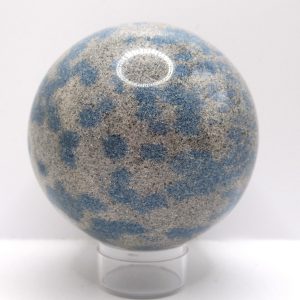
Polished Raindrop Azurite Mineral Sphere #2
$30.00 -
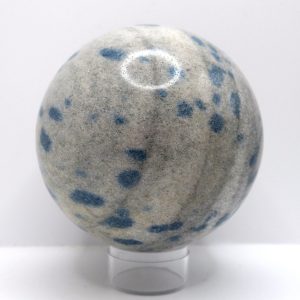
Polished Raindrop Azurite Mineral Sphere #3
$45.00 -

Polished Raindrop Azurite Mineral Sphere #4
$45.00 -

Polished Red Garnet Mineral Sphere #1
$35.00 -

Polished Red Garnet Mineral Sphere #2
$35.00 -
Sold out!

Polished Rhodonite Mineral Sphere #1
$25.00 -

Polished Rhodonite Mineral Sphere #2
$20.00 -

Polished Rhodonite Mineral Sphere #3
$22.00 -

Polished Rhodonite Mineral Sphere #4
$25.00 -

Polished Rose Quartz Mineral Sphere #1
$40.00 -

Polished Rose Quartz Mineral Sphere #2
$45.00
WHY SHOP WITH PREHISTORIC FOSSILS?
- Large Selection
- Great Prices and Great Selection
- Authenticity Guaranteed
- Satisfaction Guaranteed
- Your TRUSTED SOURCE for 25 years!
- Many more videos are available on our YouTube Channel
Polished Spheres For Sale
Polished Spheres For Sale offer collectors a beautiful way to enjoy natural minerals, rocks, crystals, and fossil materials. Skilled lapidary workers shape each sphere to reveal its natural colors, patterns, crystal structures, and internal features. Because every stone formed through natural geological processes, each finished sphere can display a unique appearance.
In addition, the rounded shape lets collectors examine a specimen from every direction. As a result, polished spheres combine geology, craftsmanship, and decorative appeal in one display piece.
How Polished Spheres Are Made
Creating polished spheres requires several careful steps. First, a lapidary artist selects a suitable piece of mineral or rock. The material must be large enough to shape while also having enough strength to withstand cutting and grinding.
Next, the artist removes excess material and creates a rough rounded blank. Specialized grinding equipment then slowly shapes the specimen. During this process, progressively finer abrasives remove scratches and uneven areas.
Finally, the sphere receives a fine polish. Depending on the mineral, lapidary workers may use cerium oxide, aluminum oxide, or diamond abrasives. Therefore, the finished surface can become smooth, bright, and highly reflective.
Natural Patterns Found in Polished Spheres
One reason collectors search for Polished Spheres For Sale is the wide range of natural patterns they can display. For example, agate spheres often show colorful bands created when silica-rich fluids deposited layers inside cavities in volcanic rock.
Similarly, jasper spheres may contain swirling colors, veins, and contrasting mineral patterns. Quartz spheres can reveal internal fractures, inclusions, or zones of crystal growth. Meanwhile, fluorite may show purple, green, blue, yellow, or clear banding.
Therefore, polishing does more than create a glossy surface. It can reveal geological details that may remain hidden on rough stone.
The Science Behind Mineral Colors
Minerals develop color in several ways. Some colors come from elements that form part of the mineral’s chemical structure. Others result from trace elements, crystal defects, microscopic inclusions, or interactions with light.
For instance, pure quartz is usually colorless. However, trace elements and natural irradiation can contribute to colors found in amethyst and smoky quartz. Likewise, different impurities can create the many colors seen in calcite, fluorite, agate, and other popular sphere materials.
Because natural materials vary, two polished spheres made from the same type of mineral may look completely different.
Why Collect Polished Mineral Spheres?
Polished mineral spheres provide an interesting way to study geology and mineralogy. Unlike a flat slab, a sphere offers a continuous surface. Therefore, collectors can rotate it to examine banding, crystal structures, inclusions, veins, and other features from many angles.
In addition, polished spheres make attractive display specimens for homes, offices, classrooms, and mineral collections. Their smooth surfaces highlight natural patterns while preserving the mineral or rock material inside.
However, polishing changes the original natural surface. For this reason, many collectors enjoy owning both rough specimens and polished examples.
Popular Materials Used for Polished Spheres
Collectors can find Polished Spheres For Sale made from many natural materials. Popular choices include agate, jasper, quartz, calcite, fluorite, obsidian, petrified wood, and other decorative stones.
Each material has different properties. Quartz, for example, is relatively hard and durable. In contrast, calcite and fluorite are softer and require more careful handling. Therefore, understanding the mineral helps collectors protect their specimens.
Caring for Polished Spheres
Proper care helps polished spheres maintain their appearance. First, keep them away from abrasive surfaces that could create scratches. Also, avoid harsh household chemicals because some minerals can react with acids or cleaners.
A soft cloth and gentle dusting work well for many specimens. In addition, sphere stands can help prevent rolling and reduce the risk of accidental damage.
Polished Spheres for Collectors and Displays
When choosing Polished Spheres For Sale, look closely at color, pattern, mineral type, polish quality, and natural features. Inclusions, crystal pockets, fractures, and unusual banding can make individual specimens especially interesting.
Ultimately, polished spheres create a strong connection between natural geology and skilled craftsmanship. Each sphere begins as material formed by geological processes over long periods of time. Through careful cutting, grinding, and polishing, its hidden patterns and colors become easier to see and appreciate.