
Polished Mineral Specimens For Sale | Genuine Minerals & Crystals
Polished Mineral Specimens For Sale
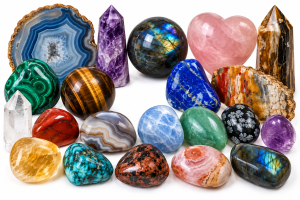
Polished Mineral Specimens For Sale offer collectors a beautiful way to study natural colors, patterns, textures, and mineral structures. Skilled lapidary workers smooth and polish each specimen with progressively finer abrasives. As a result, the finished surface often reveals details that may appear dull or hidden on an unpolished stone. However, polishing does not change the basic mineral composition of the material.
Popular Minerals for Polishing
Many minerals and rocks respond well to polishing. For example, quartz, agate, jasper, calcite, fluorite, and several forms of chalcedony can produce attractive polished surfaces. In addition, petrified wood often accepts a high polish because silica replaced or filled much of the original plant tissue during fossilization.
What Creates Mineral Colors and Patterns?
Minerals receive their colors from several sources. Some contain chemical elements that create characteristic colors. Meanwhile, trace elements can produce different shades within the same mineral species. Crystal structure, microscopic inclusions, and the way light interacts with the surface can also affect appearance. Therefore, each polished specimen may show a distinctive combination of color, pattern, and texture.
How Polished Mineral Specimens Are Made
Before polishing, a lapidary worker may cut or shape the material. Next, coarse abrasives remove scratches and uneven areas. Finer abrasives then create an increasingly smooth surface. Finally, polishing compounds produce a glossy finish. Because minerals vary in hardness, workers must choose suitable tools and techniques for each material.
Collecting Genuine Polished Minerals
Collectors value Polished Mineral Specimens For Sale because they combine natural geology with skilled lapidary work. Moreover, polished surfaces make it easier to study banding, inclusions, crystal patterns, and mineral textures. Whether displayed individually or added to a larger collection, genuine polished mineral specimens provide an attractive look at Earth’s geological diversity.
Experience and Authenticity Matter
When choosing polished minerals, accurate identification and dependable sourcing are important. At Prehistoric Fossils, we have supplied genuine natural history specimens since 1997. Our experience with minerals, fossils, crystals, and related geological material helps customers select specimens with confidence. Each polished mineral specimen can also serve as a decorative display piece, educational example, or unique gift.
Showing 1–50 of 590 results
-
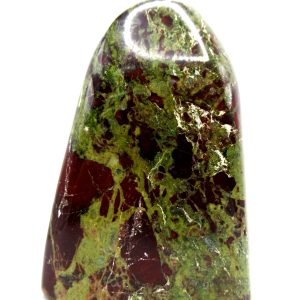
Dragon Blood Jasper – South Africa #1
$65.00 -
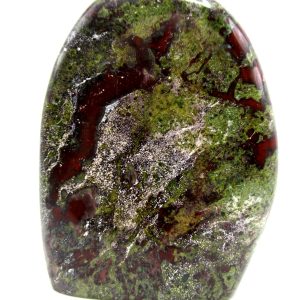
Dragon Blood Jasper – South Africa #2
$65.00 -
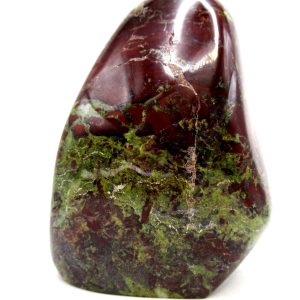
Dragon Blood Jasper – South Africa #3
$65.00 -
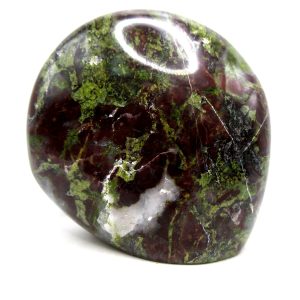
Dragon Blood Jasper – South Africa #4
$40.00 -
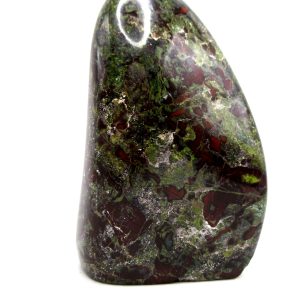
Dragon Blood Jasper – South Africa #5
$55.00 -
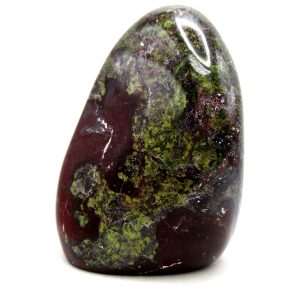
Dragon Blood Jasper – South Africa #6
$50.00 -
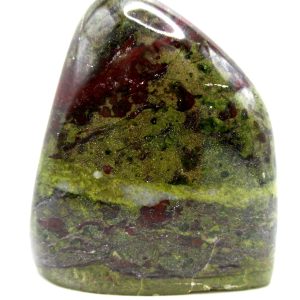
Dragon Blood Jasper – South Africa #7
$55.00 -
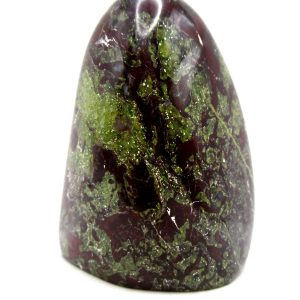
Dragon Blood Jasper – South Africa #8
$55.00 -

Gray Agate | Polished Mushroom #1
$20.00 -
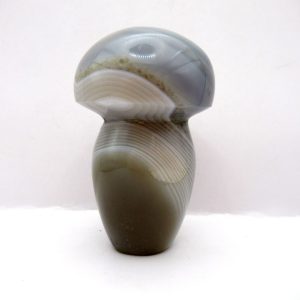
Gray Agate | Polished Mushroom #2
$20.00 -

Gray Agate | Polished Mushroom #3
$20.00 -

Gray Agate | Polished Mushroom #4
$20.00 -
Sold out!

Green Opal | Polished Mushroom #1
$20.00 -

Green Opal | Polished Mushroom #2
$20.00 -

Green Opal | Polished Mushroom #3
$20.00 -

Green Opal | Polished Mushroom #4
$20.00 -

Lavender Quartz | Polished Mushroom #1
$20.00 -

Lavender Quartz | Polished Mushroom #2
$20.00 -

Lavender Quartz | Polished Mushroom #3
$20.00 -

Ocean Jasper | Polished Mushroom #1
$20.00 -

Ocean Jasper | Polished Mushroom #2
$20.00 -

Ocean Jasper | Polished Mushroom #3
$20.00 -

Ocean Jasper | Polished Mushroom #4
$20.00 -
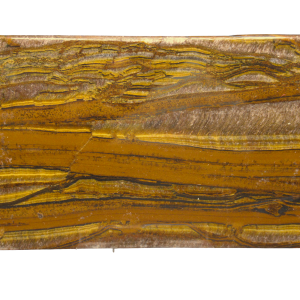
Packsaddle Tiger’s Eye Polished Slab from Western Australia #1
$30.00 -
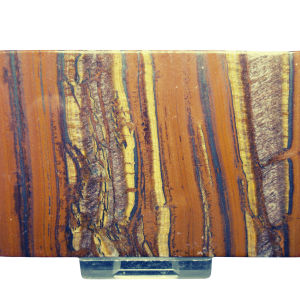
Packsaddle Tiger’s Eye Polished Slab from Western Australia #10
$30.00 -
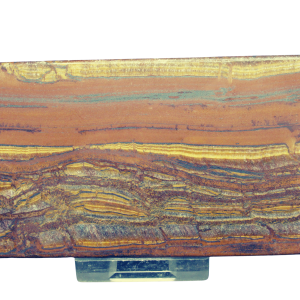
Packsaddle Tiger’s Eye Polished Slab from Western Australia #11
$30.00 -
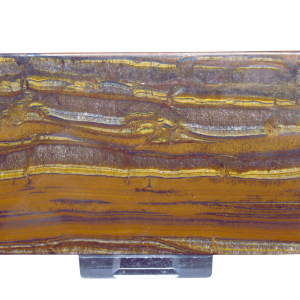
Packsaddle Tiger’s Eye Polished Slab from Western Australia #12
$30.00 -
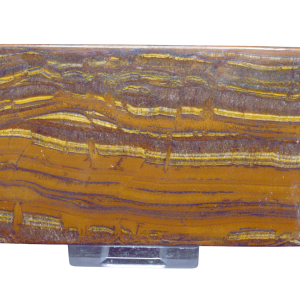
Packsaddle Tiger’s Eye Polished Slab from Western Australia #13
$30.00 -
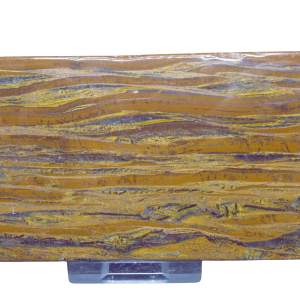
Packsaddle Tiger’s Eye Polished Slab from Western Australia #14
$30.00 -
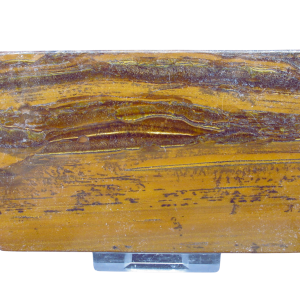
Packsaddle Tiger’s Eye Polished Slab from Western Australia #15
$30.00 -
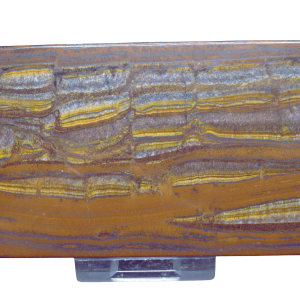
Packsaddle Tiger’s Eye Polished Slab from Western Australia #16
$30.00 -
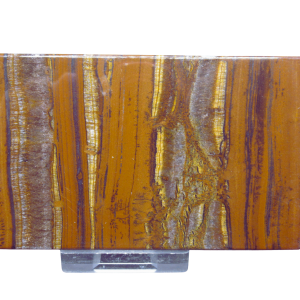
Packsaddle Tiger’s Eye Polished Slab from Western Australia #17
$30.00 -
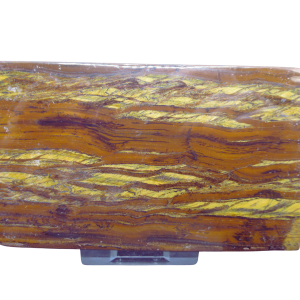
Packsaddle Tiger’s Eye Polished Slab from Western Australia #18
$30.00 -
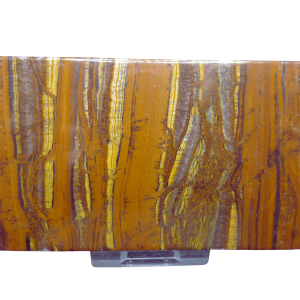
Packsaddle Tiger’s Eye Polished Slab from Western Australia #19
$30.00 -
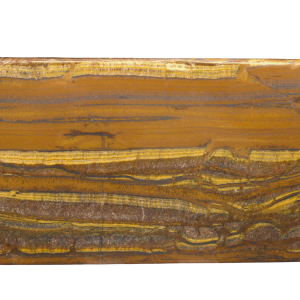
Packsaddle Tiger’s Eye Polished Slab from Western Australia #2
$30.00 -
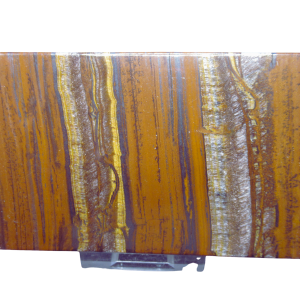
Packsaddle Tiger’s Eye Polished Slab from Western Australia #20
$30.00 -
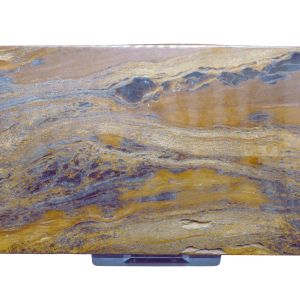
Packsaddle Tiger’s Eye Polished Slab from Western Australia #21
$30.00 -
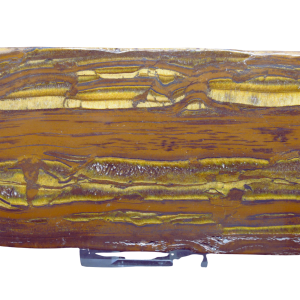
Packsaddle Tiger’s Eye Polished Slab from Western Australia #22
$30.00 -
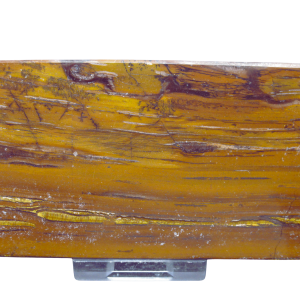
Packsaddle Tiger’s Eye Polished Slab from Western Australia #23
$30.00 -
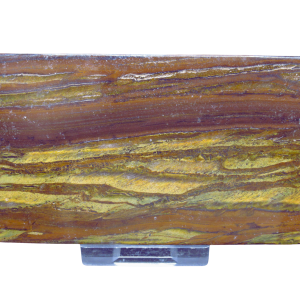
Packsaddle Tiger’s Eye Polished Slab from Western Australia #24
$30.00 -
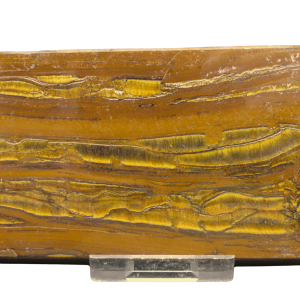
Packsaddle Tiger’s Eye Polished Slab from Western Australia #3
$30.00 -
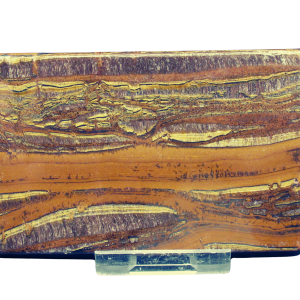
Packsaddle Tiger’s Eye Polished Slab from Western Australia #4
$30.00 -
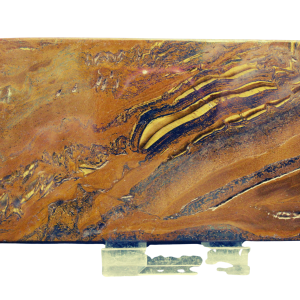
Packsaddle Tiger’s Eye Polished Slab from Western Australia #5
$30.00 -
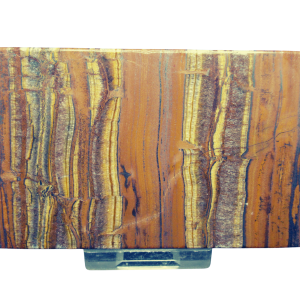
Packsaddle Tiger’s Eye Polished Slab from Western Australia #6
$30.00 -
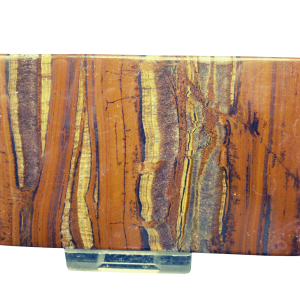
Packsaddle Tiger’s Eye Polished Slab from Western Australia #7
$30.00 -
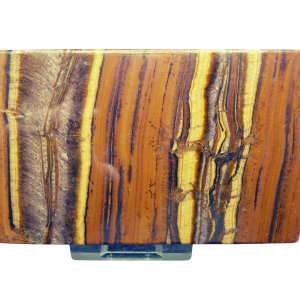
Packsaddle Tiger’s Eye Polished Slab from Western Australia #8
$30.00 -
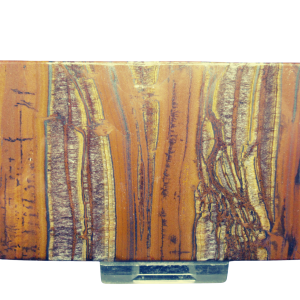
Packsaddle Tiger’s Eye Polished Slab from Western Australia #9
$30.00 -
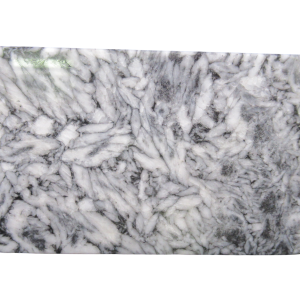
Pinolith (Pinolite) Polished Mineral Slab from Austria #1
$30.00 -
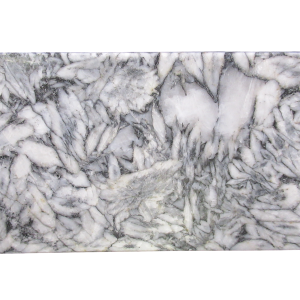
Pinolith (Pinolite) Polished Mineral Slab from Austria #10
$30.00 -
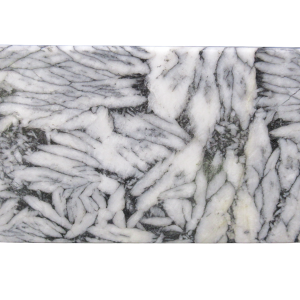
Pinolith (Pinolite) Polished Mineral Slab from Austria #11
$30.00
WHY SHOP WITH PREHISTORIC FOSSILS?
- Large Selection
- Great Prices and Great Selection
- Authenticity Guaranteed
- Satisfaction Guaranteed
- Your TRUSTED SOURCE for 25 years!
- Many more videos are available on our YouTube Channel
Polished Mineral Specimens For Sale
Polished Mineral Specimens For Sale offer collectors a beautiful way to enjoy the natural colors, patterns, and mineral structures found within the Earth. Skilled lapidary workers cut, shape, grind, and polish selected stones to reveal features that may be difficult to see on rough surfaces. As a result, polished specimens can display vivid banding, crystal patterns, inclusions, and contrasting mineral zones.
At Prehistoric Fossils, we offer genuine mineral specimens selected for their appearance, geology, and collecting interest. Since 1997, we have helped collectors, educators, families, and natural-history enthusiasts find authentic specimens for study and display.
How Polished Mineral Specimens Are Created
Most polished minerals begin as rough rock or mineral material. First, the specimen may be cut with a diamond saw. Next, progressively finer abrasives remove scratches and smooth the surface. Finally, a polishing compound produces a reflective finish. However, the exact process varies because different minerals have different hardness, fracture patterns, and physical properties.
For example, quartz has a Mohs hardness of 7 and usually accepts a durable polish. Calcite, by comparison, has a hardness of about 3, so it requires more careful handling. Therefore, lapidary techniques must match the mineral being worked.
Colors, Patterns, and Natural Features
Polished Mineral Specimens For Sale can include agate, jasper, quartz, calcite, fluorite, petrified wood, and many other materials. Because minerals form under different geological conditions, each specimen can show unique colors and structures.
For instance, agate often contains curved bands of microscopic quartz. Jasper may display dramatic mixtures of red, yellow, brown, or green caused by mineral impurities. Meanwhile, crystalline minerals can reveal cleavage, growth zones, or natural inclusions after polishing.
Why Collect Polished Minerals?
Polished specimens combine geology with decorative appeal. Therefore, they work well in mineral collections, classrooms, offices, display cabinets, and home décor. In addition, a polished surface often makes geological details easier to examine.
Collectors may choose specimens because of mineral type, locality, color, pattern, crystal structure, or rarity. Likewise, beginning collectors often enjoy polished minerals because they provide an easy way to compare different natural materials.
Authentic Mineral Specimens From a Trusted Source
Experience and accurate identification matter when buying minerals online. Prehistoric Fossils has supplied genuine fossils, minerals, meteorites, crystals, and natural-history specimens since 1997. We carefully describe our specimens so customers can better understand what they are purchasing.
Because every natural mineral specimen is different, variations in color, shape, inclusions, fractures, and pattern should be expected. These natural differences make each piece unique rather than mass-produced.
Shop Polished Mineral Specimens For Sale
Browse our selection of Polished Mineral Specimens For Sale to discover attractive examples of Earth’s mineral diversity. Whether you collect minerals for scientific interest, education, decoration, or simply because you appreciate natural beauty, polished specimens provide an excellent combination of geology and craftsmanship.