
Dinosaur Gastroliths Fossils For Sale | Genuine Dinosaur Stomach Stones
Dinosaur Gastroltih Fossils For Sale – Ancient Stomach Stones
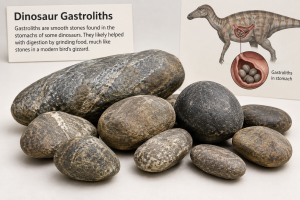
Dinosaur Gastroltih Fossils For Sale offer collectors and fossil enthusiasts an interesting look at prehistoric animal behavior. Gastrolith fossils, often called stomach stones, are rocks that ancient animals swallowed during life. The word gastrolith comes from Greek words meaning “stomach stone.” Many living birds and reptiles still swallow stones today. Therefore, these fossils can help scientists study feeding and digestive behavior in prehistoric animals.
What Are Dinosaur Gastrolith Fossils?
Some dinosaurs swallowed stones that may have remained within the digestive system. In particular, paleontologists have reported gastroliths in association with several sauropod and theropod fossils. However, scientists must use caution when identifying isolated stones as true gastroliths. A smooth, rounded rock alone does not prove that a dinosaur swallowed it.
How Scientists Identify Gastrolith Fossils
Instead, strong evidence comes from stones found within or very close to a fossil skeleton, especially around the abdominal region. Additionally, unusual concentrations of polished stones can provide useful clues. Scientists also examine the stone’s surface, composition, location, and geological setting when evaluating possible Dinosaur Gastroltih Fossils For Sale.
Why Did Dinosaurs Swallow Stones?
Gastroliths may have served different purposes. For example, some animals use swallowed stones to grind or process food. However, researchers continue to debate how important this function was in large dinosaurs. Studies suggest that sauropod gastroliths probably did not form a powerful grinding system like the muscular gizzard found in many modern birds.
Collecting Dinosaur Gastrolith Fossils
Nevertheless, genuine gastrolith fossils remain fascinating trace evidence of prehistoric behavior. Unlike bones or teeth, they are not parts of an animal’s body. Instead, they may record something the animal actually did. Consequently, well-documented Dinosaur Gastroltih Fossils For Sale with reliable fossil associations can provide collectors, educators, and scientists with a tangible connection to dinosaur behavior millions of years ago.
Showing all 38 results
-
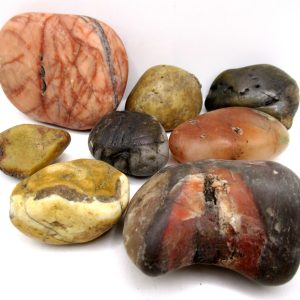
Dinosaur Gastrolith “Gizzard Stones”
$10.00 -
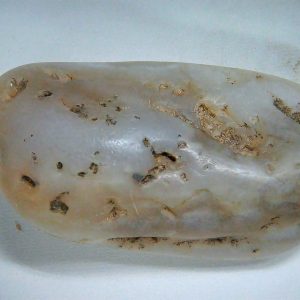
Dinosaur Gastrolith or Gizzard Stone For Sale from Utah #12 – 2.43″ long
$15.00 -
Sold out!
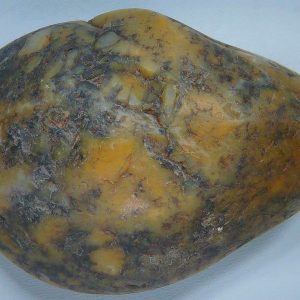
Dinosaur Gastrolith or Gizzard Stone For Sale from Utah #15 – 2.99″ long
$15.00 -
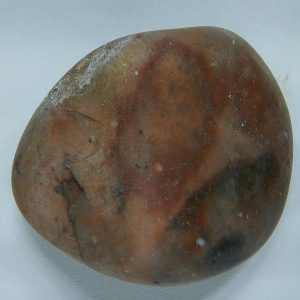
Dinosaur Gastrolith or Gizzard Stone For Sale from Utah #16
$15.00 -
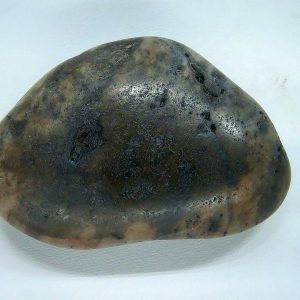
Dinosaur Gastrolith or Gizzard Stone For Sale from Utah #17 – 2.28″ long
$15.00 -
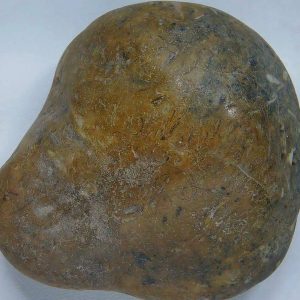
Dinosaur Gastrolith or Gizzard Stone For Sale from Utah #18 – 2.53″ long
$15.00 -

Dinosaur Gastrolith or Gizzard Stone For Sale from Utah #19 – 2.30″ long
$15.00 -
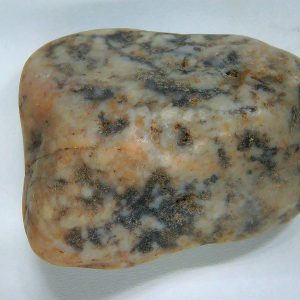
Dinosaur Gastrolith or Gizzard Stone For Sale from Utah #20 –
$15.00 -
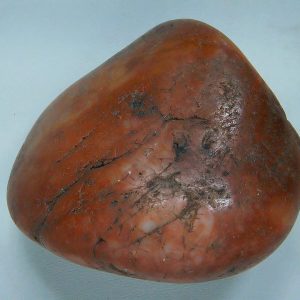
Dinosaur Gastrolith or Gizzard Stone For Sale from Utah #22 – 2.24″ long
$15.00 -
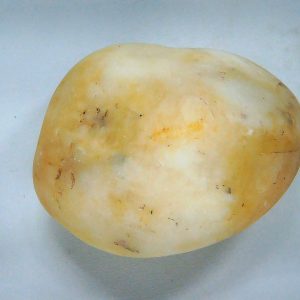
Dinosaur Gastrolith or Gizzard Stone For Sale from Utah #23
$15.00 -
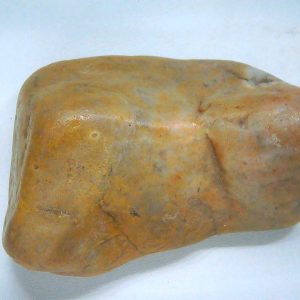
Dinosaur Gastrolith or Gizzard Stone For Sale from Utah #24 – 2.39″ long
$15.00 -

Dinosaur Gastrolith or Gizzard Stone For Sale from Utah #25 – 2.29″ long
$15.00 -
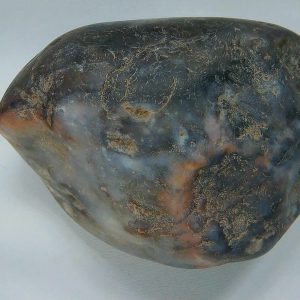
Dinosaur Gastrolith or Gizzard Stone For Sale from Utah #26 – 2.53″ long
$15.00 -
Sold out!
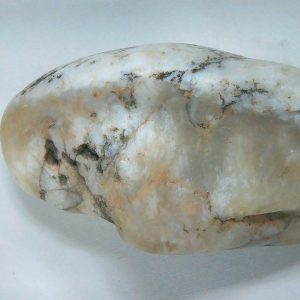
Dinosaur Gastrolith or Gizzard Stone For Sale from Utah #29 – 2.70″ long
$15.00 -

Dinosaur Gastrolith or Gizzard Stone For Sale from Utah #30 – 2.81″ long
$15.00 -
Sold out!
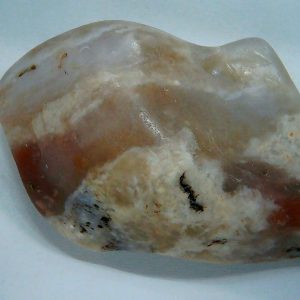
Dinosaur Gastrolith or Gizzard Stone For Sale from Utah #34 – 2.82″ long
$15.00 -

Dinosaur Gastrolith or Gizzard Stone For Sale from Utah #35 – 2.75″ long
$15.00 -
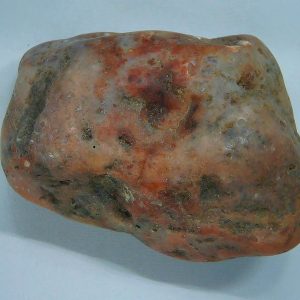
Dinosaur Gastrolith or Gizzard Stone For Sale from Utah #36 – 2.57″ long
$15.00 -
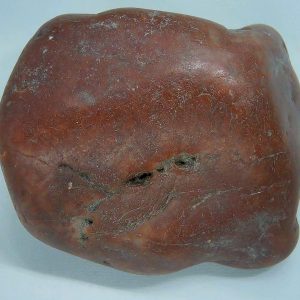
Dinosaur Gastrolith or Gizzard Stone For Sale from Utah #39 – 2.52″ long
$15.00 -
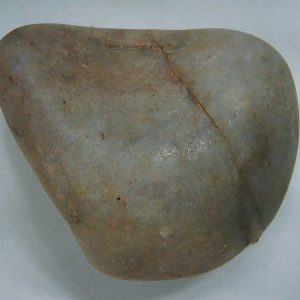
Dinosaur Gastrolith or Gizzard Stone For Sale from Utah #40 -2.43″ long
$15.00 -
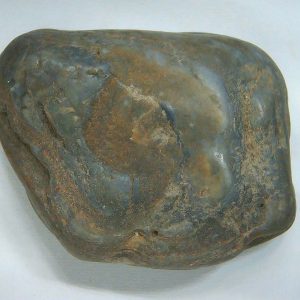
Dinosaur Gastrolith or Gizzard Stone For Sale from Utah #41 – 2.55″ long
$15.00 -
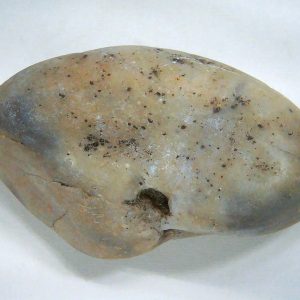
Dinosaur Gastrolith or Gizzard Stone For Sale from Utah #42 – 2.79″ long
$15.00 -
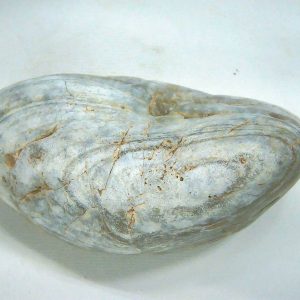
Dinosaur Gastrolith or Gizzard Stone For Sale from Utah #43 – 2.57″ long
$15.00 -
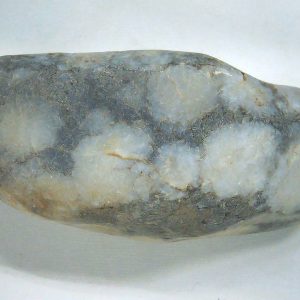
Dinosaur Gastrolith or Gizzard Stone For Sale from Utah #44 – 2.95″ long
$15.00 -

Dinosaur Gastrolith or Gizzard Stone For Sale from Utah #45 – 2.52″ long
$15.00 -
Sold out!
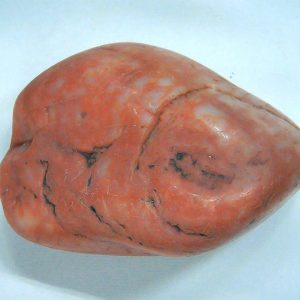
Dinosaur Gastrolith or Gizzard Stone For Sale from Utah #47 – 2.39″ long
$15.00 -
Sold out!
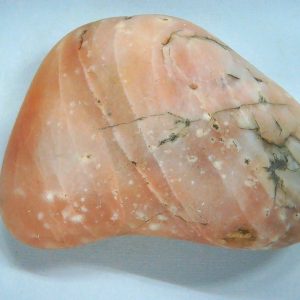
Dinosaur Gastrolith or Gizzard Stone For Sale from Utah #48 – 2.49″ long
$15.00 -
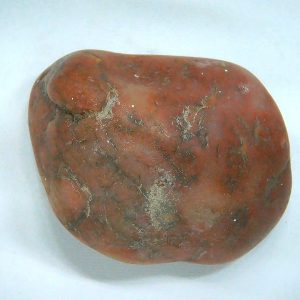
Dinosaur Gastrolith or Gizzard Stone For Sale from Utah #49 – 2.14″ long
$15.00 -
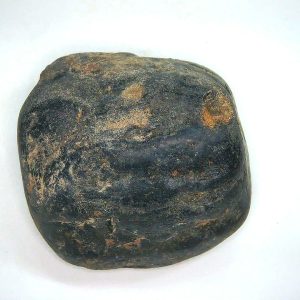
Dinosaur Gastrolith or Gizzard Stone For Sale from Utah #51 – 1.68″ long
$15.00 -
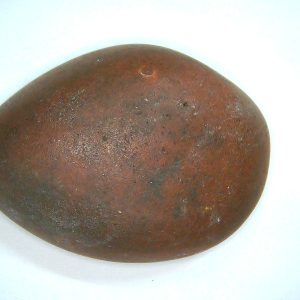
Dinosaur Gastrolith or Gizzard Stone For Sale from Utah #53 – 2.28″ long
$15.00 -
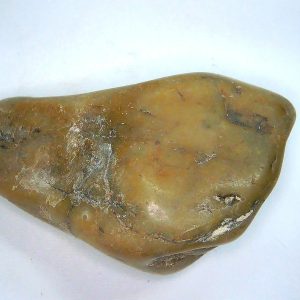
Dinosaur Gastrolith or Gizzard Stone For Sale from Utah #55 – 2.53″ long
$15.00 -

Dinosaur Gastrolith or Gizzard Stone For Sale from Utah #56 – 2.45″ long
$15.00 -
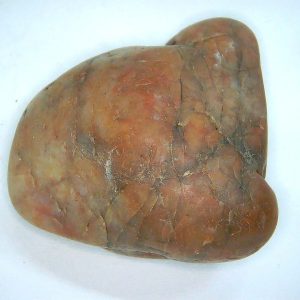
Dinosaur Gastrolith or Gizzard Stone For Sale from Utah #57 – 2.21″ long
$15.00 -
Sold out!
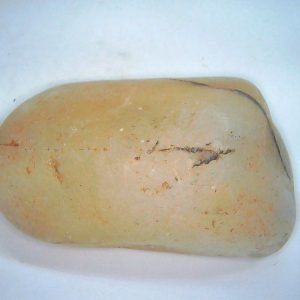
Dinosaur Gastrolith or Gizzard Stone For Sale from Utah #58 – 2.37″ long
$15.00 -
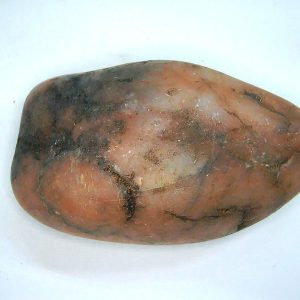
Dinosaur Gastrolith or Gizzard Stone For Sale from Utah #59 – 2.35″ long
$15.00 -

Dinosaur Gastrolith or Gizzard Stone For Sale from Utah #60 – 2.18″ long
$15.00 -
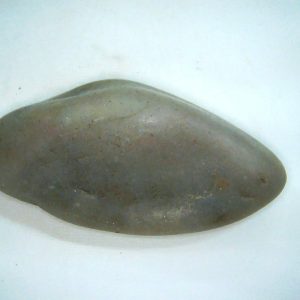
Dinosaur Gastrolith or Gizzard Stone For Sale from Utah #61 – 2.34″ long
$15.00 -
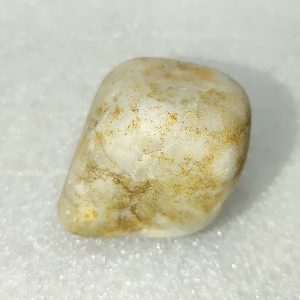
Small Dinosaur Gastrolith #3
$10.00
Dinosaur Gastrolith Fossils For Sale
Dinosaur Gastrolith Fossils For Sale offer collectors a fascinating connection to dinosaur behavior and digestion. Gastroliths are stones that prehistoric animals swallowed, and the word gastrolith means “stomach stone.” In some dinosaurs, these stones may have helped process food inside the digestive system. Therefore, genuine dinosaur-associated gastrolith fossils can provide valuable clues about how certain prehistoric animals lived and fed.
What Are Dinosaur Gastrolith Fossils?
Dinosaur gastroliths usually appear as smooth, rounded, or polished stones. As stones moved within an animal’s digestive tract, contact with other stones may have helped smooth their surfaces. However, naturally transported rocks can develop similar shapes. For example, rivers and beaches can polish stones through repeated movement.
For this reason, collectors should not identify a gastrolith by shape alone. Instead, geological setting and association with dinosaur remains provide much stronger evidence. In some cases, paleontologists have discovered groups of stones within or near articulated dinosaur skeletons. Such discoveries provide stronger support for identifying them as true gastroliths.
Which Dinosaurs Used Gastroliths?
Scientists have reported gastroliths in association with several dinosaur groups. Sauropods and some theropods have received particular attention in gastrolith research. However, scientists continue to debate exactly how important stomach stones were to dinosaur digestion.
Modern birds provide a useful comparison because many species swallow grit or stones. These materials can collect in the muscular gizzard and help break down food. Nevertheless, dinosaurs had many different digestive systems and feeding strategies. Therefore, collectors should avoid assuming that every dinosaur used gastroliths exactly like modern birds.
Collecting Dinosaur Gastrolith Fossils
When searching for Dinosaur Gastrolith Fossils For Sale, provenance is especially important. A polished stone without reliable locality information may be impossible to distinguish from an ordinary water-worn pebble. Consequently, collectors should look for specimens with detailed information about where they were found.
Formation data also adds scientific value. For example, a specimen associated with a documented dinosaur-bearing rock formation has much greater context than a loose stone with no collection history. Additionally, labels should clearly identify the locality, geological formation, and age whenever that information is known.
Why Provenance Matters
Collectors should be cautious about claims that assign a gastrolith to a particular dinosaur species. Unless a stone was found directly associated with identifiable skeletal remains, such a precise identification may lack strong evidence. Instead, terms such as dinosaur-associated gastrolith may provide a more scientifically responsible description.
This careful approach supports EEAT principles because it emphasizes experience, expertise, authority, and trust. Reliable sellers should provide clear specimen information, accurate identification, and honest details about what is known and what remains uncertain.
Why Collect Dinosaur Gastroliths?
Dinosaur gastrolith fossils make interesting additions to prehistoric collections because they may represent evidence of behavior rather than simply anatomy. Dinosaur bones reveal body structure, while teeth often reveal feeding adaptations. In contrast, gastroliths may help researchers explore digestive behavior and the movement of stones through ancient environments.
Furthermore, these fossils can serve as useful educational specimens. They help demonstrate how paleontologists use context, geology, and association to interpret ancient life. Most importantly, they show why a fossil’s collection history can matter as much as its appearance.
Buying Dinosaur Gastrolith Fossils For Sale
When buying Dinosaur Gastrolith Fossils For Sale, choose well-documented specimens from reputable fossil dealers. Look for accurate locality information, geological context, identification labels, and clear authenticity statements. A genuine specimen with reliable provenance can preserve a small but fascinating piece of dinosaur natural history while also adding scientific and educational value to a fossil collection.