
Plant Fossils For Sale | Fossil Leaves, Ferns & Petrified Plants
Plant Fossils For Sale: Windows Into Ancient Ecosystems
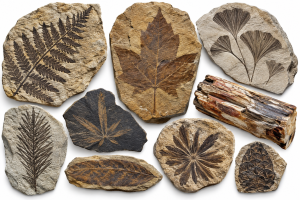
Plant Fossils For Sale provide collectors, students, and educators with an important record of how Earth’s landscapes changed through deep time. Scientists have discovered fossil leaves, wood, seeds, cones, roots, and even delicate plant impressions. In addition, some ancient plant material became preserved as coal or petrified wood. These fossils help researchers understand prehistoric forests, climates, and ecosystems.
How Plant Fossils Form
Plant fossils can form in several ways. For example, leaves may fall into fine mud and leave detailed impressions. Over time, sediment covers the plant material and protects its shape. Carbonization can also preserve a thin carbon film that outlines leaves and stems. Meanwhile, mineral-rich water can enter buried wood. Minerals gradually fill spaces within the tissue and create petrified wood while preserving much of its original structure. Plant Fossils For Sale
The History of Fossil Plants
Early land plants appeared more than 450 million years ago. Later, forests expanded during the Paleozoic Era. During the Carboniferous Period, vast swamp forests included giant lycopsids, horsetail relatives, ferns, and seed plants. Consequently, large amounts of buried plant material contributed to many coal deposits.
During the Mesozoic Era, conifers, cycads, ginkgos, and other seed plants became widespread. Flowering plants, or angiosperms, later diversified rapidly during the Cretaceous Period. As a result, plant communities increasingly began to resemble many modern ecosystems.
Why Collect Plant Fossils?
Plant Fossils For Sale offer much more than attractive display specimens. For instance, fossil leaf shapes, growth rings, pollen, seeds, and plant distribution can provide clues about ancient temperature, rainfall, and seasonal patterns. Therefore, paleobotanists use fossil plants to reconstruct environments that disappeared millions of years ago.
For collectors, Plant Fossils For Sale can provide a direct connection to prehistoric forests and landscapes. Fossil leaves, petrified wood, seeds, cones, and other plant remains also make excellent educational specimens because they show how ancient vegetation changed through geological time.
Showing 1–50 of 344 results
-
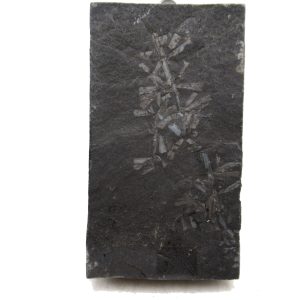
Carboniferous Fern Fossil for Sale from Germany #25
$30.00 -
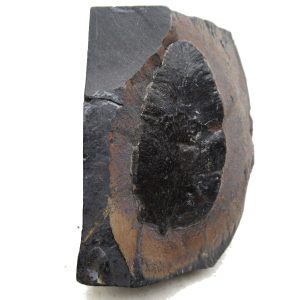
Carboniferous Fern Fossil for Sale from Germany #26
$45.00 -
Sold out!
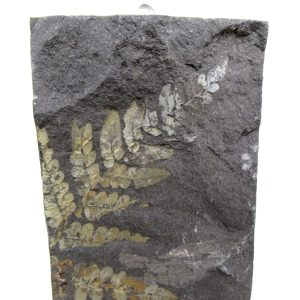
Carboniferous Fern Fossil for Sale from Germany #30
$55.00 -
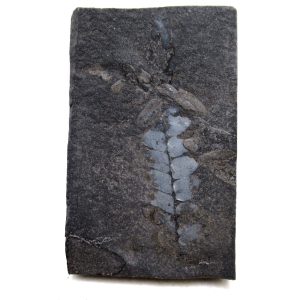
Carboniferous Fern Fossil for Sale from Germany #34
$25.00 -
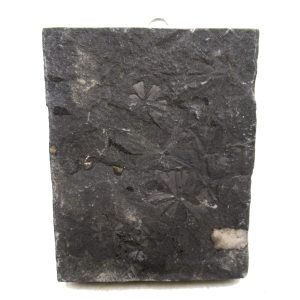
Carboniferous Fern Fossil for Sale from Germany #35
$25.00 -
Sold out!
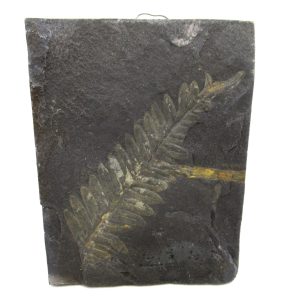
Carboniferous Fern Fossil for Sale from Germany #36
$55.00 -
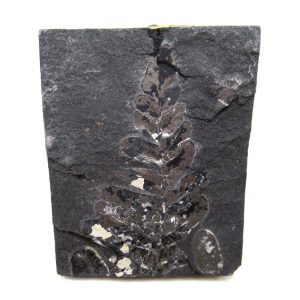
Carboniferous Fern Fossil for Sale from Germany #37
$25.00 -
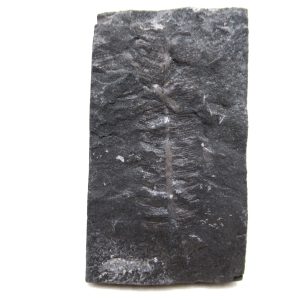
Carboniferous Fern Fossil for Sale from Germany #40
$15.00 -
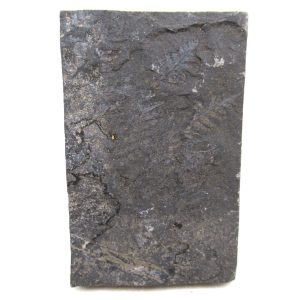
Carboniferous Fern Fossil for Sale from Germany #41
$25.00 -
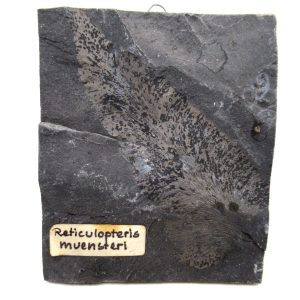
Carboniferous Fern Fossil for Sale from Germany #43
$25.00 -
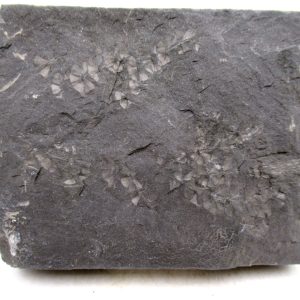
Carboniferous Fern Fossil for Sale from Germany #45
$40.00 -
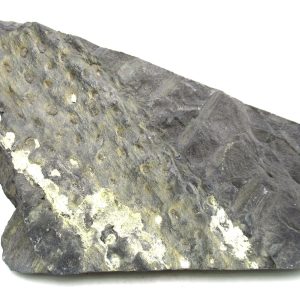
Carboniferous Fern from Germany #10
$40.00 -
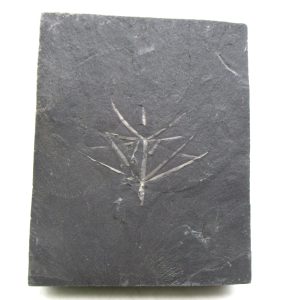
Carboniferous Fern from Germany #11
$35.00 -
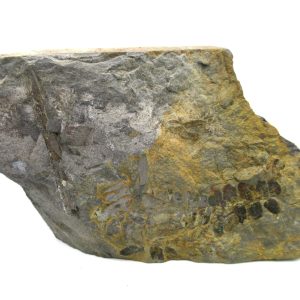
Carboniferous Fern from Germany #12
$35.00 -

Carboniferous Fern from Germany #13
$45.00 -
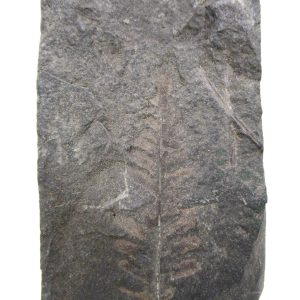
Carboniferous Fern from Germany #17
$40.00 -
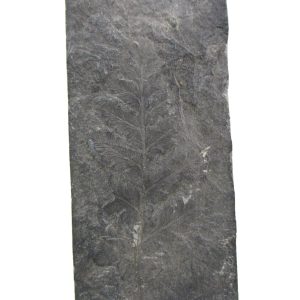
Carboniferous Fern from Germany #18
$40.00 -
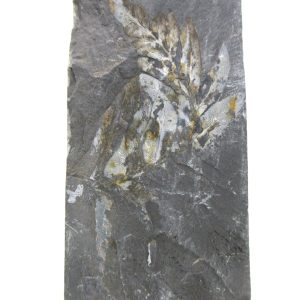
Carboniferous Fern from Germany #19
$40.00 -
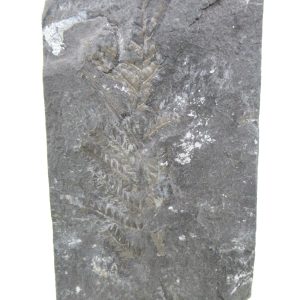
Carboniferous Fern from Germany #20
$40.00 -
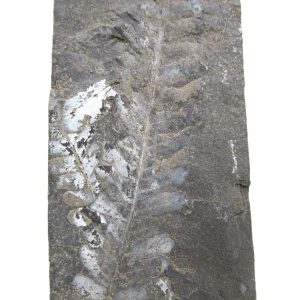
Carboniferous Fern from Germany #22
$40.00 -
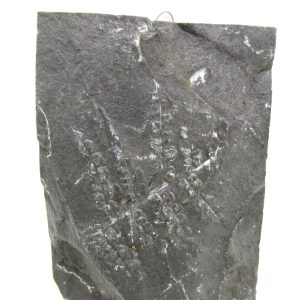
Carboniferous Fern from Germany #24
$35.00 -
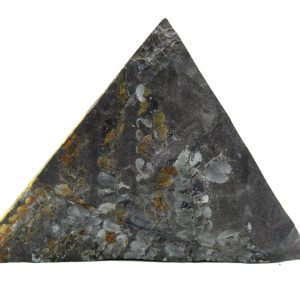
Carboniferous Fern from Germany #3
$35.00 -
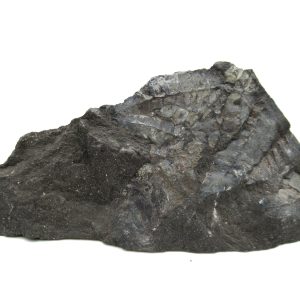
Carboniferous Fern from Germany #4
$35.00 -
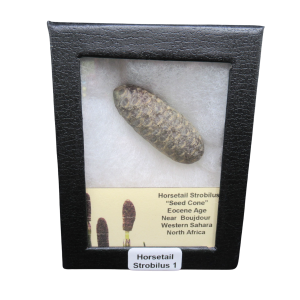
Horsetail Strobilus (Equestum “Cone”) Eocene of Morocco #1
$55.00 -
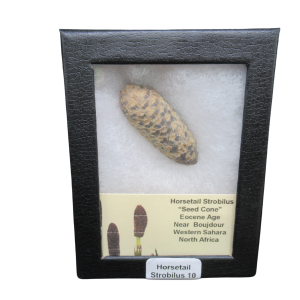
Horsetail Strobilus (Equestum “Cone”) Eocene of Morocco #10
$55.00 -
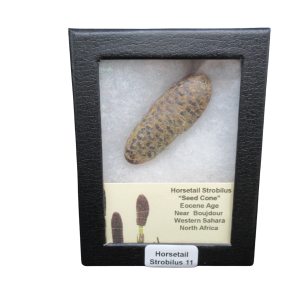
Horsetail Strobilus (Equestum “Cone”) Eocene of Morocco #11
$55.00 -
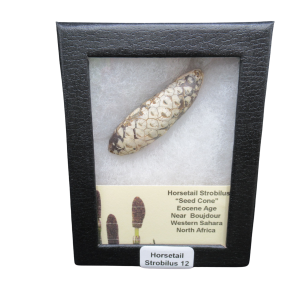
Horsetail Strobilus (Equestum “Cone”) Eocene of Morocco #12
$55.00 -
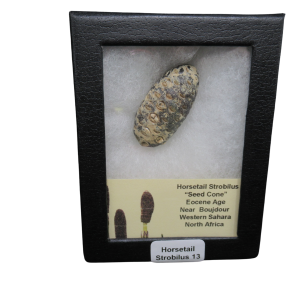
Horsetail Strobilus (Equestum “Cone”) Eocene of Morocco #13
$55.00 -
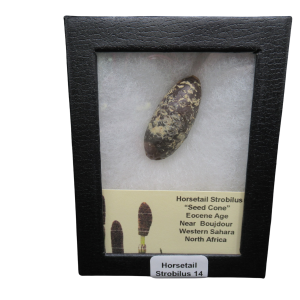
Horsetail Strobilus (Equestum “Cone”) Eocene of Morocco #14
$55.00 -
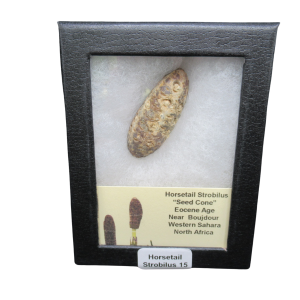
Horsetail Strobilus (Equestum “Cone”) Eocene of Morocco #15
$55.00 -
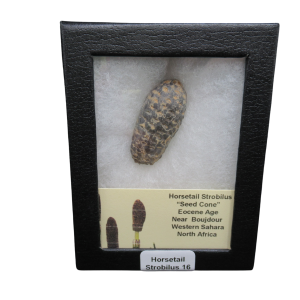
Horsetail Strobilus (Equestum “Cone”) Eocene of Morocco #16
$55.00 -
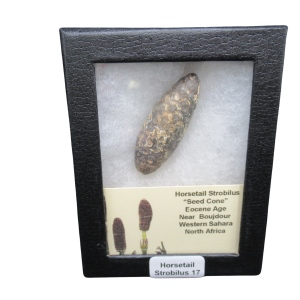
Horsetail Strobilus (Equestum “Cone”) Eocene of Morocco #17
$55.00 -
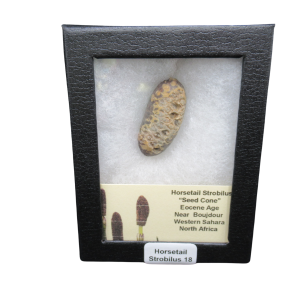
Horsetail Strobilus (Equestum “Cone”) Eocene of Morocco #18
$55.00 -
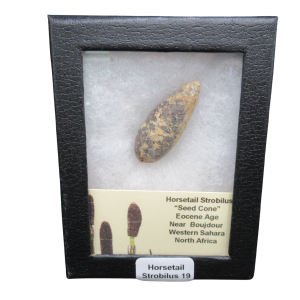
Horsetail Strobilus (Equestum “Cone”) Eocene of Morocco #19
$55.00 -
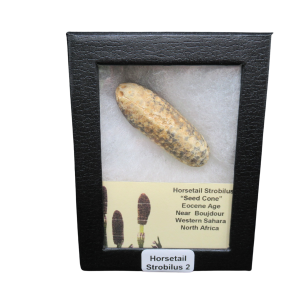
Horsetail Strobilus (Equestum “Cone”) Eocene of Morocco #2
$55.00 -
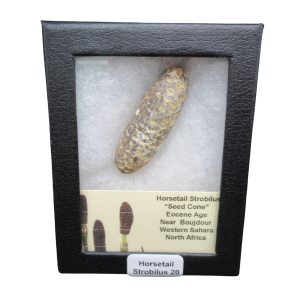
Horsetail Strobilus (Equestum “Cone”) Eocene of Morocco #20
$55.00 -
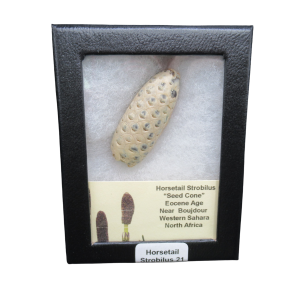
Horsetail Strobilus (Equestum “Cone”) Eocene of Morocco #21
$55.00 -
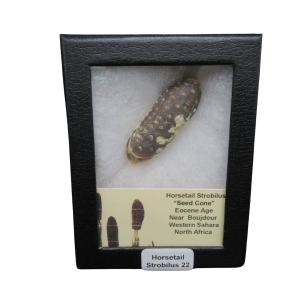
Horsetail Strobilus (Equestum “Cone”) Eocene of Morocco #22
$55.00 -
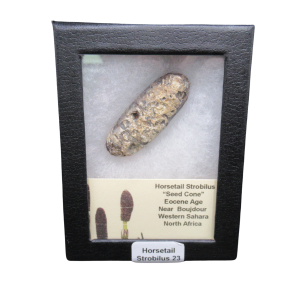
Horsetail Strobilus (Equestum “Cone”) Eocene of Morocco #23
$55.00 -
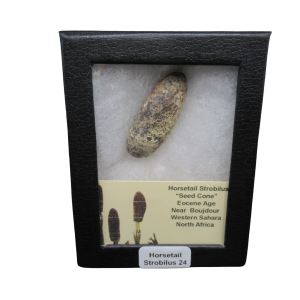
Horsetail Strobilus (Equestum “Cone”) Eocene of Morocco #24
$55.00 -
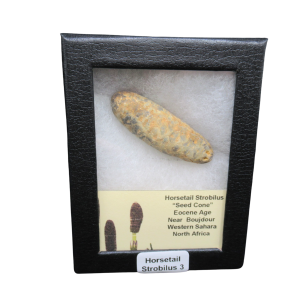
Horsetail Strobilus (Equestum “Cone”) Eocene of Morocco #3
$55.00 -
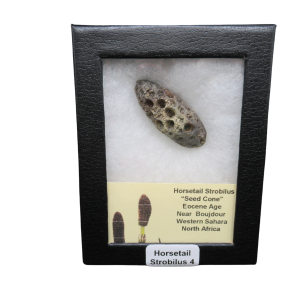
Horsetail Strobilus (Equestum “Cone”) Eocene of Morocco #4
$55.00 -
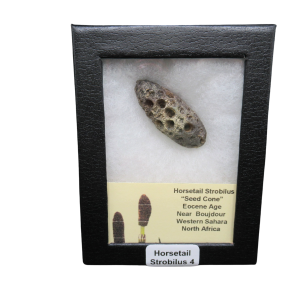
Horsetail Strobilus (Equestum “Cone”) Eocene of Morocco #5
$55.00 -
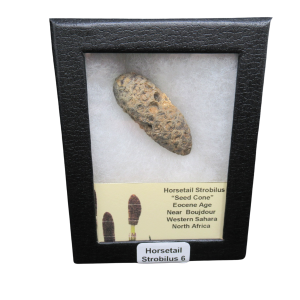
Horsetail Strobilus (Equestum “Cone”) Eocene of Morocco #6
$55.00 -
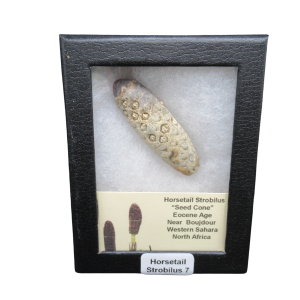
Horsetail Strobilus (Equestum “Cone”) Eocene of Morocco #7
$55.00 -
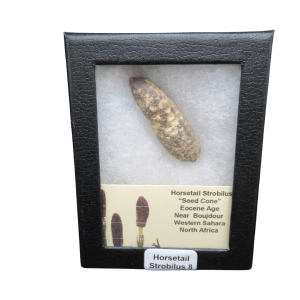
Horsetail Strobilus (Equestum “Cone”) Eocene of Morocco #8
$55.00 -
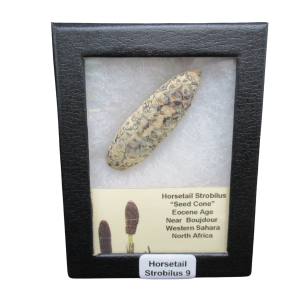
Horsetail Strobilus (Equestum “Cone”) Eocene of Morocco #9
$55.00 -

Petrified Palm Wood | Indonesia #1
$295.00 -

Petrified Palm Wood | Indonesia #3
$295.00 -

Petrified Palm Wood | Indonesia #4
$295.00
- Buy Fossils
- Fossils for Sale
- Large Selection
- Great Prices and Great Selection
- Authenticity Guaranteed
- Satisfaction Guaranteed
- Your TRUSTED SOURCE SINCE 1997!
- Many more videos are available on our YouTube Channel.
Plants Fossils For Sale: What Fossil Plants Reveal About Earth’s Ancient Ecosystems
Plants Fossils For Sale give collectors, educators, students, and researchers a direct connection to Earth’s ancient ecosystems. Fossil plants preserve evidence of botanical evolution, changing climates, prehistoric forests, and the development of modern plant groups. The plant fossil record extends back hundreds of millions of years and helps scientists reconstruct how life on land changed through geological time.
What Are Fossil Plants?
Fossil plants are preserved remains, impressions, or traces of prehistoric vegetation. Although evidence of early land plants extends into the Ordovician, vascular plants became increasingly important during the Silurian and Devonian periods. Fossil plants occur in several forms, including compression fossils, impressions, petrified wood, coalified remains, pollen, spores, and rare plant material preserved in amber.
When examining Plants Fossils For Sale, collectors may encounter leaves, stems, roots, seeds, cones, wood, or microscopic pollen. Each type of fossil can provide information about ancient biodiversity, climate, habitat, and plant evolution.
Evolution of Fossil Plants Through Geological Time
Devonian Period – The Rise of the First Forests
During the Devonian Period, roughly 419 to 359 million years ago, vascular plants expanded across terrestrial environments. Early plant groups included rhyniophytes, zosterophylls, and other primitive vascular plants. Later in the Devonian, large tree-like plants such as Archaeopteris helped form some of Earth’s earliest widespread forests.
These forests changed landscapes dramatically. Their root systems promoted soil development, influenced erosion, and helped alter the global carbon cycle by removing carbon dioxide from the atmosphere.
Carboniferous Period – Coal Swamp Forests
The Carboniferous Period, about 359 to 299 million years ago, supported extensive tropical wetlands. Giant lycopsids such as Lepidodendron and Sigillaria grew alongside tree-sized horsetail relatives such as Calamites, ferns, and seed plants.
Large amounts of plant material accumulated in waterlogged environments. Over geological time, burial, heat, and pressure converted some of this organic matter into major coal deposits. Therefore, Carboniferous plant fossils provide important evidence about ancient swamp ecosystems and Earth’s changing atmosphere.
Permian Period – Glossopteris and Gondwana
During the Permian Period, seed plants became increasingly important. One famous fossil plant, Glossopteris, occurred widely across the southern supercontinent Gondwana.
Scientists have found Glossopteris fossils in Antarctica, India, South America, Africa, and Australia. Because these landmasses are now widely separated, their shared fossil flora became important evidence supporting the idea that the continents were once connected.
Mesozoic Era – Conifers, Cycads, and Flowering Plants
During the Triassic and Jurassic periods, conifers, cycads, ginkgos, and related seed plants formed major parts of terrestrial vegetation. Later, during the Cretaceous Period, flowering plants appeared and diversified rapidly. Plant Fossils For Sale
As angiosperms expanded, they changed terrestrial ecosystems and developed complex ecological relationships with insects and other animals. Fossil leaves, flowers, pollen, seeds, and wood help paleobotanists study this important evolutionary transition.
Cenozoic Era – The Development of Modern Forests
After the end-Cretaceous mass extinction, flowering plants continued to diversify and became dominant in many ecosystems. Fossil leaves, pollen, seeds, fruits, and petrified wood record major climate changes throughout the Cenozoic Era.
For example, plant fossils document warm Eocene forests as well as later cooling trends that contributed to the development of grasslands, temperate forests, and other modern biomes.
Why Fossil Plants Matter to Science
Reconstructing Ancient Climate
Fossil plants provide valuable evidence about prehistoric climate. Scientists study leaf size, leaf margins, stomatal density, pollen assemblages, growth rings, and other features to estimate environmental conditions such as temperature, rainfall, humidity, and atmospheric carbon dioxide.
Because plants respond closely to their environments, fossil floras can help researchers reconstruct ancient ecosystems and track long-term climate change.
Understanding Plant Evolution
Plant fossils preserve evidence of major evolutionary innovations. These include vascular tissue, deep root systems, wood, seeds, leaves, flowers, and fruits. Each development affected terrestrial ecosystems and created new habitats and food sources for animals.
Consequently, Plants Fossils For Sale can represent far more than decorative specimens. Properly identified fossils may illustrate important stages in the history of plant evolution.
Dating and Correlating Rock Layers
Fossil pollen and spores are especially useful in biostratigraphy. Palynologists examine these microscopic fossils to correlate sedimentary rock layers and reconstruct changes in vegetation through time.
Because many pollen and spore types evolved rapidly and became widely distributed, they can also help geologists compare formations from different geographic regions.
Major Types of Plant Fossils
Petrified Wood
Plant Fossils For Sale
Petrified wood forms when minerals enter buried plant tissue and preserve or replicate microscopic cellular structures. Silica commonly plays an important role in this process, although other minerals may also occur.
Scientists study petrified wood to learn about ancient tree anatomy, growth patterns, forest composition, and environmental conditions. Collectors also value polished specimens for their natural patterns and colors.
Leaf Impressions and Compression Fossils
Leaf impressions preserve the shape or surface details of leaves in sedimentary rock. Compression fossils may retain a thin film of carbonized plant material. These fossils commonly occur in lake deposits, floodplains, and fine-grained sedimentary environments.
They can reveal leaf shape, venation, plant diversity, and sometimes seasonal or climatic conditions.
Coal and Coal Balls
Coal formed largely from accumulated plant material buried in ancient wetlands. Coal balls, despite their name, are mineralized masses found within some coal seams. They may preserve plant tissues in exceptional three-dimensional detail.
As a result, coal balls have provided scientists with valuable information about Carboniferous swamp plants and their internal anatomy.
Pollen and Spores
Pollen and spores are microscopic fossils that can occur in enormous numbers. Their resistant outer walls often survive long after other plant tissues have disappeared.
Scientists use fossil pollen and spores to study vegetation change, date sedimentary rocks, reconstruct ancient environments, and support geological exploration.
Important Fossil Plant Localities
Petrified Forest National Park – Arizona, USA
Petrified Forest National Park contains abundant Late Triassic fossil wood, much of it associated with ancient conifer-like trees. These fossils help document ecosystems that existed more than 200 million years ago.
Rhynie Chert – Scotland
The Early Devonian Rhynie Chert preserves exceptionally detailed plants, fungi, and microorganisms in silica-rich deposits associated with ancient hot-spring environments. Its remarkable cellular preservation makes it one of the world’s most important paleobotanical sites.
Glossopteris Localities of Gondwana
Permian rocks in Antarctica, India, South Africa, Australia, and South America contain abundant Glossopteris fossils. Their broad geographic distribution played an important historical role in understanding continental movement.
Mazon Creek – Illinois, USA
Mazon Creek is famous for Carboniferous-age concretions that preserve plants and animals in remarkable detail. Fossil ferns, seed ferns, horsetail relatives, and other plants from this locality provide a detailed record of ancient wetland environments.
Yixian Formation – China
The Early Cretaceous Yixian Formation preserves diverse plants alongside famous feathered dinosaurs and other organisms. Fossils from northeastern China have contributed important evidence to the study of early flowering plants and Cretaceous ecosystems.
Collecting Plants Fossils For Sale
Collectors interested in Plants Fossils For Sale should consider identification, geological age, locality, preservation quality, preparation, and authenticity. Scientific labels that include the fossil name, formation, age, and locality can greatly increase a specimen’s educational and collection value.
Plant fossils range from common leaf impressions to rare petrified woods, cones, seeds, and exceptionally preserved specimens. Therefore, both beginning collectors and advanced fossil enthusiasts can find examples suited to different interests and budgets.
Buy Fossil Plants With Confidence
When purchasing Plants Fossils For Sale, choose specimens from a knowledgeable and established fossil dealer that clearly identifies its fossils and stands behind their authenticity. Properly documented fossils provide greater scientific, educational, and collecting value.
Buy Fossil Plants with Confidence. Authenticity Guaranteed.