
Stromatolite Fossils For Sale | Genuine Ancient Fossils
Stromatolite Fossils For Sale – Ancient Evidence of Early Life on Earth
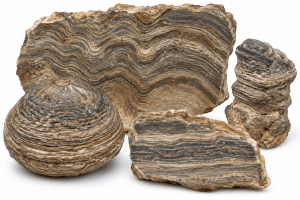
Stromatolite Fossils For Sale offer collectors a remarkable connection to some of the oldest known evidence of life on Earth. These layered fossil structures formed through the activity of ancient microbial communities, especially cyanobacteria. Over time, microbes trapped sediment and helped minerals build up in thin layers. As a result, stromatolites often show distinctive wavy, domed, or column-like patterns.
How Did Fossil Stromatolites Form?
Stromatolites commonly developed in shallow aquatic environments where microbial mats grew across sediment surfaces. First, sticky microbial films trapped fine particles. Then, new microbial growth formed over the sediment. Consequently, repeated cycles created layer after layer of material.
Over long periods, minerals hardened these layers into rock. Therefore, fossil stromatolites can preserve evidence of microbial activity that occurred billions of years ago. However, not every layered rock is a stromatolite. Scientists study its shape, internal layering, mineral composition, and geological setting before identifying its biological origin.
Why Are Stromatolite Fossils Important?
Some widely accepted stromatolites date back more than 3 billion years. Therefore, they provide important evidence about Earth’s early biosphere. In addition, photosynthetic microbes such as cyanobacteria played a major role in Earth’s history by producing oxygen. Eventually, rising oxygen levels helped transform the atmosphere and oceans.
Although stromatolites were especially widespread during the Precambrian, they still exist today in a few modern environments. Consequently, scientists can compare living examples with ancient fossils to better understand how these structures formed.
For collectors, Stromatolite Fossils For Sale provide both scientific interest and natural beauty. Moreover, their layered patterns make each specimen a distinctive geological display while representing an important chapter in the history of life on Earth.
Showing 1–50 of 114 results
-
Sold out!

Michigan Kona Dolomite Stromatolite #3
$20.00 -
Sold out!

Michigan Kona Dolomite Stromatolite #8
$45.00 -
Sold out!

Minnesota Collenia Stromatolite #10
$30.00 -

Minnesota Collenia Stromatolite #14
$30.00 -

Minnesota Collenia Stromatolite #3
$25.00 -

Minnesota Collenia Stromatolite #4
$25.00 -

Minnesota Collenia Stromatolite #6
$25.00 -

Minnesota Collenia Stromatolite #8
$30.00 -

Minnesota Collenia Stromatolite #9
$30.00 -
Sold out!

Wyoming Zebra Stromatolite #43
$17.50 -

Wyoming Zebra Stromatolite #45
$17.50 -

England Cotham Marble Stromatolite #17
$65.00 -
Sold out!
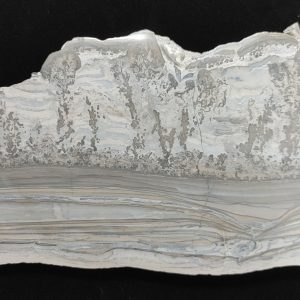
England Cotham Marble Stromatolite #18
$85.00 -
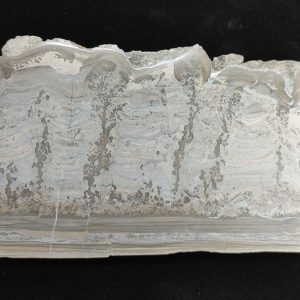
England Cotham Marble Stromatolite #19
$75.00 -
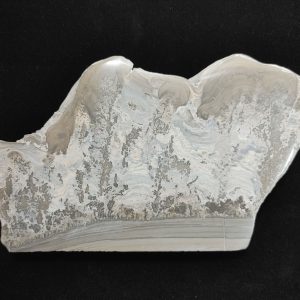
England Cotham Marble Stromatolite #20
$75.00 -
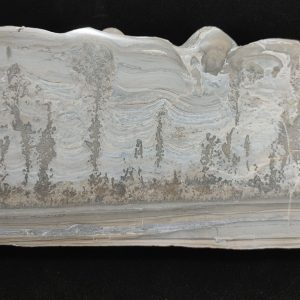
England Cotham Marble Stromatolite #21
$85.00 -
Sold out!
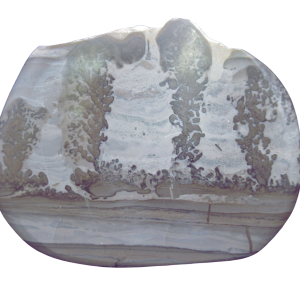
Cotham Marble Triassic Stromatolite from England #30
$27.50 -
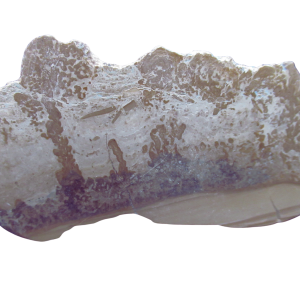
Cotham Marble Triassic Stromatolite from England #31
$27.50 -
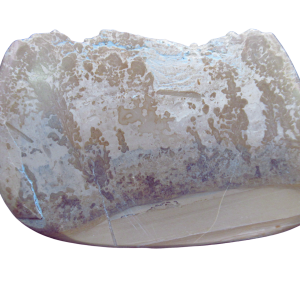
Cotham Marble Triassic Stromatolite from England #32
$27.50 -
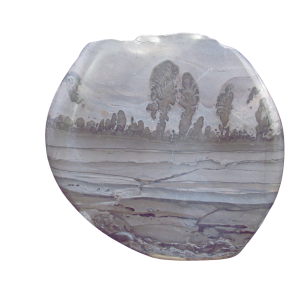
Cotham Marble Triassic Stromatolite from England #33
$27.50 -
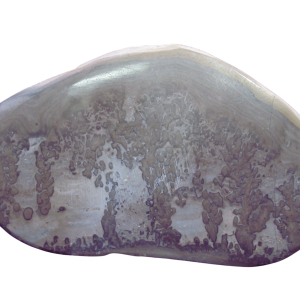
Cotham Marble Triassic Stromatolite from England #34
$27.50 -
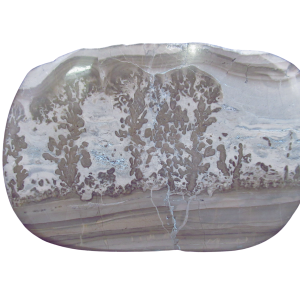
Cotham Marble Triassic Stromatolite from England #35
$27.50 -
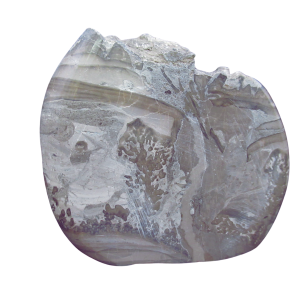
Cotham Marble Triassic Stromatolite from England #36
$27.50 -
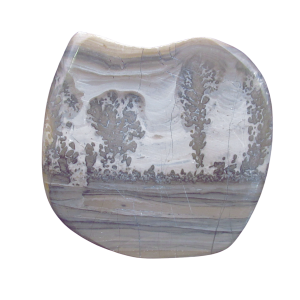
Cotham Marble Triassic Stromatolite from England #37
$27.50 -
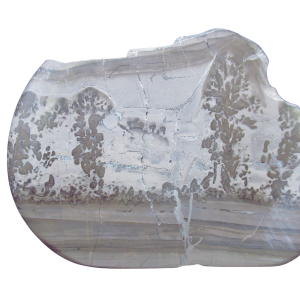
Cotham Marble Triassic Stromatolite from England #38
$27.50 -
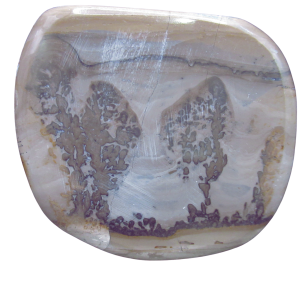
Cotham Marble Triassic Stromatolite from England #39
$27.50 -
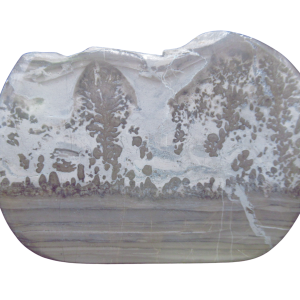
Cotham Marble Triassic Stromatolite from England #40
$27.50 -
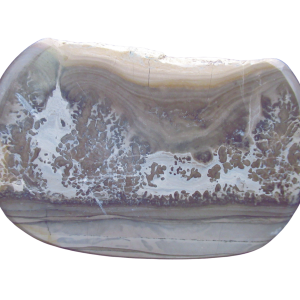
Cotham Marble Triassic Stromatolite from England #41
$27.50 -
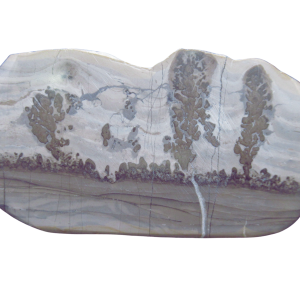
Cotham Marble Triassic Stromatolite from England #42
$27.50 -
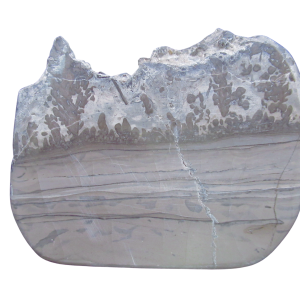
Cotham Marble Triassic Stromatolite from England #43
$27.50 -
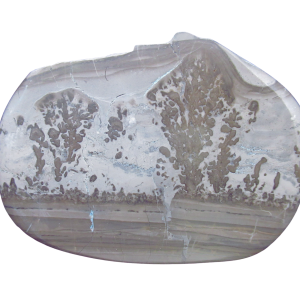
Cotham Marble Triassic Stromatolite from England #44
$27.50 -
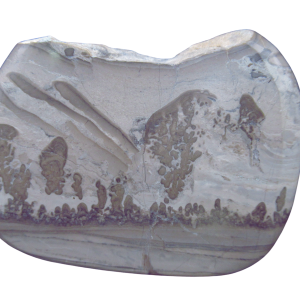
Cotham Marble Triassic Stromatolite from England #45
$27.50 -
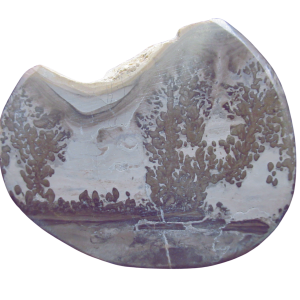
Cotham Marble Triassic Stromatolite from England #46
$27.50 -
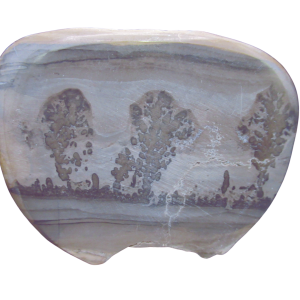
Cotham Marble Triassic Stromatolite from England #47
$27.50 -
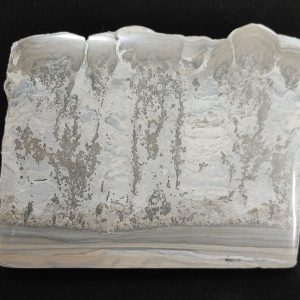
England Cotham Marble Stromatolite #22
$65.00 -
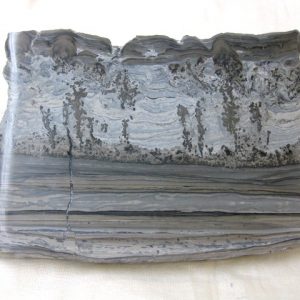
England Cotham Marble Stromatolite #11
$85.00 -
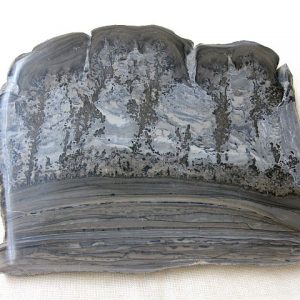
England Cotham Marble Stromatolite #12
$85.00 -
Sold out!
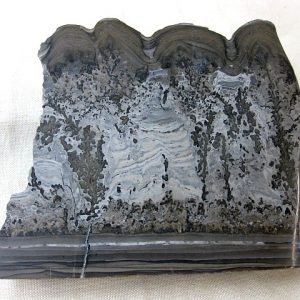
England Cotham Marble Stromatolite #14
$45.00 -
Sold out!
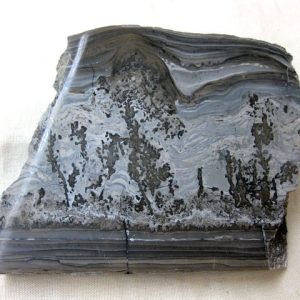
England Cotham Marble Stromatolite #15
$45.00 -
Sold out!
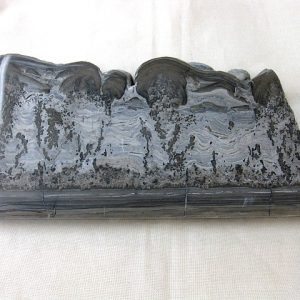
England Cotham Marble Stromatolite #9
$85.00 -
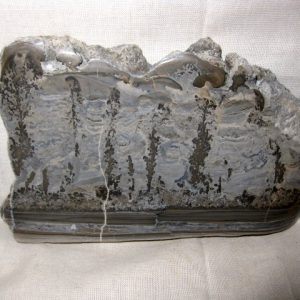
England Cotham Marble Stromatolite #1
$85.00 -
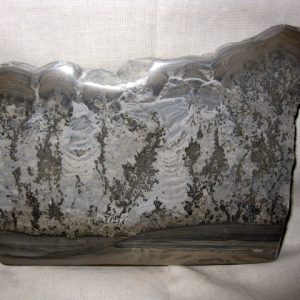
England Cotham Marble Stromatolite #2
$85.00 -
Sold out!
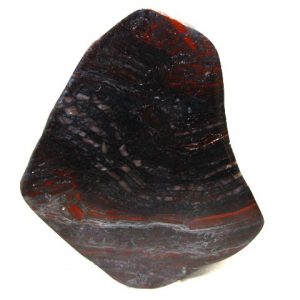
Michigan Precambrian Stromatolite #21
$65.00 -
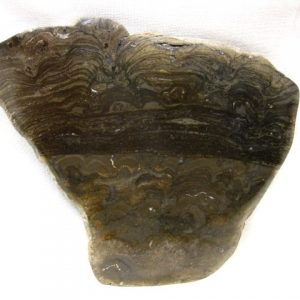
South American Stromatolite #10
$45.00 -
England Cotham Marble Stromatolite #1
$85.00 -
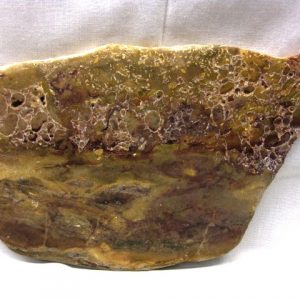
Wisconsin Cryptozoon Stromatolite #23
$95.00 -
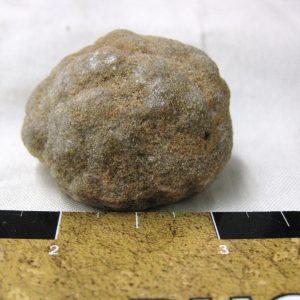
Morocco Barite & Sand Stromatolite #1
$10.00 -
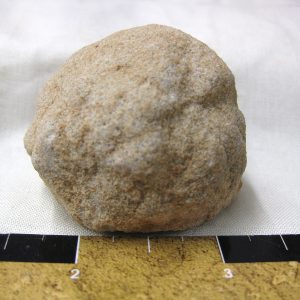
Morocco Barite & Sand Stromatolite #2
$10.00 -
Sold out!

Morocco Barite & Sand Stromatolite #5
$15.00 -
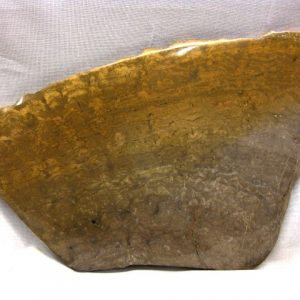
New York Stromatolite #4
$70.00
- Buy Fossils
- Fossils for Sale
- Large Selection
- Great Prices and Great Selection
- Authenticity Guaranteed
- Satisfaction Guaranteed
- Your TRUSTED SOURCE SINCE 1997!
- Many more videos are available on our YouTube Channel.
Stromatolite Fossils For Sale | Earth’s Oldest Evidence of Life
Stromatolite Fossils For Sale offer collectors, educators, museums, and geology enthusiasts a remarkable connection to some of the earliest known biological activity on Earth. In fact, fossil stromatolites occur throughout much of the geological record, with some examples dating back more than 3.4 billion years.

These distinctive layered structures formed through the activity of microbial communities. Therefore, stromatolites provide important evidence about early life, ancient environments, biological evolution, and changes in Earth’s atmosphere. Moreover, their long geological history makes them especially valuable for understanding how early ecosystems developed.
What Are Fossil Stromatolites?
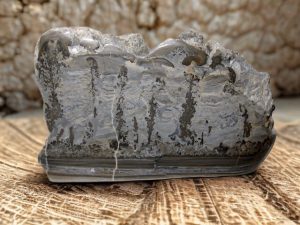
Fossil stromatolites are laminated sedimentary structures commonly associated with microbial mats. In many environments, microorganisms such as cyanobacteria helped trap and bind sediment. In addition, microbial activity could encourage mineral precipitation.
Over time, repeated microbial growth and sediment accumulation created recognizable layers. Consequently, these layers could harden into rock and survive within the geological record. As a result, scientists can study structures created by microbial ecosystems that lived incredibly long ago.
Key Characteristics of Stromatolite Fossils
- Fine laminated layers that may form domes, columns, or irregular masses
- Commonly preserved in limestone or dolomite
- Layered structures often visible without magnification
- Frequently associated with shallow marine or lake environments
Although stromatolite form varies with environment, repeated lamination remains one of their most recognizable features. Furthermore, their shape can provide clues about water depth, sediment conditions, and microbial growth.
Age and Geological Distribution of Stromatolite Fossils
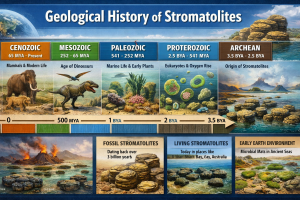
Stromatolites span an extraordinary portion of Earth history. In fact, they became especially widespread during the Precambrian, long before animals became abundant. Therefore, they provide an important record of ancient microbial ecosystems.
| Geological Interval | Approximate Age | Scientific Significance |
|---|---|---|
| Archean | 4.0–2.5 billion years ago | Includes some of the earliest widely studied evidence for microbial ecosystems |
| Proterozoic | 2.5 billion–539 million years ago | Period of extensive stromatolite abundance and diversification |
| Phanerozoic | 539 million years ago to present | Stromatolites became less dominant as animal grazing and ecosystem complexity increased |
Important Stromatolite Localities
Scientists have studied ancient stromatolites from many regions of the world. For example, important localities include:
- Pilbara Craton, Western Australia
- Barberton Greenstone Belt, South Africa
- Canadian Shield
- Bolivia
- Namibia
- China
In particular, some formations in Western Australia contain stromatolite-like structures older than 3 billion years. Consequently, these ancient rocks remain important subjects in geobiology and early-life research. Moreover, scientists continue to compare these sites with younger stromatolite deposits around the world.
How Stromatolite Fossils Form
Fossil stromatolites developed through long-term interaction between microbial communities, sediment, water chemistry, and mineral precipitation. Although conditions varied between environments, repeated microbial growth commonly produced distinctive layered structures.
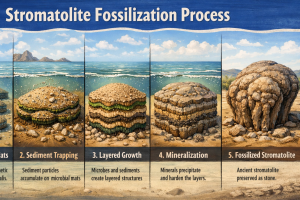
Typical Stromatolite Formation Process
- First, microbial mats grow across a sediment surface.
- Next, sticky microbial films trap fine sediment particles.
- In addition, microbial activity may promote carbonate mineral precipitation.
- Then, new microbial growth develops above earlier layers.
- Over time, repeated growth creates laminated structures.
- Finally, burial and lithification preserve the structure as rock.
Therefore, many fossil stromatolites preserve repeated growth patterns rather than individual microbial cells. Nevertheless, these structures can remain recognizable for billions of years. As a result, they provide scientists with a rare window into extremely ancient environments.
Why Stromatolite Fossils Are Scientifically Important
Stromatolite fossils play a major role in paleontology, geology, geobiology, and the study of early Earth. Furthermore, their importance goes far beyond their visual appearance. In fact, they help scientists investigate some of the most important questions about the early history of life.
Evidence of Ancient Microbial Life
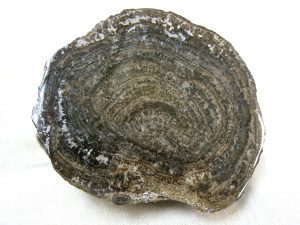
Many stromatolites provide macroscopic evidence of ancient microbial communities. As a result, they help scientists study ecosystems that existed long before plants, animals, and complex terrestrial life appeared. Moreover, their layered structures reveal how microbial communities interacted with ancient sediments.
Stromatolites and Earth’s Oxygenation
Cyanobacteria perform oxygen-producing photosynthesis. Consequently, over immense spans of geological time, photosynthetic microorganisms contributed to major changes in Earth’s atmosphere and oceans.
One especially important event was the Great Oxidation Event, which began roughly 2.4 billion years ago. Although stromatolites alone did not cause every atmospheric change, microbial photosynthesis played a major role in increasing environmental oxygen. Therefore, the history of microbial life remains closely connected with the history of Earth’s atmosphere.
Evidence of Early Ecosystems
Stromatolites also help researchers understand ancient ecological relationships. In particular, their abundance changed through time as marine ecosystems became more complex.

During the Phanerozoic, grazing animals and organisms that disturbed seafloor sediments became increasingly common. Consequently, microbial mats became less dominant in many environments. However, stromatolites did not disappear completely. Instead, microbial structures continued to form where environmental conditions favored their growth.
Astrobiology and the Search for Ancient Life
Modern and fossil stromatolites also provide useful models for astrobiology. Specifically, scientists study them because ancient microbial structures may help researchers recognize possible biosignatures on other planets.
For this reason, stromatolites are often discussed in research concerning ancient Mars and the broader search for life beyond Earth. Furthermore, studying how biological structures survive in ancient rocks can help researchers develop methods for recognizing possible evidence of extraterrestrial life.
Modern Stromatolites Compared with Fossil Stromatolites
Living microbial structures similar to ancient stromatolites still occur today. Therefore, scientists can compare modern microbial ecosystems with fossil examples preserved in rock.
For example, modern stromatolites occur in locations such as:
- Shark Bay, Western Australia
- The Bahamas
- Selected saline and alkaline lakes around the world
These living examples help scientists test how microbial mats trap sediment, precipitate minerals, and form laminated structures. Moreover, modern examples allow researchers to observe these processes directly. Consequently, they provide valuable comparisons for interpreting ancient stromatolite fossils.
How Scientists Identify Genuine Stromatolite Fossils
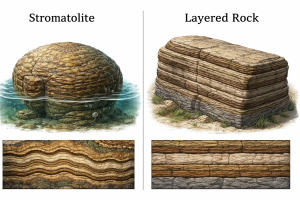
Not every layered rock represents biological activity. Therefore, scientists carefully examine several lines of evidence before interpreting ancient structures as stromatolites. In addition, extremely old examples often require especially careful study because geological processes can alter their original features.
Evidence Used to Study Stromatolites
- Consistent and repeated lamination patterns
- Geological and environmental context
- Microscopic structures consistent with microbial growth
- Sedimentary textures associated with microbial mats
- Geochemical or isotopic evidence where available
Because some non-biological processes can also create layered structures, researchers combine morphology, sedimentology, geochemistry, and geological context before reaching conclusions. Therefore, scientists usually rely on several forms of evidence rather than a single feature. As a result, this careful approach strengthens interpretations of ancient stromatolites.
Collecting Stromatolite Fossils For Sale
Stromatolite Fossils For Sale appeal to collectors because they combine geology, paleontology, and the history of life in a single specimen. Furthermore, each piece may preserve layers created by microbial communities that lived hundreds of millions or even billions of years ago.
When selecting a specimen, collectors often examine its locality, geological formation, age, preservation, color, growth structure, and visible lamination. Therefore, accurate identification and specimen information can greatly improve a fossil’s educational and scientific value.
In addition, stromatolites make excellent teaching specimens. For example, educators can use them to explain microbial life, sedimentary geology, Precambrian ecosystems, photosynthesis, atmospheric change, and the extraordinary age of our planet. Consequently, stromatolite fossils can serve both as collectible natural history specimens and as useful educational tools.
Why Fossil Stromatolites Matter Today
Fossil stromatolites remain important because they preserve evidence from some of the earliest chapters in Earth history. Today, researchers continue to study them in several scientific fields, including:
- Paleontology
- Geobiology
- Sedimentary geology
- Evolutionary biology
- Precambrian research
- Astrobiology
- Science education
In addition, fossil stromatolites help scientists reconstruct environments that existed billions of years before humans appeared. Moreover, they provide evidence about the interaction between early organisms, sediments, oceans, and the atmosphere. Ultimately, few fossils connect so many areas of Earth science.
Stromatolite Fossils For Sale from Prehistoric Fossils
When purchasing Stromatolite Fossils For Sale, specimen identification, geological context, and authenticity matter. Therefore, choosing specimens from an established fossil dealer can provide greater confidence.
Prehistoric Fossils has supplied genuine fossils and natural history specimens to collectors, educators, museums, and enthusiasts since 1997. Furthermore, we carefully describe our fossil specimens and provide identification information whenever available. Because authenticity builds confidence, we guarantee the fossils we sell as genuine.
Buy Genuine Stromatolite Fossils with Confidence
Buy Stromatolite Fossils For Sale from Prehistoric Fossils with confidence. Your Trusted Source Since 1997. Authenticity Guaranteed.
Ultimately, fossil stromatolites preserve an extraordinary record of microbial ecosystems that helped shape the early Earth. Moreover, their layered structures provide a physical connection to some of the oldest chapters in the history of life. Therefore, Stromatolite Fossils For Sale remain fascinating specimens for collectors, educators, students, and anyone interested in paleontology, geology, evolution, and the origin of life.