
Minerals For Sale | Genuine Mineral Specimens & Crystals
Minerals For Sale | Natural Mineral Specimens for Collectors
Minerals For Sale give collectors, students, and geology enthusiasts a hands-on way to explore the natural materials that make up our planet. A mineral is a naturally occurring solid with a characteristic chemical composition and an ordered crystal structure. Because minerals form under many different geological conditions, each specimen can provide useful clues about Earth’s history and the environment in which it formed.
How Minerals For Sale Form in Nature
Minerals form through several natural processes. For example, some minerals crystallize as molten magma or lava cools. Others develop when mineral-rich water moves through cracks in rock and deposits crystals. In addition, evaporation can leave mineral deposits behind, while heat and pressure can create new minerals during metamorphism.
Quartz ranks among the most common minerals in Earth’s crust. It consists of silicon and oxygen and occurs in many colors and crystal forms. Likewise, calcite is widespread and forms an important part of limestone. Other popular minerals for sale include fluorite, pyrite, gypsum, barite, feldspar, and tourmaline.
Mineral Colors, Crystal Shapes, and Identification
Natural minerals can display remarkable colors, crystal habits, and surface luster. However, color alone does not always provide a reliable identification. Trace elements, structural defects, and radiation can all change the appearance of a mineral. Therefore, geologists also examine hardness, streak, cleavage, crystal structure, luster, and specific gravity.
For instance, pure quartz is often clear or white. However, natural processes can produce purple amethyst, yellow citrine, and smoky quartz. These variations make mineral collecting both scientifically interesting and visually appealing.
Why Collect Natural Minerals?
Collecting natural minerals combines geology, science, education, and natural beauty. Moreover, individual specimens may show crystal growth, mineral replacement, weathering, or other geological processes. Collectors may choose specimens for their color, crystal form, locality, rarity, size, or scientific interest.
Buying Minerals For Sale With Confidence
When purchasing Minerals For Sale, accurate identification and reliable locality information can greatly improve a specimen’s educational and collecting value. Whenever possible, collectors should look for clear descriptions, measurements, and geological information. In addition, buying from an experienced mineral and fossil dealer can help reduce uncertainty about identification and authenticity.
At Prehistoric Fossils, we focus on natural-history specimens and educational collecting. As a result, our mineral offerings are selected with collectors, students, and families in mind. Whether you are starting a collection or adding a new display specimen, natural minerals offer a lasting way to study and appreciate Earth’s geological diversity.
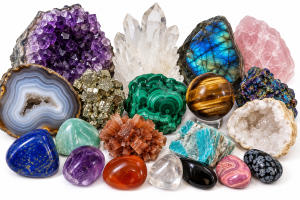
Showing 1–50 of 761 results
-
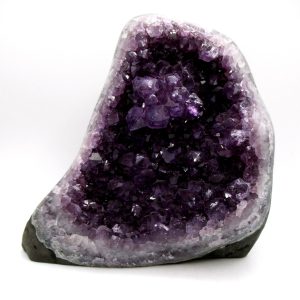
Amethyst Cluster Flat Cut Base #1
$95.00 -
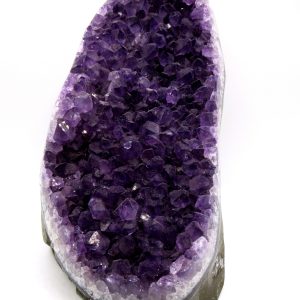
Amethyst Cluster Flat Cut Base #2
$95.00 -
Sold out!
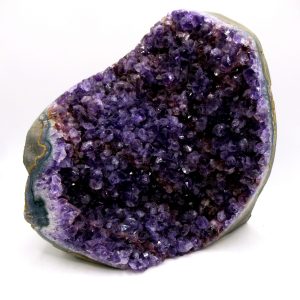
Amethyst Cluster Flat Cut Base #3
$95.00 -
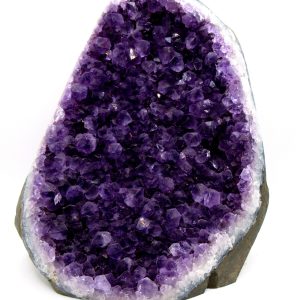
Amethyst Cluster Flat Cut Base #4
$175.00 -
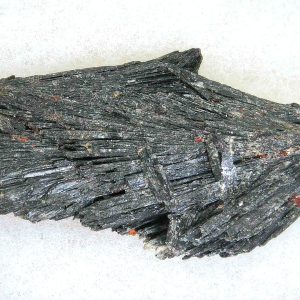
Black Kyanite Mineral Specimen #10
$12.00 -
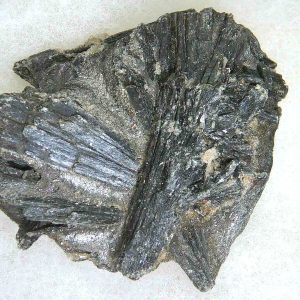
Black Kyanite Mineral Specimen #11
$12.00 -
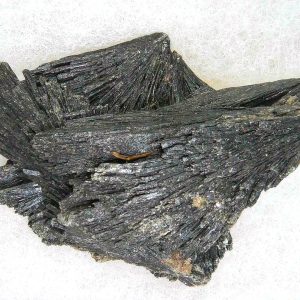
Black Kyanite Mineral Specimen #12
$12.00 -
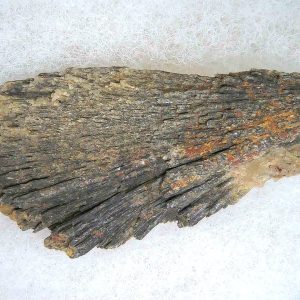
Black Kyanite Mineral Specimen #13
$12.00 -
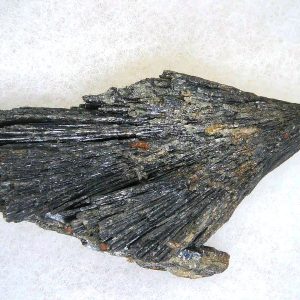
Black Kyanite Mineral Specimen #14
$12.00 -
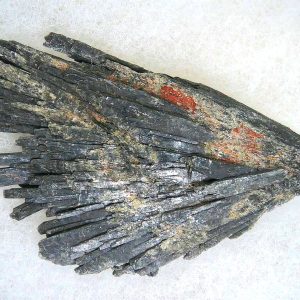
Black Kyanite Mineral Specimen #15
$12.00 -
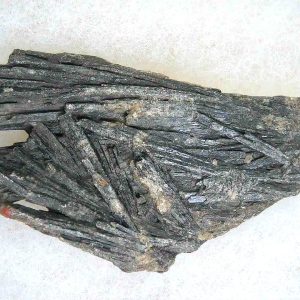
Black Kyanite Mineral Specimen #16
$12.00 -
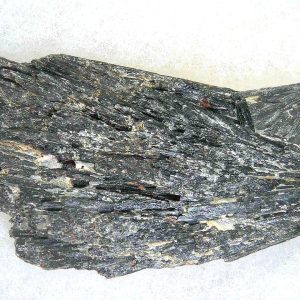
Black Kyanite Mineral Specimen #17
$12.00 -
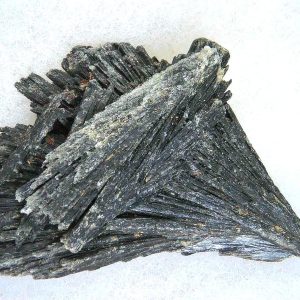
Black Kyanite Mineral Specimen #18
$12.00 -
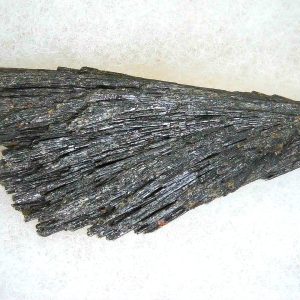
Black Kyanite Mineral Specimen #19
$12.00 -
Sold out!
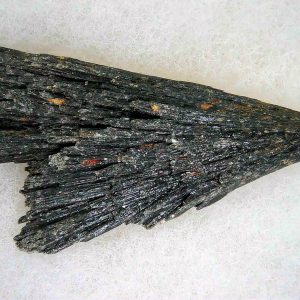
Black Kyanite Mineral Specimen #2
$12.00 -
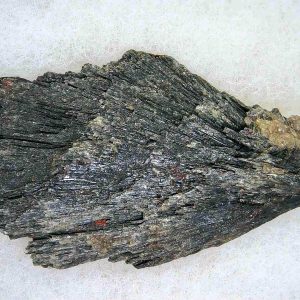
Black Kyanite Mineral Specimen #3
$12.00 -
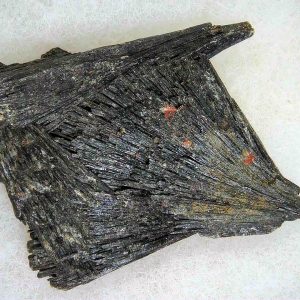
Black Kyanite Mineral Specimen #4
$12.00 -
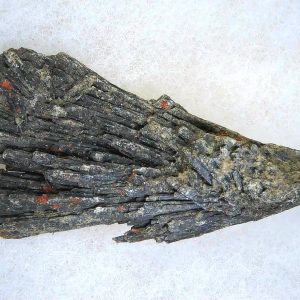
Black Kyanite Mineral Specimen #5
$12.00 -
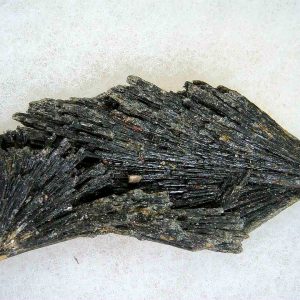
Black Kyanite Mineral Specimen #6
$12.00 -
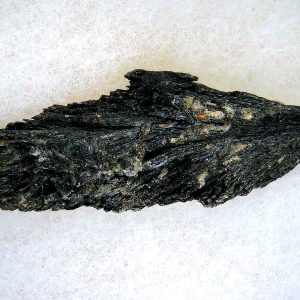
Black Kyanite Mineral Specimen #7
$12.00 -
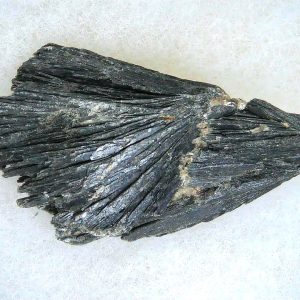
Black Kyanite Mineral Specimen #8
$12.00 -
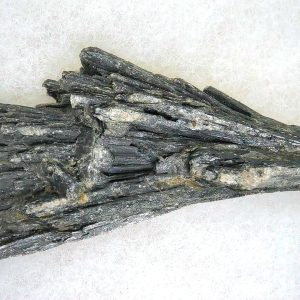
Black Kyanite Mineral Specimen #9
$12.00 -
Sold out!
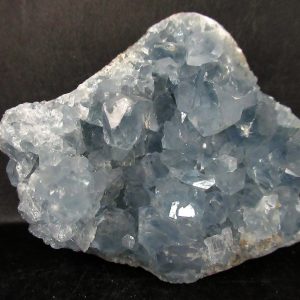
Blue Celestite Madagascar Natural Mineral for Sale #1
$20.00 -

Blue Celestite Madagascar Natural Mineral for Sale #10
$20.00 -
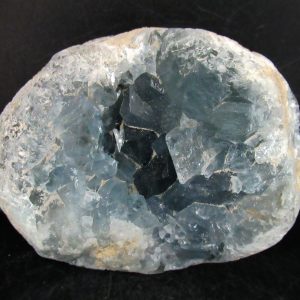
Blue Celestite Madagascar Natural Mineral for Sale #11
$45.00 -
Sold out!

Blue Celestite Madagascar Natural Mineral for Sale #12
$45.00 -

Blue Celestite Madagascar Natural Mineral for Sale #13
$45.00 -

Blue Celestite Madagascar Natural Mineral for Sale #14
$45.00 -

Blue Celestite Madagascar Natural Mineral for Sale #15
$65.00 -

Blue Celestite Madagascar Natural Mineral for Sale #16
$55.00 -

Blue Celestite Madagascar Natural Mineral for Sale #17
$55.00 -

Blue Celestite Madagascar Natural Mineral for Sale #18
$55.00 -
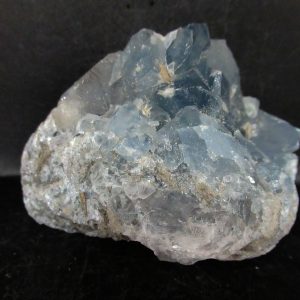
Blue Celestite Madagascar Natural Mineral for Sale #2
$20.00 -
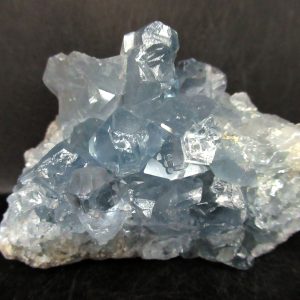
Blue Celestite Madagascar Natural Mineral for Sale #3
$12.00 -
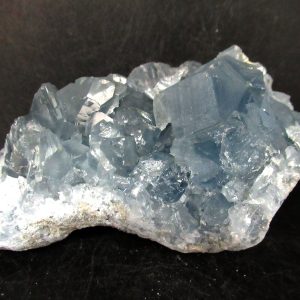
Blue Celestite Madagascar Natural Mineral for Sale #4
$20.00 -
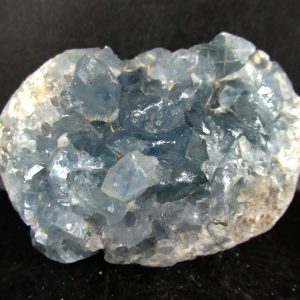
Blue Celestite Madagascar Natural Mineral for Sale #5
$20.00 -
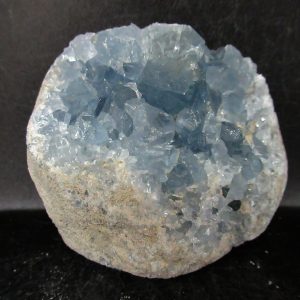
Blue Celestite Madagascar Natural Mineral for Sale #6
$20.00 -
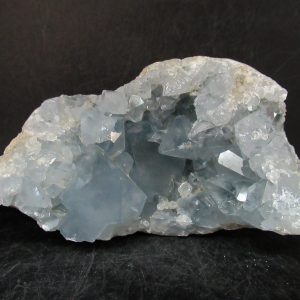
Blue Celestite Madagascar Natural Mineral for Sale #7
$20.00 -
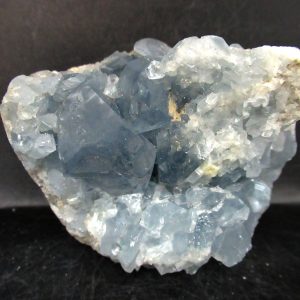
Blue Celestite Madagascar Natural Mineral for Sale #8
$20.00 -
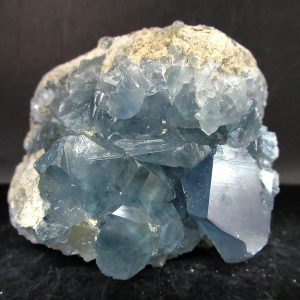
Blue Celestite Madagascar Natural Mineral for Sale #9
$20.00 -
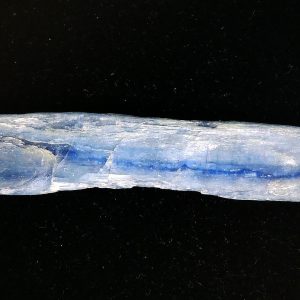
Blue Kyanite Mineral Specimen #1
$6.00 -
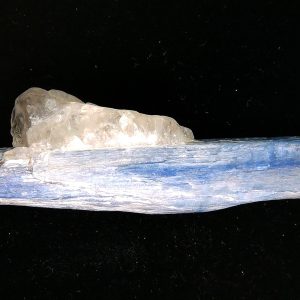
Blue Kyanite Mineral Specimen #10
$6.00 -
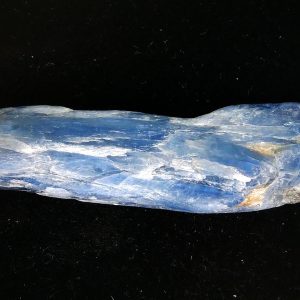
Blue Kyanite Mineral Specimen #11
$6.00 -
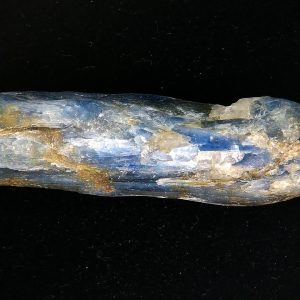
Blue Kyanite Mineral Specimen #13
$6.00 -
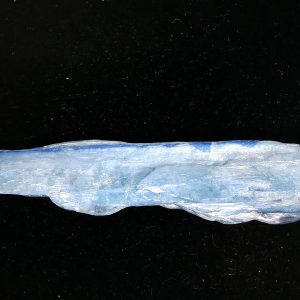
Blue Kyanite Mineral Specimen #14
$6.00 -
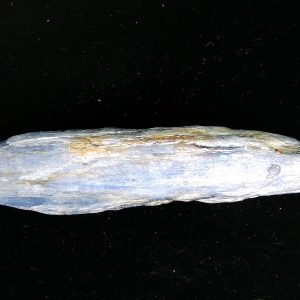
Blue Kyanite Mineral Specimen #16
$6.00 -
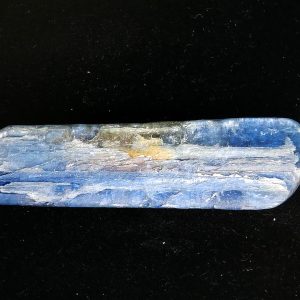
Blue Kyanite Mineral Specimen #17
$6.00 -
Sold out!
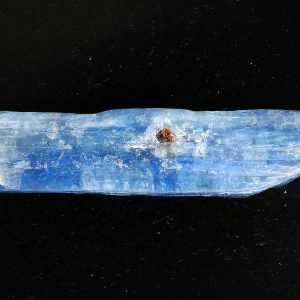
Blue Kyanite Mineral Specimen #18
$6.00 -
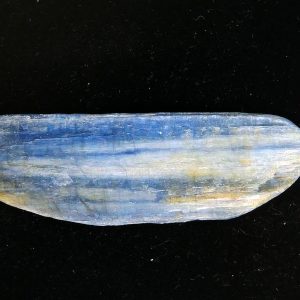
Blue Kyanite Mineral Specimen #19
$6.00 -
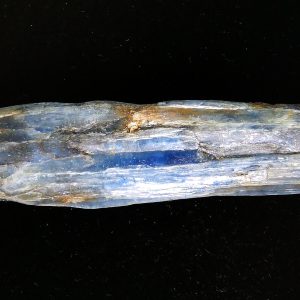
Blue Kyanite Mineral Specimen #2
$6.00
WHY SHOP WITH PREHISTORIC FOSSILS?
- Large Selection
- Great Prices and Great Selection
- Authenticity Guaranteed
- Satisfaction Guaranteed
- Your TRUSTED SOURCE for 25 years!
- Many more videos are available on our YouTube Channel
Minerals For Sale – Natural Mineral Specimens for Collectors
Minerals For Sale give collectors, students, and geology enthusiasts the opportunity to own remarkable examples of Earth’s natural geological history. Minerals occur naturally and have a defined chemical composition and an ordered atomic structure. Therefore, each mineral develops its own combination of color, crystal form, hardness, luster, cleavage, and other physical properties.
Scientists have recognized thousands of mineral species. However, collectors commonly encounter minerals such as quartz, calcite, fluorite, pyrite, feldspar, gypsum, garnet, and tourmaline. In addition, rare minerals from historic mines and unusual geological deposits can become highly desirable specimens.
How Minerals For Sale Form in Nature
Minerals For Sale originate through several natural geological processes. For example, many minerals crystallize as molten rock cools beneath or at Earth’s surface. Quartz and feldspar commonly form within igneous rocks through this process.
Hydrothermal Mineral Formation
Meanwhile, other minerals develop when hot, mineral-rich fluids move through cracks and cavities in rock. These hydrothermal solutions can produce beautiful crystals of quartz, fluorite, calcite, galena, and many other minerals. Consequently, historic mining districts often produce exceptional mineral specimens.
Evaporite and Metamorphic Minerals
Additionally, some minerals form when mineral-rich water evaporates. Gypsum and halite frequently develop in evaporite deposits. Other minerals form when existing rocks experience intense heat and pressure during metamorphism. As a result, geological conditions strongly influence which minerals occur in a specific region.
Why Collect Minerals For Sale?
Collecting Minerals For Sale combines science, natural history, and visual beauty. First, every genuine mineral specimen provides evidence of geological processes that occurred within Earth. Crystal shape, matrix material, associated minerals, and locality information can all help explain how a specimen formed.
Furthermore, minerals display an extraordinary range of natural colors. Amethyst may show deep purple tones, while malachite often displays vivid green banding. Fluorite can occur in purple, green, blue, yellow, or nearly colorless crystals. Likewise, metallic minerals such as pyrite can display bright reflective surfaces.
Crystal Shapes and Mineral Structure
Collectors also value natural crystal form. For instance, quartz commonly grows as six-sided prisms, while pyrite can develop nearly perfect cubes. Garnets often form complex dodecahedral crystals. Therefore, crystal structure can make each mineral specimen visually distinctive and scientifically interesting.
Natural and Polished Minerals For Sale
Minerals For Sale may include both natural and polished specimens. Natural specimens preserve their original crystal surfaces, matrix, and geological associations. Therefore, they often appeal strongly to mineral collectors, educators, and geology students.
Polished minerals offer a different type of beauty. Cutting and polishing can reveal colors, patterns, and internal structures that may remain hidden in rough material. Popular examples include mineral spheres, towers, slabs, cabochons, obelisks, and freeform specimens.
However, polishing changes only the surface and shape of the specimen. The underlying mineral remains the same natural geological material.
How to Choose Quality Minerals For Sale
When selecting Minerals For Sale, collectors should consider identification, locality, condition, crystal quality, mineral associations, and overall appearance. Accurate locality information can add both scientific and historical interest because mineral deposits vary greatly between regions.
Look for Accurate Mineral Identification
Reliable mineral sellers should provide clear identification whenever possible. In addition, locality information can help collectors understand the geological origin of a specimen. Good documentation also improves the educational value of a mineral collection.
Check for Treatments and Repairs
Moreover, collectors should examine specimens for repairs, coatings, dyes, stabilization, or other treatments. Natural damage does not necessarily reduce scientific interest. In fact, some specimens preserve unusual growth patterns, mineral combinations, or geological features that make them especially interesting.
Minerals For Sale from a Trusted Natural History Dealer
Experience matters when identifying and offering natural mineral specimens. At PrehistoricFossils.com, we have worked with fossils, minerals, crystals, meteorites, and other natural history specimens since 1997. We focus on clear identification, accurate descriptions, and specimens selected for their educational, decorative, and collectible value.
Because mineral specimens vary naturally, no two pieces are exactly alike. Color, crystal size, matrix, shape, and surface texture may differ from specimen to specimen. Therefore, these natural variations often add character and individuality to a collection.
Care and Display of Mineral Specimens
Finally, proper care helps protect Minerals For Sale after purchase. Some minerals can fade after prolonged exposure to strong sunlight. Others may react with moisture or dissolve in water. Therefore, collectors should learn the basic physical and chemical properties of each mineral before cleaning or displaying it.
Whether collected for scientific study, education, decoration, or personal enjoyment, natural minerals provide a direct connection to Earth’s geological history. From sparkling crystals to polished decorative specimens, Minerals For Sale can bring the beauty and diversity of the natural world into any collection.