
Cephalopod Fossils For Sale | Ammonites, Nautiloids & More
Cephalopod Fossils For Sale – Ancient Life from Prehistoric Seas
Cephalopod Fossils For Sale offer collectors a fascinating look at the long history of an important group of marine mollusks. Cephalopods include living squid, octopuses, cuttlefish, and nautiluses. However, many extinct cephalopods had hard shells that fossilized more easily than the soft bodies of their modern relatives.
Ancient Cephalopods and Their Fossil Record
Importantly, cephalopods have a fossil record that reaches back to the Late Cambrian, more than 480 million years ago. Over time, they became successful predators in ancient oceans. For example, ammonites developed coiled shells divided into chambers. Nautiloids also produced chambered shells, while belemnites had hard internal structures called guards.
Why Cephalopod Fossils Are Important
Moreover, cephalopod fossils help scientists study ancient marine environments. Because many ammonite species evolved quickly and spread across wide areas, paleontologists often use them to compare and date marine rock layers. Therefore, ammonites serve as valuable index fossils for many parts of the Mesozoic Era.
Identifying Fossil Cephalopods
In addition, fossil cephalopod shells may preserve detailed sutures, growth lines, chambers, and other features. These traits help paleontologists identify different groups and study their evolution through time.
Cephalopod Fossils for Collectors
Finally, cephalopod fossils range from small specimens to enormous ammonites. Today, their unusual shapes, scientific value, and long history make them popular with fossil collectors, museums, educators, and students around the world.
Cephalopod Fossils For Sale
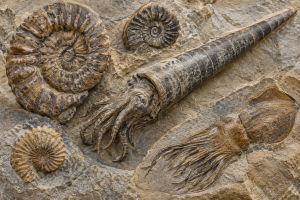
Showing 1–50 of 713 results
-
Sold out!
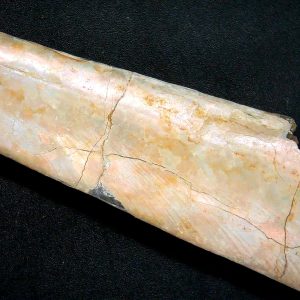
Baculites | Pierre Shale S. Dakota #1
$15.00 -
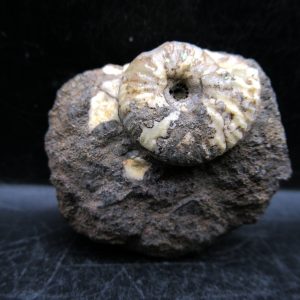
Craspedites Jurassic Russian Ammonite #10
$25.00 -
Craspedites Jurassic Russian Ammonite #12
$25.00 -
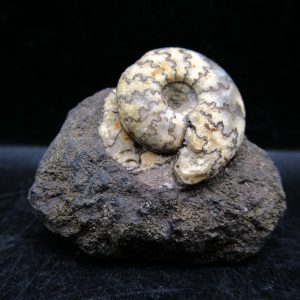
Craspedites Jurassic Russian Ammonite #13
$35.00 -
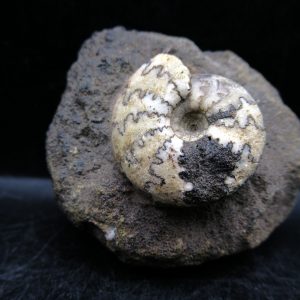
Craspedites Jurassic Russian Ammonite #14
$30.00 -
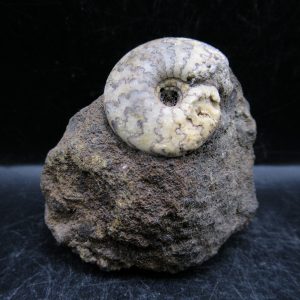
Craspedites Jurassic Russian Ammonite #15
$30.00 -
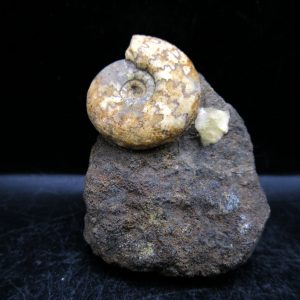
Craspedites Jurassic Russian Ammonite #17
$40.00 -
Sold out!
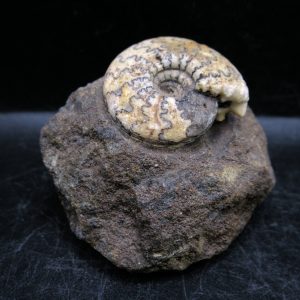
Craspedites Jurassic Russian Ammonite #20
$45.00 -
Sold out!
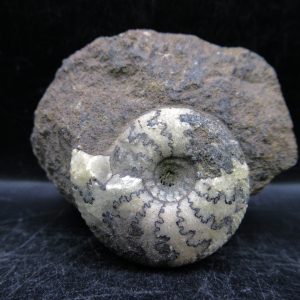
Craspedites Jurassic Russian Ammonite #23
$50.00 -
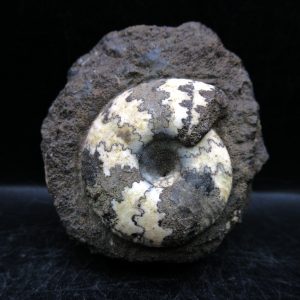
Craspedites Jurassic Russian Ammonite #26
$75.00 -
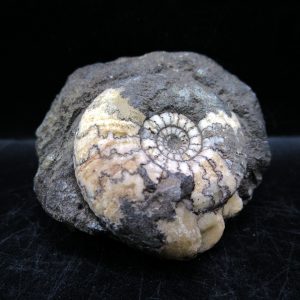
Craspedites Jurassic Russian Ammonite #30
$75.00 -
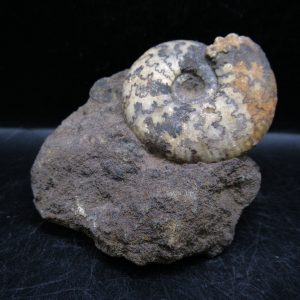
Craspedites Jurassic Russian Ammonite #31
$85.00 -
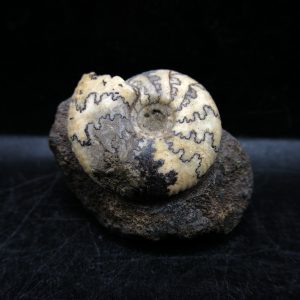
Craspedites Jurassic Russian Ammonite #5
$25.00 -
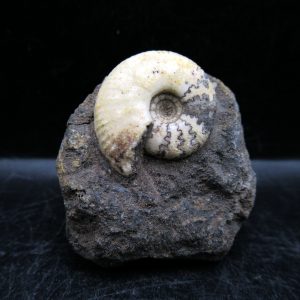
Craspedites Jurassic Russian Ammonite #9
$25.00 -

Hibolithes hastatus Jurassic German Belemnite For Sale #2
$55.00 -

Hibolithes hastatus Jurassic German Belemnite For Sale #3
$55.00 -

Hibolithes hastatus Jurassic German Belemnite For Sale #4
$55.00 -

Hibolithes hastatus Jurassic German Belemnite For Sale #5
$55.00 -
Sold out!

Hibolithes hastatus Jurassic German Belemnite For Sale #6
$55.00 -
Sold out!

Hibolithes hastatus Jurassic German Belemnite For Sale #7
$75.00 -

Hibolithes hastatus Jurassic German Belemnite For Sale #8
$125.00 -

Hoploscaphites Ammonite Fossil For Sale from Glendive Montana #4
$95.00 -

Hoploscaphites Ammonite Fossil For Sale from Glendive Montana #5
$95.00 -

Hoploscaphites Ammonite Fossil For Sale from Glendive Montana #6
$95.00 -
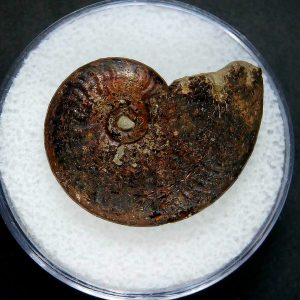
Jurassic Ammonite – Southern France #12
$7.50 -
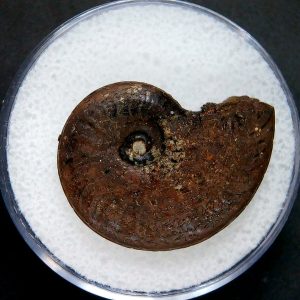
Jurassic Ammonite – Southern France #13
$7.50 -

Jurassic Ammonite – Southern France #17
$7.50 -
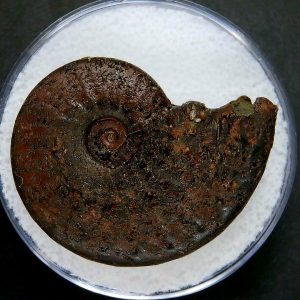
Jurassic Ammonite – Southern France #21
$7.50 -
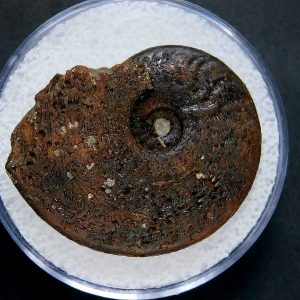
Jurassic Ammonite – Southern France #23
$7.50 -

Jurassic Ammonite – Southern France #26
$7.50 -

Jurassic Ammonite – Southern France #29
$7.50 -

Jurassic Ammonite – Southern France #30
$7.50 -
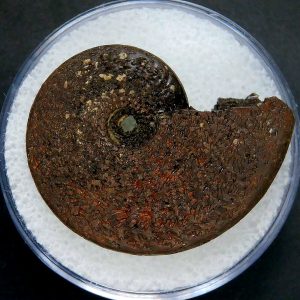
Jurassic Ammonite – Southern France #31
$7.50 -

Jurassic Ammonite – Southern France #33
$7.50 -
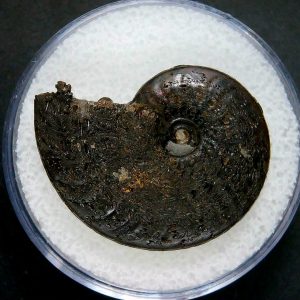
Jurassic Ammonite – Southern France #35
$7.50 -

Jurassic Ammonite – Southern France #37
$7.50 -
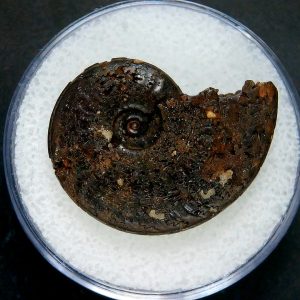
Jurassic Ammonite – Southern France #39
$7.50 -

Jurassic Ammonite – Southern France #42
$7.50 -
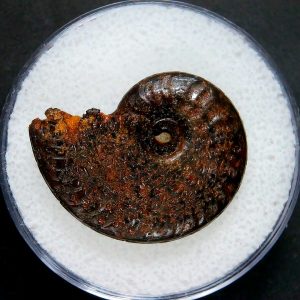
Jurassic Ammonite – Southern France #46
$7.50 -

Jurassic Ammonite – Southern France #47
$7.50 -
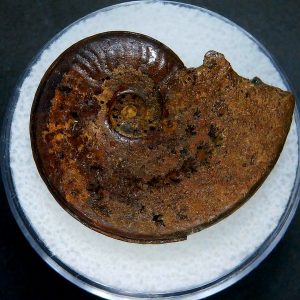
Jurassic Ammonite – Southern France #48
$7.50 -

Jurassic Ammonite – Southern France #5
$7.50 -

Jurassic Ammonite – Southern France #55
$4.00 -

Jurassic Ammonite – Southern France #59
$4.00 -

Jurassic Ammonite – Southern France #6
$7.50 -

Jurassic Ammonite – Southern France #60
$4.00 -

Jurassic Ammonite – Southern France #62
$4.00 -

Jurassic Ammonite – Southern France #63
$4.00 -

Jurassic Ammonite – Southern France #66
$4.00 -

Jurassic Ammonite – Southern France #67
$4.00
- Buy Fossils
- Fossils for Sale
- Large Selection
- Great Prices and Great Selection
- Authenticity Guaranteed
- Satisfaction Guaranteed
- Your TRUSTED SOURCE for over 25 years!
- Many more videos are available on our YouTube Channel.
Cephalopod Fossils For Sale – Ancient Life from Prehistoric Oceans
Cephalopod Fossils For Sale give collectors, educators, and natural history enthusiasts a direct connection to animals that lived in ancient oceans for hundreds of millions of years. Fossil cephalopods include ammonites, belemnites, nautiloids, and early coleoids. Their shells and internal structures help paleontologists study evolution, ancient marine environments, geological time, and major extinction events.
Today, scientists use cephalopod fossils in biostratigraphy, paleoecology, evolutionary biology, and paleoclimate research. In addition, their remarkable shells and varied forms make genuine cephalopod fossils popular with museums, schools, and private collectors.
What Are Cephalopods?
Cephalopod FossilsCephalopods belong to the mollusk class Cephalopoda. Modern members include octopuses, squid, cuttlefish, and nautiluses. However, ancient seas contained a much greater diversity of shelled cephalopods. Many developed chambered shells that provided buoyancy and protection.
Major Types of Fossil Cephalopods
- Ammonites – Extinct marine cephalopods famous for their coiled, chambered shells and often complex suture patterns.
- Belemnites – Squid-like cephalopods commonly preserved by their hard, bullet-shaped internal guards or rostra.
- Straight-Shelled Nautiloids – Early cephalopods with long chambered shells that became especially diverse during the Paleozoic Era.
- Ancient Coleoids – Early relatives of squid, octopuses, and cuttlefish. Their soft bodies rarely fossilized except under exceptional conditions.
Scientific Importance of Cephalopod Fossils
Cephalopod Fossils as Index Fossils
Ammonites evolved rapidly and spread through many ancient marine environments. Therefore, particular ammonite species can help geologists identify and correlate rock layers. Because many species existed for relatively short geological intervals, ammonites became especially useful index fossils in Mesozoic rocks.
As a result, paleontologists can use ammonite fossils to compare sedimentary formations from widely separated regions and establish relative geological ages.
Cephalopod Evolution
Cephalopod fossils record major evolutionary changes through deep time. Early forms developed chambered shells that helped control buoyancy. Later groups evolved increasingly varied shell shapes, complex swimming abilities, strong vision, and specialized feeding structures.
Meanwhile, some cephalopod lineages gradually reduced or internalized the shell. These evolutionary changes eventually produced soft-bodied forms related to modern squid and octopuses.
Cephalopod Fossils and Paleoclimate Research
Scientists can analyze chemical isotopes preserved in some fossil cephalopod shells and hard parts. For example, oxygen-isotope studies may provide clues about ancient seawater temperatures and environmental conditions.
However, researchers must consider fossil alteration, mineral composition, habitat, and other factors before interpreting these chemical signals.
Cephalopods and Mass Extinctions
Cephalopods survived several major extinction events during their long evolutionary history. However, ammonites disappeared during the Cretaceous-Paleogene extinction about 66 million years ago.
Their extinction, along with changes in many other marine and terrestrial groups, helps scientists investigate the ecological effects that followed the asteroid impact and related environmental disruptions.
How Cephalopod Fossils Form
Most ancient cephalopods lived in marine environments. After death, shells or hard internal structures could sink to the seafloor and become covered by sediment. Rapid burial increased the chance of fossil preservation.
Fossilization may involve several processes:
- Burial beneath sediment
- Mineral infilling or replacement
- Preservation inside concretions or fine sediment
- Compaction and lithification of the surrounding sediments
In rare environments with very low oxygen and rapid burial, soft tissues or body impressions can survive. Consequently, these exceptional fossils provide valuable details that shells alone cannot reveal.
Types of Cephalopod Fossils and Their Characteristics
Ammonite Fossils
Cephalopod Fossils For Sale
Ammonites are among the most recognized prehistoric marine fossils. Most possessed coiled shells divided into chambers. In addition, many species developed highly complex suture patterns where internal walls met the outer shell.
- Commonly have coiled, chambered shells
- Often display distinctive suture patterns
- Important fossils for Mesozoic biostratigraphy
- Found in marine deposits throughout the world
Belemnite Fossils
Belemnites were active marine predators related to modern coleoids. Although much of the animal was soft-bodied, many species possessed a durable internal guard called a rostrum. Consequently, these structures fossilized more readily than the rest of the animal.
- Usually recognized by a solid, elongated rostrum
- Common in many Jurassic and Cretaceous marine deposits
- Provide information about ancient marine ecosystems
- Useful in some oxygen-isotope paleoclimate studies
Straight-Shelled Nautiloid Fossils
Many early nautiloid cephalopods developed long, straight chambered shells. Collectors often use the commercial term “Orthoceras” for straight-shelled fossils, especially specimens from Morocco. However, not every straight-shelled nautiloid belongs to the genus Orthoceras.
- Long shells divided into repeated chambers
- Especially important in Paleozoic marine deposits
- Commonly preserved in limestone
- Popular for fossil displays and educational collections
Ancient Coleoid Fossils
Ancient coleoids include extinct relatives of modern squid, cuttlefish, and octopuses. Because soft tissue decays rapidly, complete fossils are uncommon. Nevertheless, exceptional fossil deposits can preserve body outlines, ink sacs, arms, and other delicate structures.
Important fossil sites containing exceptionally preserved cephalopods include the Solnhofen Limestone of Germany and other fine-grained marine deposits around the world.
Where Are Cephalopod Fossils Found?
Cephalopod fossils occur on nearly every continent because ancient seas once covered large portions of today’s land. However, fossil types vary according to geological age and local environment.
- Morocco – Paleozoic nautiloids and many ammonites
- Madagascar – Well-known Cretaceous ammonites
- Germany – Jurassic ammonites, belemnites, and exceptionally preserved cephalopods
- United States – Numerous Cretaceous ammonites and straight-shelled ammonoids, including fossils from Texas, South Dakota, and Montana
- United Kingdom – Famous Jurassic ammonite localities in Dorset and Yorkshire
Therefore, cephalopod fossils help document the location and character of ancient oceans and inland seas.
Cephalopod Fossils in Science and Education
Research Uses
Scientists study fossil cephalopods to examine evolutionary rates, marine biodiversity, ancient food webs, geological age, and environmental change. Furthermore, their widespread fossil record allows researchers to compare ancient marine ecosystems across continents.
Educational Uses
Cephalopod fossils provide excellent teaching tools for geology and paleontology. Students can examine chambered shells, growth patterns, sutures, and fossil preservation while learning about Earth’s changing oceans.
Cephalopod Fossils for Collectors
Cephalopod Fossils For Sale
Collectors value ammonites, nautiloids, belemnites, and other cephalopod fossils for both scientific and visual interest. Polished ammonites and fossil-bearing limestone can reveal beautiful natural patterns. However, unpolished specimens may preserve additional scientific details that preparation can remove.
Buying Genuine Cephalopod Fossils
When purchasing cephalopod fossils for sale, buyers should consider authenticity, locality, geological age, identification, preparation, and condition. Reliable fossil dealers should provide clear information about specimens whenever that information is available.
At Prehistoric Fossils, we specialize in genuine fossils and natural history specimens for collectors, educators, and enthusiasts. Our fossils are sold with identification information, and authenticity is guaranteed.
Cephalopod Fossils Connect Us with Ancient Oceans
Fossil cephalopods provide an extraordinary record of prehistoric marine life. From straight-shelled Paleozoic nautiloids to elaborate Mesozoic ammonites, these animals evolved into an amazing range of forms.
Ultimately, cephalopod fossils help scientists reconstruct ancient oceans, study evolution, recognize geological time intervals, and understand major extinction events. At the same time, genuine specimens allow collectors and students to hold a tangible piece of Earth’s deep history.
Buy Cephalopod Fossils from Prehistoric Fossils with Confidence
Explore genuine Cephalopod Fossils For Sale, including ammonites, nautiloids, and other prehistoric marine fossils selected for natural history collectors, educators, museums, and fossil enthusiasts.