
Dragonfly Fossils For Sale | Genuine Jurassic Fossils
Dragonfly Fossils For Sale – Jurassic Dragonflies: Ancient Hunters of the Air
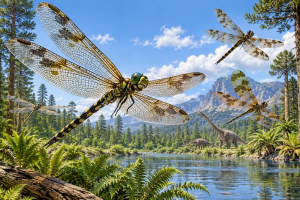
Dragonfly Fossils For Sale offer collectors a fascinating look at insects that lived alongside dinosaurs during the Jurassic Period, roughly 201 to 145 million years ago. During this time, dragonflies hunted above ancient lakes, rivers, wetlands, and forests. Although they looked similar to modern dragonflies, Jurassic species included several ancient groups within the larger dragonfly lineage, Odonata.
Jurassic Dragonfly Anatomy and Hunting
Like modern dragonflies, these ancient insects had two pairs of strong wings, large compound eyes, and powerful jaws. Therefore, they were effective aerial predators. They likely captured smaller insects while flying. In addition, their excellent vision helped them locate prey and avoid danger.
Jurassic Dragonfly Nymphs and Freshwater Habitats
Meanwhile, young dragonflies, called nymphs or naiads, lived in freshwater. They were also predators and probably ate small aquatic animals. As a result, dragonflies played an important role in both aquatic and land-based food webs.
How Jurassic Dragonfly Fossils Formed
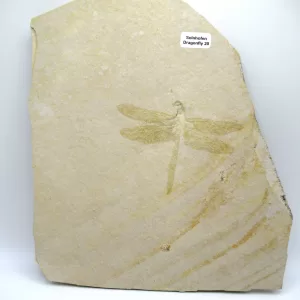
Fortunately, some Jurassic environments preserved delicate dragonfly fossils in fine-grained sediment. Famous fossil deposits in Europe and Asia have produced detailed wings and, in rare cases, nearly complete bodies. Because wing veins often preserve clearly, paleontologists can compare their patterns and identify extinct dragonfly groups.
Why Dragonfly Fossils Are Important
Today, Jurassic dragonfly fossils help scientists study insect evolution and ancient ecosystems. Furthermore, their familiar body design shows that successful dragonfly adaptations developed very early and remained effective for millions of years. For collectors, Dragonfly Fossils For Sale provide a remarkable connection to the prehistoric insects that shared the Jurassic world with dinosaurs.
Showing all 6 resultsSorted by price: high to low


- Buy Fossils
- Fossils for Sale
- Large Selection
- Great Prices and Great Selection
- Authenticity Guaranteed
- Satisfaction Guaranteed
- Your TRUSTED SOURCE for over 25 years!
- Many more videos are available on our YouTube Channel.
Dragonfly Fossils For Sale offer collectors and fossil enthusiasts a remarkable look at the long evolutionary history of flying insects. Fossil dragonflies and their ancient dragonfly-like relatives preserve delicate wings, detailed venation, and sometimes complete bodies. These specimens help scientists study insect evolution, prehistoric ecosystems, atmospheric conditions, and the development of powered flight.
Fossil Dragonflies: Ancient Hunters of the Prehistoric Skies
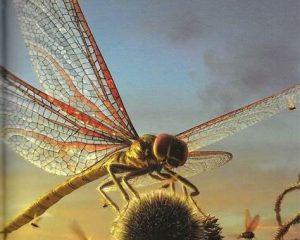
Dragonfly Fossils for Sale. Dragonfly-like insects have occupied Earth’s skies for hundreds of millions of years. Some of the most famous prehistoric forms grew far larger than living dragonflies. However, many of these giant Paleozoic insects were not true dragonflies. Instead, they belonged to an extinct group called Meganisoptera, formerly known as Protodonata.
Today, fossil dragonflies provide valuable evidence about ancient biodiversity, insect anatomy, climate, and evolutionary change. Because delicate insect bodies rarely fossilize, well-preserved specimens are especially important to paleontologists and collectors.
What Are Fossil Dragonflies?
Fossil dragonflies are preserved remains, impressions, or compression fossils of ancient insects related to modern dragonflies and damselflies. Depending on their age, specimens may represent true Odonata or more primitive dragonfly-like groups such as Meganisoptera.
Key Characteristics of Fossil Dragonflies
- Highly detailed wing venation
- Long, narrow wings designed for active flight
- Large compound eyes in many well-preserved forms
- Predatory mouthparts adapted for capturing prey
- Long, segmented bodies
- Excellent preservation in fine-grained sedimentary rocks
True Dragonflies vs. Giant Meganisopterans
| Feature | True Dragonflies and Relatives | Giant Meganisopterans |
|---|---|---|
| Geologic Range | Late Paleozoic to Present | Carboniferous to Permian |
| Typical Wingspan | Usually much smaller than giant Paleozoic forms | Some exceeded 60 cm |
| Flight | Highly maneuverable aerial predators | Powerful flying predators |
| Ecology | Aquatic juveniles and aerial adults | Predatory lifestyle; juvenile ecology is less certain |
Meganeura: The Famous Giant Dragonfly-Like Insect
Meganeura monyi of the Carboniferous
Meganeura monyi is one of the best-known giant prehistoric insects. Scientists described fossils of this remarkable animal from Late Carboniferous deposits in France during the 19th century. Although people commonly call Meganeura a giant dragonfly, it belonged to Meganisoptera rather than the modern dragonfly group.
Meganeura Fast Facts
- Age: Approximately 300 million years old
- Geologic Period: Late Carboniferous
- Wingspan: Roughly 65–70 centimeters in the largest estimates
- Diet: Other insects and small airborne prey
- Lifestyle: Active aerial predator
Its enormous size has made Meganeura an important example in discussions about prehistoric insect gigantism.
Why Were Prehistoric Dragonfly-Like Insects So Large?
Higher Atmospheric Oxygen
During parts of the Carboniferous and Permian periods, atmospheric oxygen levels were significantly higher than today. Because insects breathe through a network of tubes called tracheae, increased oxygen availability may have helped some species reach unusually large sizes.
Different Prehistoric Ecosystems
Early terrestrial ecosystems lacked many of the flying vertebrate predators that appeared later in Earth’s history. Birds and bats had not yet evolved, while pterosaurs would not appear until much later. Therefore, giant predatory insects occupied ecological roles that differ from those seen today.
Warm, Productive Habitats
Extensive Carboniferous wetlands supported rich communities of plants, arthropods, amphibians, and other organisms. These productive ecosystems provided abundant prey and suitable habitats for large predatory insects.
Where Are Dragonfly Fossils Found?
Dragonfly fossils occur in several important fossil deposits around the world. Fine-grained sediments are especially good at preserving delicate wings and detailed venation.
Important Dragonfly Fossil Locations
- Commentry, France: Famous for giant Carboniferous insects including Meganeura
- Mazon Creek, Illinois: Known for exceptionally preserved Carboniferous plants and animals
- Solnhofen Limestone, Germany: Famous for detailed Late Jurassic fossils, including insects
- China: Numerous Mesozoic fossil deposits preserve diverse insects and dragonfly relatives
- Australia: Several deposits have produced fossil odonates and related insects
Because complete insect fossils are uncommon, specimens with well-preserved bodies and wings can be especially desirable for research, education, and private collections.
Anatomy of Prehistoric Dragonflies
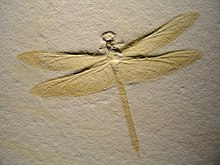
Wings
Dragonfly fossils often preserve an intricate network of wing veins. Paleontologists use these patterns to compare species and classify extinct groups. Wing venation is especially important because other parts of the insect may not survive fossilization.
Compound Eyes
Modern dragonflies have exceptionally large compound eyes that provide a broad field of vision. Fossil evidence suggests that many ancient dragonfly-like predators also relied heavily on vision while hunting.
Predatory Mouthparts
Dragonflies and their prehistoric relatives possessed strong mouthparts adapted for feeding on other animals. Their anatomy supports the interpretation that they were active predators rather than plant feeders.
Thorax and Flight Muscles
The thorax supported the wings and contained the muscles needed for flight. This body design allowed dragonflies and related insects to become highly successful aerial hunters.
Why Dragonfly Fossils Are Important to Paleontology
Fossil dragonflies help researchers study major changes in insect evolution and ancient environments. Their fossils can reveal information that extends far beyond the insects themselves.
What Scientists Learn From Dragonfly Fossils
- How insect flight evolved and diversified
- How prehistoric food webs functioned
- How oxygen levels may have influenced insect body size
- How wing structures changed through geologic time
- How ancient freshwater and terrestrial ecosystems developed
Because insect soft tissues rarely fossilize, researchers often rely on preserved wings, body impressions, and venation patterns for identification and classification.
Modern Dragonflies and Their Ancient Relatives

Modern dragonflies belong to the order Odonata, which also includes damselflies. Although the giant Meganisoptera disappeared by the end of the Paleozoic Era, living dragonflies retain a highly successful predatory body plan.
Features Shared With Ancient Forms
- Powerful aerial predation
- Two pairs of membranous wings
- Large compound eyes
- Strong mouthparts
- Long, segmented abdomens
Modern dragonflies are generally much smaller than the largest Paleozoic forms. Nevertheless, their basic anatomy reflects hundreds of millions of years of successful insect evolution.
Dragonfly Fossils For Sale to Collectors
Dragonfly Fossils For Sale can range from isolated wings and partial impressions to rare, nearly complete insects. Collectors value these fossils for their fine detail, scientific interest, beauty, and connection to ancient ecosystems.
Why Collectors Value Fossil Dragonflies
- Delicate and attractive wing patterns
- Scientific and educational importance
- Limited preservation potential
- Wide range of geologic ages and localities
- Connection to the evolution of insect flight
Buying Authentic Dragonfly Fossils
When purchasing a fossil dragonfly, choose an experienced and reputable fossil dealer. Provenance is important, so collectors should look for specimens with accurate locality, geologic age, and identification information whenever possible.
Prehistoric Fossils has supplied genuine fossils, minerals, meteorites, and natural-history specimens to collectors since 1997. Specimens are sold with identification information when available, helping collectors understand the scientific context of their purchase.
Ethical Fossil Collecting
Responsible fossil collecting protects important scientific information and helps preserve paleontological resources for future generations. Buyers should verify that specimens were collected and exported legally and should avoid fossils with questionable provenance.
Tips for Responsible Collectors
- Buy from established fossil dealers
- Request locality and formation information when available
- Learn the laws governing fossils from the country of origin
- Avoid specimens that may have been illegally exported
- Preserve identification labels and provenance records
Frequently Asked Questions About Fossil Dragonflies
How big were prehistoric dragonflies?
Some giant dragonfly-like insects reached wingspans of approximately 65 to 70 centimeters. However, these insects belonged to Meganisoptera rather than the modern dragonfly lineage.
Is Meganeura a true dragonfly?
No. Although Meganeura looked similar to a dragonfly and is often called a giant dragonfly, paleontologists classify it within the extinct Meganisoptera.
Why were ancient insects so large?
Several factors probably contributed to insect gigantism. Higher atmospheric oxygen is one important explanation, while ecology, climate, predator pressure, and evolutionary history may also have played roles.
Are dragonfly fossils rare?
Complete dragonfly fossils can be uncommon because insects have delicate bodies that decay and break apart easily. Exceptional preservation usually requires rapid burial in fine sediment under favorable environmental conditions.
Where can collectors buy authentic dragonfly fossils?
Collectors should purchase specimens from reputable fossil dealers that provide accurate identification and locality information whenever possible. Prehistoric Fossils offers genuine fossils for collectors and educational use through prehistoricfossils.com.
Conclusion: Dragonfly Fossils Preserve an Ancient Story of Flight
Dragonfly Fossils For Sale connect collectors with one of the longest histories of aerial predation in the insect world. From giant Carboniferous Meganisoptera to more modern-looking Jurassic and Cretaceous dragonflies, these fossils reveal how insects adapted, diversified, and dominated the skies across immense spans of geologic time.
For paleontologists, dragonfly fossils provide evidence about insect evolution, prehistoric climates, atmospheric conditions, and ancient ecosystems. For collectors, they offer a beautiful and scientifically important connection to life that existed millions of years before humans appeared.
Dragonfly Fossils For Sale