
Fossil Ammonites For Sale | Authentic Ammonite Fossils
Fossil Ammonites For Sale – Ammonites: Ancient Marine Life and Fossils
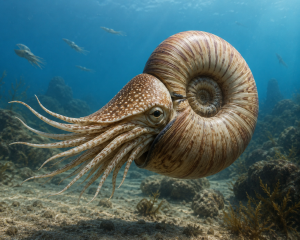
Fossil Ammonites For Sale – Ammonites were an extinct group of marine mollusks that lived in ancient oceans for hundreds of millions of years. They first appeared during the Devonian Period, more than 400 million years ago. However, they became especially abundant during the Jurassic and Cretaceous periods. Finally, ammonites disappeared during the mass extinction at the end of the Cretaceous Period, about 66 million years ago.
What Were Ammonites?
Fossil Ammonites For Sale. Ammonites belonged to the class Cephalopoda. Therefore, they were relatives of modern squid, octopuses, cuttlefish, and nautiluses. Most ammonites had tightly coiled shells divided into separate chambers. As the animal grew, it created larger chambers and lived in the outermost one. Meanwhile, the older chambers helped the ammonite control its buoyancy in the water.
Why Are Ammonite Fossils Important?
Because ammonites evolved rapidly and lived across wide geographic areas, ammonite fossils help scientists determine the relative ages of marine rock layers. Consequently, paleontologists often use certain ammonite species as important index fossils. These fossils help researchers compare rock formations and better understand Earth’s geologic history.
Ammonite Shell Sizes and Shapes
Ammonites came in many sizes and shell shapes. Some remained quite small, while others grew more than six feet across. In addition, many species developed distinctive ribs, nodes, and complex suture patterns. These features can help paleontologists identify and classify different types of ammonites.
What Ammonite Fossils Tell Us About Prehistoric Oceans
Today, ammonite fossils occur in marine sedimentary rocks around the world. As a result, they provide valuable evidence about ancient oceans, evolution, extinction events, and prehistoric marine ecosystems. Their distinctive shells and long fossil record also make ammonites popular with fossil collectors, museums, educators, and anyone interested in prehistoric life. We have Fossil Ammonites For Sale
Showing 1–50 of 657 results
-
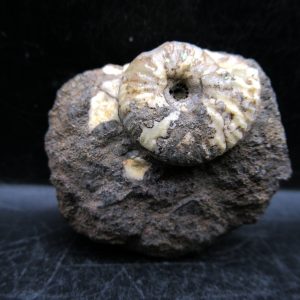
Craspedites Jurassic Russian Ammonite #10
$25.00 -
Craspedites Jurassic Russian Ammonite #12
$25.00 -
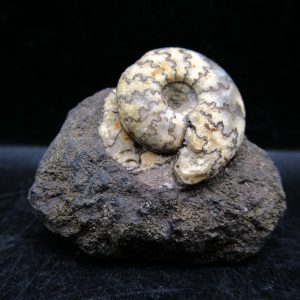
Craspedites Jurassic Russian Ammonite #13
$35.00 -
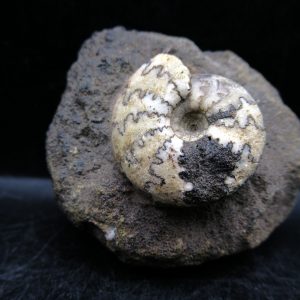
Craspedites Jurassic Russian Ammonite #14
$30.00 -
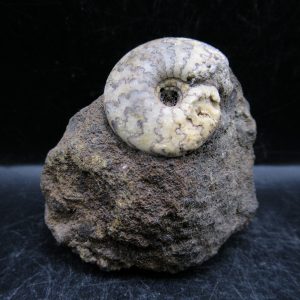
Craspedites Jurassic Russian Ammonite #15
$30.00 -
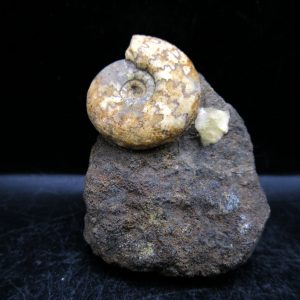
Craspedites Jurassic Russian Ammonite #17
$40.00 -
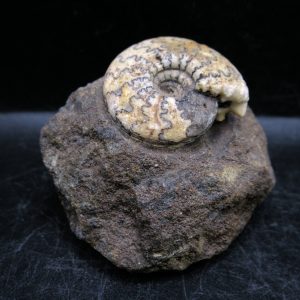
Craspedites Jurassic Russian Ammonite #20
$45.00 -
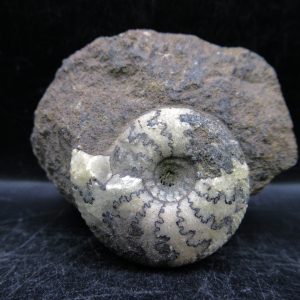
Craspedites Jurassic Russian Ammonite #23
$50.00 -
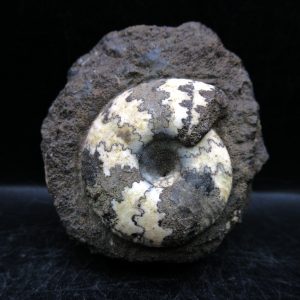
Craspedites Jurassic Russian Ammonite #26
$75.00 -
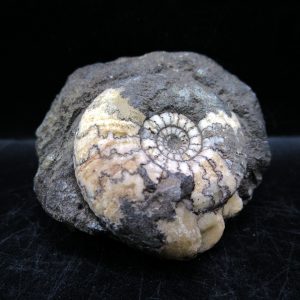
Craspedites Jurassic Russian Ammonite #30
$75.00 -
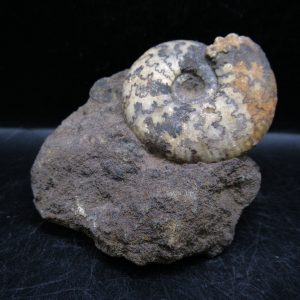
Craspedites Jurassic Russian Ammonite #31
$85.00 -
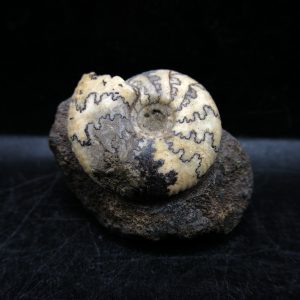
Craspedites Jurassic Russian Ammonite #5
$25.00 -
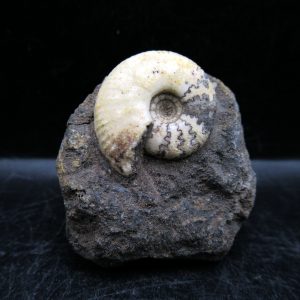
Craspedites Jurassic Russian Ammonite #9
$25.00 -

Hoploscaphites Ammonite Fossil For Sale from Glendive Montana #4
$95.00 -

Hoploscaphites Ammonite Fossil For Sale from Glendive Montana #5
$95.00 -

Hoploscaphites Ammonite Fossil For Sale from Glendive Montana #6
$95.00 -
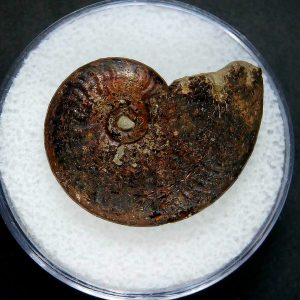
Jurassic Ammonite – Southern France #12
$7.50 -
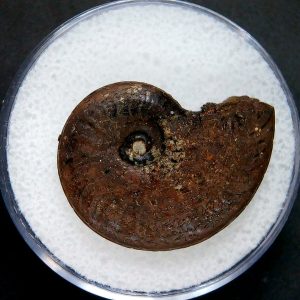
Jurassic Ammonite – Southern France #13
$7.50 -

Jurassic Ammonite – Southern France #17
$7.50 -
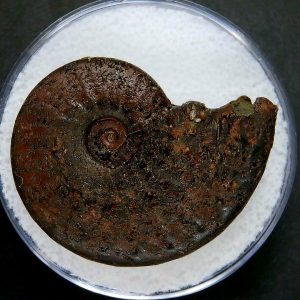
Jurassic Ammonite – Southern France #21
$7.50 -
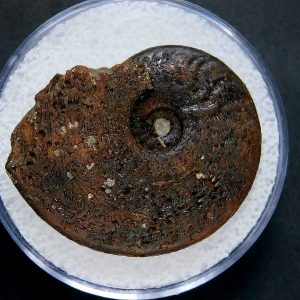
Jurassic Ammonite – Southern France #23
$7.50 -

Jurassic Ammonite – Southern France #26
$7.50 -

Jurassic Ammonite – Southern France #29
$7.50 -

Jurassic Ammonite – Southern France #30
$7.50 -
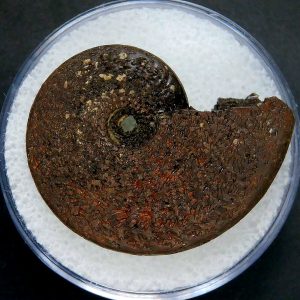
Jurassic Ammonite – Southern France #31
$7.50 -

Jurassic Ammonite – Southern France #33
$7.50 -
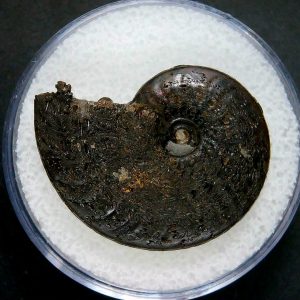
Jurassic Ammonite – Southern France #35
$7.50 -

Jurassic Ammonite – Southern France #37
$7.50 -
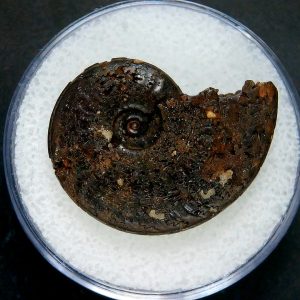
Jurassic Ammonite – Southern France #39
$7.50 -

Jurassic Ammonite – Southern France #42
$7.50 -
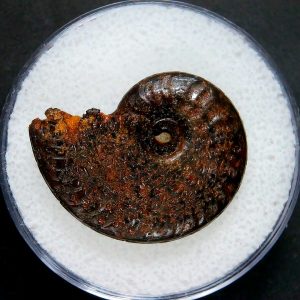
Jurassic Ammonite – Southern France #46
$7.50 -

Jurassic Ammonite – Southern France #47
$7.50 -
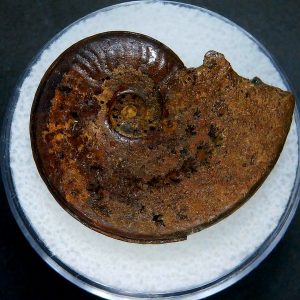
Jurassic Ammonite – Southern France #48
$7.50 -

Jurassic Ammonite – Southern France #5
$7.50 -

Jurassic Ammonite – Southern France #55
$4.00 -

Jurassic Ammonite – Southern France #59
$4.00 -

Jurassic Ammonite – Southern France #6
$7.50 -

Jurassic Ammonite – Southern France #60
$4.00 -

Jurassic Ammonite – Southern France #62
$4.00 -

Jurassic Ammonite – Southern France #63
$4.00 -

Jurassic Ammonite – Southern France #66
$4.00 -

Jurassic Ammonite – Southern France #67
$4.00 -

Jurassic Ammonite – Southern France #68
$4.00 -

Jurassic Ammonite – Southern France #70
$4.00 -

Jurassic Ammonite – Southern France #71
$4.00 -
Jurassic Ammonite – Southern France #73
$4.00 -

Jurassic Ammonite – Southern France #75
$4.00 -

Jurassic Ammonite – Southern France #76
$4.00 -

Jurassic Ammonite – Southern France #78
$4.00 -

Jurassic Ammonite – Southern France #79
$4.00
- Buy Fossils
- Fossils for Sale
- Large Selection
- Great Prices and Great Selection
- Authenticity Guaranteed
- Satisfaction Guaranteed
- Your TRUSTED SOURCE for over 25 years!
- Many more videos are available on our YouTube Channel.
Fossil Ammonites For Sale
Ammonites: Ancient Marine Icons of Evolution, Extinction, and Earth’s Geological History
Overview of Ammonites
Fossil Ammonites For Sale. Ammonites were an extinct and highly diverse group of marine cephalopods that lived in Earth’s oceans for hundreds of millions of years. Ammonoids first appeared during the Devonian Period, more than 400 million years ago, while the last ammonites disappeared during the Cretaceous–Paleogene (K–Pg) mass extinction about 66 million years ago.
Because many ammonite species evolved rapidly, became abundant, and occupied broad geographic ranges, their fossils provide valuable tools for biostratigraphy. Paleontologists and geologists use particular ammonite species and assemblages as index fossils to determine the relative ages of marine sedimentary rocks and correlate rock formations across different regions.
This educational guide summarizes established paleontological and geological research to explain ammonite evolution, anatomy, ecology, fossilization, extinction, and scientific importance.
What Are Ammonites?
Ammonite Evolution and Classification
Ammonites belong to Ammonoidea, an extinct subclass within Cephalopoda. Therefore, they belong to the same larger mollusk group as modern squid, octopuses, cuttlefish, and nautiluses. They were also related to other extinct cephalopods, including belemnites.
Ammonoids originated from earlier externally shelled cephalopods, with their evolutionary ancestry generally traced through forms related to bactritoids. Over millions of years, ammonoids diversified into an extraordinary variety of shell shapes and sizes.
Ammonite Anatomy and Shell Structure
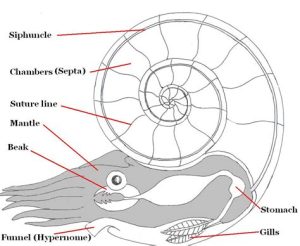
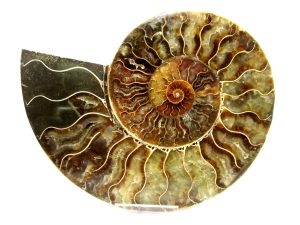
Ammonites are famous for their typically planispirally coiled shells. Inside, walls called septa divided the shell into a series of chambers, or camerae. The living animal occupied the final and largest section, known as the body chamber.
Older chambers formed part of the ammonite’s buoyancy system. A tube called the siphuncle passed through the chambers and helped regulate fluids and gases. As a result, the animal could maintain buoyancy while moving through the water.
Important ammonite shell features include:
- Sutures: Lines formed where the internal septa met the outer shell wall.
- Aperture: The shell opening through which the animal’s soft body extended.
- Ribs: Raised shell ornamentation that varied greatly among species.
- Keel: A ridge along the outer shell margin present in some ammonites.
Ammonite Suture Patterns
Ammonoid groups developed several characteristic types of suture patterns. Earlier forms commonly displayed relatively simple goniatitic sutures, while later groups developed increasingly elaborate ceratitic and ammonitic patterns.
Scientists have proposed several explanations for this increasing complexity, including relationships to shell strength, growth, and mechanical performance. However, researchers continue to study exactly why highly complex ammonitic sutures evolved.
How Did Ammonites Live?
Ammonite Habitat and Global Distribution
Ammonites lived exclusively in marine environments and occurred across much of the world’s ancient oceans. Different species occupied environments ranging from continental shelves and shallow seas to more offshore settings.
Consequently, ammonite fossils occur on several continents and provide scientists with important evidence about ancient marine environments and the distribution of prehistoric seas.
What Did Ammonites Eat?
Scientists continue to investigate ammonite feeding behavior because soft tissues rarely fossilize. However, exceptionally preserved mouthparts and digestive remains provide valuable clues.
Depending on the species, ammonites may have consumed:
- Small crustaceans
- Planktonic organisms
- Other small marine animals
- Organic material suspended in the water
Importantly, ammonites were highly diverse. Therefore, scientists should not assume that every species followed the same feeding strategy or occupied the same ecological niche.
Ammonite Reproduction and Early Life
Direct evidence of ammonite reproduction remains limited. Nevertheless, their biology and fossil record suggest that many produced numerous small offspring. Juvenile ammonites likely spent at least part of their early lives in the water column.
Small, widely dispersed young may have helped ammonites spread rapidly through marine environments. At the same time, this reproductive strategy may have made them especially vulnerable to major disruptions in surface-ocean ecosystems.
How Are Ammonite Fossils Formed and Preserved?
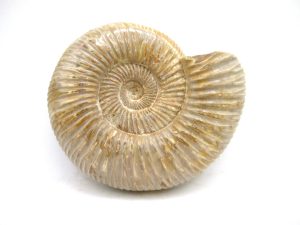
After an ammonite died, its shell could sink to the seafloor and become buried by sediment. Over time, minerals, sediment, pressure, and chemical processes could preserve or replace portions of the shell. Therefore, ammonite fossils occur in several different forms.
Common Types of Ammonite Fossil Preservation
- Original shell material: Portions of the original shell may survive under favorable conditions.
- Internal molds or steinkerns: Sediment fills the shell and later hardens after the shell dissolves.
- Mineral replacement: Minerals may replace or coat the original shell material.
- Pyritized ammonites: Pyrite can produce a distinctive metallic or golden appearance.
- Opalized ammonites: Rare Australian specimens may preserve brilliant precious opal.
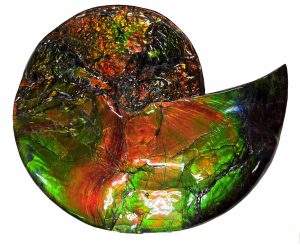
- Ammolite: Iridescent ammonite shell material, particularly from western North America, can produce gem-quality material.
Why Are Ammonites Important Index Fossils?
Ammonites are among the most useful index fossils for dating Mesozoic marine rocks. Many species evolved rapidly, existed for relatively short geological intervals, and spread across large marine regions.
As a result, geologists can identify particular ammonite species or assemblages and compare them with fossils from other rock formations. This process helps establish relative ages and correlate sedimentary layers across great distances.
How Ammonite Fossils Help Geologists
Ammonite biostratigraphy can help scientists:
- Date and correlate marine sedimentary rock layers.
- Recognize specific intervals of geological time.
- Compare rock formations across different geographic regions.
- Study changes in ancient marine ecosystems.
- Investigate major environmental and oceanographic events.
For this reason, ammonite biozones have played an especially important role in refining the geological timelines of many Jurassic and Cretaceous marine deposits.
Why Did Ammonites Become Extinct?
Ammonites survived several major environmental crises during their long evolutionary history. However, they finally disappeared at the end of the Cretaceous Period approximately 66 million years ago.
The extinction coincided with the K–Pg mass extinction, which also eliminated non-avian dinosaurs and many other organisms.
Possible Causes of Ammonite Extinction
The Chicxulub asteroid impact triggered severe global environmental changes. These changes likely disrupted photosynthesis, altered ocean chemistry, and damaged marine food webs.
Ammonites may have been particularly vulnerable because their small early life stages depended heavily on plankton-rich surface waters. However, their extinction resulted from a complex ecological crisis rather than a single simple cause.
Why Are Ammonite Fossils Important to Science?
Ammonites and Paleoclimate Research
The chemistry of well-preserved ammonite shells can provide information about ancient oceans. For example, researchers analyze stable isotopes and other geochemical signals to investigate prehistoric seawater temperatures, marine environments, and changes in ocean chemistry.
Ammonites and Evolutionary Research
Because ammonites produced an extensive fossil record and evolved many distinctive shell forms, scientists use them to investigate evolution, extinction, shell development, morphological change, and biodiversity.
Their intricate suture patterns and shell geometry also provide useful subjects for research into biological growth and the mechanical properties of shells.
Ammonites in Education, Jewelry, and Industry
Beyond paleontology, ammonites have long attracted interest from museums, educators, fossil collectors, and the jewelry industry. Ammolite, for example, is valued for its brilliant iridescent colors and can be cut and polished for jewelry.
Ammonite biostratigraphy has also contributed to geological exploration by helping geologists correlate sedimentary formations, including strata associated with petroleum-bearing basins.
Frequently Asked Questions About Ammonites
Are Ammonites Dinosaurs?
No. Ammonites were marine cephalopod mollusks, not dinosaurs. However, many ammonites lived during the Mesozoic Era alongside dinosaurs.
What Do Ammonite Fossils Tell Scientists?
Ammonite fossils can help scientists determine the relative ages of rocks, correlate geological formations, reconstruct ancient marine environments, and study patterns of evolution and extinction.
How Old Are Ammonite Fossils?
Ammonoids existed for hundreds of millions of years. Many of the ammonite fossils familiar to collectors come from the Jurassic and Cretaceous periods, roughly 201 to 66 million years ago, although ammonoid history extends much farther back in time.
Where Are Ammonite Fossils Found?
Ammonite fossils are found worldwide in marine sedimentary rocks. Important fossil-producing regions occur throughout Europe, North America, Africa, Asia, Australia, and Madagascar.
Why Are Ammonite Fossils So Common?
Ammonites were abundant and widespread marine animals, and their mineralized shells had a better chance of entering the fossil record than soft-bodied organisms. In addition, ammonites existed for an exceptionally long span of geological time and diversified into thousands of species.
Are Ammonite Fossils Valuable?
The value of an ammonite fossil depends on factors such as species, size, completeness, preservation, preparation quality, rarity, locality, and appearance. Common specimens can be affordable, while exceptional, rare, opalized, or gem-quality ammonites may command much higher prices.
Buy Authentic Ammonite Fossils with Confidence
Ammonites provide a remarkable connection to Earth’s prehistoric oceans. Whether studied for their scientific importance or collected for their natural beauty, these fossils preserve evidence of marine ecosystems that existed millions of years before humans appeared.
Buy fossils from Prehistoric Fossils with confidence. Your Trusted Source Since 1997. Authenticity Guaranteed.
“`