
Oreodont Fossils For Sale | Genuine Merycoidodon Fossils
Oreodont Fossils For Sale: Ancient Mammals of North America
Oreodont Fossils For Sale give collectors, educators, and fossil enthusiasts a direct look at one of the most common prehistoric mammals of ancient North America. Oreodonts were plant-eating mammals that belonged to the extinct family Merycoidodontidae. Although their name means “mountain teeth,” they were not closely related to modern sheep or pigs. Instead, they formed their own distinctive branch of even-toed hoofed mammals.
What Did Oreodonts Look Like?
Most oreodonts had sturdy bodies, relatively short legs, and elongated skulls. In addition, many species developed large canine teeth. Their cheek teeth helped them process vegetation. Depending on the species, oreodonts ranged from fairly small mammals to forms larger than a modern sheep.
Oreodonts likely ate leaves, shoots, and other available plant material. However, paleontologists continue to study their teeth, skulls, and skeletons to better understand their diets, habitats, and behavior.
Where Are Oreodont Fossils Found?
Oreodont Fossils For Sale often come from fossil-rich deposits in western and central North America. In particular, the White River Group of South Dakota, Nebraska, Wyoming, and nearby areas has produced large numbers of oreodont fossils. These rock layers preserve ancient environments from the late Eocene and Oligocene epochs.
Furthermore, the genus Merycoidodon ranks among the best-known oreodonts from Oligocene deposits. Fossil discoveries include skulls, jaws, teeth, and isolated bones.
Why Collect Oreodont Fossils?
Genuine Oreodont Fossils For Sale provide an affordable and educational way to study prehistoric mammals. Moreover, their rich fossil record allows collectors to find everything from individual teeth and jaw sections to impressive skulls. As a result, oreodont fossils make excellent additions to fossil collections, classroom displays, museums, and natural history exhibits.
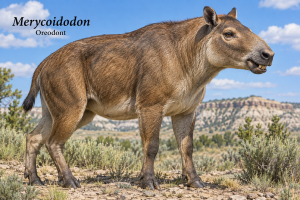
Showing all 43 results
-

Merycoidodon culbertsoni Oreodont Jaw Section with Tooth for Sale #1
$10.00 -

Merycoidodon culbertsoni Oreodont Jaw Section with Tooth for Sale #10
$10.00 -

Merycoidodon culbertsoni Oreodont Jaw Section with Tooth for Sale #11
$10.00 -

Merycoidodon culbertsoni Oreodont Jaw Section with Tooth for Sale #12
$10.00 -

Merycoidodon culbertsoni Oreodont Jaw Section with Tooth for Sale #13
$10.00 -

Merycoidodon culbertsoni Oreodont Jaw Section with Tooth for Sale #14
$10.00 -

Merycoidodon culbertsoni Oreodont Jaw Section with Tooth for Sale #15
$10.00 -

Merycoidodon culbertsoni Oreodont Jaw Section with Tooth for Sale #16
$10.00 -

Merycoidodon culbertsoni Oreodont Jaw Section with Tooth for Sale #17
$10.00 -
Sold out!

Merycoidodon culbertsoni Oreodont Jaw Section with Tooth for Sale #18
$10.00 -

Merycoidodon culbertsoni Oreodont Jaw Section with Tooth for Sale #19
$10.00 -

Merycoidodon culbertsoni Oreodont Jaw Section with Tooth for Sale #2
$10.00 -

Merycoidodon culbertsoni Oreodont Jaw Section with Tooth for Sale #20
$10.00 -

Merycoidodon culbertsoni Oreodont Jaw Section with Tooth for Sale #21
$10.00 -

Merycoidodon culbertsoni Oreodont Jaw Section with Tooth for Sale #22
$10.00 -

Merycoidodon culbertsoni Oreodont Jaw Section with Tooth for Sale #23
$10.00 -

Merycoidodon culbertsoni Oreodont Jaw Section with Tooth for Sale #24
$10.00 -

Merycoidodon culbertsoni Oreodont Jaw Section with Tooth for Sale #25
$10.00 -

Merycoidodon culbertsoni Oreodont Jaw Section with Tooth for Sale #26
$10.00 -

Merycoidodon culbertsoni Oreodont Jaw Section with Tooth for Sale #27
$10.00 -

Merycoidodon culbertsoni Oreodont Jaw Section with Tooth for Sale #28
$20.00 -

Merycoidodon culbertsoni Oreodont Jaw Section with Tooth for Sale #29
$20.00 -

Merycoidodon culbertsoni Oreodont Jaw Section with Tooth for Sale #3
$10.00 -

Merycoidodon culbertsoni Oreodont Jaw Section with Tooth for Sale #30
$20.00 -

Merycoidodon culbertsoni Oreodont Jaw Section with Tooth for Sale #4
$20.00 -

Merycoidodon culbertsoni Oreodont Jaw Section with Tooth for Sale #5
$10.00 -

Merycoidodon culbertsoni Oreodont Jaw Section with Tooth for Sale #6
$10.00 -

Merycoidodon culbertsoni Oreodont Jaw Section with Tooth for Sale #7
$10.00 -

Merycoidodon culbertsoni Oreodont Jaw Section with Tooth for Sale #8
$10.00 -

Merycoidodon culbertsoni Oreodont Jaw Section with Tooth for Sale #9
$10.00 -

Oreodont Skull for Sale #19
$150.00 -

Oreodont Skull for Sale #22
$115.00 -

Oreodont Skull for Sale #24
$150.00 -

Oreodont Skull for Sale #27
$100.00 -

Oreodont Skull for Sale #29
$195.00 -

Oreodont Skull for Sale #31
$150.00 -

Oreodont Skull for Sale #33
$150.00 -
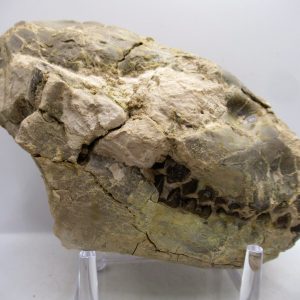
Oreodont Skull Genuine Oligocene Wyoming Fossil for Sale #40
$450.00 -

Oreodont Skull Genuine Oligocene Wyoming Fossil for Sale #41
$525.00 -
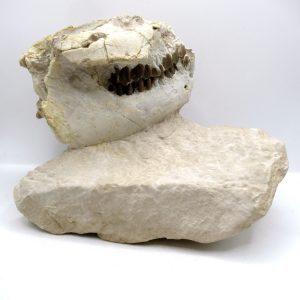
Oreodont Skull Genuine Oligocene Wyoming Fossil for Sale #42
$575.00 -
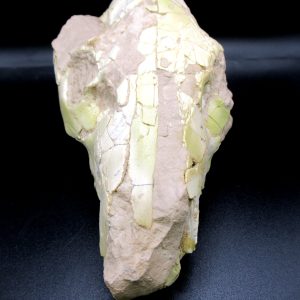
Oreodont Skull Genuine Wyoming Fossil for Sale #36
$185.00 -
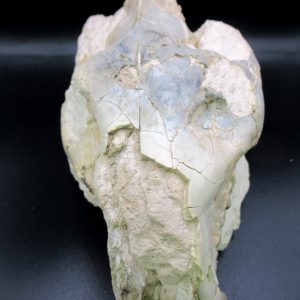
Oreodont Skull Genuine Wyoming Fossil for Sale #37
$225.00 -
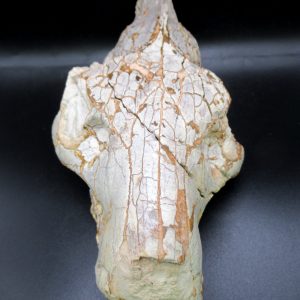
Oreodont Skull Genuine Wyoming Fossil for Sale #38
$275.00
Oreodont Fossils For Sale: Ancient Mammals of North America
Oreodont Fossils For Sale offer collectors, educators, and fossil enthusiasts a close look at one of the most successful groups of extinct mammals in North America. Oreodonts belonged to the family Merycoidodontidae, an extinct group of even-toed hoofed mammals, or artiodactyls. They became especially common during the Oligocene Epoch, although their evolutionary history extended across a much longer part of the Cenozoic Era.
Because oreodont fossils occur in large numbers across important fossil deposits, paleontologists use them to study ancient mammals, changing environments, and prehistoric ecosystems. In addition, their teeth, jaws, and skulls often preserve excellent anatomical detail.
What Were Oreodonts?
Oreodonts were medium-sized herbivorous mammals with short legs, sturdy bodies, and relatively long tails. Many species had large canine teeth and specialized cheek teeth that helped process plant material. Although early researchers sometimes compared oreodonts with pigs or sheep, oreodonts formed their own distinct branch of artiodactyl evolution.
The name oreodont means “mountain tooth,” a reference to the shape of their molar teeth. However, this name does not mean that oreodonts lived only in mountainous areas.
One of the best-known genera is Merycoidodon. Many individuals were roughly the size of a modern sheep, although oreodont species varied in size and body form.
Where Are Oreodont Fossils Found?
Oreodont Fossils For Sale commonly come from fossil-rich deposits in North America. In particular, the Great Plains and western United States have produced large numbers of specimens. Important discoveries have come from South Dakota, Nebraska, Wyoming, Montana, and nearby regions.
Moreover, the White River Group is one of the most famous sources of oreodont fossils. These sedimentary rocks formed mainly during the Eocene and Oligocene epochs and preserve a rich record of ancient terrestrial life.
South Dakota’s Badlands are especially well known for oreodont fossils. Consequently, paleontologists have recovered skulls, jaws, teeth, limb bones, and sometimes associated skeletons from these deposits.
What Did Oreodonts Eat?
Oreodont teeth show clear adaptations for eating plants. However, researchers continue to study how diet differed among species and through time. Many oreodonts probably ate leaves and other relatively soft vegetation, while some later forms developed dental features that helped them process more abrasive foods.
In addition, oreodont skulls contain distinctive openings and nasal structures. Therefore, scientists study skull anatomy to better understand feeding, breathing, sensory biology, and evolutionary relationships.
Why Are Oreodont Fossils Scientifically Important?
Oreodont fossils are valuable because they occur in large numbers and across extensive geological sequences. As a result, researchers can compare populations from different regions and time periods.
Furthermore, oreodonts lived during major environmental changes. During much of the Oligocene, global climates cooled and many North American habitats became more open. Because of this, oreodont fossils help scientists study how mammals responded to changing climates and vegetation.
Oreodont remains also occur alongside fossils of ancient horses, camels, rhinoceroses, turtles, rodents, and carnivorous mammals. Consequently, these fossil communities provide a broader picture of prehistoric life in North America.
Collecting Oreodont Fossils
Oreodont Fossils For Sale are popular with collectors because many teeth, jaws, and skulls preserve recognizable anatomical features. Complete or nearly complete skulls can be especially impressive because they may show canine teeth, cheek teeth, eye sockets, and other important skull structures.
However, accurate identification and locality information greatly increase a fossil’s scientific and educational value. Therefore, collectors should preserve specimen labels, formation data, and locality records whenever possible.
Authentic Oreodont Fossils for Collectors
For collectors, students, museums, and educators, genuine oreodont fossils provide a direct connection to prehistoric North America. These specimens help illustrate mammal evolution, ancient food webs, and long-term environmental change.
Ultimately, Oreodont Fossils For Sale represent far more than attractive collectibles. Their teeth, skulls, and skeletons preserve evidence from an extinct and highly successful group of mammals that once lived across large parts of North America.