
Crustacean Fossils for Sale – Fossil Crabs, Shrimp & Lobsters
Crustacean Fossils For Sale
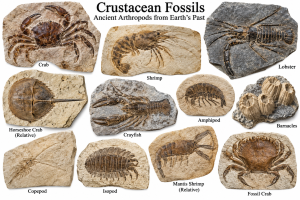
Crustacean Fossils For Sale offer collectors a fascinating look at an ancient group of animals that has lived on Earth for more than 500 million years. Crustaceans belong to the arthropods, a large group that also includes insects and spiders,.
How Crustacean Fossils Form
Although crustaceans have a long history, complete fossils can be uncommon. Their hard outer shell, called an exoskeleton, may fossilize under favorable conditions. However, many crustaceans have thin shells and delicate legs that quickly break apart after death. Therefore, rapid burial greatly improves the chance of preserving a complete specimen.
Exceptional Preservation of Fossil Crustaceans
In addition, fine mud and low-oxygen environments can protect remains from scavengers and decay. As a result, some fossil deposits preserve remarkable details, including claws, legs, antennae, and body segments. Sometimes, these fossils even reveal features that help scientists understand how ancient crustaceans lived.
Crustacean Fossils Through Geologic Time
Furthermore, crustacean fossils occur in marine and freshwater rocks around the world. Their fossil record extends from the Cambrian Period to recent geological deposits. For example, fossil crabs and lobsters provide important evidence about ancient seafloors, coastal habitats, and prehistoric aquatic ecosystems.
Collecting Genuine Crustacean Fossils
Finally, genuine crustacean fossils for sale combine scientific value, natural beauty, and a direct connection to prehistoric life. These fossils appeal to collectors, educators, students, and anyone interested in paleontology and the history of life on Earth.
Showing 1–50 of 73 results
-

Lebanon Shrimp #21
$40.00 -

Lebanon Shrimp #23
$40.00 -

Lebanon Shrimp #27
$40.00 -

Lebanon Shrimp #29
$40.00 -

Lebanon Shrimp #33
$40.00 -

Lebanon Shrimp #41
$40.00 -

Lebanon Shrimp #42
$40.00 -

Lebanon Shrimp #44
$40.00 -

Lebanon Shrimp #59
$40.00 -

Lebanon Shrimp #60
$40.00 -

Lebanon Shrimp #61
$40.00 -
Sold out!

Lebanon Shrimp – Cretaceous #100
$65.00 -
Sold out!

Lebanon Shrimp – Cretaceous #101
$65.00 -
Sold out!

Lebanon Shrimp – Cretaceous #102
$65.00 -

Lebanon Shrimp – Cretaceous #73
$55.00 -

Lebanon Shrimp – Cretaceous #77
$55.00 -

Lebanon Shrimp – Cretaceous #80
$55.00 -
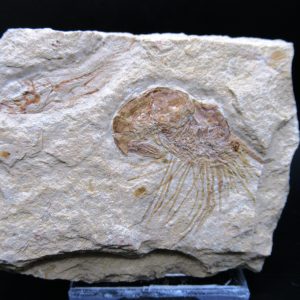
Lebanon Shrimp – Cretaceous #85
$55.00 -
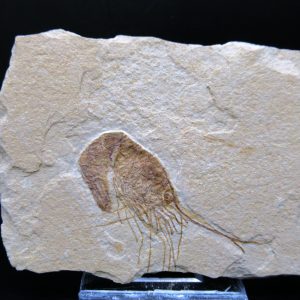
Lebanon Shrimp – Cretaceous #86
$55.00 -
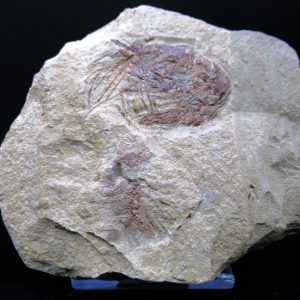
Lebanon Shrimp – Cretaceous #87
$55.00 -
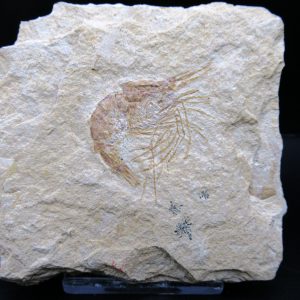
Lebanon Shrimp – Cretaceous #90
$55.00 -

Lebanon Shrimp – Cretaceous #92
$65.00 -

Lebanon Shrimp – Cretaceous #94
$65.00 -

Lebanon Shrimp – Cretaceous #99
$65.00 -
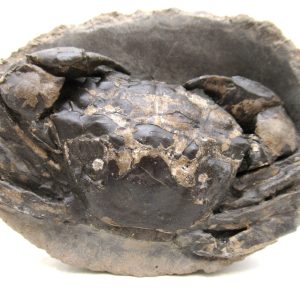
Coeloma Crab for Sale – Oligocene Age from Denmark #33
$495.00 -
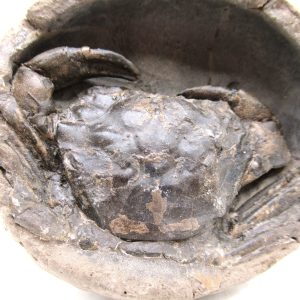
Coeloma Crab for Sale – Oligocene Age from Denmark #34
$495.00 -
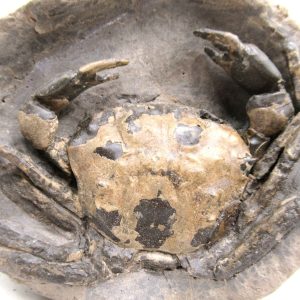
Coeloma Crab for Sale – Oligocene Age from Denmark #35
$495.00 -
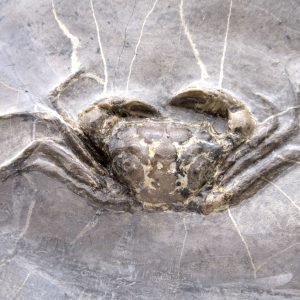
Coeloma Crab for Sale – Oligocene Age from Denmark #38
$495.00 -

Coeloma Crab for Sale – Oligocene Age from Denmark #39
$495.00 -

Coeloma Crab for Sale – Oligocene Age from Denmark #40
$495.00 -

Coeloma Crab for Sale – Oligocene Age from Denmark #41
$495.00 -

Coeloma Crab for Sale – Oligocene Age from Denmark #42 (Double)
$750.00 -

Coeloma Crab for Sale – Oligocene Age from Denmark #43
$825.00 -

Coeloma Crab | Denmark #23
$495.00 -

Coeloma Crab | Denmark #25
$495.00 -

Coeloma Crab | Denmark #29
$495.00 -

Coeloma Crab | Denmark #30
$495.00 -

Coeloma Crab | Denmark #32
$495.00 -

Eurypterid (Sea Scorpion) – New York #7
$350.00 -
Sold out!

Eurypterid (Sea Scorpion) – New York #8
$425.00 -
Sold out!

Eurypterid (Sea Scorpion) – New York #9
$495.00 -

Jurassic Solnhofen Lobster #51
$60.00 -

Jurassic Solnhofen Lobster #53
$90.00 -
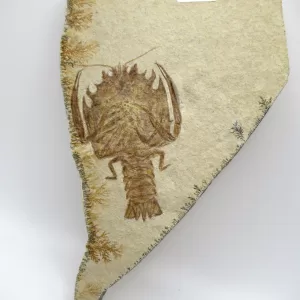
Jurassic Solnhofen Lobster from Germany for Sale #24
$995.00 -
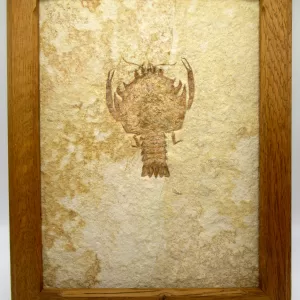
Jurassic Solnhofen Lobster #26
$1,700.00 -
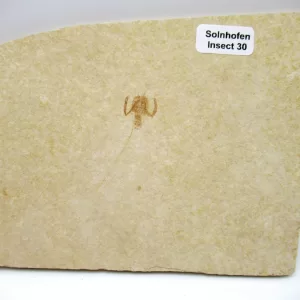
Jurassic Solnhofen Lobster #30
$90.00 -
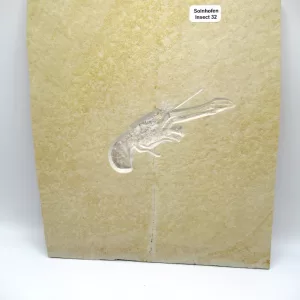
Jurassic Solnhofen Lobster #32
$310.00 -
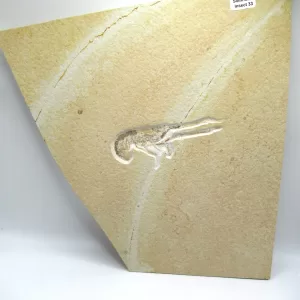
Jurassic Solnhofen Lobster #33
$260.00 -
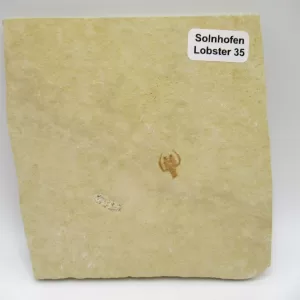
Jurassic Solnhofen Lobster #35
$50.00 -
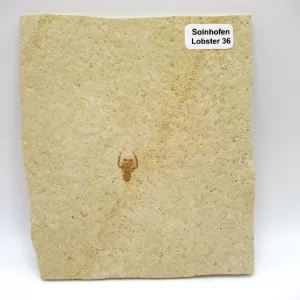
Jurassic Solnhofen Lobster #36
$90.00
- Buy Fossils
- Large Selection
- Great Prices and Great Selection
- Authenticity Guaranteed
- Satisfaction Guaranteed
- Your TRUSTED SOURCE for 25 years!
- Many more videos are available on our YouTube Channel.
Crustacean Fossils For Sale – Origins, Evolution, and Importance in Paleontology
Crustacean Fossils For Sale give collectors and fossil enthusiasts a fascinating look into ancient marine and freshwater ecosystems. Fossil crabs, lobsters, shrimp, ostracods, and other crustaceans provide valuable evidence of how these successful arthropods evolved through hundreds of millions of years.
Because many crustaceans possess mineralized exoskeletons, parts of their bodies can survive long enough for fossilization under favorable conditions. As a result, crustacean fossils help paleontologists study ancient environments, food webs, evolutionary relationships, and changing ecological conditions.
What Are Fossil Crustaceans?
Crustaceans are arthropods and include familiar animals such as crabs, lobsters, shrimp, barnacles, ostracods, isopods, and branchiopods. Their bodies typically feature a segmented exoskeleton and jointed appendages.
After a crustacean dies, rapid burial may protect its remains from scavengers, currents, and decay. Under favorable conditions, the exoskeleton or an impression of the animal can become preserved within sedimentary rock.
Common Types of Crustacean Fossils
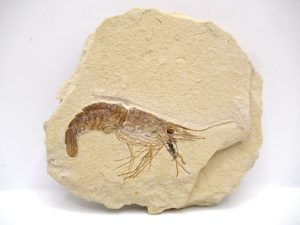
- Decapods – crabs, lobsters, shrimp, and their relatives
- Ostracods – tiny crustaceans enclosed within bivalved carapaces
- Branchiopods – a group that includes clam shrimp and fairy shrimp
- Isopods – crustaceans with flattened, segmented bodies
- Barnacles – marine crustaceans with heavily calcified external plates
Trilobites are sometimes confused with crustaceans because both belong to Arthropoda. However, trilobites are not true crustaceans. They represent a separate extinct arthropod lineage.
How Old Are Crustacean Fossils?
Crustaceans have an ancient evolutionary history extending back into the early Paleozoic Era. Cambrian deposits contain fossils interpreted as early crustaceans or close relatives. Over time, crustaceans diversified into an enormous variety of marine, freshwater, and eventually terrestrial forms.
Crustacean Evolution Through Geologic Time
| Geologic Interval | Approximate Age | Crustacean History |
|---|---|---|
| Cambrian | 539–485 million years ago | Early crustaceans and crustacean-like arthropods occur in the fossil record |
| Ordovician–Silurian | 485–419 million years ago | Crustaceans continued diversifying in marine environments |
| Devonian–Permian | 419–252 million years ago | Several important crustacean groups expanded and diversified |
| Triassic–Cretaceous | 252–66 million years ago | Decapods diversified, including increasingly crab-like body forms |
| Cenozoic | 66 million years ago–Present | Many modern crustacean lineages continued to diversify |
How Do Crustacean Fossils Form?
Fossilization is uncommon compared with the enormous number of crustaceans that have lived. After death, scavengers, bacteria, currents, and waves can quickly destroy or scatter the body. Furthermore, crustaceans molt their exoskeletons as they grow, so some fossils represent molts rather than dead animals.
However, rapid burial in fine sediment can protect delicate remains. Low-oxygen conditions may also slow decomposition. Consequently, exceptional fossil deposits sometimes preserve articulated legs, antennae, claws, and other fine anatomical features.
Types of Crustacean Fossil Preservation
- Compression and carbonaceous preservation – flattened remains may retain fine anatomical details.
- Mineralization – minerals can preserve, replace, or fill parts of the original remains.
- Molds and casts – the original shell may leave an impression that later becomes filled with sediment or minerals.
- Exceptional preservation – unusual conditions can preserve delicate appendages and, rarely, traces of soft tissues.
Popular Crustacean Fossils For Sale
Fossil Crabs – Brachyura
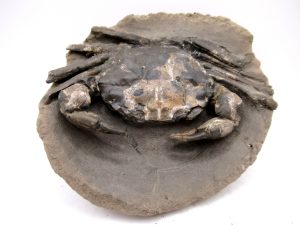
Fossil crabs are among the most recognizable and collectible crustacean fossils. Their relatively robust carapaces and claws often have a better chance of preservation than delicate appendages. Crabs became increasingly diverse during the Mesozoic and Cenozoic eras, producing an extensive fossil record.
Why Collect Fossil Crabs?
Collectors value fossil crabs for their recognizable shape, detailed carapaces, claws, and natural appearance. Complete specimens with articulated appendages can be especially desirable because these delicate structures often separate after death. Crustacean Fossils for Sale.
Fossil Lobsters and Shrimp
Fossil lobsters and shrimp can occur in shale, limestone, and other sedimentary rocks. Exceptional specimens may preserve antennae, legs, body segmentation, and other delicate structures. Therefore, these fossils can provide scientists with important anatomical information that isolated shell fragments cannot.
Additionally, fossil decapods help paleontologists investigate crustacean evolution, ancient marine communities, predator-prey relationships, and changes in ecological diversity through geologic time.
Ostracod Fossils – Tiny Crustaceans with Major Scientific Importance
Ostracods are tiny crustaceans surrounded by a two-part calcified carapace. Because they are abundant in many sedimentary deposits and respond to environmental conditions, their fossils have become valuable tools in biostratigraphy and paleoenvironmental research.
Scientists can also analyze the chemistry of well-preserved ostracod shells. Under appropriate conditions, these measurements can provide evidence useful for reconstructing ancient water temperature, salinity, and other environmental changes.
Why Crustacean Fossils Matter to Paleontology
Evidence of Ancient Ecosystems
Crustaceans occupy many ecological roles. Some are predators, while others are scavengers, grazers, filter feeders, or prey for larger animals. Therefore, their fossils can help paleontologists reconstruct ancient marine and freshwater food webs.
Evidence of Crustacean Evolution
The crustacean fossil record documents major changes in body form and ecological specialization. Fossils reveal how different groups developed specialized claws, swimming appendages, protective carapaces, and other adaptations through time.
Evidence of Ancient Environmental Conditions
Some crustacean fossils, especially ostracods, provide valuable information about past environments. Their species distributions and shell chemistry can help researchers investigate changes in water depth, temperature, salinity, and other ecological conditions.
Famous Locations for Crustacean Fossils
Important fossil deposits around the world have produced beautifully preserved crustaceans. Some notable examples include:
- Solnhofen Limestone, Germany – famous for Late Jurassic marine fossils, including crustaceans.
- Lebanon Lagerstätten – Cretaceous marine deposits known for exceptionally preserved shrimp and other crustaceans.
- Green River Formation, United States – Eocene lake deposits that preserve diverse freshwater organisms, including crustaceans.
- European Cenozoic deposits – numerous localities preserve fossil crabs and other decapods.
How to Identify Fossil Crustaceans
Identifying a crustacean fossil requires careful examination of its anatomy. Depending on preservation, collectors may recognize several important characteristics:
- Segmented body structure
- Jointed appendages
- Distinctive carapace shape
- Claws or pincers
- Surface ornamentation, including ridges, pits, nodes, or spines
- Preserved antennae or walking legs in exceptional specimens
However, fossil identification should consider the specimen’s geological age, locality, associated fossils, and diagnostic anatomical features. Similar-looking fossils do not necessarily belong to the same species or even the same crustacean group.
Are Crustacean Fossils Rare?
The rarity of crustacean fossils varies greatly. Isolated shell fragments and some ostracods can be extremely abundant. In contrast, complete crabs, articulated lobsters, shrimp with delicate appendages, and specimens showing exceptional preservation can be considerably rarer.
Preservation quality, completeness, species, geological age, locality, preparation, and scientific importance can all influence collector interest and value.
What Are the Oldest Crustacean Fossils?
Crustaceans and crustacean-like arthropods have a fossil history extending into the Cambrian Period, more than 500 million years ago. However, interpreting the evolutionary relationships of the earliest arthropods can be difficult, and scientific classifications may change as researchers discover and study new fossils.
How Can Fragile Crustaceans Become Fossils?
Rapid burial offers one of the best opportunities for preservation. Fine sediment can cover an animal before currents, scavengers, and decomposition destroy it. In exceptional environments, low oxygen and favorable mineral conditions may preserve remarkably delicate anatomical details.
Where Can I Buy Real Crustacean Fossils?
Collectors looking for Crustacean Fossils For Sale should purchase specimens from established fossil dealers that provide accurate descriptions, locality information when available, and clear authenticity guarantees.
Prehistoric Fossils has provided genuine fossils and natural history specimens to collectors since 1997. Our selection may include fossil crabs, shrimp, lobsters, and other crustacean specimens from fossil-producing locations around the world.
Crustacean Fossils For Sale at Prehistoric Fossils
Fossil crustaceans combine scientific importance, natural beauty, and geological history. Whether you are a collector, educator, student, or fossil enthusiast, these ancient arthropods provide a tangible connection to prehistoric ecosystems and the evolution of life on Earth.
From recognizable fossil crabs to delicately preserved shrimp, each specimen can reveal something about ancient environments and crustacean evolution. For collectors, well-documented specimens also provide an opportunity to preserve and study a genuine piece of natural history.
Buy Fossils from Prehistoric Fossils with Confidence
Your Trusted Source Since 1997. 100% Guaranteed Genuine. Authenticity Guaranteed.
“`