
Fossil Amphibians For Sale | Genuine Amphibian Fossils
Fossil Amphibians For Sale – Ancient Vertebrate Life
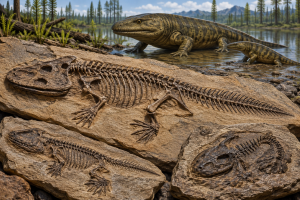
Fossil Amphibians For Sale provide collectors and paleontology enthusiasts with important evidence about the evolution of vertebrate life on land. Although early tetrapods appeared during the Devonian Period, true amphibian lineages developed later. Over time, these animals became important members of freshwater and land ecosystems. Today, amphibian fossils help paleontologists understand this major chapter in vertebrate evolution.
Early Amphibians and Prehistoric Ecosystems
During the Carboniferous Period, many amphibian-like tetrapods lived near rivers, lakes, swamps, and wetlands. For example, some large temnospondyls had broad skulls, strong jaws, and bodies adapted for life around water. Meanwhile, smaller species occupied other ecological roles. As a result, amphibians and their close relatives became diverse across many prehistoric environments.
Types of Fossil Amphibians
Fossil amphibians can include skulls, vertebrae, limb bones, teeth, footprints, and, more rarely, complete skeletons. Because many amphibians had small or delicate bones, complete fossils can be uncommon. However, fine sediment sometimes preserved remarkable anatomical details.
Why Fossil Amphibians Are Important
Furthermore, fossil trackways reveal how ancient tetrapods moved across soft ground. In addition, bones and teeth provide clues about diet, anatomy, and body size. Therefore, Fossil Amphibians For Sale can offer collectors a direct connection to ancient ecosystems while also representing scientifically important evidence of evolutionary change. Ultimately, amphibian fossils document an important part of the long history of vertebrate life on Earth.
Showing 1–50 of 317 results
-
Sold out!
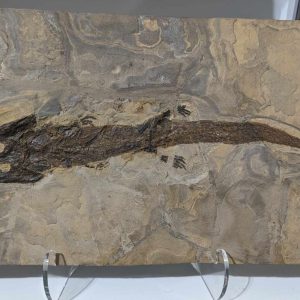
Actinodon Permian Ancient Amphibian #1
$2,000.00 -

Bolterpeton carrolli Permian Amphibian Microsaur from OK #2
$55.00 -
Sold out!

Bolterpeton carrolli Permian Amphibian Microsaur from OK #3
$55.00 -

Cacops Amphibian Tooth #4
$20.00 -

Cacops Amphibian Tooth #5
$20.00 -

Cacops Amphibian Jaw #11
$25.00 -

Cacops Amphibian Jaw #12
$25.00 -

Cacops Amphibian Jaw #7
$25.00 -

Cacops Amphibian Jaw #8
$25.00 -
Sold out!

Cacops Amphibian Jaw #9
$25.00 -

Koskinonodon Metoposaurus Skull Plate #1
$35.00 -

Koskinonodon Metoposaurus Skull Plate #10
$35.00 -

Koskinonodon Metoposaurus Skull Plate #11
$35.00 -
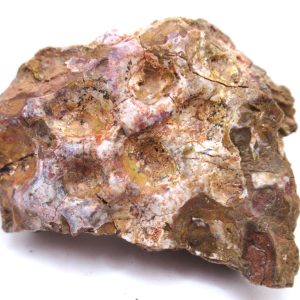
Koskinonodon Metoposaurus Skull Plate #12
$35.00 -
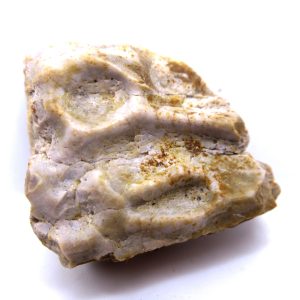
Koskinonodon Metoposaurus Skull Plate #13
$35.00 -
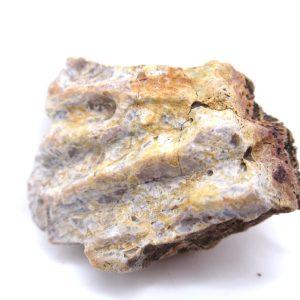
Koskinonodon Metoposaurus Skull Plate #14
$35.00 -
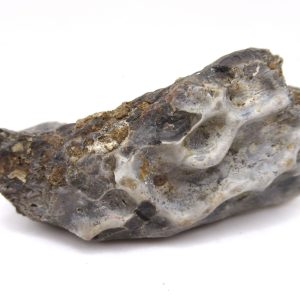
Koskinonodon Metoposaurus Skull Plate #15
$35.00 -
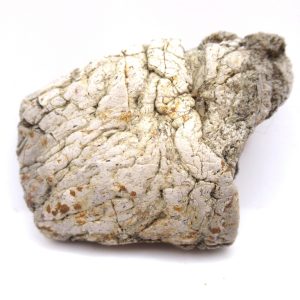
Koskinonodon Metoposaurus Skull Plate #16
$35.00 -
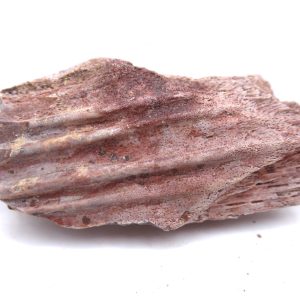
Koskinonodon Metoposaurus Skull Plate #17
$35.00 -
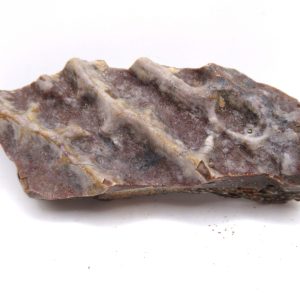
Koskinonodon Metoposaurus Skull Plate #18
$35.00 -

Koskinonodon Metoposaurus Skull Plate #2
$35.00 -

Koskinonodon Metoposaurus Skull Plate #20
$35.00 -

Koskinonodon Metoposaurus Skull Plate #21
$35.00 -

Koskinonodon Metoposaurus Skull Plate #22
$35.00 -

Koskinonodon Metoposaurus Skull Plate #23
$35.00 -

Koskinonodon Metoposaurus Skull Plate #24
$35.00 -

Koskinonodon Metoposaurus Skull Plate #25
$35.00 -

Koskinonodon Metoposaurus Skull Plate #26
$35.00 -

Koskinonodon Metoposaurus Skull Plate #27
$35.00 -

Koskinonodon Metoposaurus Skull Plate #28
$35.00 -
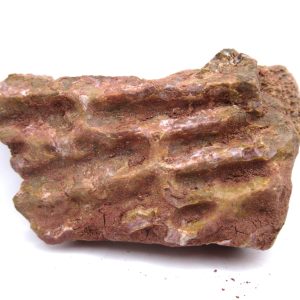
Koskinonodon Metoposaurus Skull Plate #29
$35.00 -

Koskinonodon Metoposaurus Skull Plate #3
$35.00 -
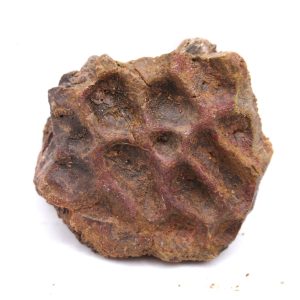
Koskinonodon Metoposaurus Skull Plate #33
$35.00 -
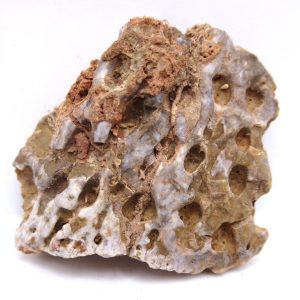
Koskinonodon Metoposaurus Skull Plate #35
$35.00 -
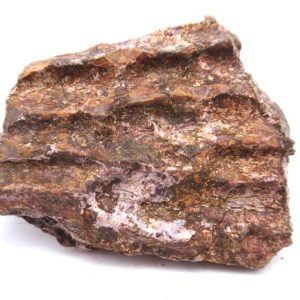
Koskinonodon Metoposaurus Skull Plate #36
$35.00 -
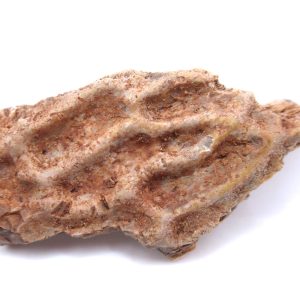
Koskinonodon Metoposaurus Skull Plate #37
$35.00 -
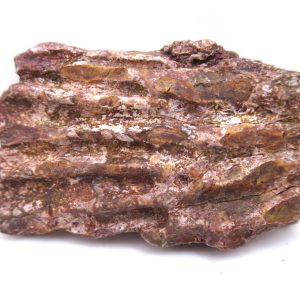
Koskinonodon Metoposaurus Skull Plate #38
$35.00 -

Koskinonodon Metoposaurus Skull Plate #39
$35.00 -

Koskinonodon Metoposaurus Skull Plate #4
$35.00 -
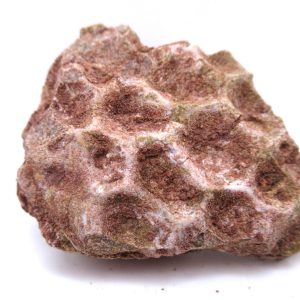
Koskinonodon Metoposaurus Skull Plate #40
$35.00 -

Koskinonodon Metoposaurus Skull Plate #41
$35.00 -

Koskinonodon Metoposaurus Skull Plate #42
$35.00 -

Koskinonodon Metoposaurus Skull Plate #43
$35.00 -

Koskinonodon Metoposaurus Skull Plate #44
$35.00 -

Koskinonodon Metoposaurus Skull Plate #45
$35.00 -

Koskinonodon Metoposaurus Skull Plate #46
$35.00 -

Koskinonodon Metoposaurus Skull Plate #47
$35.00 -

Koskinonodon Metoposaurus Skull Plate #48
$35.00 -

Koskinonodon Metoposaurus Skull Plate #49
$35.00 -

Koskinonodon Metoposaurus Skull Plate #5
$35.00
- Buy Fossils
- Fossils for Sale
- Large Selection
- Great Prices and Great Selection
- Authenticity Guaranteed
- Satisfaction Guaranteed
- Your TRUSTED SOURCE for over 25 years!
- Many more videos are available on our YouTube Channel.
Fossil Amphibians For Sale – Evolution, Diversity, and the Scientific Secrets They Reveal
Fossil Amphibians For Sale give collectors, educators, and fossil enthusiasts a remarkable look at one of the most important chapters in vertebrate evolution. Amphibian fossils and fossils of early amphibian-like tetrapods help scientists study the transition from aquatic vertebrates to animals capable of living on land. Their fossil record extends back hundreds of millions of years and reveals major changes in limbs, breathing, feeding, and movement.
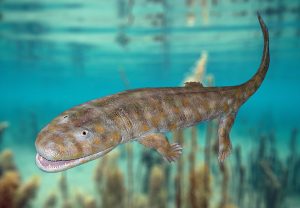
What Are Fossil Amphibians?
Modern amphibians include frogs, salamanders, and caecilians. However, the term “fossil amphibian” is also commonly used for many extinct amphibian-grade tetrapods that lived long before modern amphibian groups appeared. These fossils provide important evidence about the evolution and diversity of early land vertebrates.
Key Features Seen in Fossil Amphibians
- Aquatic adaptations: Many early forms retained features suited for life in water, including lateral-line systems or evidence of gills.
- Limbs and digits: Early tetrapods document important stages in the evolution of limbs with digits.
- Air breathing: Early tetrapods inherited air-breathing abilities from their fish ancestors and developed new ways to breathe on land.
- Wide range of sizes: Fossil amphibian-grade tetrapods ranged from small animals to giant temnospondyl predators several meters long.
Evolutionary History of Fossil Amphibians
Devonian Period: The Origin of Early Tetrapods
During the Late Devonian, roughly 375–360 million years ago, several important transitional vertebrates appeared. Tiktaalik was still a lobe-finned fish, but it possessed features such as a mobile neck and robust fin bones. Meanwhile, Acanthostega and Ichthyostega were early tetrapods with true digits.
These animals document stages in the evolutionary transition from lobe-finned fishes toward fully terrestrial vertebrates. Importantly, scientists do not classify all of these early tetrapods as true members of modern Amphibia.
Carboniferous Period: Major Amphibian Diversification
During the Carboniferous Period, tetrapods diversified greatly in wet forests, rivers, lakes, and coastal environments. Temnospondyls became an important group, while many smaller tetrapods occupied specialized ecological niches.
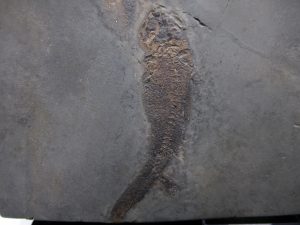
Historically recognized groups include temnospondyls, lepospondyls, and microsaurs. However, modern research continues to examine the evolutionary relationships among these extinct groups and living amphibians.
Permian Fossil Amphibians
Fossil Amphibians For Sale
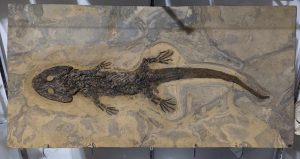
During the Permian Period, temnospondyls remained diverse and included both aquatic and more terrestrial forms. At the same time, amniotes continued to diversify into many ecological roles. Changing climates and the devastating end-Permian mass extinction dramatically altered terrestrial and freshwater ecosystems.
Mesozoic and Cenozoic Amphibians
Temnospondyls survived into the Mesozoic, while recognizable relatives of modern amphibian groups also appeared. Early frog relatives include Triadobatrachus from the Early Triassic. Later fossils document early salamanders and caecilians.
Modern amphibians belong to Lissamphibia, which includes Anura (frogs), Caudata/Urodela (salamanders), and Gymnophiona (caecilians). However, scientists continue to debate the precise evolutionary origins and relationships of Lissamphibia to Paleozoic tetrapod groups.
Major Fossil Amphibian Groups
Temnospondyl Fossils
Temnospondyls were an extremely diverse group of extinct tetrapods. They appeared during the Carboniferous and survived into the Mesozoic. Some lived mainly in water, while others had adaptations for spending more time on land.
Well-known examples include Eryops, a large Permian predator; Mastodonsaurus, a giant Triassic temnospondyl with a broad skull; and Metoposaurus, a Late Triassic aquatic predator known from numerous fossil sites.
Lepospondyls and Microsaur Fossils
Fossil Amphibians For Sale
Lepospondyls represent several extinct Paleozoic tetrapod groups traditionally united by distinctive vertebrae. Their evolutionary relationships remain debated. Examples traditionally placed within this broad grouping include Diplocaulus, famous for its unusual boomerang-shaped skull, and Microbrachis, a small elongated tetrapod from the Carboniferous.
Early Lissamphibian Fossils
Several important fossils help scientists investigate the early history of modern amphibians. Triadobatrachus displays early frog-like characteristics, while Karaurus represents an early salamander from the Jurassic. Eocaecilia, from the Early Jurassic, possessed small limbs while displaying several features associated with caecilians.
How Scientists Discover and Study Fossil Amphibians
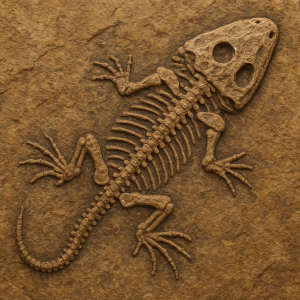
Paleontologists often discover fossil amphibians in sedimentary rocks formed in ancient lakes, rivers, floodplains, and wetlands. Fine-grained sediments can preserve delicate bones and, under exceptional conditions, impressions of soft tissues.
Scientific Methods Used to Study Fossil Amphibians
- CT scanning: Allows scientists to examine internal structures and bones hidden inside rock.
- Morphometrics: Measures and compares anatomical shapes among fossil species.
- Geochemical analysis: Can provide information about ancient environments and preservation.
- Phylogenetic analysis: Helps researchers test evolutionary relationships among extinct and living vertebrates.
Why Fossil Amphibians Matter to Science
Evidence for the Water-to-Land Transition
Early tetrapod fossils document major anatomical changes associated with vertebrate life in shallow water and eventually on land. Therefore, they provide essential evidence for understanding the development of limbs, digits, feeding systems, and locomotion.
Clues About Prehistoric Environments
Because many amphibians and amphibian-grade tetrapods depended heavily on aquatic or moist habitats, their fossils can provide clues about ancient freshwater ecosystems. Furthermore, the surrounding rocks and associated fossils help scientists reconstruct prehistoric climates and environments.
Understanding Modern Amphibian Evolution
Fossil discoveries help researchers investigate the origins of frogs, salamanders, and caecilians. Consequently, each well-preserved specimen can provide new anatomical information that helps test competing evolutionary hypotheses.
Fossil Amphibians For Sale – Collecting Genuine Specimens
Fossil Amphibians For Sale can include bones, skulls, partial skeletons, complete specimens, and fossils preserved on natural stone slabs. Collectibility depends on species, geological age, completeness, preservation, preparation quality, and locality.
Well-documented fossil amphibians can provide both scientific and educational value. Therefore, collectors should consider accurate identification, geological formation, locality, and authenticity when choosing specimens.
Frequently Asked Questions About Fossil Amphibians
What are the oldest fossil amphibians?
Late Devonian tetrapods such as Acanthostega and Ichthyostega are among the earliest well-known limbed vertebrates. However, they are better described scientifically as early tetrapods rather than true amphibians in the modern taxonomic sense.
Where are fossil amphibians found?
Fossil amphibians occur worldwide. Paleontologists commonly find their remains in rocks deposited in ancient rivers, lakes, floodplains, wetlands, and other freshwater environments.
What was the largest fossil amphibian?
Some giant temnospondyls reached several meters in length. Estimates for exceptionally large forms vary because many species are known from incomplete remains, making precise maximum body lengths difficult to determine.
How do scientists study fossil amphibians?
Scientists use traditional anatomical study together with modern methods such as CT scanning, morphometric analysis, geochemical techniques, and phylogenetic analysis.
Buy Fossil Amphibians For Sale with Confidence
Fossil amphibians provide remarkable evidence of vertebrate evolution and ancient freshwater ecosystems. From Paleozoic tetrapods to early relatives of modern frogs and salamanders, these fossils reveal how vertebrate life changed across hundreds of millions of years.
Explore our selection of Fossil Amphibians For Sale and discover genuine specimens representing an important part of Earth’s prehistoric history.
Buy Fossils from Prehistoric Fossils with Confidence! Your Trusted Source Since 1997. Authenticity Guaranteed.
“`