
Indian and Early People Artifacts for Sale | Authentic Ancient Artifacts
Indian and Early People Artifacts For Sale | Authentic Early Cultural Artifacts
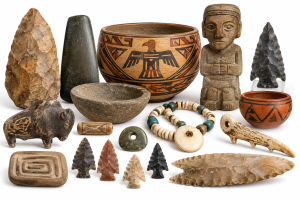
Indian and Early People Artifacts For Sale provide important evidence about the lives, skills, and traditions of Indigenous peoples and other early populations of North America. Archaeologists study these objects to learn how people hunted, gathered food, prepared meals, traveled, traded, and adapted to changing environments. Therefore, authentic early artifacts can offer valuable insight into thousands of years of human history.
Indian and Early People Artifacts For Sale: Stone Tools and Projectile Points
Stone tools are among the most common early artifacts found in North America. Early people shaped flint, chert, obsidian, quartzite, and other suitable stone into useful tools. For example, projectile points tipped spears, darts, and arrows. Scrapers helped process animal hides, while stone knives cut meat, plants, and other materials.
In addition, drills, gravers, cutting tools, and specialized implements served many everyday purposes. Because styles and manufacturing methods changed through time, archaeologists often study these artifacts to help identify cultural traditions and approximate age.
Pottery, Grinding Stones, and Cultural Objects
Many Indian and Early People Artifacts For Sale may also include pottery, grinding stones, beads, shell ornaments, bone tools, and other cultural objects. Later communities often produced pottery for cooking, storage, and food preparation. Archaeologists study vessel shape, decoration, clay composition, and temper because these features can help identify regional traditions and time periods.
Likewise, grinding stones provide evidence of how people processed seeds, nuts, corn, and other foods. Bone tools, beads, pipes, and ornaments can also reveal information about technology, trade, personal decoration, and cultural practices.
Why Provenance Matters With Early People Artifacts
However, an artifact alone tells only part of its story. Its documented discovery location, archaeological context, and collection history can greatly increase its scientific and historical value. Furthermore, modern archaeological research examines soil layers, associated materials, tool styles, and radiocarbon dates to develop accurate timelines.
Responsible Collecting of Indian and Early People Artifacts
Collectors interested in Indian and Early People Artifacts For Sale should learn about an item’s history, provenance, and legal status before purchasing it. Federal, state, tribal, and local laws may protect archaeological resources, especially those found on public or protected lands. Therefore, legally obtained artifacts with clear collection histories offer a stronger foundation for responsible collecting, education, preservation, and historical study.
Showing 1–50 of 85 results
-
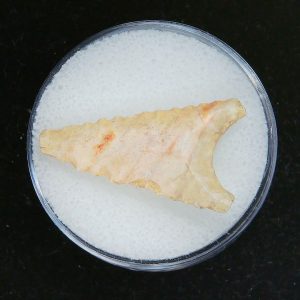
Mesolithic Curved Base Point #22
$25.00 -
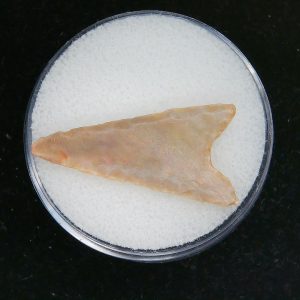
Mesolithic Curved Base Point #23
$25.00 -
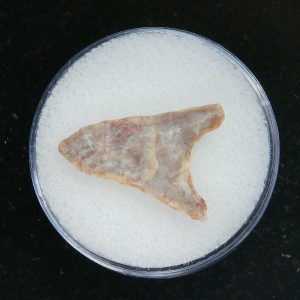
Mesolithic Curved Base Point #24
$25.00 -
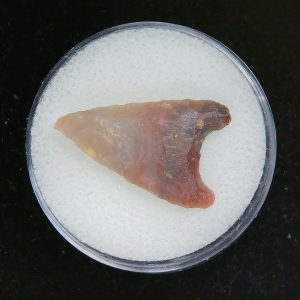
Mesolithic Curved Base Point #25
$25.00 -
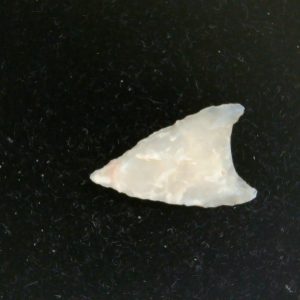
Mesolithic Curved Base Point #26
$25.00 -
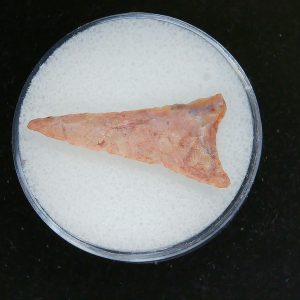
Mesolithic Curved Base Point #27
$25.00 -
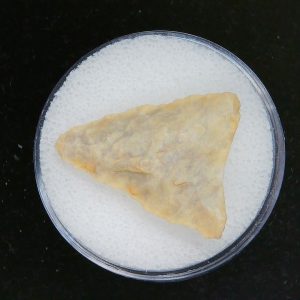
Mesolithic Curved Base Point #28
$25.00 -
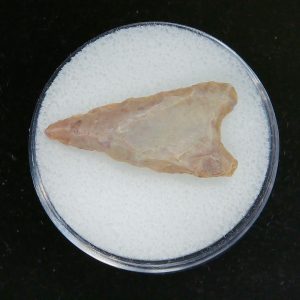
Mesolithic Curved Base Point #29
$25.00 -
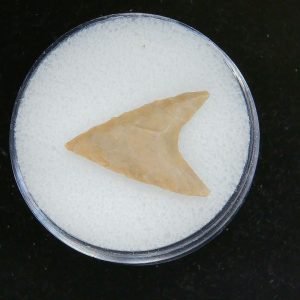
Mesolithic Curved Base Point #30
$25.00 -
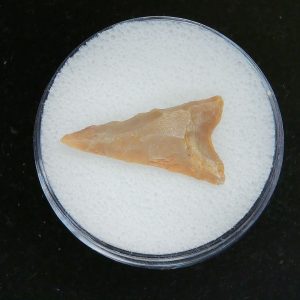
Mesolithic Curved Base Point #31
$25.00 -
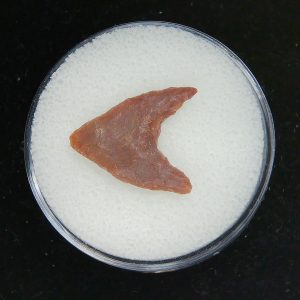
Mesolithic Curved Base Point #32
$25.00 -
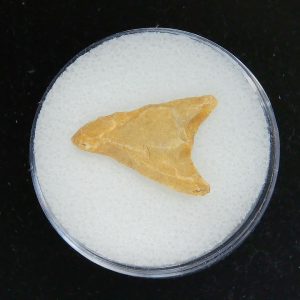
Mesolithic Curved Base Point #33
$25.00 -
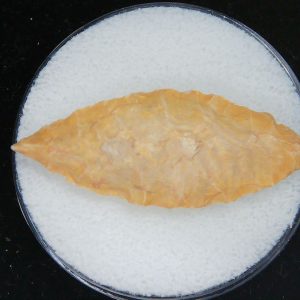
Mesolithic Laurel Leaf Point #10
$25.00 -
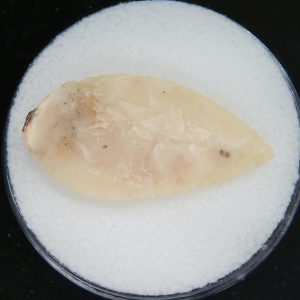
Mesolithic Laurel Leaf Point #11
$25.00 -
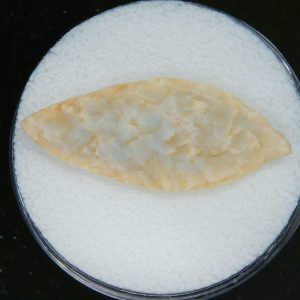
Mesolithic Laurel Leaf Point #12
$25.00 -
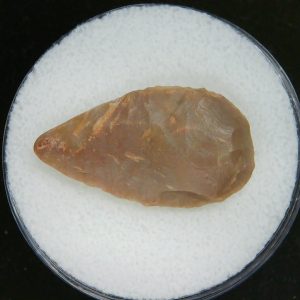
Mesolithic Laurel Leaf Point #13
$25.00 -
Sold out!
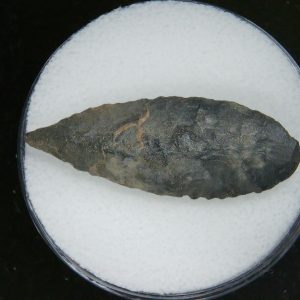
Mesolithic Laurel Leaf Point #14
$25.00 -
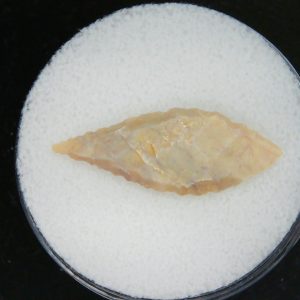
Mesolithic Laurel Leaf Point #15
$25.00 -
Sold out!
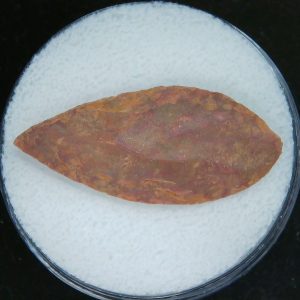
Mesolithic Laurel Leaf Point #16
$25.00 -
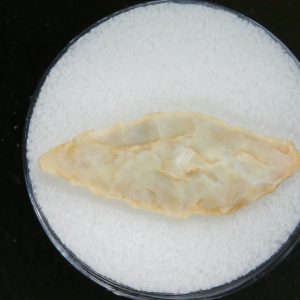
Mesolithic Laurel Leaf Point #17
$25.00 -
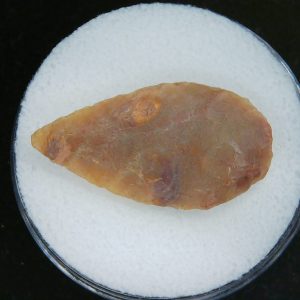
Mesolithic Laurel Leaf Point #18
$25.00 -
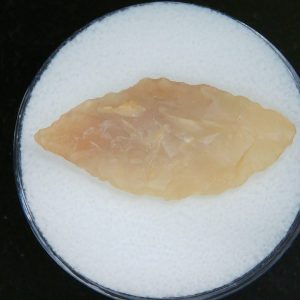
Mesolithic Laurel Leaf Point #19
$25.00 -
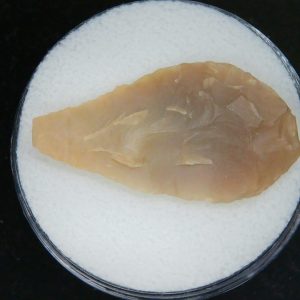
Mesolithic Laurel Leaf Point #20
$25.00 -
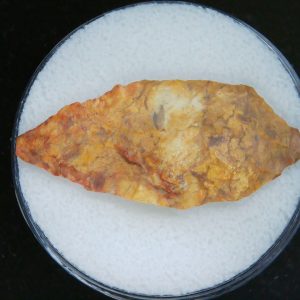
Mesolithic Laurel Leaf Point #21
$25.00 -
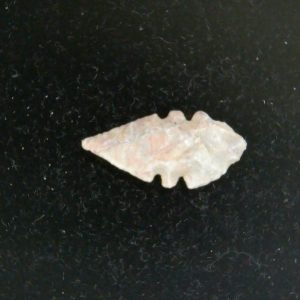
Mesolithic Serrated Bird Point #34
$25.00 -
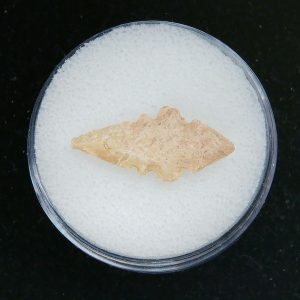
Mesolithic Serrated Bird Point #36
$25.00 -
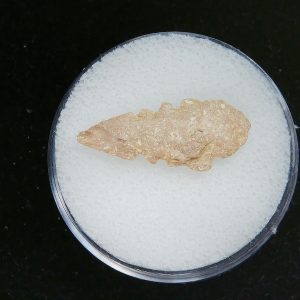
Mesolithic Serrated Bird Point #39
$25.00 -
Sold out!
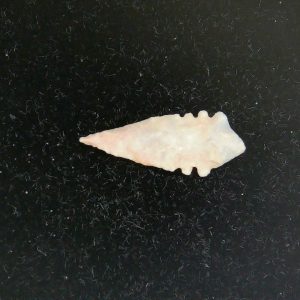
Mesolithic Serrated Bird Point #43
$25.00 -
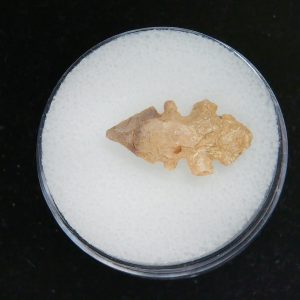
Mesolithic Serrated Bird Point #44
$25.00 -
Sold out!
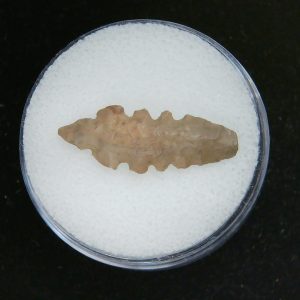
Mesolithic Serrated Bird Point #45
$25.00 -
Sold out!
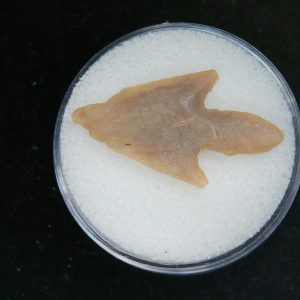
Mesolithic Straight Stemmed Point #46
$25.00 -
Sold out!
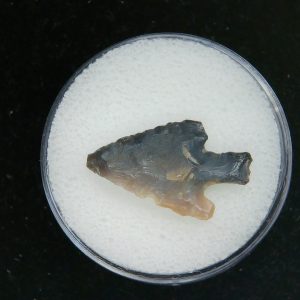
Mesolithic Straight Stemmed Point #47
$25.00 -
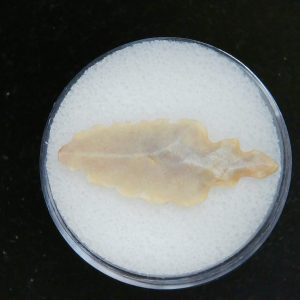
Mesolithic Straight Stemmed Point #48
$25.00 -
Sold out!
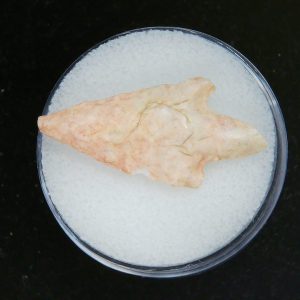
Mesolithic Straight Stemmed Point #49
$25.00 -
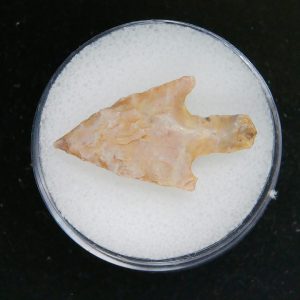
Mesolithic Straight Stemmed Point #50
$25.00 -
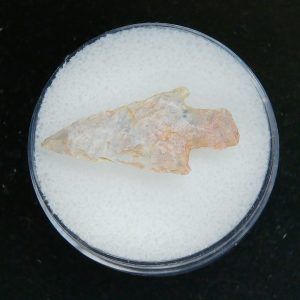
Mesolithic Straight Stemmed Point #51
$25.00 -
Sold out!
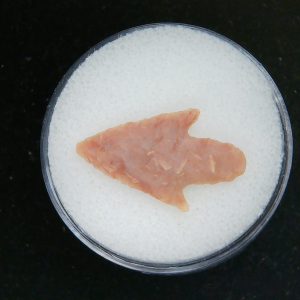
Mesolithic Straight Stemmed Point #52
$25.00 -
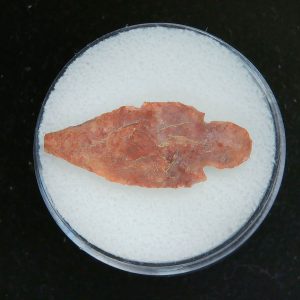
Mesolithic Straight Stemmed Point #53
$25.00 -
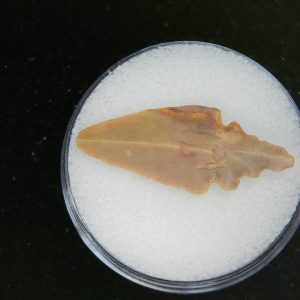
Mesolithic Straight Stemmed Point #54
$25.00 -
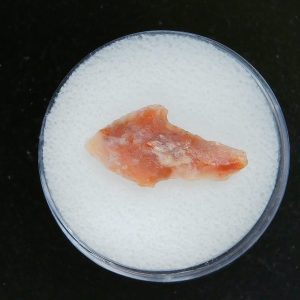
Mesolithic Straight Stemmed Point #55
$25.00 -
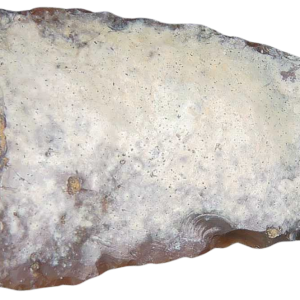
Paleolithic Stone Tools for Sale from Atlas Mountains (Scraper or Knife) #14
$50.00 -
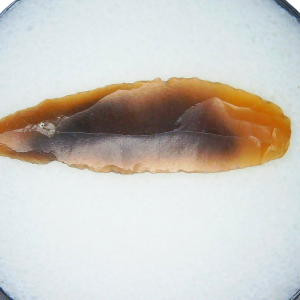
Paleolithic Stone Tools for Sale from Atlas Mountains #1
$25.00 -
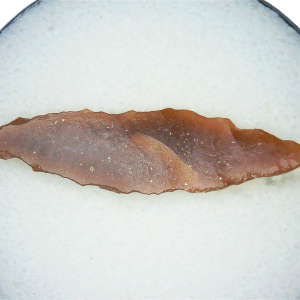
Paleolithic Stone Tools for Sale from Atlas Mountains #10
$25.00 -
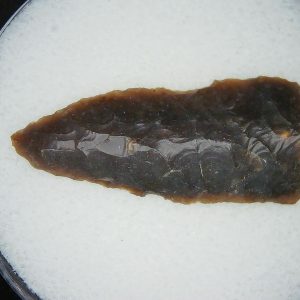
Paleolithic Stone Tools for Sale from Atlas Mountains #11
$25.00 -
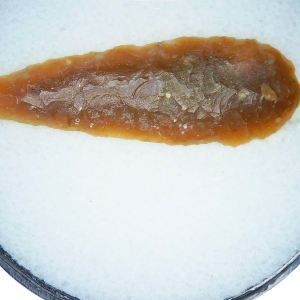
Paleolithic Stone Tools for Sale from Atlas Mountains #12
$25.00 -
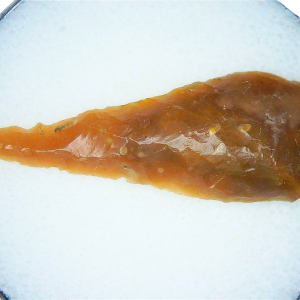
Paleolithic Stone Tools for Sale from Atlas Mountains #2
$25.00 -
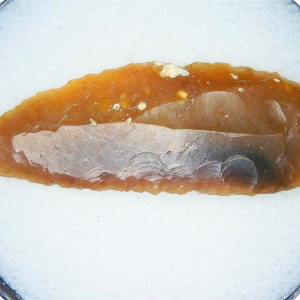
Paleolithic Stone Tools for Sale from Atlas Mountains #3
$25.00 -
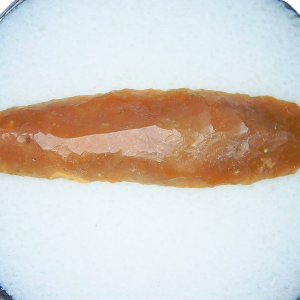
Paleolithic Stone Tools for Sale from Atlas Mountains #4
$25.00 -
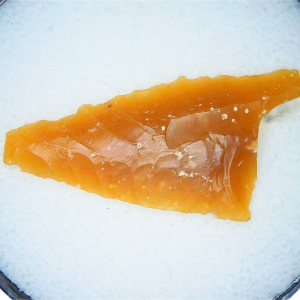
Paleolithic Stone Tools for Sale from Atlas Mountains #5
$25.00 -
Sold out!
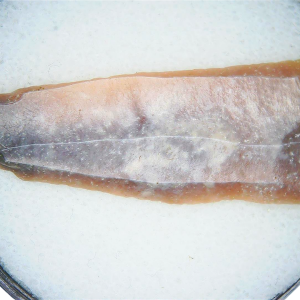
Paleolithic Stone Tools for Sale from Atlas Mountains #6
$25.00
- Buy Ancient Artifacts
- Indian & Early People Artifacts for Sale
- Large Selection
- Great Prices and Great Selection
- Authenticity Guaranteed
- Satisfaction Guaranteed
- Your TRUSTED SOURCE SINCE 1997!
- Many more videos are available on our YouTube Channel.
Indian and Early People Artifacts For Sale: Understanding Ancient Human History
Indian and Early People Artifacts For Sale provide a physical connection to the technologies, migrations, traditions, and daily lives of ancient societies. Archaeologists study tools, pottery, structures, artwork, and other material remains to better understand how people adapted to changing environments around the world.
Through archaeology, anthropology, genetics, and geology, researchers continue to refine our understanding of humanity’s past. Therefore, scientifically documented artifacts can provide valuable educational insight when their cultural context, age, material, and origin are carefully considered.
Understanding Ancient Peoples Through Archaeology
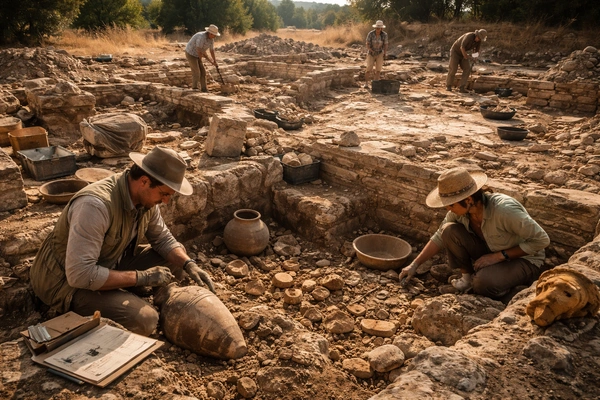 Archaeology uses systematic excavation, stratigraphy, scientific dating, and comparative study. Importantly, researchers interpret artifacts within their environmental and cultural setting rather than viewing individual objects in isolation.
Common archaeological dating techniques include:
- Radiocarbon (C-14) dating
- Thermoluminescence dating
- Dendrochronology
- Optically stimulated luminescence (OSL)
As a result, these techniques help researchers establish timelines for human occupation, technological change, trade, and migration.
Ancient Peoples Around the World
Africa and Early Human History
 Africa preserves some of the world’s most important evidence for early human evolution and technological development. For example, archaeologists have discovered Oldowan stone tools dating back more than 2.5 million years. Later Acheulean traditions included carefully shaped hand axes and other stone implements.
Additionally, sites such as Blombos Cave in South Africa preserve evidence of symbolic behavior, pigments, engraved materials, and advanced toolmaking. Genetic research also strongly supports an African origin for modern humans before populations expanded into other parts of the world.
Eurasia and the Development of Complex Societies
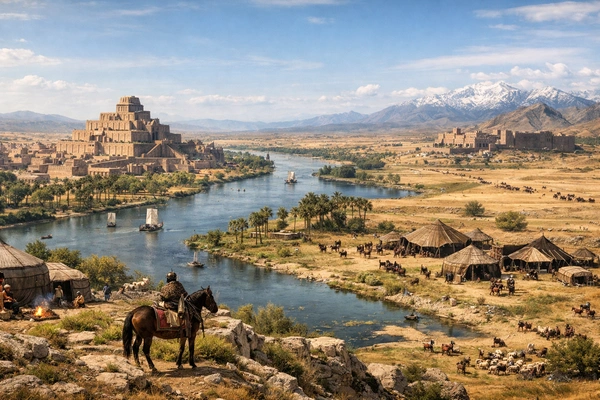 Across Eurasia, societies developed agriculture, permanent settlements, specialized crafts, trade networks, and eventually large urban centers. However, these developments occurred at different times and under different environmental conditions.
- Mesopotamia: irrigation, writing, agriculture, and metallurgy
- Indus Valley: large cities, drainage systems, and regional trade
- Neolithic China: agriculture, stone tools, and early ceramics
- Paleolithic Europe: cave art, hunting equipment, and personal ornaments
Consequently, archaeological evidence shows that innovation developed through many regional traditions rather than from one single civilization.
Oceania and Pacific Navigation
 Ancient Pacific peoples developed remarkable navigation skills and adapted successfully to island environments. Archaeologists study Lapita pottery, stone tools, settlement remains, and food resources to reconstruct these migrations.
Moreover, Polynesian navigation traditions demonstrate detailed knowledge of stars, ocean swells, winds, birds, and seasonal patterns.
Settlement of the Americas
Scientific Evidence for Early Migration
 Most archaeological and genetic evidence indicates that the ancestors of Indigenous peoples entered the Americas from northeastern Asia during the Late Pleistocene. During periods of lower sea level, the region known as Beringia connected parts of Siberia and Alaska.
Researchers continue to study both coastal and inland migration routes. In addition, archaeological sites such as Monte Verde in Chile provide strong evidence that people occupied the Americas before the traditional Clovis period.
Evidence used to study early migration includes:
- Ancient and modern genetic data
- Stone-tool technology
- Archaeological settlement sites
- Paleoenvironmental evidence
- Coastal and inland migration models
American Indian Artifacts and Material Culture
Types of American Indian Artifacts
American Indian artifacts represent thousands of years of cultural diversity across North America. Because Native societies adapted to many different environments, artifact forms vary greatly by region and time period.
- Lithic tools: projectile points, knives, scrapers, drills, and blades
- Ceramics: pottery that may reveal chronology, trade, and cultural traditions
- Organic materials: basketry, textiles, bone tools, and wooden implements
- Ceremonial objects: pipes, effigies, ornaments, and other culturally important items
Therefore, researchers should identify artifacts using archaeological context, material, workmanship, geographic origin, and documented comparisons whenever possible.
Scientific and Cultural Importance
 Artifacts can reveal much more than the age of a site. For instance, tools can show how people hunted, prepared food, built shelters, and processed materials. Likewise, pottery and decorative objects may provide evidence of trade, social organization, artistic traditions, and cultural identity.
Modern archaeology also increasingly works with Indigenous nations and communities. This collaboration helps researchers interpret culturally significant materials more responsibly while respecting tribal heritage and legal protections.
Indian and Early People Artifacts For Sale With Authenticity in Mind
Responsible Collecting and Provenance
Collectors interested in Indian and Early People Artifacts For Sale should consider authenticity, provenance, legality, and cultural significance. Whenever available, documentation about an object’s origin and previous ownership adds important historical context.
Furthermore, buyers should avoid objects that may have been illegally excavated, removed from protected land, or improperly separated from culturally sensitive collections. Federal, state, tribal, and international laws may regulate the excavation, ownership, sale, or transport of certain archaeological materials.
Preserving the Story of Ancient Peoples
The history of ancient peoples spans millions of years and every inhabited continent. From the earliest stone tools in Africa to the complex cultural traditions of Indigenous North America, artifacts provide direct evidence of human adaptation and innovation.
For this reason, responsible study and collecting should combine scientific evidence, accurate identification, ethical practices, and respect for cultural heritage. When properly documented, ancient artifacts can serve as valuable educational objects that help preserve humanity’s shared history.
Buy Ancient Artifacts from Prehistoric Fossils with Confidence. Authenticity Guaranteed.
“`