
Dinosaur Poop Fossils For Sale | Genuine Dinosaur Coprolite
Dinosaur Poop Fossils For Sale – Fossil Coprolites from Prehistoric Life
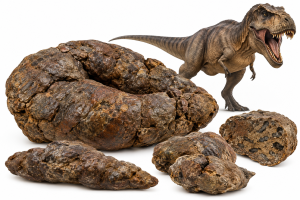
Dinosaur Poop Fossils For Sale give collectors a fascinating way to study evidence of prehistoric diets and ancient ecosystems. Scientists call fossilized feces coprolites. The name comes from Greek words meaning “dung stone.” Although many prehistoric animals produced coprolites, some large specimens may have come from dinosaurs.
How Dinosaur Poop Fossils Form
Normally, animal waste breaks down quickly. However, under the right conditions, minerals can preserve it. First, sediment must cover the waste before it completely decays. Then, mineral-rich water can move through the buried material. Over time, minerals may replace or fill parts of the original waste. Eventually, the material can harden into a fossil.
Because fossilization requires special conditions, dinosaur coprolites are much less common than ordinary waste once was. Moreover, identifying the exact dinosaur that produced a coprolite can be difficult. Scientists usually consider its age, location, size, shape, and preserved contents.
What Dinosaur Coprolites Reveal
Dinosaur Poop Fossils For Sale may preserve important clues about ancient diets. For example, some coprolites contain bone fragments, fish scales, plant material, or other food remains. Therefore, scientists can sometimes determine whether the animal that produced them ate meat, plants, or both.
In addition, coprolites can reveal information about prehistoric food webs and ancient environments. Researchers may study them with microscopes, chemical analysis, and modern imaging technology. However, scientists compare these results with other fossils and geological evidence before reaching conclusions.
Collecting Dinosaur Poop Fossils
Today, Dinosaur Poop Fossils For Sale attract museums, educators, fossil collectors, and dinosaur enthusiasts. Each genuine coprolite represents unusual evidence of prehistoric feeding and digestion. Most importantly, these remarkable fossils offer a direct glimpse into the everyday lives of animals that lived millions of years ago.
Showing 1–50 of 88 results
-
Sold out!
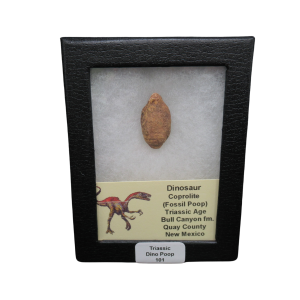
Coprolite – Triassic Dinosaur Poop for Sale from New Mexico #101
$20.00 -
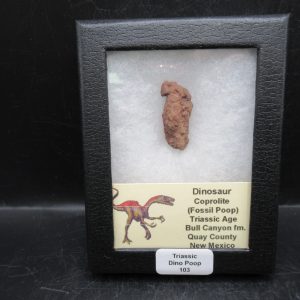
Coprolite – Triassic Dinosaur Poop for Sale from New Mexico #103
$20.00 -
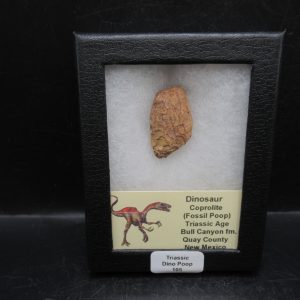
Coprolite – Triassic Dinosaur Poop for Sale from New Mexico #105
$20.00 -
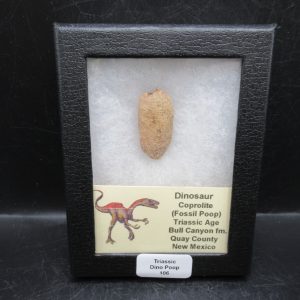
Coprolite – Triassic Dinosaur Poop for Sale from New Mexico #106
$20.00 -
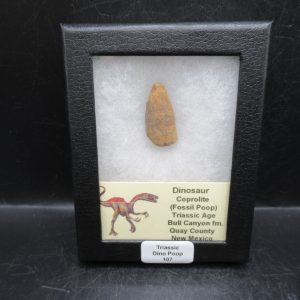
Coprolite – Triassic Dinosaur Poop for Sale from New Mexico #107
$20.00 -
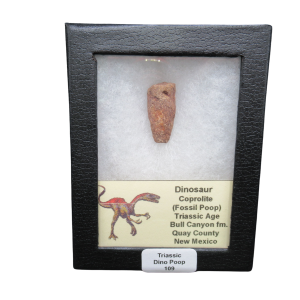
Coprolite – Triassic Dinosaur Poop for Sale from New Mexico #109
$20.00 -
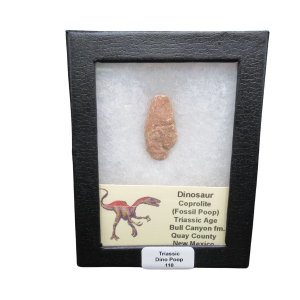
Coprolite – Triassic Dinosaur Poop for Sale from New Mexico #110
$20.00 -
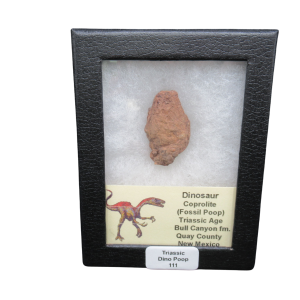
Coprolite – Triassic Dinosaur Poop for Sale from New Mexico #111
$20.00 -
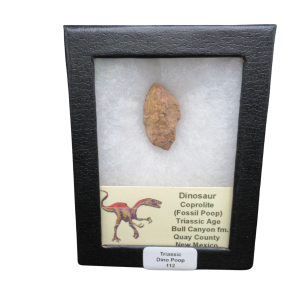
Coprolite – Triassic Dinosaur Poop for Sale from New Mexico #112
$20.00 -
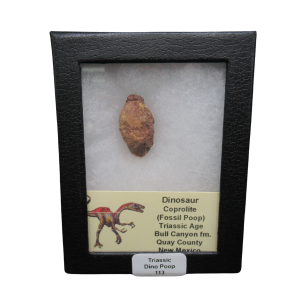
Coprolite – Triassic Dinosaur Poop for Sale from New Mexico #113
$20.00 -
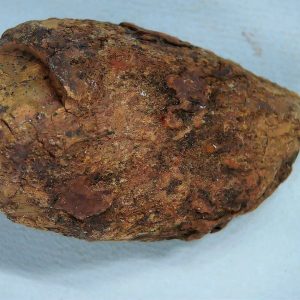
Coprolite – Triassic Dinosaur Poop for Sale from New Mexico #42
$10.00 -
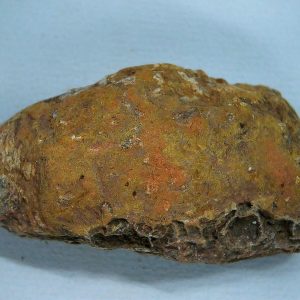
Coprolite – Triassic Dinosaur Poop for Sale from New Mexico #46
$10.00 -
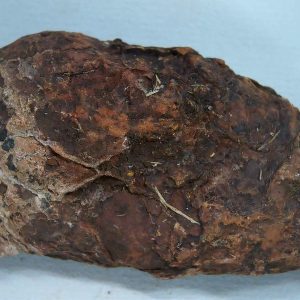
Coprolite – Triassic Dinosaur Poop for Sale from New Mexico #47
$10.00 -
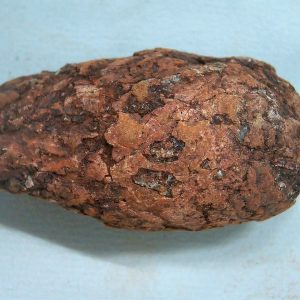
Coprolite – Triassic Dinosaur Poop for Sale from New Mexico #49
$10.00 -

Coprolite – Triassic Dinosaur Poop for Sale from New Mexico #50
$10.00 -
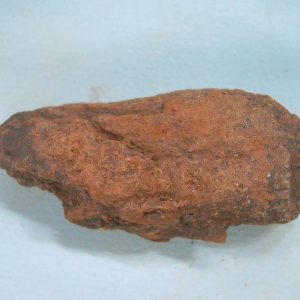
Coprolite – Triassic Dinosaur Poop for Sale from New Mexico #51
$10.00 -
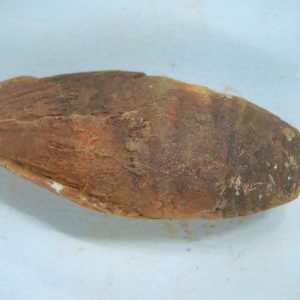
Coprolite – Triassic Dinosaur Poop for Sale from New Mexico #52
$10.00 -
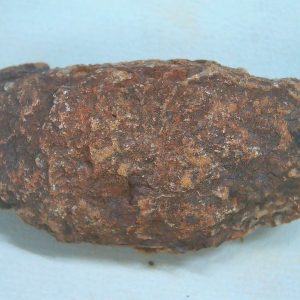
Coprolite – Triassic Dinosaur Poop for Sale from New Mexico #54
$10.00 -
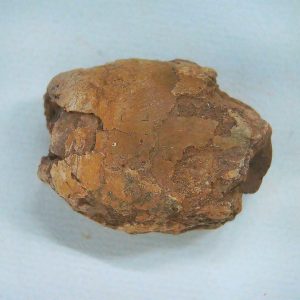
Coprolite – Triassic Dinosaur Poop for Sale from New Mexico #55
$10.00 -

Coprolite – Triassic Dinosaur Poop for Sale from New Mexico #56
$10.00 -

Coprolite – Triassic Dinosaur Poop for Sale from New Mexico #57
$10.00 -
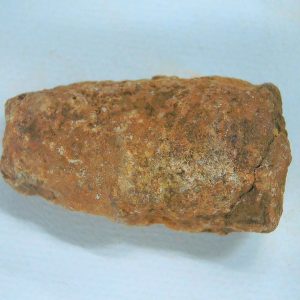
Coprolite – Triassic Dinosaur Poop for Sale from New Mexico #58
$10.00 -
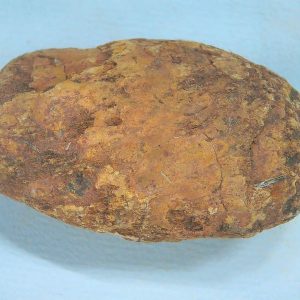
Coprolite – Triassic Dinosaur Poop for Sale from New Mexico #59
$10.00 -

Coprolite – Triassic Dinosaur Poop for Sale from New Mexico #60
$10.00 -
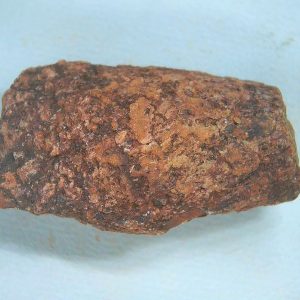
Coprolite – Triassic Dinosaur Poop for Sale from New Mexico #62
$10.00 -
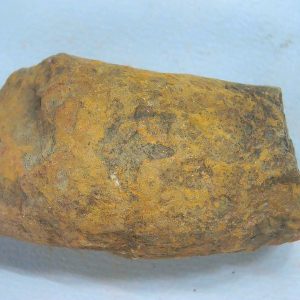
Coprolite – Triassic Dinosaur Poop for Sale from New Mexico #63
$10.00 -
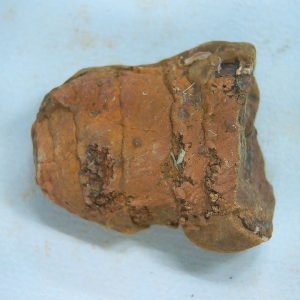
Coprolite – Triassic Dinosaur Poop for Sale from New Mexico #64
$10.00 -
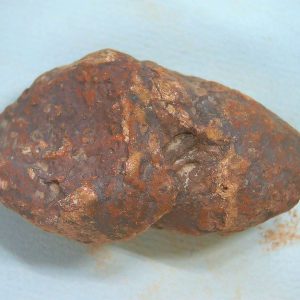
Coprolite – Triassic Dinosaur Poop for Sale from New Mexico #67
$10.00 -
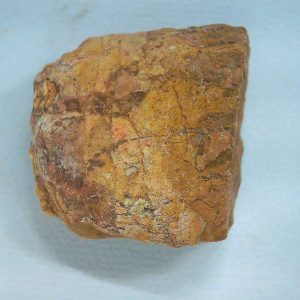
Coprolite – Triassic Dinosaur Poop for Sale from New Mexico #68
$10.00 -
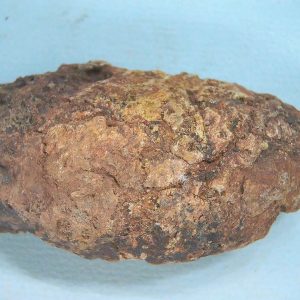
Coprolite – Triassic Dinosaur Poop for Sale from New Mexico #69
$10.00 -
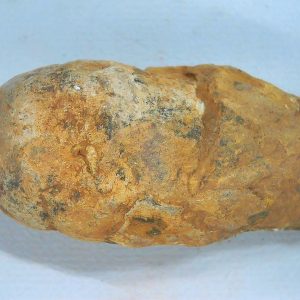
Coprolite – Triassic Dinosaur Poop for Sale from New Mexico #71
$10.00 -
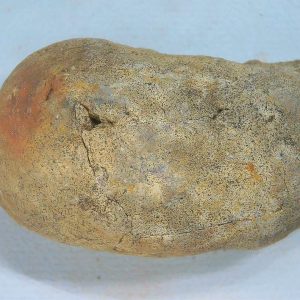
Coprolite – Triassic Dinosaur Poop for Sale from New Mexico #72
$10.00 -

Coprolite – Triassic Dinosaur Poop for Sale from New Mexico #73
$10.00 -
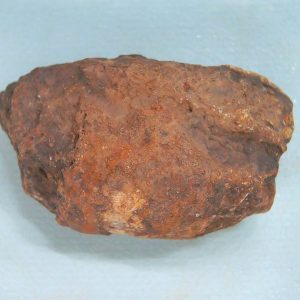
Coprolite – Triassic Dinosaur Poop for Sale from New Mexico #74
$10.00 -

Coprolite – Triassic Dinosaur Poop for Sale from New Mexico #75
$10.00 -
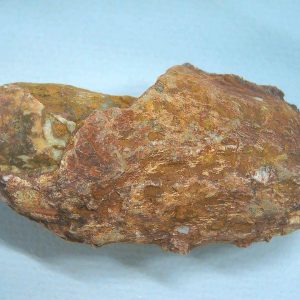
Coprolite – Triassic Dinosaur Poop for Sale from New Mexico #76
$10.00 -

Coprolite – Triassic Dinosaur Poop for Sale from New Mexico #78
$10.00 -
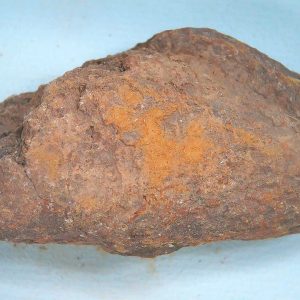
Coprolite – Triassic Dinosaur Poop for Sale from New Mexico #79
$10.00 -
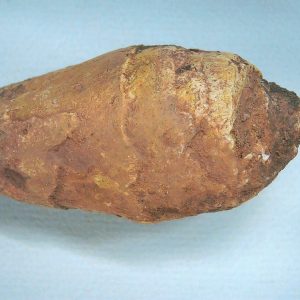
Coprolite – Triassic Dinosaur Poop for Sale from New Mexico #80
$10.00 -
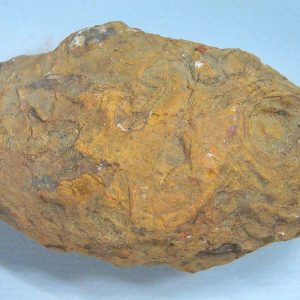
Coprolite – Triassic Dinosaur Poop for Sale from New Mexico #81
$10.00 -

Coprolite – Triassic Dinosaur Poop for Sale from New Mexico #82
$10.00 -
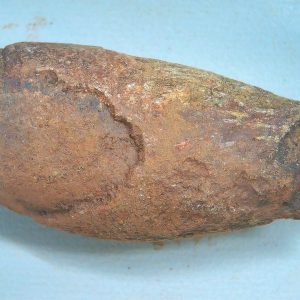
Coprolite – Triassic Dinosaur Poop for Sale from New Mexico #89
$10.00 -
Sold out!
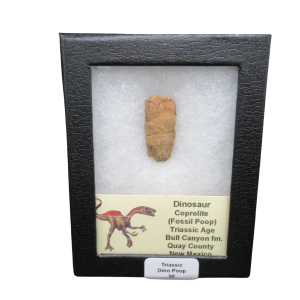
Coprolite – Triassic Dinosaur Poop for Sale from New Mexico #90
$20.00 -
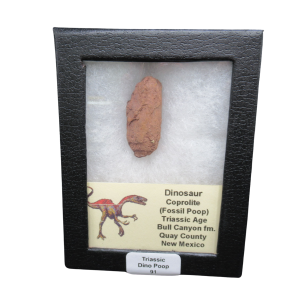
Coprolite – Triassic Dinosaur Poop for Sale from New Mexico #91
$20.00 -
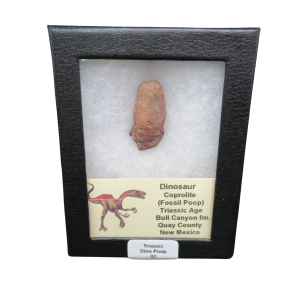
Coprolite – Triassic Dinosaur Poop for Sale from New Mexico #92
$20.00 -
Sold out!
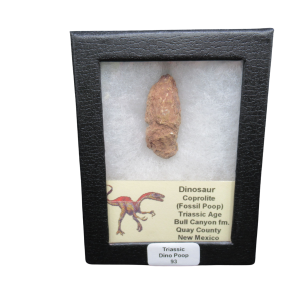
Coprolite – Triassic Dinosaur Poop for Sale from New Mexico #93
$20.00 -
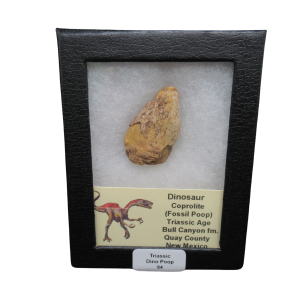
Coprolite – Triassic Dinosaur Poop for Sale from New Mexico #94
$20.00 -
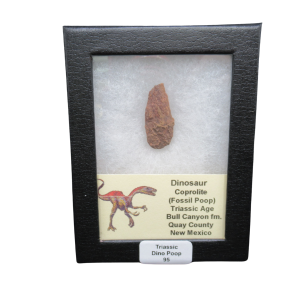
Coprolite – Triassic Dinosaur Poop for Sale from New Mexico #95
$20.00 -
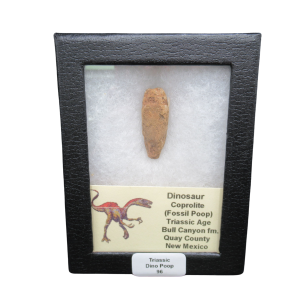
Coprolite – Triassic Dinosaur Poop for Sale from New Mexico #96
$20.00 -
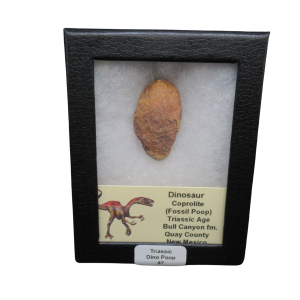
Coprolite – Triassic Dinosaur Poop for Sale from New Mexico #97
$20.00
Dinosaur Poop Fossils For Sale – Collecting Genuine Dinosaur Coprolites
Dinosaur Poop Fossils For Sale give collectors a fascinating way to own direct evidence of prehistoric animal activity. These fossils, known scientifically as coprolites, are fossilized feces that may preserve clues about ancient diets, ecosystems, and food chains. Therefore, well-documented coprolites can offer both scientific interest and strong educational value. In addition, genuine specimens make unusual and memorable additions to fossil collections.
What Are Dinosaur Coprolites?
A coprolite forms when animal waste becomes buried and survives long enough to fossilize. However, fossilization requires favorable conditions. Rapid burial can protect the material from weather, scavengers, and complete decay. Over time, minerals carried by groundwater may replace or fill parts of the original material.
Dinosaur poop fossils occur in many shapes and sizes. Some appear rounded or irregular, while others have long, segmented, or spiral forms. Moreover, their surfaces may show cracks, folds, or other textures. Nevertheless, shape alone usually cannot prove that a specimen came from a dinosaur.
What Can Dinosaur Poop Fossils Tell Us?
Coprolites can preserve evidence of prehistoric meals. For example, carnivore coprolites may contain tiny bone fragments, scales, or other hard animal remains. In contrast, waste from plant-eating animals may contain plant tissues, spores, pollen, or other botanical material.
Scientists may study coprolites with microscopes, CT imaging, and chemical analysis. As a result, researchers can sometimes identify food remains that are too small to see with the naked eye. Furthermore, the chemistry and mineral structure of a coprolite may help scientists understand how it fossilized.
Can a Coprolite Be Identified as T. rex Poop?
Collectors should use caution when sellers identify a coprolite as coming from a famous dinosaur such as Tyrannosaurus rex. Finding a specimen in the same geological formation as T. rex does not prove that the dinosaur produced it. Several animals often lived in the same environment.
Therefore, scientists normally consider several lines of evidence, including size, shape, fossil contents, geological age, locality, and associated remains. Even with this information, identifying the exact animal species may remain uncertain. This careful approach is important when evaluating Dinosaur Poop Fossils For Sale.
How to Choose Dinosaur Poop Fossils for a Collection
When buying a coprolite, first consider its locality, geological formation, and age. Reliable collection data can greatly improve the scientific and educational value of a specimen. In addition, collectors should buy from established fossil dealers who clearly describe what is known about each fossil.
Look for natural surface detail and good preservation. However, remember that appearance alone does not confirm fossilized dung. Some rocks and mineral formations can resemble coprolites. Consequently, reliable identification depends on geological context and, in some cases, scientific testing.
Why Collect Dinosaur Poop Fossils?
Dinosaur Poop Fossils For Sale appeal to collectors because they preserve evidence of animal behavior rather than only body parts. A fossil bone shows part of an animal’s anatomy. In contrast, a coprolite may reveal something about what that animal ate and how it interacted with its environment.
Ultimately, collecting dinosaur coprolites offers an unusual connection to prehistoric life. With accurate identification, reliable locality information, responsible sourcing, and clear documentation, these fossils can become scientifically interesting, educational, and memorable pieces in any fossil collection.