
Holzmaden Fossils For Sale | Genuine Jurassic Fossils
Holzmaden Fossils For Sale – Genuine Jurassic Fossils from Germany
Holzmaden Fossils For Sale include some of the most famous and scientifically important Jurassic fossils ever discovered. The Holzmaden region of Baden-Württemberg, Germany, is known worldwide for fossils preserved in the Posidonia Shale. These rocks formed about 183 million years ago during the Early Jurassic Period, especially the Toarcian Age.
Why Are Holzmaden Fossils So Well Preserved?
During the Early Jurassic, a warm sea covered the Holzmaden region. As marine animals died, some sank into deeper water where low-oxygen conditions reduced scavenging and slowed decay. In addition, fine sediment quickly covered many remains. As a result, Holzmaden fossils often show exceptional detail.
Because of this unusual preservation, Holzmaden Fossils For Sale are highly valued by fossil collectors, educators, museums, and natural history enthusiasts.
Holzmaden Ichthyosaur Fossils
Holzmaden is especially famous for ichthyosaurs. These streamlined marine reptiles had body shapes similar to modern dolphins, although they were reptiles rather than mammals. Remarkably, some Holzmaden ichthyosaur fossils preserve body outlines, stomach contents, and even embryos. Therefore, these specimens provide valuable evidence about ichthyosaur anatomy, diet, and reproduction.
Other Fossils from Holzmaden, Germany
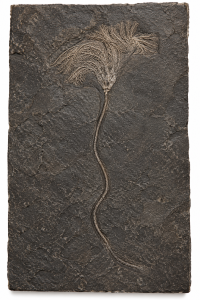
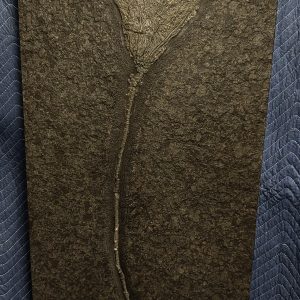
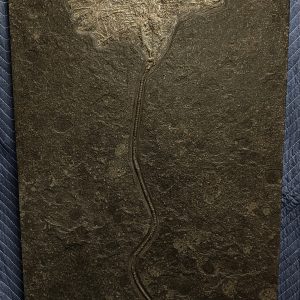
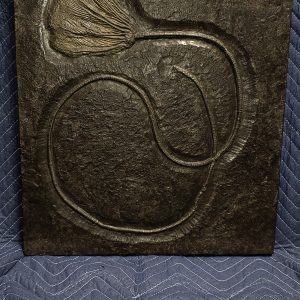
In addition to ichthyosaurs, the deposits contain plesiosaurs, marine crocodile relatives, fish, sharks, ammonites, belemnites, crinoids, and other marine organisms. Furthermore, ammonites rank among the most common Holzmaden fossils and help paleontologists correlate and date Jurassic rock layers.
Collecting Holzmaden Fossils
Holzmaden Fossils For Sale offer collectors a direct connection to an ancient Jurassic sea. Their scientific value, excellent preservation, and visual appeal have made them popular for generations. Consequently, genuine Holzmaden fossils remain important examples of Early Jurassic marine life and provide an extraordinary window into ecosystems that existed nearly 183 million years ago.
Showing all 13 results
-
Holzmaden Crinoid Plate #1
$5,500.00 -
Holzmaden Crinoid Plate #2
$7,500.00 -
Sold out!
Holzmaden Crinoid Plate #4
-

Holzmaden Dactylioceras Ammonite #31
$30.00 -

Holzmaden Dactylioceras Ammonite #35
$30.00 -

Holzmaden Dactylioceras Ammonite #36
$30.00 -

Holzmaden Dactylioceras Ammonite #37
$30.00 -

Holzmaden Dactylioceras Ammonite #43
$30.00 -
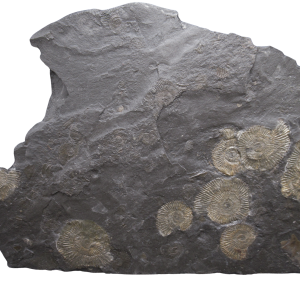
Holzmaden Dactylioceras Jurassic German Ammonite Plate #52
$65.00 -
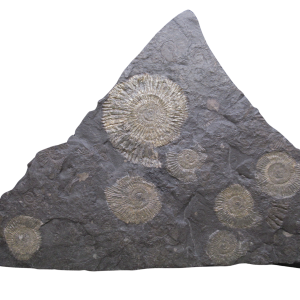
Holzmaden Dactylioceras Jurassic German Ammonite Plate #53
$65.00 -
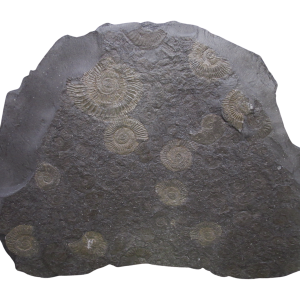
Holzmaden Dactylioceras Jurassic German Ammonite Plate #54
$65.00 -
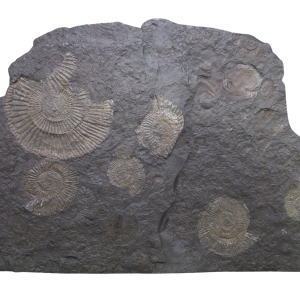
Holzmaden Dactylioceras Jurassic German Ammonite Plate #56
$65.00 -
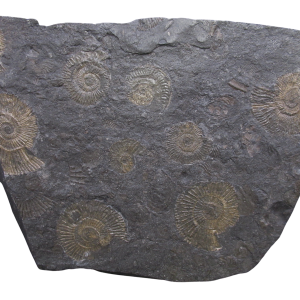
Holzmaden Dactylioceras Jurassic German Ammonite Plate #58
$50.00
- Buy Fossils
- Fossils for Sale
- Large Selection
- Great Prices and Great Selection
- Authenticity Guaranteed
- Satisfaction Guaranteed
- Your TRUSTED SOURCE SINCE 1997!
- Many more videos are available on our YouTube Channel.
Holzmaden Fossils For Sale: Scientific Significance of a World-Famous Jurassic Lagerstätte
Holzmaden Fossils For Sale appeal to collectors, museums, educators, and paleontology enthusiasts because specimens from Holzmaden preserve an exceptional record of Early Jurassic marine life. Located in Baden-Württemberg, Germany, the Holzmaden fossil region is internationally known for fossils from the Posidonia Shale Formation, especially marine reptiles, ammonites, belemnites, crinoids, and other marine organisms.
The Holzmaden deposits date to the Early Jurassic, primarily the Toarcian Stage, about 183 million years ago. Because many fossils preserve articulated skeletons and, in rare cases, traces of soft anatomy, Holzmaden has become one of the most important fossil localities for studying Jurassic marine ecosystems, fossil preservation, and vertebrate evolution.
Geology of Holzmaden Fossils
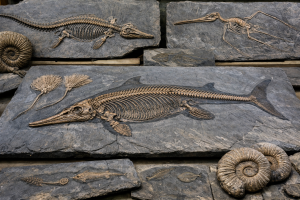
Most Holzmaden fossils come from the Posidonia Shale Formation. These sediments formed in a shallow marine basin during the Early Jurassic. Fine-grained, organic-rich mud accumulated on the seafloor and later hardened into dark shale and limestone layers.
Why Fossils Were Preserved So Well
Low-oxygen conditions near the seafloor often limited scavengers and reduced disturbance of dead organisms. As a result, some animals remained articulated long enough to become buried. Fine sediment also helped preserve delicate anatomical features that normally disappear quickly after death.
Important geological characteristics include:
- Fine-grained black and gray shale
- Organic-rich sediment
- Thin laminated layers
- Limited bioturbation in many horizons
- Exceptional preservation in selected beds
Because of this unusual preservation, paleontologists classify parts of the Holzmaden deposit as a Konservat-Lagerstätte, a fossil deposit known for preserving unusually complete organisms and delicate biological details.
Exceptional Preservation in Holzmaden Fossils
One reason Holzmaden Fossils For Sale remain highly desirable is the remarkable quality seen in some specimens. Holzmaden is especially famous for marine reptiles that preserve nearly complete skeletons, body outlines, stomach contents, and evidence related to reproduction.
Ichthyosaurs and Soft-Tissue Evidence
Ichthyosaurs from Holzmaden have provided important evidence about body shape and life history. Some specimens preserve body outlines around the skeleton, which helped scientists understand the streamlined form of these marine reptiles.
Other remarkable specimens include pregnant ichthyosaurs with embryos preserved inside the body cavity. These fossils provide strong evidence that ichthyosaurs gave birth to live young rather than laying eggs on land.
Preserved Stomach Contents and Cephalopod Features
Some Holzmaden fossils preserve stomach contents containing fish remains or cephalopods. Belemnites may also preserve ink sacs and related structures. Such fossils help researchers reconstruct feeding behavior, predator-prey relationships, and the biology of extinct marine animals.
Major Fossils Found at Holzmaden
Marine Reptiles
Marine reptiles are among the most famous fossils from Holzmaden. Important genera include Stenopterygius, Eurhinosaurus, Temnodontosaurus, and plesiosaurs from the Posidonia Shale.
These fossils have helped scientists study:
- Live birth in ichthyosaurs
- Marine reptile locomotion
- Predator-prey relationships
- Growth and development
- Adaptations to open-water life
Holzmaden Ammonites
Ammonites are among the most common and useful Holzmaden fossils. Because ammonite species changed relatively quickly through geological time, paleontologists use them as important index fossils for correlating and dating Jurassic rock layers.
Well-known genera from the region include Dactylioceras, Harpoceras, and Hildoceras.
These fossils help researchers refine the age of sedimentary layers and compare the Holzmaden sequence with other Jurassic formations across Europe.
Belemnites, Crinoids, and Other Invertebrates
Holzmaden also preserves many marine invertebrates. Belemnites are particularly notable because some specimens retain ink sacs or other soft-part evidence.
Other fossils include:
- Crinoids
- Bivalves
- Gastropods
- Arthropods
- Fish
- Various cephalopods
Holzmaden and the Early Jurassic Marine Environment
The Posidonia Shale formed during a time of major environmental change in the Early Jurassic. Marine productivity was high, while oxygen levels near the seafloor sometimes fell sharply. These changing conditions affected both the ecosystem and the way organisms became preserved.
The Toarcian Oceanic Anoxic Event
The Holzmaden deposits are closely associated with the broader Toarcian Oceanic Anoxic Event, a period when many marine environments experienced reduced oxygen levels. This event also coincided with major changes in the global carbon cycle, climate, and marine ecosystems.
Holzmaden fossils therefore provide valuable evidence for studying how marine organisms responded to environmental stress during the Early Jurassic.
Scientific Importance of Holzmaden Fossils
Holzmaden has played an important role in paleontology for more than a century. Fossils from the region appear in museum collections and scientific studies around the world.
Research Contributions
Holzmaden specimens have contributed to research involving:
- Marine reptile evolution
- Ichthyosaur reproduction
- Soft-tissue fossilization
- Jurassic food webs
- Ammonite biostratigraphy
- Jurassic climate and ocean chemistry
- Fossil preparation and conservation
Important collections include specimens at the Staatliches Museum für Naturkunde Stuttgart and the Urwelt-Museum Hauff in Holzmaden. University and museum collections worldwide also contain scientifically important fossils from the Posidonia Shale.
Fossil Preparation and Collecting History
The Holzmaden region also became famous for skilled fossil preparation. Generations of preparators developed techniques for exposing delicate fossils from shale while preserving fine anatomical details.
Traditional Preparation Techniques
Preparation may involve careful mechanical removal of matrix, stabilization of fragile fossil material, and mounting specimens for display. Historically, preparators often exposed large marine reptiles on dark shale slabs, creating the distinctive presentation style associated with Holzmaden fossils.
Because some specimens contain pyrite or fragile carbonaceous material, proper conservation and stable storage conditions are also important.
Collecting Holzmaden Fossils For Sale
Holzmaden Fossils For Sale can include ammonites, belemnites, crinoids, fish, marine reptile material, and other Jurassic fossils from the Posidonia Shale. Quality, rarity, completeness, preparation, provenance, and scientific importance can all influence collector interest and value.
When purchasing fossils, collectors should choose established fossil dealers who clearly identify specimens and provide accurate locality and geological information whenever available.
Buy Holzmaden Fossils with Confidence
Prehistoric Fossils offers genuine fossils for collectors, educators, museums, and natural history enthusiasts. Accurate identification and dependable provenance information help collectors better understand the scientific importance of each specimen.
Buy fossils from Prehistoric Fossils with confidence. Your Trusted Source Since 1997. Authenticity Guaranteed.
Conclusion
Holzmaden fossils provide an extraordinary window into Early Jurassic marine life. Their exceptional preservation, diverse fossil fauna, and detailed geological setting allow scientists to study ancient ecosystems with unusual precision.
From articulated ichthyosaurs and ammonites to belemnites and crinoids, Holzmaden continues to influence research in paleontology, geology, evolution, and fossil conservation. For collectors seeking scientifically important Jurassic material, Holzmaden Fossils For Sale represent specimens from one of the most famous fossil regions in the world.