
Pterodactyl Fossils For Sale | Authentic Fossil Specimens
Pterodactyl Fossils For Sale
Pterodactyl fossils give us a fascinating look at flying reptiles that lived during the Age of Dinosaurs. However, the term “pterodactyl” can cause some confusion. Scientists use Pterodactylus for one specific genus of pterosaur rather than for all flying reptiles from that time. In addition, pterosaurs were not dinosaurs, although they lived alongside dinosaurs.
About Pterodactylus Fossils
Pterodactylus lived during the Late Jurassic Period, roughly 150 million years ago. Fossils of this small flying reptile have been found mainly in Europe, especially in Germany’s famous Solnhofen Limestone. This fine-grained rock preserved delicate fossils remarkably well. As a result, some Pterodactylus fossils show bones, teeth, and impressions of soft tissues.
Where Pterodactyl Fossils Were Found
The Solnhofen Limestone is especially important to the study of pterosaurs. Its fine sediment helped preserve fragile remains that might otherwise have disappeared. Therefore, specimens from this region provide valuable information about Jurassic flying reptiles. For collectors researching Pterodactyl Fossils For Sale, location and geological provenance can add important context to a specimen.
Pterodactyl Anatomy and Flight
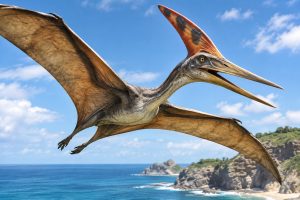
Pterodactylus had a lightweight body and long wings. Its wings consisted of skin and other tissues stretched between its body, legs, and an elongated fourth finger. Therefore, the animal could fly, glide, and maneuver through the air. Unlike birds, however, it did not have feathers.
Diet and Growth
Moreover, Pterodactylus had a relatively long, narrow skull filled with small teeth. Scientists think it may have eaten insects, small animals, and other available prey. Because fossil evidence can reveal bone structure and growth patterns, researchers can also study how these animals developed as they matured.
Authentic Pterodactyl Fossils
Today, genuine pterodactyl fossils remain valuable to scientists and collectors. Nevertheless, buyers should examine provenance and authenticity carefully when considering Pterodactyl Fossils For Sale. Well-documented specimens provide both scientific and educational value. Ultimately, each fossil helps researchers better understand the remarkable history of pterosaurs and life during the Jurassic Period.
Showing all 17 results
-

Siroccopteryx Pterosaur Tooth Morocco #45
$55.00 -

Siroccopteryx Pterosaur Tooth Morocco #49
$55.00 -

Siroccopteryx Pterosaur Tooth Morocco #50
$55.00 -

Siroccopteryx Pterosaur Tooth Morocco #52
$55.00 -

Siroccopteryx Pterosaur Tooth Morocco #53
$55.00 -

Siroccopteryx Pterosaur Tooth Morocco #56
$55.00 -

Siroccopteryx Pterosaur Tooth Morocco #57
$55.00 -

Siroccopteryx Pterosaur Tooth Morocco #58
$55.00 -

Siroccopteryx Pterosaur Tooth Morocco #59
$55.00 -
Sold out!

Siroccopteryx Pterosaur Tooth Morocco #62
$55.00 -

Siroccopteryx Pterosaur Tooth Morocco #63
$55.00 -

Siroccopteryx Pterosaur Tooth Morocco #64
$55.00 -

Triassic Pterosaur Tooth #14
$65.00 -
Sold out!

Triassic Pterosaur Tooth #15
$65.00 -

Triassic Pterosaur Tooth #3
$65.00 -

Triassic Pterosaur Tooth #4
$65.00 -

Triassic Pterosaur Tooth #5
$65.00
Pterodactyl Fossils For Sale
Pterodactyl Fossils For Sale can attract collectors who want a fascinating connection to the Jurassic Period. However, buyers should understand what the term “pterodactyl” means. In everyday language, people often use “pterodactyl” for flying reptiles in general. Scientifically, Pterodactylus refers to a specific genus of pterosaur. Pterosaurs were flying reptiles, but they were not dinosaurs.
Pterodactylus lived during the Late Jurassic, roughly 150 million years ago. Its fossils provide valuable evidence about early pterosaurs, including their body structure, growth, and ability to fly. Because pterosaur bones were hollow and delicate, well-preserved specimens can be uncommon and highly interesting to collectors.
Where Are Pterodactyl Fossils Found?
Famous Jurassic Fossil Deposits
Many important Pterodactyl fossils come from the Solnhofen Limestone deposits of Bavaria, Germany. These Late Jurassic limestone beds formed in ancient shallow marine lagoons. Fine sediments helped preserve delicate fossil remains in exceptional detail.
As a result, some specimens preserve thin bones and other impressions that provide scientists with useful information. However, fossil collecting laws differ by country, state, and landowner. Therefore, collectors should always verify ownership and collecting rules before removing or purchasing fossils.
What to Look for When Buying Pterodactyl Fossils
Authenticity and Provenance
When searching for Pterodactyl Fossils For Sale, authenticity should be a top priority. Pterosaur fossils can contain repairs, restorations, or reconstructed sections. Some specimens may also include modern material that fills gaps or replaces missing portions.
For this reason, buyers should ask sellers for clear photographs and detailed information about a specimen. Reliable sellers should disclose known repairs and restoration. Provenance, which documents a fossil’s history and origin, can also provide valuable information. However, collectors should remember that a certificate alone does not prove that every part of a specimen is genuine.
Learn Basic Pterosaur Anatomy
Knowledge can help collectors make better decisions. Pterodactylus had lightweight, hollow bones and an elongated fourth finger that supported its wing membrane. By learning basic pterosaur anatomy, collectors can better understand what they are viewing and recognize unusual or heavily restored specimens.
Caring for Pterodactyl Fossils
Safe Handling and Storage
Pterosaur fossils require careful handling because their thin bones can break easily. Keep specimens on stable surfaces and support fragile sections whenever possible. Also, protect fossils from impacts, excessive moisture, and sudden environmental changes.
Avoid using household glues or attempting repairs without proper knowledge. Instead, damaged or unstable specimens should receive attention from an experienced fossil preparator or conservator. Proper storage and careful handling can help preserve a fossil for future study and enjoyment.
Responsible Fossil Collecting
Responsible collecting protects both fossils and the scientific record. Collect only when you have legal permission, and whenever possible, document the specimen’s location, geological setting, and collecting history. Particularly important fossils may contain scientific information that researchers cannot recover once geological context is lost.
For collectors interested in Pterodactyl Fossils For Sale, careful research is therefore essential. A reputable source should provide accurate identification, disclose restoration, and offer useful provenance information. By combining responsible collecting with an interest in paleontology, fossil enthusiasts can enjoy remarkable pieces of Jurassic history while helping preserve the scientific value of the fossil record.