
Geodes For Sale | Natural Crystal Geodes, Quartz & Agate
Geodes For Sale | Natural Crystal-Filled Geological Formations
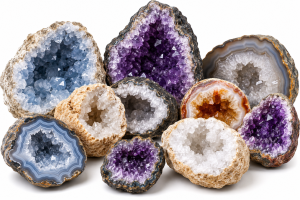
Geodes For Sale offer collectors, students, and natural history enthusiasts a fascinating look inside the Earth. Geodes are natural rock formations with hollow or partly hollow centers lined with minerals and crystals. Although many geodes look like ordinary rocks on the outside, their interiors may contain sparkling quartz, calcite, amethyst, celestite, and other minerals. Most importantly, geodes form through natural geological processes that may take thousands to millions of years.
How Do Geodes Form?
Geodes commonly begin as open spaces within volcanic or sedimentary rocks. For example, gas bubbles can leave cavities in cooling volcanic lava. In sedimentary rocks, cavities may form when organic material or minerals dissolve and leave open spaces behind.
Over time, groundwater moves through cracks and pores in the surrounding rock. This mineral-rich water enters the cavity and deposits dissolved material. Then, changes in temperature, pressure, or water chemistry cause minerals to crystallize along the inner walls. Therefore, each geode develops according to its unique geological environment.
What Minerals Are Found Inside Geodes?
Many Geodes For Sale contain quartz or chalcedony, which are among the most common minerals found inside geodes. However, some specimens may also contain calcite, amethyst, celestite, barite, or other mineral species. The exact mineral content depends on the chemistry of the groundwater and surrounding rock.
Additionally, crystals often grow inward from the cavity walls. If the cavity does not completely fill with minerals, an open crystal-lined center remains. As a result, collectors often prize geodes for their sparkling interiors, unusual crystal shapes, and natural color variations.
Where Are Geodes Found?
Geodes occur in many regions around the world. For instance, important deposits occur in the United States, Mexico, Brazil, Morocco, and other countries. Iowa is especially well known for geodes and recognizes the geode as its official state rock.
Why Collect Geodes?
Geodes For Sale provide both natural beauty and educational value. Each specimen records part of Earth’s geological history through its mineral layers, crystal structure, and internal cavity. Therefore, geodes can help collectors learn about mineral formation, groundwater chemistry, volcanic activity, and sedimentary processes.
Finally, every natural geode is different. Its crystal size, mineral composition, shape, and color make each specimen unique. For this reason, geodes remain popular with mineral collectors, educators, children, and anyone interested in Earth’s natural history.
Showing 1–50 of 52 results
-

Brazil Geode Half – Small #1
$7.50 -

Brazil Geode Half – Small #10
$7.50 -

Brazil Geode Half – Small #14
$7.50 -

Brazil Geode Half – Small #16
$7.50 -

Brazil Geode Half – Small #19
$7.50 -

Brazil Geode Half – Small #2
$6.00 -

Brazil Geode Half – Small #21
$7.50 -
Sold out!

Brazil Geode Half – Small #23
$7.50 -

Brazil Geode Half – Small #24
$7.50 -

Brazil Geode Half – Small #3
$6.00 -

Brazil Geode Half – Small #4
$6.00 -

Brazil Geode Half – Small #5
$6.00 -

Brazil Geode Half – Small #6
$7.50 -

Brazil Geode Half – Small #7
$7.50 -

Brazil Geode Half – Small #8
$7.50 -

Brazil Geode Half – Small #9
$7.50 -
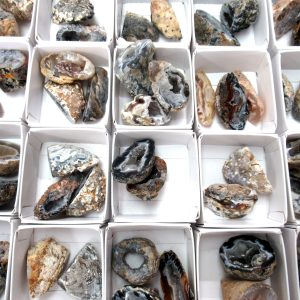
Brazil Geode Half – Small (1 From Group)
$6.00 -

Brazil Cut and Polished Geode #1
$25.00 -

Brazil Cut and Polished Geode #10
$25.00 -
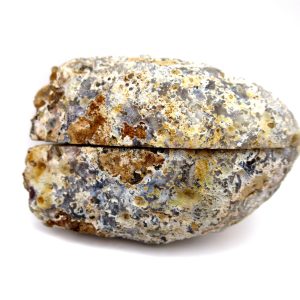
Brazil Cut and Polished Geode #4
$25.00 -

Brazil Cut and Polished Geode #5
$25.00 -

Brazil Cut and Polished Geode #7
$25.00 -

Brazil Cut and Polished Geode #9
$25.00 -
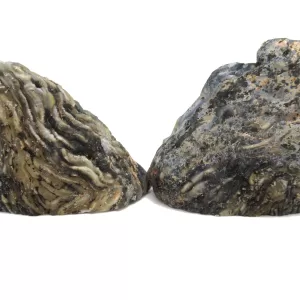
Brazilian Geode Pair for Sale #11
$25.00 -
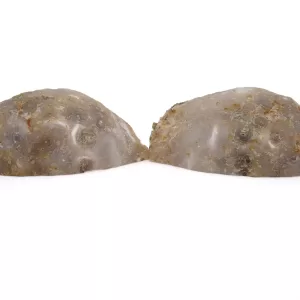
Brazilian Geode Pair for Sale #13
$25.00 -
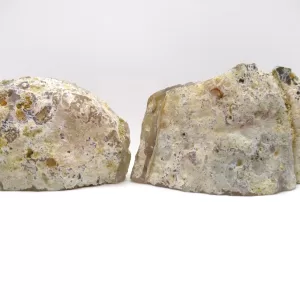
Brazilian Geode Pair for Sale #17
$25.00 -
Sold out!
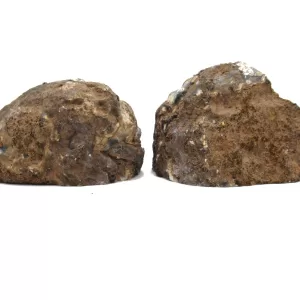
Brazilian Geode Pair for Sale #18
$25.00 -
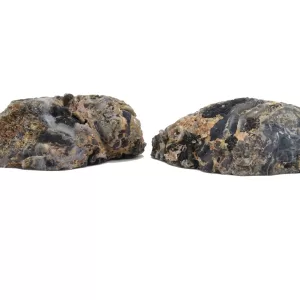
Brazilian Geode Pair for Sale #19
$25.00 -
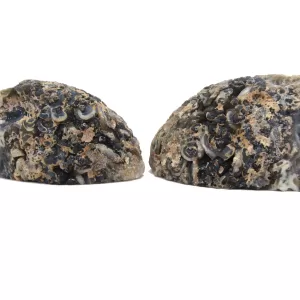
Brazilian Geode Pair for Sale #20
$25.00 -
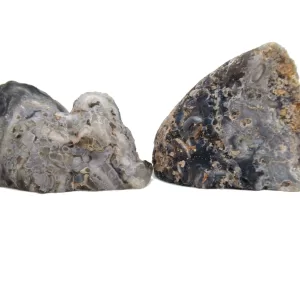
Brazilian Geode Pair for Sale #21
$25.00 -
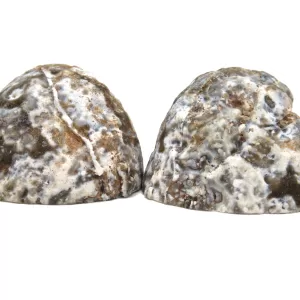
Brazilian Geode Pair for Sale #22
$25.00 -
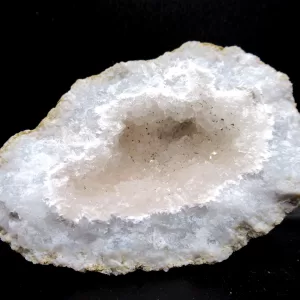
Keokuk Iowa Geode Pair for Sale #1
$20.00 -
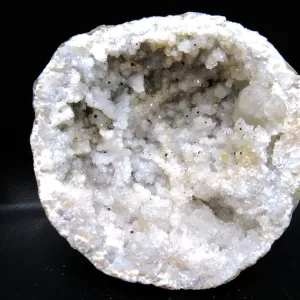
Keokuk Iowa Geode Pair for Sale #11
$20.00 -
Sold out!
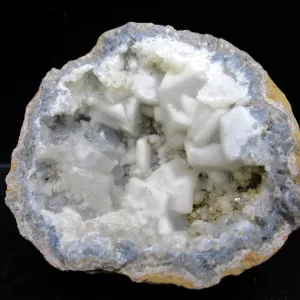
Keokuk Iowa Geode Pair for Sale #12
$20.00 -
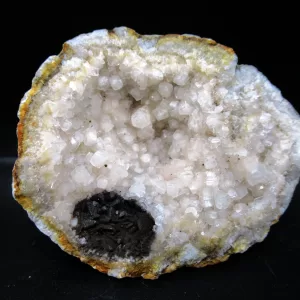
Keokuk Iowa Geode Pair for Sale #6
$20.00 -
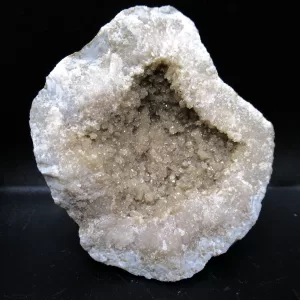
Keokuk Iowa Geode Pair for Sale #8
$20.00 -
Sold out!
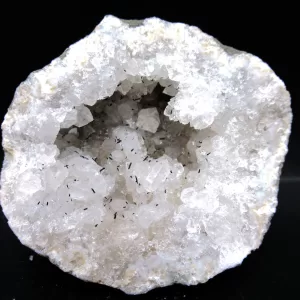
Keokuk Iowa Geode Pair for Sale #9
$20.00 -

Large Nativity Geode #11
$25.00 -
Sold out!

Large Nativity Geode #12
$25.00 -

Large Nativity Geode #13
$25.00 -

Large Nativity Geode #14
$25.00 -

Large Nativity Geode #5
$25.00 -

Large Nativity Geode #8
$25.00 -

Medium Nativity Geode #1
$20.00 -

Medium Nativity Geode #3
$20.00 -

Medium Nativity Geode #4
$20.00 -
Sold out!

Medium Nativity Geode #5
$20.00 -

Small Nativity Geode #1
$15.00 -

Small Nativity Geode #2
$15.00 -

Small Nativity Geode #4
$15.00
Geodes For Sale | Natural Crystal Geodes and Mineral Specimens
Geodes For Sale offer collectors, students, and mineral enthusiasts a fascinating look inside natural rock cavities filled with crystals and mineral deposits. From the outside, many geodes look like ordinary rocks. However, when opened, they may reveal sparkling quartz, colorful agate, calcite crystals, or other minerals. Because each specimen forms under different geological conditions, every natural geode is unique.
How Do Geodes Form?
Geodes begin when a hollow space develops inside rock. For example, gas bubbles can create cavities within volcanic lava. In sedimentary rocks, cavities may form when organic material, minerals, or other substances dissolve and leave an open space.
Next, groundwater moves through tiny cracks and pores in the surrounding rock. This water carries dissolved silica, calcium carbonate, and other mineral-forming chemicals. As conditions change, minerals begin to crystallize along the cavity walls.
Over time, repeated mineral deposition creates layers that grow inward. However, the cavity may remain partly open. As a result, well-formed crystals can develop inside. This hollow, crystal-lined structure creates the classic geode that collectors recognize.
What Minerals Occur in Geodes?
Many Geodes For Sale contain quartz, one of the most common minerals found in geodes. Quartz consists of silicon dioxide, or SiO2. Clear quartz often forms pointed crystals that project toward the center of the cavity. Additionally, trace elements and natural irradiation can influence quartz color. For instance, purple quartz is known as amethyst.
Agate also commonly occurs inside geodes. Unlike large quartz crystals, agate consists mainly of extremely fine intergrowths of silica minerals. Consequently, it often forms smooth, colorful bands around the inside of the specimen.
Calcite may also develop in geodes. Calcite consists of calcium carbonate, or CaCO3, and can form attractive crystal shapes. In addition, some geodes may contain celestine, barite, dolomite, iron oxides, or other minerals. Therefore, geodes from different regions can vary greatly in color, texture, and crystal form.
Where Are Geodes Found?
Geodes occur in many parts of the world. Important deposits occur in the United States, Mexico, Brazil, Uruguay, and Morocco. However, the minerals inside each geode depend heavily on the geology of its original location.
For example, the Keokuk region of Iowa, Illinois, and Missouri is famous for geodes found in sedimentary rocks of Mississippian age. These specimens commonly contain quartz and calcite. Meanwhile, volcanic regions of Brazil and Uruguay produce spectacular geodes containing agate, quartz, and deep-purple amethyst.
Mexico is also well known for crystal geodes, including specimens that contain clear quartz and other attractive minerals.
Why Are Natural Geodes Important?
Natural geodes provide more than decorative beauty. They also demonstrate important geological processes. Their mineral layers and crystals record episodes of groundwater movement, mineral precipitation, and crystal growth. Therefore, geodes can help students and collectors understand how minerals form inside rocks.
Additionally, geodes offer an exciting introduction to geology. A plain-looking rock may contain an impressive crystal chamber inside. For this reason, cracking or cutting a geode can reveal mineral structures that remained hidden for millions of years.
Collecting Geodes For Sale
Collectors value Geodes For Sale for their crystal forms, mineral diversity, natural colors, and unique patterns. Some specimens remain completely natural, while others are cut into halves or polished to better display their interiors. Larger geodes may also become dramatic home, office, or classroom display pieces.
When choosing a geode, collectors often look at crystal quality, mineral type, color, size, locality, and overall appearance. Because every natural specimen formed independently, even geodes from the same location can show major differences.
Natural Geodes for Collectors and Education
Most importantly, every geode represents its own geological history. Water, minerals, chemistry, temperature, and time worked together to create the interior. Consequently, geodes provide a beautiful connection between mineral collecting and the geological processes that continue to shape Earth.
Whether you collect minerals, teach earth science, decorate with natural specimens, or simply enjoy opening a mystery rock, Geodes For Sale offer an interesting and visually impressive way to explore the natural world.