
Mosasaur Fossils For Sale | Genuine Mosasaurus Teeth
Mosasaur Fossils For Sale: Predators of the Cretaceous Seas
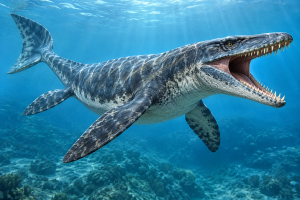
Mosasaur Fossils For Sale give collectors, educators, and fossil enthusiasts a fascinating connection to the powerful marine reptiles that lived during the Late Cretaceous Period. Mosasaurs thrived from about 98 to 66 million years ago. Although they lived alongside dinosaurs, mosasaurs were not dinosaurs. Instead, they belonged to a group of aquatic squamate reptiles related to lizards and snakes.
What Were Mosasaurs?
Mosasaurs had long bodies, strong tails, and paddle-like limbs. Therefore, their bodies were well adapted for swimming through ancient oceans. Many species also had large jaws filled with sharp, cone-shaped teeth. In addition, mosasaurs had extra teeth on the pterygoid bones in the roof of the mouth. These teeth helped them grip slippery prey.
Mosasaur Size, Diet, and Behavior
Mosasaurs varied greatly in size. Some species remained relatively small, while giants such as Mosasaurus hoffmannii reached impressive lengths. However, scientists continue to study the maximum size of the largest individuals. Depending on the species, mosasaurs ate fish, ammonites, sharks, marine reptiles, birds, and other available prey. Consequently, different mosasaurs filled several roles within Cretaceous marine food webs.
Where Are Mosasaur Fossils Found?
Today, paleontologists find mosasaur fossils in marine rocks across many parts of the world. For example, important specimens occur in North America, Europe, Africa, and the Middle East. Mosasaur teeth are especially common because these reptiles continually replaced their teeth during life. As a result, fossil teeth often provide collectors with an accessible way to own genuine mosasaur material.
Why Collect Mosasaur Fossils?
Mosasaur Fossils For Sale can include teeth, vertebrae, jaw sections, and other skeletal remains. These fossils help scientists study marine reptile evolution, feeding behavior, and ancient ocean environments. In addition, authentic mosasaur fossils provide collectors with direct evidence of life before the end-Cretaceous mass extinction about 66 million years ago.
Showing 1–50 of 87 results
-

Carinodens belgicus Tooth #2
$250.00 -

Carinodens belgicus Tooth #3
$250.00 -
Sold out!

Carinodens belgicus Tooth #4
$250.00 -

Globidens Mosasaurus Tooth #1
$45.00 -
Sold out!

Globidens Mosasaurus Tooth #10
$45.00 -

Globidens Mosasaurus Tooth #11
$45.00 -

Globidens Mosasaurus Tooth #12
$45.00 -

Globidens Mosasaurus Tooth #13
$45.00 -

Globidens Mosasaurus Tooth #14
$45.00 -

Globidens Mosasaurus Tooth #15
$45.00 -

Globidens Mosasaurus Tooth #16
$45.00 -

Globidens Mosasaurus Tooth #17
$45.00 -

Globidens Mosasaurus Tooth #18
$45.00 -

Globidens Mosasaurus Tooth #19
$45.00 -

Globidens Mosasaurus Tooth #2
$45.00 -

Globidens Mosasaurus Tooth #20
$45.00 -

Globidens Mosasaurus Tooth #21
$45.00 -

Globidens Mosasaurus Tooth #22
$45.00 -

Globidens Mosasaurus Tooth #23
$45.00 -

Globidens Mosasaurus Tooth #25
$45.00 -

Globidens Mosasaurus Tooth #26
$45.00 -

Globidens Mosasaurus Tooth #27
$45.00 -

Globidens Mosasaurus Tooth #28
$45.00 -

Igdamanosaurus Mosasaurus Rooted Tooth Fossil for Sale #1
$165.00 -

Igdamanosaurus Mosasaurus Rooted Tooth Fossil for Sale #2
$165.00 -

Globidens Mosasaurus Tooth #3
$45.00 -

Globidens Mosasaurus Tooth #4
$45.00 -

Globidens Mosasaurus Tooth #5
$45.00 -

Globidens Mosasaurus Tooth #6
$45.00 -

Globidens Mosasaurus Tooth #7
$45.00 -

Globidens Mosasaurus Tooth #8
$45.00 -

Globidens Mosasaurus Tooth #9
$45.00 -
Sold out!

Rooted Carinodens belgicus Tooth #1
$395.00 -
Sold out!

Mosasaurus Reptile Tooth #23
$25.00 -

Platecarpus ptychodon Rooted Tooth #10
$150.00 -

Platecarpus ptychodon Rooted Tooth #11
$150.00 -

Platecarpus ptychodon Rooted Tooth #8
$150.00 -

Platecarpus ptychodon Rooted Tooth #9
$150.00 -
Sold out!

Rooted Platecarpus ptychodon Tooth #1
$155.00 -

Rooted Platecarpus ptychodon Tooth #4
$100.00 -

Rooted Platecarpus ptychodon Tooth #5
$100.00 -

Rooted Platecarpus ptychodon Tooth #6
$155.00 -

Rooted Platecarpus ptychodon Tooth #7
$125.00 -

Prognathodon anceps Mosasaurus Tooth #10
$550.00 -

Prognathodon anceps Mosasaurus Tooth #7
$135.00 -

Prognathodon anceps Mosasaurus Tooth #8
$135.00 -
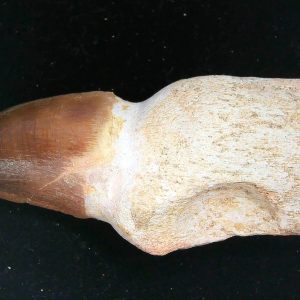
Prognathodon anceps Cretaceous Mosasaurus Tooth #24
$115.00 -
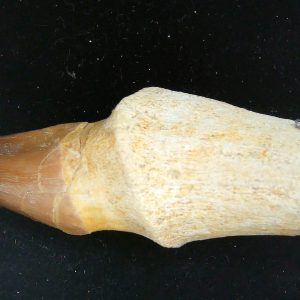
Prognathodon anceps Cretaceous Mosasaurus Tooth #25
$115.00 -
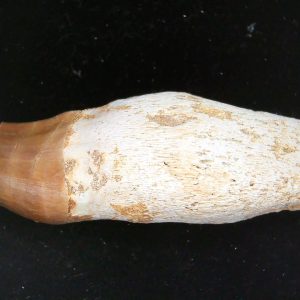
Prognathodon anceps Cretaceous Mosasaurus Tooth #26
$95.00 -
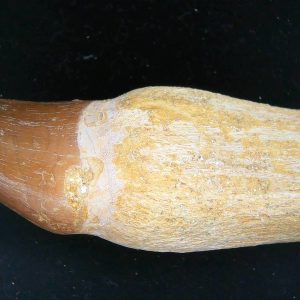
Prognathodon anceps Cretaceous Mosasaurus Tooth #27
$135.00
Mosasaur Fossils For Sale: Collecting Fossils From Cretaceous Marine Reptiles
Mosasaur Fossils For Sale give collectors, educators, and fossil enthusiasts the opportunity to own genuine remains from some of the most impressive marine reptiles of the Late Cretaceous Period. Mosasaurs lived roughly 98 to 66 million years ago and became major predators in ancient seas around the world. Although people sometimes call them marine dinosaurs, mosasaurs were actually aquatic squamate reptiles related to the broader group that includes modern lizards and snakes.
What Were Mosasaurs?
Mosasaurs evolved from land-dwelling or semi-aquatic squamate ancestors. Over time, their bodies became highly adapted for life in the ocean. For example, their limbs developed into paddle-like flippers. In addition, strong tails helped propel them through the water.
Some mosasaurs remained relatively small, while the largest species reached more than 10 meters in length. Moreover, many species had powerful jaws lined with sharp, conical teeth. These features made them effective marine predators.
What Did Mosasaurs Eat?
Mosasaurs ate a wide range of prey. Depending on the species, their diet could include fish, ammonites, sharks, marine reptiles, and other animals. Consequently, Mosasaur fossils help paleontologists study food webs and predator-prey relationships in Late Cretaceous oceans.
Popular Mosasaur Fossils For Sale
Mosasaur teeth rank among the most commonly collected fossils from these marine reptiles. Teeth often survive fossilization because enamel and dentine resist decay better than many softer tissues. Furthermore, mosasaurs continually replaced their teeth during life. Therefore, one animal could contribute many teeth to the fossil record.
Mosasaur Teeth
Collectors can find mosasaur teeth in many sizes, shapes, and colors. However, tooth shape varies among different mosasaur groups and can also change depending on the tooth’s position in the jaw. For this reason, identifying a species from one isolated tooth can sometimes be difficult.
When shopping for Mosasaur Fossils For Sale, collectors may also encounter vertebrae, jaw sections, bones, and partial skeletons. Complete or highly associated skeletons remain far less common and may have greater scientific importance.
Where Are Mosasaur Fossils Found?
Scientists have discovered mosasaur fossils on several continents. Important specimens come from North America, Europe, Africa, and other regions that once lay beneath Cretaceous seas.
Morocco Mosasaur Fossils
Morocco produces many mosasaur teeth and bones from Late Cretaceous marine deposits. As a result, Moroccan mosasaur fossils have become popular with both beginning and experienced collectors. However, preparation and restoration can vary, so buyers should examine specimen descriptions carefully.
North American Mosasaur Fossils
The Western Interior Seaway once covered much of central North America. Consequently, marine deposits in states such as Kansas, South Dakota, and Montana have produced mosasaur remains. Locality information can add important scientific and historical context to these fossils.
How to Evaluate Mosasaur Fossils For Sale
First, examine the fossil carefully. Natural mosasaur teeth commonly show genuine enamel, mineral staining, wear, cracks, or other features associated with fossilization. However, restoration and repair are common in the fossil market.
Watch for Restoration and Reconstruction
Some specimens may combine genuine teeth with reconstructed roots, repaired crowns, or artificial matrix. Therefore, collectors should buy from knowledgeable fossil dealers who clearly disclose repairs, restoration, and reconstruction when known.
Accurate identification also matters. In addition, locality information, formation data, and identification labels can improve the educational value of a specimen. A reputable dealer should provide clear information about what is known and avoid making unsupported species claims.
Provenance and Documentation Matter
Collectors should keep all identification labels, collection records, receipts, and locality information that accompany a fossil. These records help preserve provenance and can increase the long-term educational value of the specimen.
Furthermore, good documentation helps future collectors understand where the fossil came from and how it entered the collection. This practice supports responsible fossil collecting and reflects strong EEAT principles based on experience, expertise, authority, and trust.
Building a Mosasaur Fossil Collection
Beginning collectors can start with individual teeth and gradually add vertebrae, jaw fragments, or other skeletal material. Furthermore, comparing fossils from different genera, formations, or geographic regions can make a collection more educational.
Collect Legally and Responsibly
Most importantly, collectors should obtain fossils legally and follow all applicable local, state, federal, and international laws. Fossil ownership and collecting rules can vary depending on where a specimen was found and whether it came from public or private land.
Why Collect Mosasaur Fossils?
Ultimately, collecting Mosasaur Fossils For Sale combines natural history, paleontology, education, and the excitement of owning a genuine piece of the prehistoric world. Each fossil preserves evidence from marine ecosystems that disappeared about 66 million years ago.
As a result, a well-documented Mosasaur fossil can serve as both an impressive collectible and a valuable educational specimen. Collectors who focus on authenticity, documentation, accurate identification, and responsible sourcing can build collections that remain meaningful for years to come.