
Coral Fossils For Sale | Genuine Fossilized Coral Specimens
Coral Fossils For Sale – Ancient Reefs Preserved in Stone
Coral Fossils For Sale give collectors a fascinating way to explore ancient marine life and prehistoric oceans. Corals have lived in Earth’s seas for hundreds of millions of years. However, many ancient coral groups differed from the corals that build reefs today. Their fossils help scientists study changing oceans, climates, and marine ecosystems through geologic time.
What Are Fossil Corals?
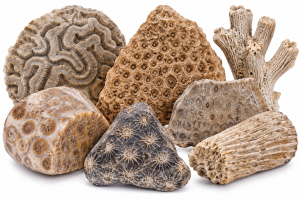
Corals are marine animals related to jellyfish and sea anemones. Each small animal, called a polyp, lives within a hard skeleton. As coral colonies grow, they can form large reef-like structures. Therefore, their durable skeletons often preserve well in sedimentary rock. Today, coral fossils for sale may show detailed colony patterns, growth structures, and internal features.
Important Types of Fossil Coral
Several important coral groups occur in the fossil record. Rugose corals, often called horn corals, appeared during the Ordovician Period and became common during the Paleozoic Era. Tabulate corals also flourished in Paleozoic seas. However, both groups disappeared during the end-Permian mass extinction about 252 million years ago. Modern-style scleractinian corals appeared during the Triassic Period.
How Coral Fossils Form
Fossil coral can form when sediment buries coral remains and protects them from destruction. Over time, minerals may fill pores or replace parts of the original skeleton. Consequently, some specimens preserve remarkable patterns and internal structures. In addition, polished fossil coral may reveal details that remain difficult to see on weathered surfaces.
Why Collect Coral Fossils?
Collectors value Coral Fossils For Sale for their natural beauty, variety, age, and scientific importance. Fossil coral can also provide clues about ancient water depth, marine conditions, and past environments. Therefore, each specimen offers more than decorative appeal. It preserves part of an ancient marine ecosystem and provides a direct connection to oceans that existed millions of years ago.
Showing 1–50 of 254 results
-
Sold out!

Hexagonaria Devonian Arizona Coral #1
$10.00 -

Hexagonaria Devonian Arizona Coral #2
$10.00 -

Hexagonaria Devonian Arizona Coral #3
$10.00 -
Sold out!

Hexagonaria Devonian Arizona Coral #4
$25.00 -

Hexagonaria Devonian Arizona Coral #5
$20.00 -
Sold out!

Hexagonaria Devonian Arizona Coral #6
$25.00 -
Sold out!

Pacyphyllum Devonian Arizona Coral #1
$15.00 -

Pacyphyllum Devonian Arizona Coral #2
$25.00 -
Sold out!

Pacyphyllum Devonian Arizona Coral #3
$25.00 -
Sold out!

Pacyphyllum Devonian Arizona Coral #4
$25.00 -

Pacyphyllum Devonian Arizona Coral #5
$25.00 -
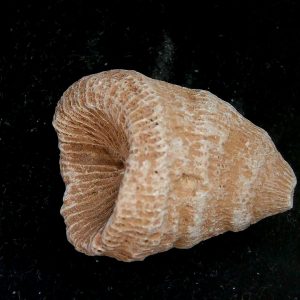
Rugose Coral – Horn Coral Fossil for Sale from Morocco #1
$7.50 -
Sold out!
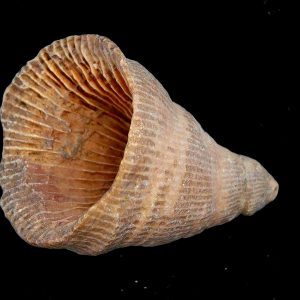
Rugose Coral – Horn Coral Fossil for Sale from Morocco #10
$7.50 -
Sold out!
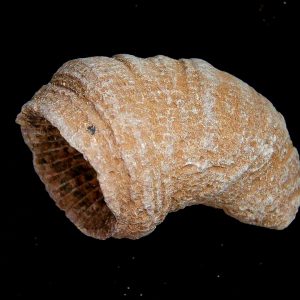
Rugose Coral – Horn Coral Fossil for Sale from Morocco #11
$7.50 -
Sold out!
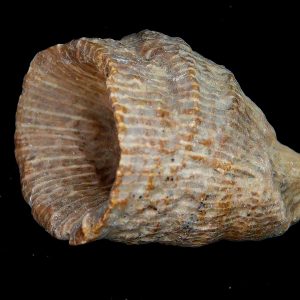
Rugose Coral – Horn Coral Fossil for Sale from Morocco #12
$7.50 -
Sold out!
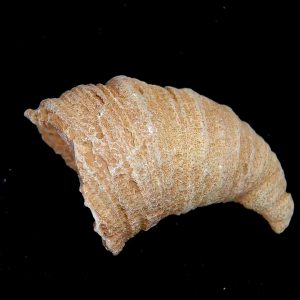
Rugose Coral – Horn Coral Fossil for Sale from Morocco #13
$7.50 -
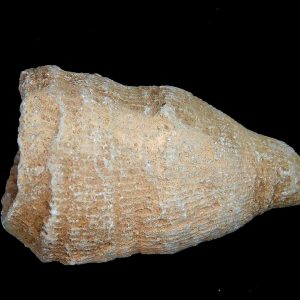
Rugose Coral – Horn Coral Fossil for Sale from Morocco #14
$7.50 -
Sold out!
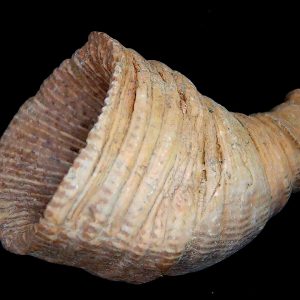
Rugose Coral – Horn Coral Fossil for Sale from Morocco #15
$7.50 -
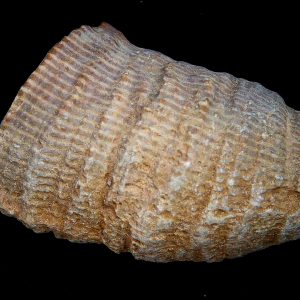
Rugose Coral – Horn Coral Fossil for Sale from Morocco #16
$7.50 -
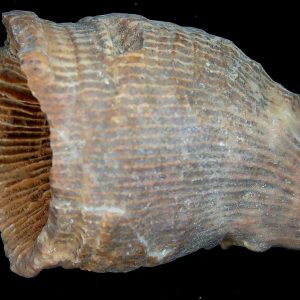
Rugose Coral – Horn Coral Fossil for Sale from Morocco #17
$7.50 -
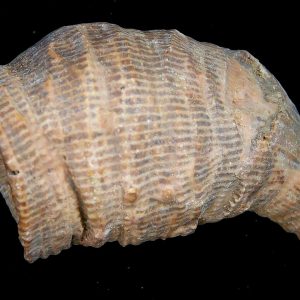
Rugose Coral – Horn Coral Fossil for Sale from Morocco #18
$7.50 -
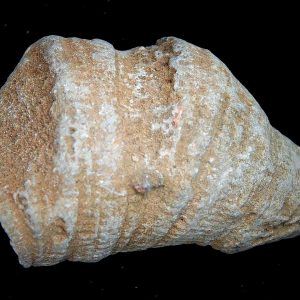
Rugose Coral – Horn Coral Fossil for Sale from Morocco #19
$7.50 -

Rugose Coral – Horn Coral Fossil for Sale from Morocco #2
$7.50 -
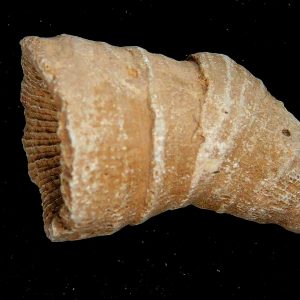
Rugose Coral – Horn Coral Fossil for Sale from Morocco #20
$10.00 -
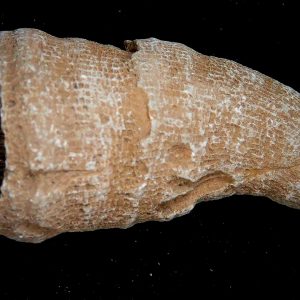
Rugose Coral – Horn Coral Fossil for Sale from Morocco #21
$10.00 -
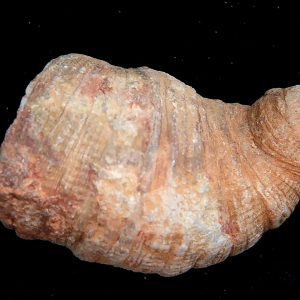
Rugose Coral – Horn Coral Fossil for Sale from Morocco #22
$10.00 -

Rugose Coral – Horn Coral Fossil for Sale from Morocco #23
$10.00 -
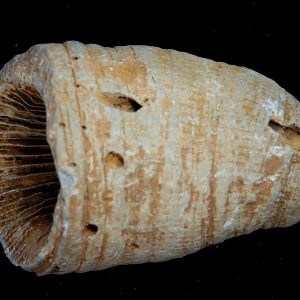
Rugose Coral – Horn Coral Fossil for Sale from Morocco #24
$10.00 -
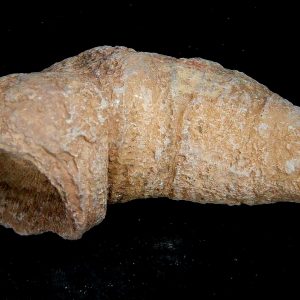
Rugose Coral – Horn Coral Fossil for Sale from Morocco #25
$10.00 -
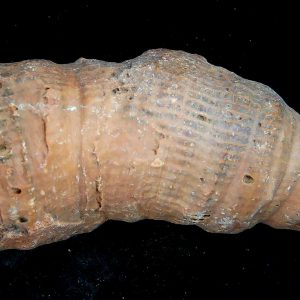
Rugose Coral – Horn Coral Fossil for Sale from Morocco #26
$12.00 -
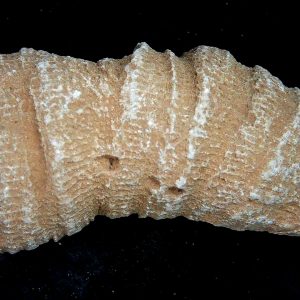
Rugose Coral – Horn Coral Fossil for Sale from Morocco #27
$12.00 -
Sold out!
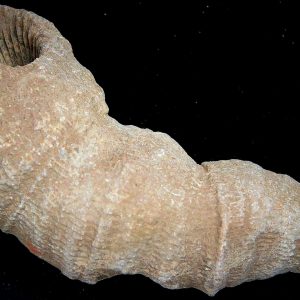
Rugose Coral – Horn Coral Fossil for Sale from Morocco #28
$15.00 -

Rugose Coral – Horn Coral Fossil for Sale from Morocco #3
$7.50 -

Rugose Coral – Horn Coral Fossil for Sale from Morocco #4
$7.50 -
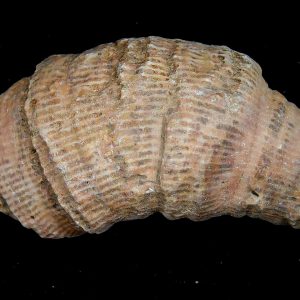
Rugose Coral – Horn Coral Fossil for Sale from Morocco #5
$7.50 -
Sold out!
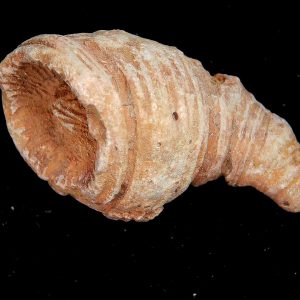
Rugose Coral – Horn Coral Fossil for Sale from Morocco #6
$7.50 -
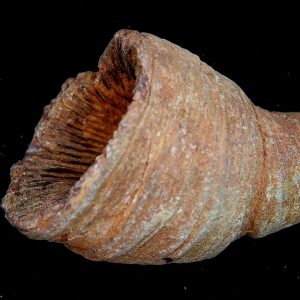
Rugose Coral – Horn Coral Fossil for Sale from Morocco #7
$7.50 -
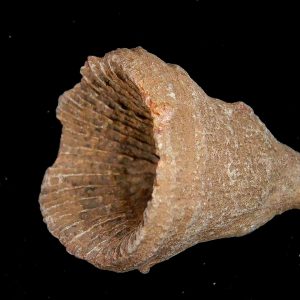
Rugose Coral – Horn Coral Fossil for Sale from Morocco #8
$7.50 -
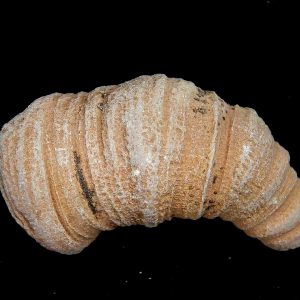
Rugose Coral – Horn Coral Fossil for Sale from Morocco #9
$7.50 -
Sold out!

Stromatopora Devonian Arizona Coral #1
$25.00 -
Sold out!

Syringopora Devonian Arizona Coral #1
$25.00 -
Sold out!

Tampa Bay Coral – Agatized Coral #1
$40.00 -

Tampa Bay Coral – Agatized Coral #10
$40.00 -
Sold out!

Tampa Bay Coral – Agatized Coral #11
$35.00 -
Sold out!

Tampa Bay Coral – Agatized Coral #12
$75.00 -
Sold out!

Tampa Bay Coral – Agatized Coral #13
$35.00 -
Sold out!

Tampa Bay Coral – Agatized Coral #14
$30.00 -

Tampa Bay Coral – Agatized Coral #15
$55.00 -

Tampa Bay Coral – Agatized Coral #16
$55.00 -

Tampa Bay Coral – Agatized Coral #17
$65.00
- Buy Fossils
- Fossils for Sale
- Large Selection
- Great Prices and Great Selection
- Authenticity Guaranteed
- Satisfaction Guaranteed
- Your TRUSTED SOURCE for over 25 years!
- Many more videos are available on our YouTube Channel.
Coral Fossils For Sale – Formation, Identification, and Scientific Importance
Coral Fossils For Sale give collectors, educators, and researchers a direct connection to ancient marine ecosystems. Fossil coral ranks among the most scientifically valuable and visually striking types of prehistoric marine fossils. These specimens can reveal important information about ancient oceans, climate conditions, reef development, and marine biodiversity. In addition, well-preserved fossil coral often displays beautiful natural patterns that make each specimen unique.
What Is Fossil Coral?
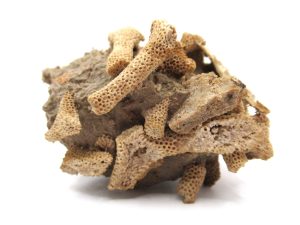
Fossil coral consists of ancient coral skeletons preserved through mineralization. Depending on the fossil and geological setting, minerals may fill pore spaces or replace part or all of the original calcium carbonate skeleton. Common replacement or infilling minerals include silica, chalcedony, agate, quartz, and calcite. Pyrite may also occur in some unusual specimens.
Many coral fossils date from the Paleozoic Era, including abundant Devonian examples from approximately 419 to 359 million years ago. However, fossil corals also occur in younger Mesozoic and Cenozoic deposits. Therefore, collectors searching for Coral Fossils For Sale can encounter specimens representing many different geological periods and coral groups.
How Fossil Coral Forms
Coral Growth in Ancient Seas
Ancient coral communities often lived in warm, shallow marine environments where sunlight and favorable water conditions supported reef growth. Over time, their hard skeletons accumulated on ancient seafloors and helped create complex reef ecosystems.
Burial by Sediment
After coral organisms died, sediment sometimes buried their skeletons before waves, scavengers, or chemical dissolution destroyed them. Rapid burial increased the chance that delicate structures would survive long enough for fossilization to begin.
Mineral Replacement and Preservation
Next, mineral-rich groundwater moved through the buried coral. Silica, calcite, and other minerals could fill open spaces or replace original skeletal material. As a result, microscopic details may remain visible even after millions of years.
Exposure at the Surface
Finally, erosion, uplift, and other geological processes may expose ancient fossil-bearing layers. Collectors and paleontologists can then discover fossil coral in sedimentary rock, loose deposits, or weathered reef material.
Scientific Importance of Fossil Coral
Paleoclimate and Ancient Ocean Research
Fossil corals help scientists study past marine environments. Their skeletons may preserve chemical information related to seawater conditions, temperature, and ocean chemistry. Therefore, certain fossil corals can contribute to paleoclimate and paleoenvironmental research.
Marine Biodiversity and Reef Evolution
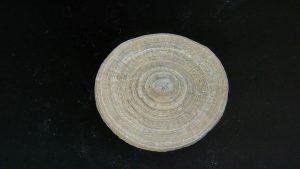
Fossil coral also documents changes in marine life through geologic time. Paleontologists study ancient reef communities to better understand coral evolution, ecological relationships, and major extinction events. For example, reef systems experienced major disruptions during the Late Devonian and end-Permian extinction intervals.
Plate Tectonics and Ancient Geography
Because many corals require specific marine conditions, ancient reef deposits can provide clues about past continental positions, water depth, and sea-level changes. Consequently, fossil coral contributes valuable evidence to reconstructions of Earth’s geological history.
Types of Coral Fossils For Sale
Agatized Coral
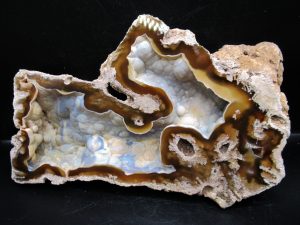
Agatized coral forms when silica replaces or fills the original coral structure. This process can create colorful patterns while preserving the original skeletal design. Because of its durability and appearance, agatized coral remains especially popular among collectors.
Rugose or Horn Coral
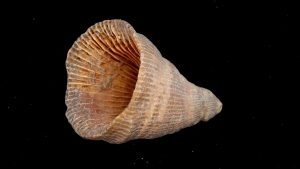
Rugose corals were common during the Paleozoic Era. Many solitary rugose corals developed a curved, horn-like shape, which explains the common name horn coral. Some species also formed colonies. Rugose corals became extinct at the end of the Permian Period.
Tabulate Coral
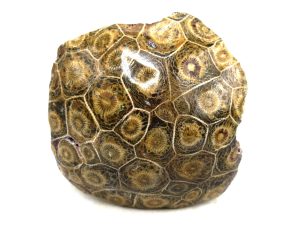
Tabulate corals were colonial Paleozoic corals that commonly formed honeycomb-like or branching colonies. Genera such as Favosites show tightly packed corallites that create attractive geometric patterns. Like rugose corals, tabulate corals disappeared during the end-Permian mass extinction.
Colonial Hexacorals
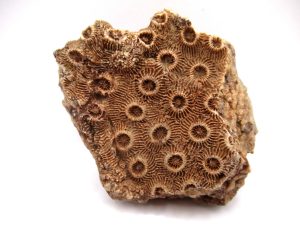
Hexacorals include coral groups related to many modern reef-building corals. Fossil examples may occur as large colonies with repeating corallite patterns. Some Devonian colonial corals traditionally collected as Petoskey-type stones display striking geometric designs when polished.
Where Fossil Coral Is Found
Coral Fossils For Sale come from many important fossil-producing regions around the world. Florida is famous for agatized coral, while Morocco produces many Paleozoic rugose and tabulate corals. Michigan is well known for Petoskey stones, which contain fossil colonial coral patterns. In addition, Indonesia produces colorful silicified coral, while Australia contains fossil coral deposits from several younger geological periods.
Each locality can produce different colors, mineral replacement patterns, fossil species, and preservation styles. Therefore, locality information adds both scientific and collecting value to a fossil coral specimen.
How to Identify Genuine Fossil Coral
Collectors should examine fossil coral for repeating biological structures such as corallites, septa, walls, or colony patterns. Natural fossil coral usually shows variation in size, mineralization, and surface texture rather than perfectly uniform manufactured patterns. Locality information and proper identification also strengthen the scientific value of a specimen.
When purchasing Coral Fossils For Sale, choose specimens from a knowledgeable fossil dealer who provides clear identification and authenticity information whenever possible.
Buy Coral Fossils From Prehistoric Fossils With Confidence
Prehistoric Fossils offers genuine fossil specimens for collectors, educators, museums, students, and natural history enthusiasts. We have supplied fossils and natural history collectibles since 1997. Each specimen is selected with an emphasis on authenticity, identification, and educational value.
Whether you collect agatized coral, horn coral, tabulate coral, or colonial fossil corals, these ancient marine fossils provide a fascinating look into prehistoric oceans. Explore our selection of Coral Fossils For Sale and discover genuine pieces of Earth’s natural history.