
Petrified Wood Fossils For Sale | Genuine Fossil Wood
Petrified Wood Fossils For Sale
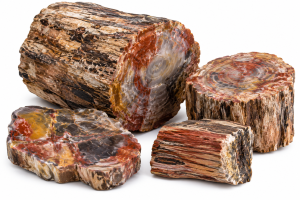
Petrified Wood Fossils For Sale offer collectors a remarkable look at ancient forests and the environments in which prehistoric trees once grew. Although petrified wood often keeps the shape and texture of natural wood, minerals have replaced or filled much of the original plant material. As a result, some specimens preserve tree rings, bark patterns, knots, and even microscopic cellular structures for millions of years.
How Does Petrified Wood Form?
Petrified wood usually begins to form when a tree, log, or branch becomes buried beneath sediment, volcanic ash, mud, or other material. Because rapid burial limits exposure to oxygen, decay can slow greatly. Meanwhile, mineral-rich groundwater moves through the buried wood.
Over time, dissolved minerals enter pores and spaces within the plant tissue. Silica commonly plays a major role in petrification. Eventually, minerals such as quartz or chalcedony fill empty spaces or replace organic material. However, the exact process can vary depending on local geology, groundwater chemistry, and burial conditions.
Why Does Petrified Wood Have Different Colors?
Many Petrified Wood Fossils For Sale display striking colors caused by minerals and trace elements. Pure silica often produces white or pale shades. However, iron minerals may create red, yellow, orange, or brown colors. In addition, manganese and other minerals can produce darker shades, including black.
What Can Petrified Wood Tell Scientists?
Petrified wood gives paleontologists and geologists valuable evidence about prehistoric ecosystems. For example, preserved growth rings may reveal changes in growing conditions. Likewise, microscopic structures can help scientists identify ancient plant groups and study the forests in which they lived.
Furthermore, petrified forests occur on several continents and span many different geological ages. Therefore, each piece of petrified wood represents more than an attractive mineral specimen. It preserves part of an ancient tree and provides a lasting record of forests that once covered Earth.
Collecting Petrified Wood Fossils
Collectors value Petrified Wood Fossils For Sale for their natural patterns, colors, geological history, and scientific interest. Each specimen is unique because mineral content and preservation conditions vary from one location to another. Consequently, petrified wood can make an excellent addition to fossil, mineral, natural history, or educational collections.
Showing 1–50 of 75 results
-

Petrified Palm Wood | Indonesia #1
$295.00 -

Petrified Palm Wood | Indonesia #3
$295.00 -

Petrified Palm Wood | Indonesia #4
$295.00 -

Petrified Palm Wood | Indonesia #5
$295.00 -
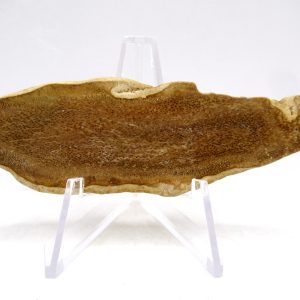
Petrified Palm Wood for Sale North Carolina #1
$12.00 -
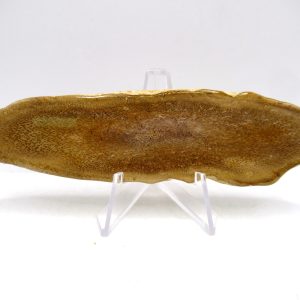
Petrified Palm Wood for Sale North Carolina #3
$17.00 -
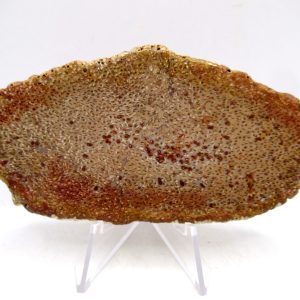
Petrified Palm Wood for Sale North Carolina #4
$25.00 -
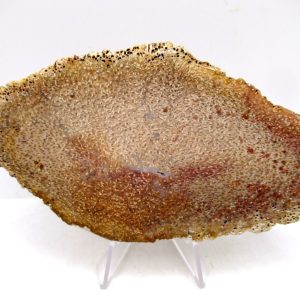
Petrified Palm Wood for Sale North Carolina #6
$25.00 -
Sold out!
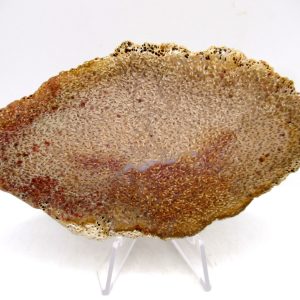
Petrified Palm Wood for Sale North Carolina #7
$25.00 -

Australian Petrified Wood Pentoxylon #2
$475.00 -

Australian Petrified Wood Pentoxylon #3
$475.00 -

Australian Petrified Wood Pentoxylon #4
$475.00 -

Australian Petrified Wood Pentoxylon #5
$475.00 -

Australian Petrified Wood Pentoxylon #6
$475.00 -

Australian Petrified Wood Pentoxylon #7
$475.00 -

Madagascar Petrified Wood #7
$25.00 -

Small Madagascar Petrified Wood #12
$12.50 -

Small Madagascar Petrified Wood #14
$12.50 -

Small Madagascar Petrified Wood #15
$12.50 -

Small Madagascar Petrified Wood #16
$12.50 -

Small Madagascar Petrified Wood #18
$12.50 -

Medium Madagascar Petrified Wood #12
$25.00 -

Medium Madagascar Petrified Wood #17
$25.00 -

Medium Madagascar Petrified Wood #20
$25.00 -

Medium Madagascar Petrified Wood #21
$25.00 -

Medium Madagascar Petrified Wood #23
$25.00 -

Medium Madagascar Petrified Wood #29
$25.00 -

Medium Madagascar Petrified Wood #31
$25.00 -

Medium Madagascar Petrified Wood #34
$25.00 -

Medium Madagascar Petrified Wood #35
$25.00 -

Medium Madagascar Petrified Wood #38
$25.00 -
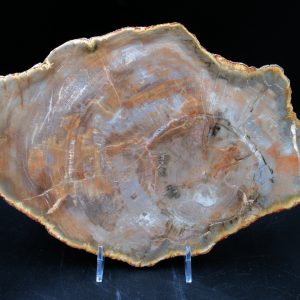
Madagascar Petrified Wood Triassic Age 10.17 inches #66
$95.00 -
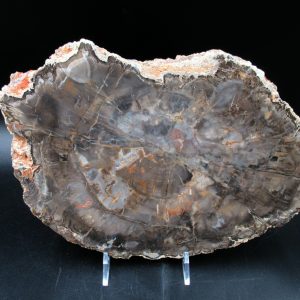
Madagascar Petrified Wood Triassic Age 10.36 inches #72
$125.00 -
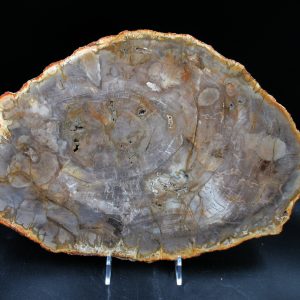
Madagascar Petrified Wood Triassic Age 11.82 inches #71
$125.00 -
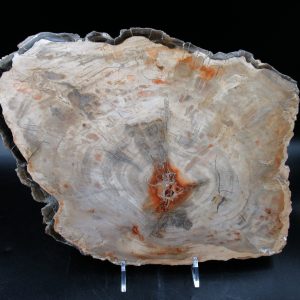
Madagascar Petrified Wood Triassic Age 11.84 inches #70
$125.00 -
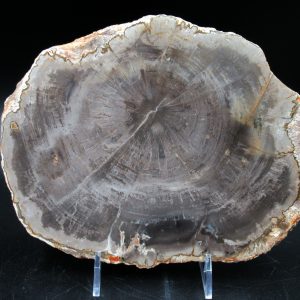
Madagascar Petrified Wood Triassic Age 7.63 inches #63
$75.00 -
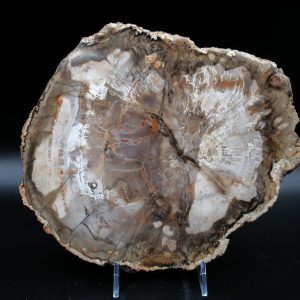
Madagascar Petrified Wood Triassic Age 8.92 inches #65
$75.00 -
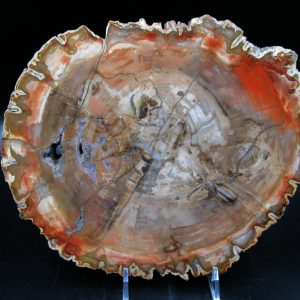
Madagascar Petrified Wood Triassic Age 8.94 inches #69
$75.00 -
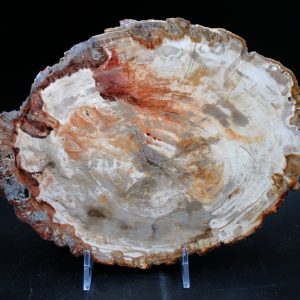
Madagascar Petrified Wood Triassic Age 9.39 inches #64
$75.00 -

Madagascar Petrified Wood | Lg. #46
$75.00 -

Madagascar Petrified Wood | Lg. #49
$75.00 -
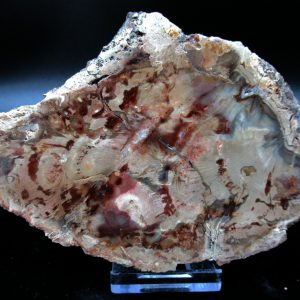
Madagascar Petrified Wood | LG. #53
$45.00 -
Sold out!

Madagascar Petrified Wood | LG. #56
$45.00 -

Madagascar Petrified Wood | LG. #57
$45.00 -
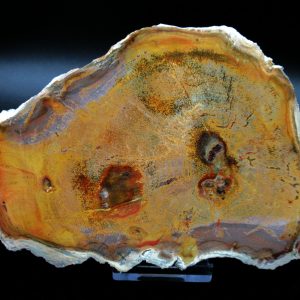
Madagascar Petrified Wood | LG. #58
$45.00 -

Madagascar Petrified Wood | LG. #60
$45.00 -

Madagascar Petrified Wood | LG.+ #61
$65.00 -

Madagascar Petrified Wood | Med. #41
$25.00 -

Madagascar Petrified Wood | Med. #42
$25.00 -

Madagascar Petrified Wood | Med. #44
$25.00
- Buy Fossils
- Fossils for Sale
- Large Selection
- Great Prices and Great Selection
- Authenticity Guaranteed
- Satisfaction Guaranteed
- Your TRUSTED SOURCE SINCE 1997!
- Many more videos are available on our YouTube Channel.
Petrified Wood Fossils For Sale | Scientific Formation, Geology, and Ancient Forests
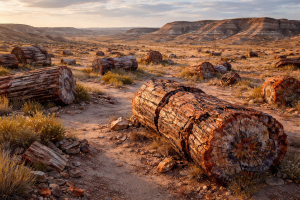
Petrified Wood Fossils For Sale offer collectors, educators, and fossil enthusiasts a direct connection to ancient forests preserved through geological time. Petrified wood forms when buried plant material becomes mineralized, most commonly with silica, while much of the original microscopic wood structure remains visible. As a result, these fossils provide valuable evidence about ancient plants, environments, climates, and geological processes.
What Is Fossil Petrified Wood?
Petrified wood is fossilized plant material, usually from trees or large woody plants, that has undergone permineralization and mineral replacement. Unlike many compression fossils, petrified wood can preserve internal anatomical details such as growth rings, vessels, fibers, and tracheids.
Because of this exceptional preservation, scientists can study ancient wood anatomy in remarkable detail. Furthermore, petrified wood helps paleobotanists identify extinct plant groups and reconstruct prehistoric forest ecosystems.
Why Petrified Wood Is a True Fossil
Although petrified wood has become stone, it still represents the preserved remains of once-living organisms. Therefore, paleontologists classify it as a true fossil. The original organic material may be partly or almost completely replaced by minerals, yet the biological form can remain visible at microscopic scale.
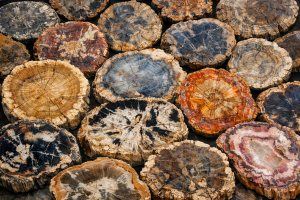
- Original wood structure may remain clearly recognizable.
- Minerals fill pores and cellular spaces.
- Silica commonly replaces organic material.
- Growth rings and internal anatomy may remain preserved.
How Petrified Wood Fossils Form
The formation of petrified wood requires special conditions. First, the wood must become buried quickly enough to reduce exposure to oxygen and slow normal decay. Next, mineral-rich groundwater moves through the buried wood. Over time, dissolved minerals enter the tissues and gradually preserve or replace the original material.
1. Rapid Burial
Petrification commonly begins when fallen trees or woody plant remains become buried by sediment. Burial may result from floods, volcanic ash, mudflows, lahars, river deposits, or other sedimentary events. Because rapid burial reduces oxygen exposure, microorganisms have less opportunity to destroy the wood.
2. Mineral-Rich Groundwater
After burial, groundwater carrying dissolved minerals moves through the sediment and into the wood. Silica often comes from volcanic ash, volcanic rocks, or silica-rich sediments. However, other minerals can also participate in fossilization depending on local geochemistry.
3. Permineralization and Mineral Replacement
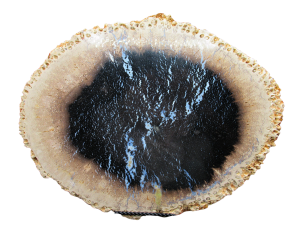
As mineral-rich water enters the wood, minerals precipitate within empty spaces and cellular structures. In addition, silica may gradually replace organic compounds such as cellulose and lignin. Therefore, the fossil can preserve fine anatomical details while becoming increasingly stone-like.
- Silica may fill cellular spaces.
- Organic tissues may gradually break down.
- Minerals can replicate internal wood structures.
- Growth rings, vessels, and tracheids may remain visible.
4. Final Fossilization
Eventually, the buried wood becomes highly mineralized. Depending on local chemistry, petrified wood may contain quartz, chalcedony, opal, iron minerals, or other mineral compounds. After erosion removes the surrounding rock, fossil logs, branches, and fragments may become exposed at the surface.
Minerals and Colors in Petrified Wood Fossils
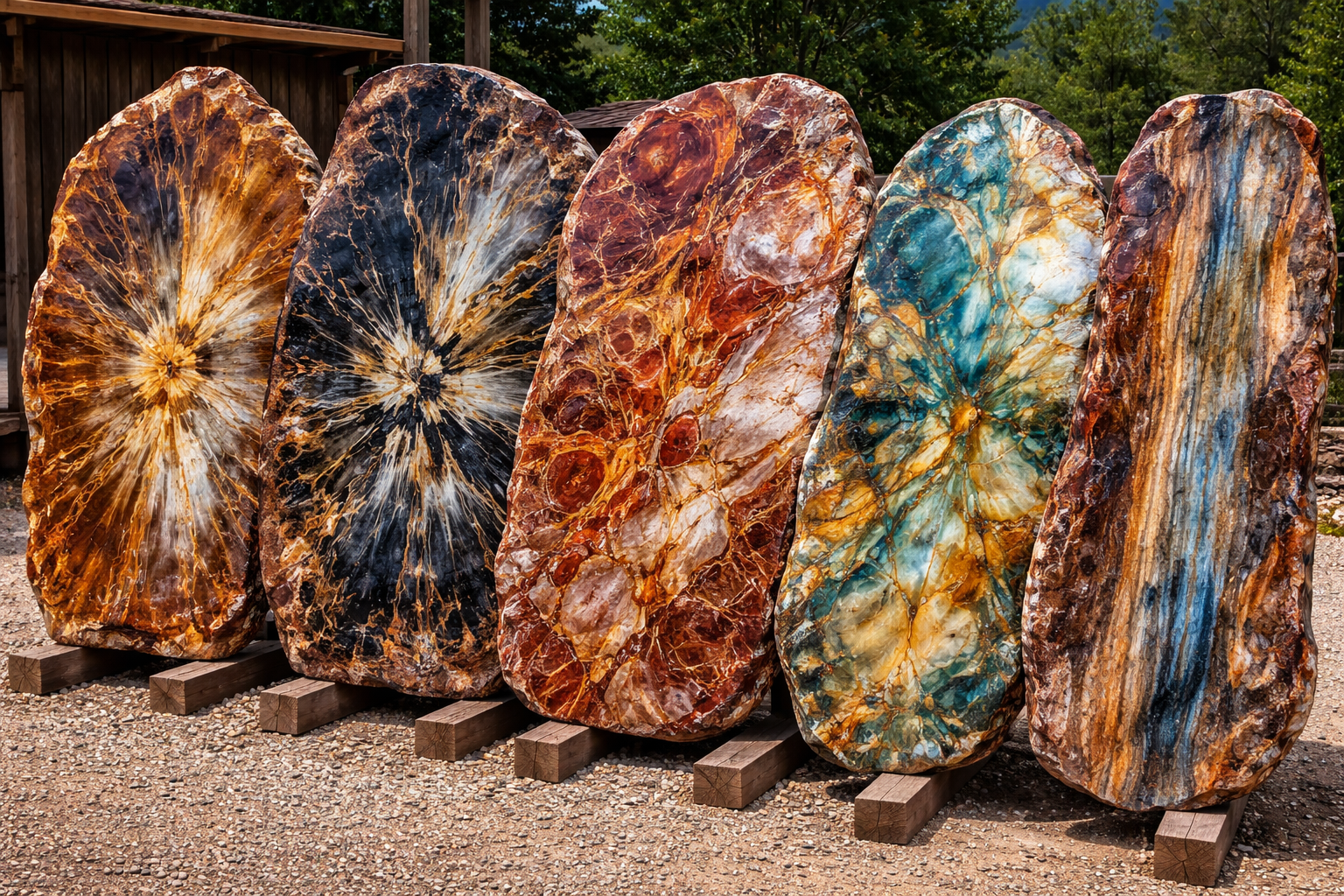
The color of petrified wood depends largely on the minerals and trace elements present during fossilization. Therefore, bright colors usually reflect geochemistry rather than the original color of the ancient tree.
| Mineral or Material | Common Characteristics |
|---|---|
| Quartz | Very common, hard, and durable silica mineral |
| Chalcedony | Microcrystalline form of silica |
| Opal | Hydrated silica that may produce colorful fossil wood |
| Iron Oxides | Often produce red, orange, yellow, and brown colors |
| Manganese Minerals | May contribute black or dark-colored zones |
| Carbonaceous Material | Can contribute gray or black coloration |
How Old Is Petrified Wood?
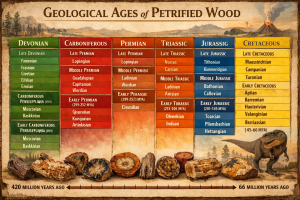
Petrified wood occurs across a very broad range of geological ages. Fossil wood is known from Paleozoic, Mesozoic, and Cenozoic rocks. Some of the earliest tree-sized woody plants appeared during the Devonian Period, more than 350 million years ago.
However, many of the world’s best-known petrified forests formed during the Triassic, Jurassic, Cretaceous, and Cenozoic eras. Therefore, the age of an individual specimen depends on the geological formation and locality where it was discovered.
How Scientists Date Petrified Wood
Scientists usually determine the age of petrified wood by studying the surrounding rock layers and geological setting. In addition, volcanic layers may sometimes provide radiometric dates that help constrain the age of the fossil-bearing deposits.
- Stratigraphic correlation
- Radiometric dating of associated volcanic rocks
- Regional geological mapping
- Paleobotanical comparison
- Fossil assemblage correlation
Scientific Importance of Petrified Wood Fossils
Petrified wood provides far more than visual appeal. Because these fossils may preserve internal anatomy, they help scientists study ancient ecosystems, plant evolution, climate patterns, and geological events.
Paleoclimate Reconstruction
Growth rings can sometimes provide information about seasonal growth patterns, water availability, and environmental stress. However, interpretation requires care because fossil wood growth patterns do not always correspond directly to modern annual tree rings.
Nevertheless, when studied with surrounding sediments and other fossils, petrified wood can contribute to reconstructions of ancient rainfall, temperature, and seasonality.
Ancient Forests and Paleoecology
Petrified wood helps researchers identify the types of trees and woody plants that lived in ancient ecosystems. In addition, associated fossils can reveal whether those forests grew near rivers, floodplains, volcanic regions, coastal environments, or other habitats.
Plant Evolution
Microscopic wood anatomy can reveal changes in vascular tissue, growth strategies, and plant diversity through time. As a result, fossil wood contributes important evidence about the evolution of gymnosperms, conifers, angiosperms, and other extinct plant groups.
Plate Tectonics and Continental History
Fossil forests also provide evidence about past continental positions. When similar fossil plant communities occur on continents that are now widely separated, they can help support geological reconstructions of ancient landmasses such as Gondwana and Pangaea.
Famous Petrified Wood Localities
Petrified Wood Fossils For Sale may originate from many regions of the world, although collecting laws vary widely by location. Several famous petrified forests are protected because of their scientific, historical, and cultural importance.
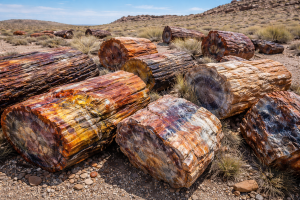
- Petrified Forest National Park, Arizona, USA – Famous for Late Triassic fossil logs.
- Patagonia, Argentina – Contains several important fossil forest deposits of different geological ages.
- Madagascar – Known for colorful silicified fossil wood from several regions.
- Indonesia – Produces a variety of silicified and mineralized fossil wood.
- Germany – Contains important Paleozoic and younger fossil forest deposits.
Protected fossil sites should never be disturbed without proper legal authorization. Therefore, collectors should purchase specimens from reputable dealers who obtain fossils through legal and ethical sources.
Collecting Petrified Wood Fossils
Petrified wood attracts collectors because every specimen combines paleontology, geology, mineralogy, and natural beauty. Some pieces preserve bark textures, growth rings, knots, branches, or detailed cellular structures. Meanwhile, polished specimens may reveal striking mineral colors and patterns.
When purchasing Petrified Wood Fossils For Sale, collectors should consider locality, geological age, preservation quality, natural surface features, mineralization, preparation, and provenance. Reliable identification information also adds educational and scientific value.
Why Authenticity and Provenance Matter
Accurate locality and identification information help preserve the scientific context of fossil specimens. Therefore, buyers should purchase fossil petrified wood from experienced and trustworthy sources whenever possible.
At Prehistoric Fossils, we have supplied genuine fossils and natural history specimens since 1997. Our experience working with fossils, minerals, and collectible natural history specimens helps customers make informed buying decisions.
Petrified Wood Fossils For Sale at Prehistoric Fossils
Explore Petrified Wood Fossils For Sale for collecting, display, education, gifts, and natural history study. Each piece represents part of an ancient plant that lived in a prehistoric ecosystem and later became preserved through geological processes.
Because every specimen formed under different environmental and mineral conditions, no two pieces of petrified wood are exactly alike. Some preserve natural wood grain, while others display vivid mineral colors, crystal-filled cavities, or polished internal structures.
Buy Genuine Petrified Wood Fossils with Confidence
Buy fossils from Prehistoric Fossils with confidence. Your Trusted Source Since 1997. Authenticity Guaranteed.
Our goal is to provide genuine fossil specimens along with clear identification and educational information so collectors can better understand the scientific history behind each piece.