
Reptile Fossils For Sale | Genuine Prehistoric Reptile Fossils
Reptile Fossils For Sale: A Window Into Prehistoric Life
Reptile Fossils For Sale offer collectors, educators, and students a fascinating way to study animals that lived millions of years ago. Reptiles first appeared more than 300 million years ago during the late Paleozoic Era. Over time, they evolved into many forms and occupied habitats on land, in freshwater, and in the oceans. Therefore, fossil reptiles provide important evidence about major changes in prehistoric ecosystems.
Early Reptiles and the Rise of Amniotes
Early reptiles and other amniotes developed adaptations that allowed them to reproduce away from water. Most importantly, the amniotic egg protected the developing embryo and helped vertebrates expand into drier environments. As a result, early amniotes became increasingly important parts of terrestrial ecosystems. Today, Reptile Fossils For Sale may include teeth, bones, shells, and other remains from these ancient vertebrates.
Reptile Diversity During the Mesozoic Era
During the Mesozoic Era, reptiles reached remarkable levels of diversity. Dinosaurs dominated many land environments, while pterosaurs flew through the skies. Meanwhile, marine reptiles such as ichthyosaurs, plesiosaurs, and mosasaurs lived in ancient seas. Turtles and crocodile-line reptiles also developed long evolutionary histories. However, these groups followed different evolutionary paths.
Types of Fossil Reptile Remains
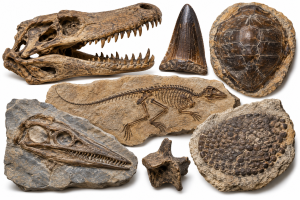
Fossil reptile remains include bones, teeth, shells, scales, footprints, and fossilized eggs. In addition, rare specimens may preserve skin impressions or other delicate details. Scientists compare these fossils with surrounding rock layers and other organisms to determine their age and environment.
Why Collect Reptile Fossils?
Authentic Reptile Fossils For Sale can provide both educational and scientific value. For example, fossil teeth may reveal clues about diet, while limb bones can show how an animal moved. Likewise, fossil footprints may record behavior that bones cannot preserve. Consequently, each genuine reptile fossil can provide another piece of evidence about the evolution, anatomy, and diversity of ancient vertebrate life.
Showing 1–50 of 1131 results
-

Abyssomedon williamsi Parareptile Fossil for Sale from Oklahoma #1
$15.00 -

Abyssomedon williamsi Parareptile Fossil for Sale from Oklahoma #2
$15.00 -

Abyssomedon williamsi Parareptile Fossil for Sale from Oklahoma #3
$15.00 -

Abyssomedon williamsi Parareptile Fossil for Sale from Oklahoma #4
$15.00 -

Abyssomedon williamsi Parareptile Fossil for Sale from Oklahoma #5
$15.00 -

Abyssomedon williamsi Parareptile Fossil for Sale from Oklahoma #6
$15.00 -

Abyssomedon williamsi Parareptile Fossil for Sale from Oklahoma #7
$45.00 -
Sold out!

Aepyornis Eggshell Fossil for Sale from Madagascar #25
$15.00 -

Aepyornis Eggshell Fossil for Sale from Madagascar #40
$15.00 -

Aepyornis Eggshell Fossil for Sale from Madagascar #41
$15.00 -

Aepyornis Eggshell Fossil for Sale from Madagascar #44
$15.00 -
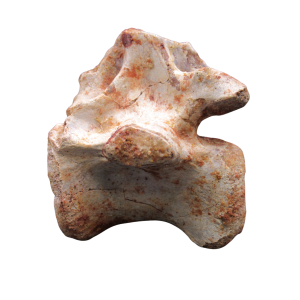
Crocodylomorph Vertebra Bone from Kem Kem Basin Morocco #1
$225.00 -
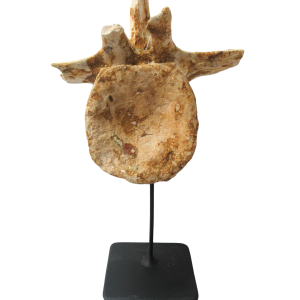
Crocodylomorph Vertebra Bone from Kem Kem Basin Morocco #2
$245.00 -

Elosuchus Crocodile Fossil For Sale | Genuine Cretaceous Fossils #2
$750.00 -

Elosuchus Crocodile Fossil For Sale | Genuine Cretaceous Fossils #3
$1,400.00 -

Elosuchus Crocodile Scute – Morocco #1
$55.00 -

Elosuchus Crocodile Scute – Morocco #10
$70.00 -

Elosuchus Crocodile Scute – Morocco #11
$70.00 -

Elosuchus Crocodile Scute – Morocco #12
$70.00 -

Elosuchus Crocodile Scute – Morocco #14
$70.00 -

Elosuchus Crocodile Scute – Morocco #15
$70.00 -

Elosuchus Crocodile Scute – Morocco #16
$55.00 -

Elosuchus Crocodile Scute – Morocco #17
$70.00 -
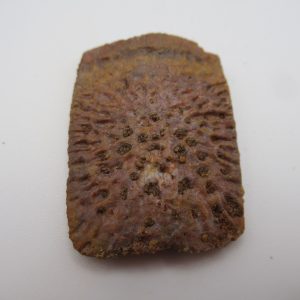
Elosuchus Crocodile Scute – Morocco #19
$15.00 -
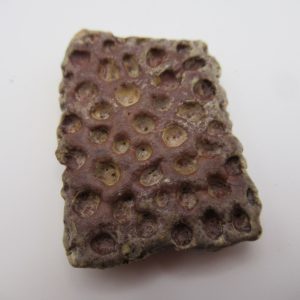
Elosuchus Crocodile Scute – Morocco #20
$15.00 -
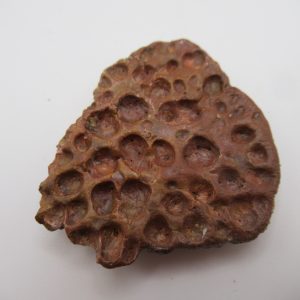
Elosuchus Crocodile Scute – Morocco #21
$25.00 -
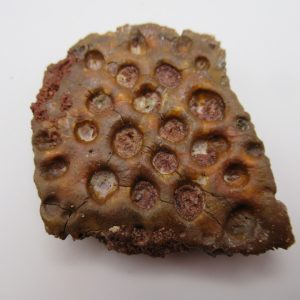
Elosuchus Crocodile Scute – Morocco #22
$25.00 -
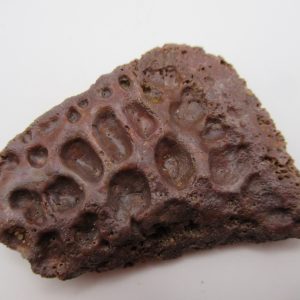
Elosuchus Crocodile Scute – Morocco #23
$25.00 -
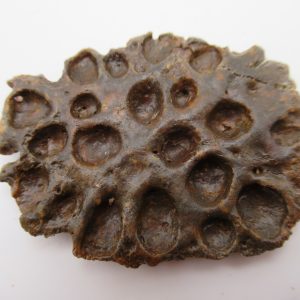
Elosuchus Crocodile Scute – Morocco #24
$25.00 -
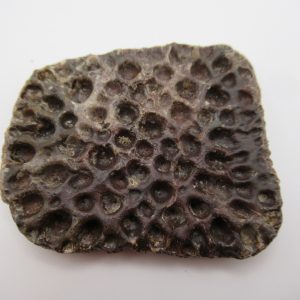
Elosuchus Crocodile Scute – Morocco #25
$40.00 -
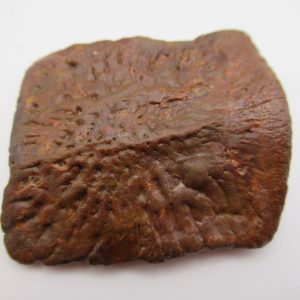
Elosuchus Crocodile Scute – Morocco #26
$40.00 -
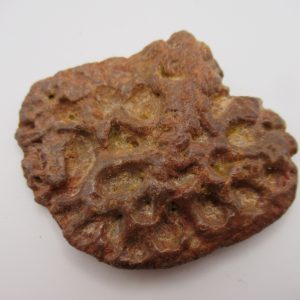
Elosuchus Crocodile Scute – Morocco #27
$45.00 -
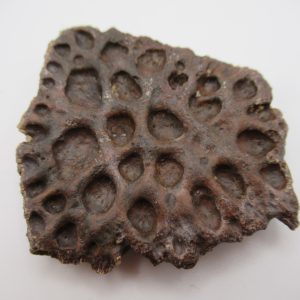
Elosuchus Crocodile Scute – Morocco #28
$45.00 -
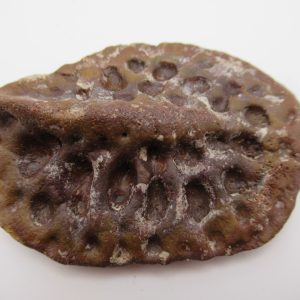
Elosuchus Crocodile Scute – Morocco #29
$45.00 -

Elosuchus Crocodile Scute – Morocco #3
$55.00 -
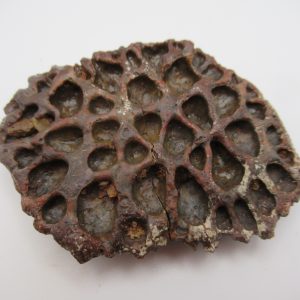
Elosuchus Crocodile Scute – Morocco #30
$45.00 -
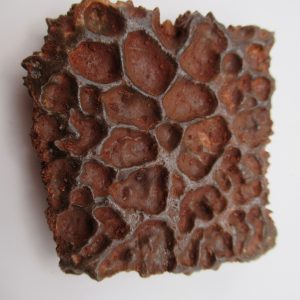
Elosuchus Crocodile Scute – Morocco #31
$50.00 -
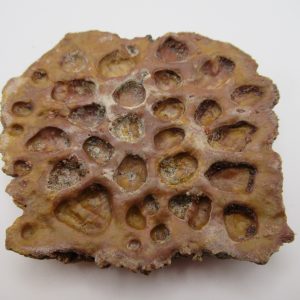
Elosuchus Crocodile Scute – Morocco #32
$50.00 -
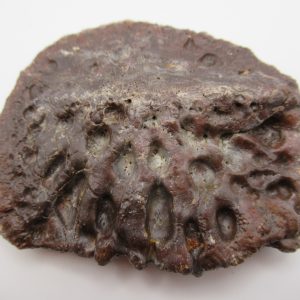
Elosuchus Crocodile Scute – Morocco #33
$65.00 -
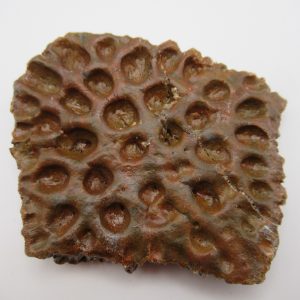
Elosuchus Crocodile Scute – Morocco #34
$65.00 -
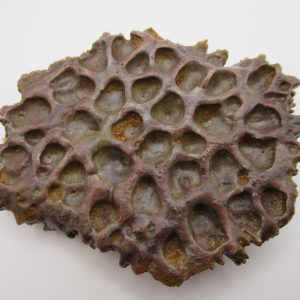
Elosuchus Crocodile Scute – Morocco #35
$65.00 -
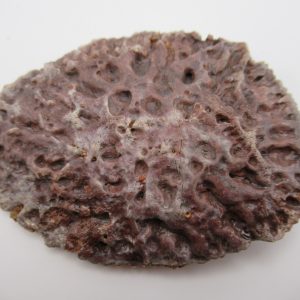
Elosuchus Crocodile Scute – Morocco #36
$65.00 -
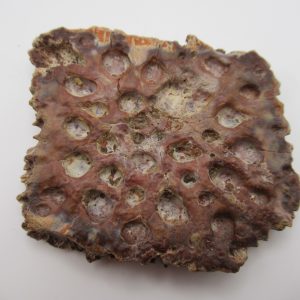
Elosuchus Crocodile Scute – Morocco #37
$65.00 -
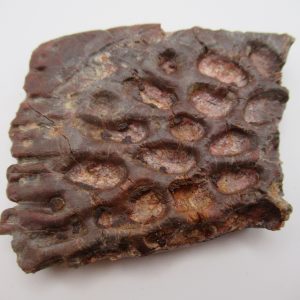
Elosuchus Crocodile Scute – Morocco #38
$65.00 -
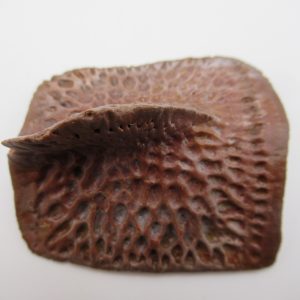
Elosuchus Crocodile Scute – Morocco #39
$75.00 -

Elosuchus Crocodile Scute – Morocco #4
$55.00 -
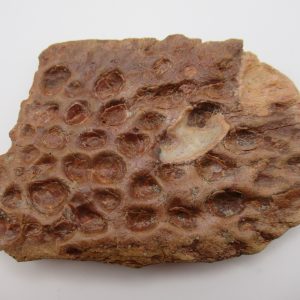
Elosuchus Crocodile Scute – Morocco #40
$85.00 -
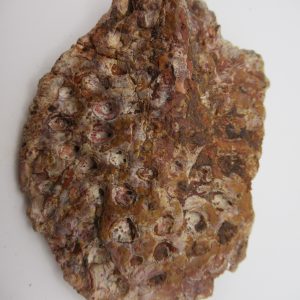
Elosuchus Crocodile Scute – Morocco #41
$85.00 -
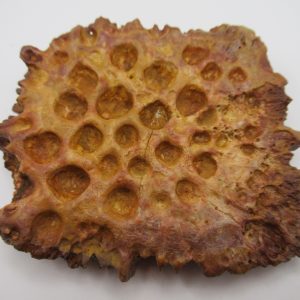
Elosuchus Crocodile Scute – Morocco #42
$85.00 -
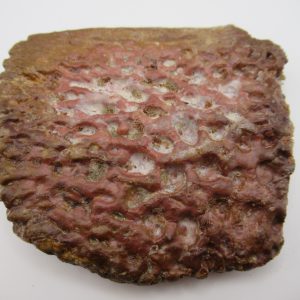
Elosuchus Crocodile Scute – Morocco #43
$85.00
- Buy Fossils
- Fossils for Sale
- Large Selection
- Great Prices and Great Selection
- Authenticity Guaranteed
- Satisfaction Guaranteed
- Your TRUSTED SOURCE SINCE 1997!
- Many more videos are available on our YouTube Channel.
Reptile Fossils For Sale: Discover Ancient Reptiles and Their Evolution
Reptile Fossils For Sale offer collectors, educators, and fossil enthusiasts a direct connection to some of the most important animals in vertebrate history. Fossil reptiles provide valuable evidence about evolution, ancient ecosystems, mass extinctions, and the development of major reptile groups. They also help scientists understand the evolutionary history of birds and the broader amniote lineage that eventually produced mammals.
What Are Fossil Reptiles?
Fossil reptiles are preserved remains, impressions, tracks, eggs, or other trace evidence left by reptilian animals that lived millions of years ago. The earliest true reptiles appeared during the late Carboniferous Period, more than 300 million years ago. However, reptile fossils continue through the Permian, Mesozoic, and Cenozoic eras and include both extinct and living reptile lineages.
Reptiles became highly successful on land because they developed several important adaptations. These included the amniotic egg, water-resistant skin, and stronger skeletal structures. As a result, reptiles could reproduce and survive farther from permanent bodies of water than many earlier vertebrates.
[image](https://1ef38d0c.delivery.rocketcdn.me/wp-content/uploads/2025/12/French-Eocene-Fossil-Crocodile-Egg-300×225.jpg)
Important Reptile Adaptations
- Amniotic eggs
- Scaly or keratinized skin
- Improved skeletal support
- Greater independence from aquatic environments
Major Groups Represented by Reptile Fossils For Sale
Collectors can encounter many different types of Reptile Fossils For Sale. Some come from dinosaurs, while others represent marine reptiles, pterosaurs, crocodilians, turtles, and other ancient reptile groups.
[image](https://1ef38d0c.delivery.rocketcdn.me/wp-content/uploads/2025/12/Reptiles-300×200.png)
Dinosaurs
Dinosaurs are the best-known prehistoric reptiles. Traditionally, scientists divide dinosaurs into two major groups: Saurischia and Ornithischia. Famous saurischians include Tyrannosaurus rex and Brachiosaurus, while well-known ornithischians include Triceratops and Stegosaurus.
Importantly, modern birds evolved from theropod dinosaurs. Therefore, one branch of the dinosaur lineage survives today.
Marine Reptiles
Several groups of reptiles adapted to life in prehistoric oceans. These animals were not dinosaurs, although they lived during the same general periods.
[image](https://1ef38d0c.delivery.rocketcdn.me/wp-content/uploads/2025/12/Ichthyosaur-300×300.png)
- Ichthyosaurs developed streamlined, fish-like bodies suited for fast swimming.
- Plesiosaurs included both long-necked forms and large-headed marine predators.
- Mosasaurs became dominant marine predators during the Late Cretaceous.
Pterosaurs
Pterosaurs were flying reptiles and the first vertebrates known to achieve powered flight. Although they lived alongside dinosaurs, pterosaurs were not dinosaurs. Instead, they belonged to a closely related branch of archosaur reptiles.
[image](https://1ef38d0c.delivery.rocketcdn.me/wp-content/uploads/2025/12/Pterosaur-300×200.png)
Early Amniotes and Synapsids
Early amniote fossils are especially important because they document the evolutionary split between major vertebrate lineages. Synapsids are often confused with reptiles in older popular literature. However, modern classification places synapsids on the evolutionary branch that eventually produced mammals.
Because of this distinction, these fossils are especially valuable for studying the deeper history of terrestrial vertebrates.
How Reptile Fossils Form
Fossil reptiles can form through several geological processes. Bones and teeth most commonly survive through mineral-rich groundwater that fills pores and strengthens the original material. In other cases, sediment preserves impressions, molds, casts, footprints, or eggs.
Common Fossilization Processes
- Permineralization – minerals fill spaces within bone or other hard tissues.
- Replacement – minerals gradually replace some original material.
- Molds and casts – sediment preserves the external or internal shape of an organism.
- Carbonization – thin carbon films may preserve delicate biological structures.
- Amber preservation – very small reptiles or reptile remains may rarely become trapped in fossil resin.
Exceptional fossil deposits, known as Lagerstätten, can preserve unusually fine detail. Famous examples include the Solnhofen Limestone of Germany and the Jehol Biota of China. These deposits have produced important reptile fossils, including specimens with traces of soft tissues, feathers, skin, and other delicate structures.
Why Reptile Fossils Are Scientifically Important
Evolutionary Biology
Reptile fossils help paleontologists study the origin and diversification of amniotes. In addition, they reveal how major reptile groups evolved, adapted to changing environments, and responded to extinction events.
Paleoecology
Fossil reptiles also provide evidence about ancient ecosystems. Their remains can reveal information about climate, food webs, predator-prey relationships, water conditions, and habitat type. Moreover, their geographic distribution helps scientists study continental movement and ancient biogeography.
Comparative Anatomy
By comparing fossil reptiles with living reptiles and birds, researchers can study changes in skeletal structure, locomotion, growth, respiration, and metabolism. Therefore, reptile fossils remain an important source of evidence for understanding how modern vertebrates evolved.
Common Misconceptions About Fossil Reptiles
- Not all fossil reptiles are dinosaurs. Many important fossil reptiles belonged to entirely different groups.
- Humans did not live alongside non-avian dinosaurs. Non-avian dinosaurs disappeared about 66 million years before modern humans evolved.
- Most fossils are not complete skeletons. Isolated teeth, bones, eggshells, scutes, and partial specimens are far more common.
Collecting Reptile Fossils For Sale
Reptile Fossils For Sale can include teeth, bones, vertebrae, claws, eggshell fragments, scutes, and other genuine fossil material. Because identification and locality information can affect scientific and collector value, buyers should purchase fossils from experienced and trustworthy sources.
At Prehistoric Fossils, we offer genuine fossils for collectors, educators, students, and natural history enthusiasts. We carefully identify our specimens whenever possible and provide information that helps buyers understand what they are adding to their collection.
Buy Fossils at Prehistoric Fossils with Confidence
Buy Fossils at Prehistoric Fossils with Confidence. Authenticity Guaranteed.