
Gastropod Fossils For Sale | Genuine Fossil Snails
Gastropod Fossils For Sale – Ancient Snails Preserved in Stone
Gastropod Fossils For Sale offer collectors and fossil enthusiasts an interesting way to explore ancient life and changing environments. Gastropods belong to the mollusk class Gastropoda, which includes modern snails, slugs, limpets, and related animals. Their fossil record extends back more than 500 million years into the Paleozoic Era. Therefore, fossil gastropods help paleontologists study marine, freshwater, and terrestrial ecosystems through geologic time.
How Fossil Gastropods Form
Most fossil gastropods preserve the hard shell rather than the soft animal. Typically, the shell grows in a coiled form around a central axis. However, shell shapes vary greatly among species. Some gastropods developed tall, narrow shells, while others had rounded or low-spired forms. In addition, certain species display ribs, nodes, growth lines, and other natural ornamentation.
Gastropod Fossils and Ancient Environments
Gastropods lived in many different habitats. For example, ancient species occupied shallow seas, reefs, lakes, rivers, and coastal environments. Later in their evolutionary history, gastropods also became successful on land. Because different species preferred specific habitats, fossil gastropods can provide important clues about ancient environmental conditions.
Fossilization of Gastropod Shells
During fossilization, part of the original shell may remain. However, minerals can replace the shell or the shell may dissolve after burial. Sediment can also enter the shell and harden. If the original shell later disappears, it may leave an internal mold or an external impression that preserves its shape.
Collecting Gastropod Fossils
Today, fossil gastropods occur in sedimentary rocks around the world. Moreover, collectors value them for their varied shapes, recognizable shells, and clear biological features. Scientists also study them to better understand evolution, extinction, ancient climates, and changing ecosystems. As a result, Gastropod Fossils For Sale can provide collectors with genuine examples of animals that lived hundreds of millions of years ago while also offering an educational connection to Earth’s natural history.
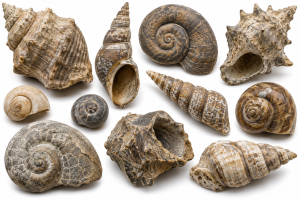
Showing 1–60 of 139 resultsSorted by price: high to low
-
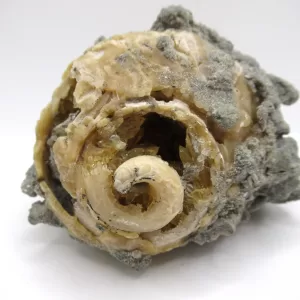
Busycon Fossil Whelk Rucks Pit, FL #5
$150.00 -

Gastropod and Bivalve Plate 6 – France
$85.00 -

Gastropod and Bivalve Plate 5 – France
$85.00 -
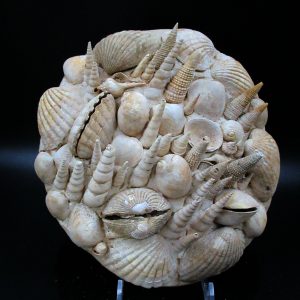
Gastropod and Bivalve Plate 4 – France
$85.00 -

Gastropod and Bivalve Plate 3 – France
$85.00 -

Italian Eocene Strombus #13
$85.00 -
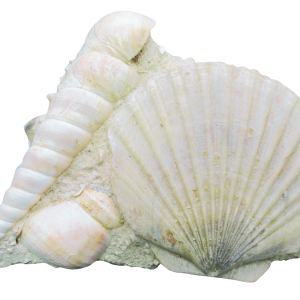
Pecten and Turritella Plate from France Miocene Age #6
$75.00 -
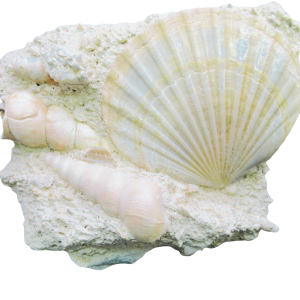
Pecten and Turritella Plate from France Miocene Age #5
$75.00 -
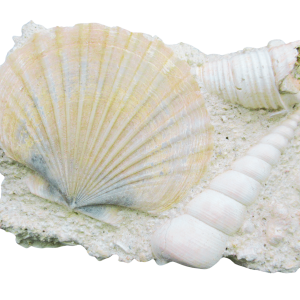
Pecten and Turritella Plate from France Miocene Age #4
$75.00 -
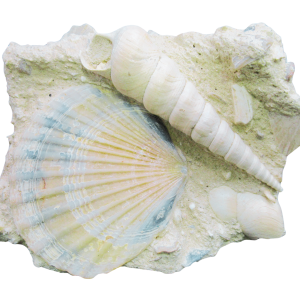
Pecten and Turritella Plate from France Miocene Age #3
$75.00 -
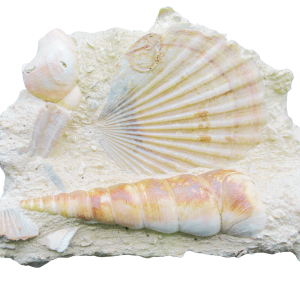
Pecten and Turritella Plate from France Miocene Age #2
$75.00 -
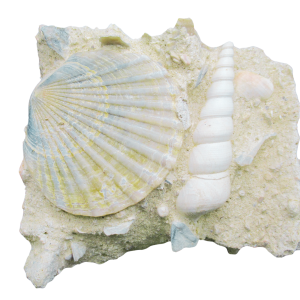
Pecten and Turritella Plate from France Miocene Age #1
$75.00 -

Gastropod and Bivalve Plate 1 – France
$75.00 -
Sold out!
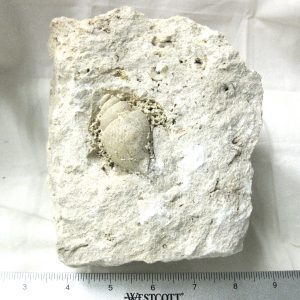
Italian Eocene Strombus #12
$75.00 -
Sold out!
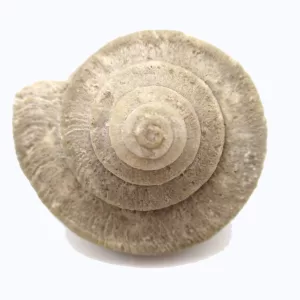
Euomphalus latus Gastropod (Iowa) #1
$50.00 -

Italian Eocene Strombus #19
$50.00 -

Italian Eocene Strombus #16
$50.00 -

Italian Eocene Strombus #9
$50.00 -

Italian Eocene Strombus #7
$50.00 -

Italian Eocene Strombus #14
$45.00 -

Italian Eocene Strombus #11
$45.00 -

Italian Eocene Strombus #6
$45.00 -

Italian Eocene Strombus #4
$45.00 -

Italian Eocene Strombus #18
$40.00 -

Italian Eocene Strombus #15
$40.00 -

Italian Eocene Strombus #10
$40.00 -

Italian Eocene Strombus #8
$40.00 -
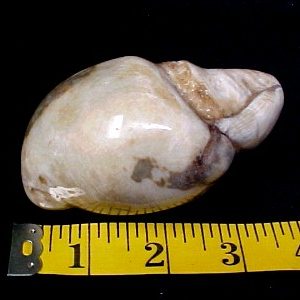
Austria Actonella Gastropod #8
$40.00 -

Austria Actonella Gastropod #7
$40.00 -

Austria Actonella Gastropod #6
$40.00 -

Indiana Platyostoma Gastropod #9
$40.00 -

Indiana Platyostoma Gastropod #7
$40.00 -
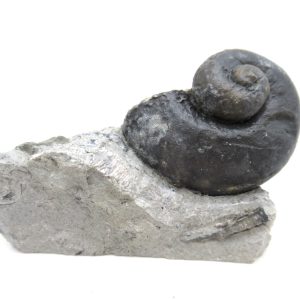
Platyostoma Niagarensis Indiana Gastropod #44
$35.00 -
Sold out!

Italian Eocene Strombus #17
$35.00 -

Italian Eocene Strombus #5
$35.00 -

Austria Actonella Gastropod #5
$35.00 -

Austria Actonella Gastropod #4
$35.00 -

Austria Actonella Gastropod #3
$35.00 -
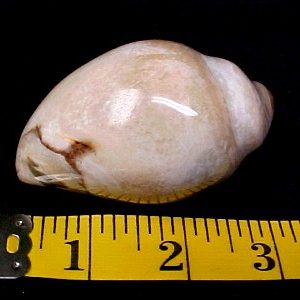
Austria Actonella Gastropod #2
$35.00 -
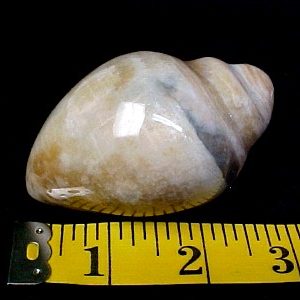
Austria Actonella Gastropod #1
$35.00 -

Indiana Platyostoma Gastropod #5
$35.00 -
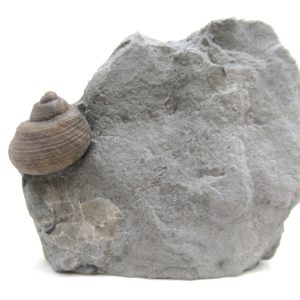
Cyclonemia bilix Ordovician Gastropod for Sale from Ohio #15
$30.00 -
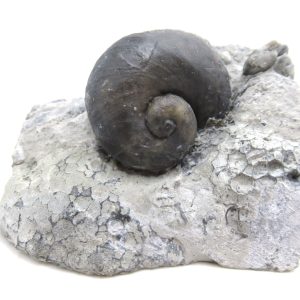
Platyostoma Niagarensis Indiana Gastropod #45
$30.00 -

Italian Eocene Strombus #3
$30.00 -
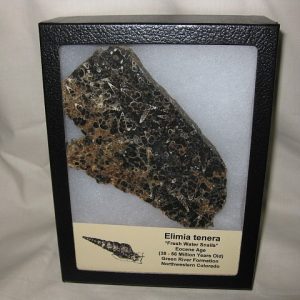
Elimia tenera Turitella (Gastropods) #10
$30.00 -

Elimia tenera Turitella (Gastropods) #8
$30.00 -

Elimia tenera Turitella (Gastropods) #2
$30.00 -
Sold out!

Elimia tenera Turitella (Gastropods) #1
$30.00 -
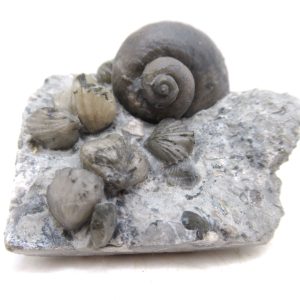
Platyostoma Niagarensis Indiana Gastropod #41
$25.00 -
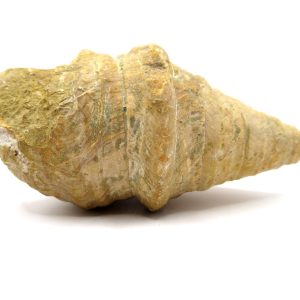
Gymnentone Gastropod – Spain #25
$25.00 -

Gymnentone Gastropod – Spain #23
$25.00 -

Gymnentone Gastropod – Spain #24
$25.00 -
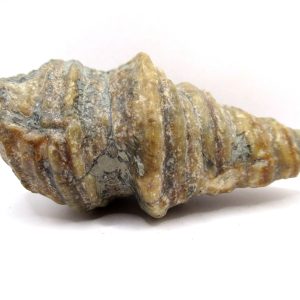
Gymnentone Gastropod – Spain #22
$25.00 -
Sold out!

Gymnentone Gastropod – Spain #21
$25.00 -

Gymnentone Gastropod – Spain #20
$25.00 -

Gymnentone Gastropod – Spain #19
$25.00 -
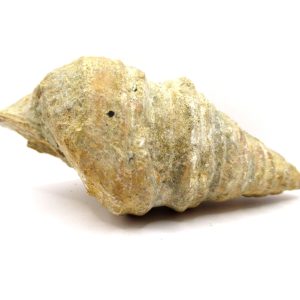
Gymnentone Gastropod – Spain #17
$25.00 -

Gymnentone Gastropod – Spain #18
$25.00 -

Gymnentone Gastropod – Spain #16
$25.00 -

Gymnentone Gastropod – Spain #14
$25.00
- Buy Fossils
- Fossils for Sale
- Large Selection
- Great Prices and Great Selection
- Authenticity Guaranteed
- Satisfaction Guaranteed
- Your TRUSTED SOURCE for over 25 years!
- Many more videos are available on our YouTube Channel.
Gastropod Fossils For Sale: Evolution, Morphology & Paleoenvironmental Insights
Gastropod Fossils For Sale offer collectors, educators, and students a direct connection to more than 500 million years of mollusk evolution. Gastropods belong to the phylum Mollusca and include snails, limpets, slugs, and many related forms. Because many gastropods produced durable mineralized shells, they have an extensive fossil record in marine, freshwater, and terrestrial deposits.
Fossil gastropod shells can preserve important information about ancient environments, evolutionary change, food webs, and climate. Therefore, well-documented specimens can provide both scientific and educational value.
Evolutionary History of Gastropods
The gastropod fossil record extends back to the early Paleozoic Era. Gastropod-like mollusks occur in Cambrian rocks, although the relationships of some of the earliest forms remain debated. By the Ordovician Period, recognizable gastropods had diversified considerably and occupied many marine environments.
Early Paleozoic Gastropods
Early gastropods displayed a range of shell shapes, including cap-like and coiled forms. As gastropods diversified, different groups adapted to grazing, scavenging, and other feeding strategies. Consequently, their fossils became increasingly common in Paleozoic marine rocks.
Mesozoic Gastropod Radiation
During the Mesozoic Era, gastropods experienced major evolutionary change. In particular, increasing predation during the Mesozoic Marine Revolution influenced shell form and defensive adaptations.
Many gastropods developed:
- Thicker shells
- Strong ribs and ornamentation
- Spines and nodes
- Improved burrowing behavior
- More specialized feeding strategies
During the Jurassic and especially the Cretaceous, several groups related to modern gastropod lineages expanded. Predatory gastropods also became increasingly important components of marine ecosystems.
Cenozoic Gastropod Diversity
After the Cretaceous-Paleogene extinction about 66 million years ago, gastropods continued to diversify. They became abundant in Cenozoic reefs, beaches, continental shelves, rivers, lakes, and terrestrial environments.
Genera related to familiar modern forms, including Conus, Turritella, and Nassarius, occur in many Cenozoic deposits. Miocene and Pliocene formations, in particular, often preserve exceptionally diverse gastropod assemblages.
Gastropod Fossils For Sale and Shell Identification
Collectors considering Gastropod Fossils For Sale can learn much from shell morphology. Paleontologists identify fossil gastropods by examining shell shape, coiling, ornamentation, aperture form, and other diagnostic features.
Important Gastropod Shell Features
- Apex – the oldest portion near the top of a coiled shell
- Whorls – successive turns of the shell
- Suture – the line where adjacent whorls meet
- Aperture – the opening through which the living animal extended
- Columella – the central structural axis around which many shells coil
- Sculpture – ribs, spiral lines, nodes, growth lines, and spines on the shell surface
Common Fossil Gastropod Shell Shapes
High-spired shells, such as those found in many turritellids, contain numerous whorls and may occur abundantly in marine sediments.
Low-spired or broadly coiled shells occur in many unrelated gastropod groups and reflect different lifestyles and habitats.
Thick or heavily ornamented shells may provide protection against predators or physical damage. However, shell form alone should not be used to determine habitat because similar shapes can evolve independently in different groups.
Major Groups Found Among Fossil Gastropods
Traditional classifications once divided many gastropods into groups such as Prosobranchia, Opisthobranchia, and Pulmonata. Modern molecular and anatomical research has shown that these older categories do not accurately represent all evolutionary relationships. Therefore, modern gastropod classification uses several more precisely defined clades.
Caenogastropods
Caenogastropoda includes many familiar marine and freshwater snails and represents one of the largest living gastropod groups. Fossil representatives include members of families such as:
- Turritellidae
- Muricidae
- Naticidae
These gastropods developed a wide variety of feeding strategies, including grazing, scavenging, and active predation.
Neritimorph Gastropods
Neritimorpha includes nerites and related gastropods. Their fossil record extends deep into geological time, and members of the group have occupied marine, freshwater, and terrestrial settings.
Heterobranch Gastropods
Heterobranchia includes many groups formerly classified as opisthobranchs and pulmonates. Some possess reduced or internal shells, which lowers their chances of fossilization. However, shelled representatives occur in marine, freshwater, and terrestrial deposits.
Paleoecological Importance of Gastropod Fossils
Gastropods as Environmental Indicators
Gastropod assemblages can help paleontologists reconstruct ancient habitats. When identified within their geological context, fossil gastropods may provide evidence about:
- Freshwater, brackish, or marine conditions
- Water temperature
- Water depth
- Substrate type
- Wave and current energy
- Changes in climate
However, scientists normally interpret entire fossil communities rather than relying on a single species.
Gastropods and Biostratigraphy
Some rapidly evolving and geographically useful gastropod species assist with correlating sedimentary rock units. Gastropods can be especially useful in regional studies of Cenozoic marine formations where abundant and well-documented species occur.
Evidence of Ancient Predator-Prey Relationships
Gastropod fossils can also preserve evidence of ecological interactions. For example, circular drill holes in mollusk shells may record attacks by predatory naticid or muricid gastropods.
As a result, paleontologists can study ancient predator-prey relationships, changes in defensive shell structures, and evolutionary responses to increasing predation through geological time.
Important Fossil Gastropod Localities
Green River Formation – Western United States
The Eocene Green River Formation preserves extensive lake deposits along with freshwater and terrestrial organisms. Gastropod fossils contribute to reconstructions of these ancient lake ecosystems.
Chesapeake Group – Eastern United States
Miocene deposits of the Chesapeake region preserve rich marine mollusk faunas, including numerous gastropods. These fossils document changing coastal environments along the ancient Atlantic margin.
Paris Basin – France
The Paleogene rocks of the Paris Basin contain some of Europe’s classic fossil mollusk assemblages. Gastropods from these deposits have played an important role in the historical study of paleontology and stratigraphy.
Neogene Mediterranean Basins
Miocene and Pliocene sediments around the Mediterranean preserve diverse marine gastropod communities. These fossils help researchers study changing seas, climates, and biological communities during the Neogene Period.
Collecting Gastropod Fossils For Sale
When evaluating Gastropod Fossils For Sale, collectors should consider scientific identification, geological age, formation, locality, preservation, and restoration. Reliable locality information can significantly increase the educational and scientific value of a specimen.
Natural shell detail is also important. Features such as ribs, growth lines, apertures, spines, and original shell material may help identify a specimen and explain how the animal lived.
Why Fossil Gastropods Matter
Fossil gastropods provide an exceptional record of evolutionary and environmental change. Because gastropods lived in oceans, lakes, rivers, and on land, their fossil shells occur in many different sedimentary environments.
For collectors, students, and educators, these fossils combine attractive natural form with genuine scientific significance. Each properly identified specimen represents evidence of an organism that once occupied an ancient ecosystem.
Buy Gastropod Fossils For Sale at Prehistoric Fossils
Explore Gastropod Fossils For Sale at Prehistoric Fossils and discover genuine specimens from Earth’s geological past. Whenever available, specimen information may include identification, geological age, formation, and locality to help collectors better understand each fossil.
Buy Fossils at Prehistoric Fossils with Confidence. Authenticity Guaranteed.