
Natural Mineral Specimens For Sale | Genuine Collector Minerals
Natural Mineral Specimens For Sale | Genuine Geological Treasures
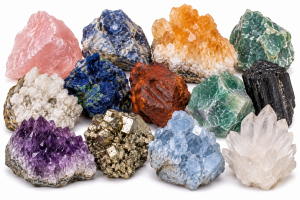
Natural Mineral Specimens For Sale give collectors, students, and geology enthusiasts a direct look at the natural processes that shape Earth. A mineral is a naturally occurring solid with a characteristic chemical composition and an ordered crystal structure. Therefore, each specimen can provide useful clues about the geological conditions in which it formed.
Natural minerals develop through many geological processes. For example, crystals may grow as magma slowly cools beneath Earth’s surface. In addition, minerals can form when hot, mineral-rich fluids move through cracks in rock. Other specimens develop through evaporation, metamorphism, or chemical reactions near Earth’s surface. As a result, natural mineral specimens occur in a wide range of colors, shapes, textures, and crystal forms.
Popular Natural Mineral Specimens For Sale
Quartz ranks among the most common minerals in Earth’s continental crust. However, collectors value quartz because it occurs in attractive varieties such as amethyst, smoky quartz, and rock crystal. Likewise, calcite may form striking rhombohedral, scalenohedral, and other crystal shapes.
Other popular Natural Mineral Specimens For Sale may include fluorite, pyrite, barite, gypsum, tourmaline, and feldspar. Furthermore, some minerals display unusual optical properties. Fluorite may fluoresce under ultraviolet light, while certain feldspars can produce colorful optical effects.
Collecting and Studying Natural Mineral Specimens
Natural mineral specimens have both scientific and educational value. Geologists study mineral chemistry, crystal form, hardness, cleavage, and associated minerals to better understand rocks and geological environments. Meanwhile, collectors often appreciate specimens for their natural beauty, crystal structure, and geological history.
Most importantly, a quality mineral specimen preserves features created by nature. Therefore, crystal form, matrix material, locality information, and mineral associations can add scientific interest. When you explore Natural Mineral Specimens For Sale, each specimen offers a small but fascinating record of Earth’s complex geological past.
Showing 1–50 of 363 results
-
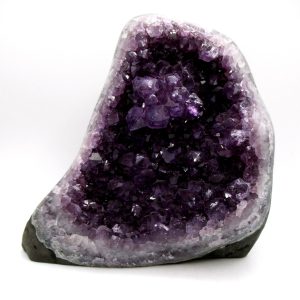
Amethyst Cluster Flat Cut Base #1
$95.00 -
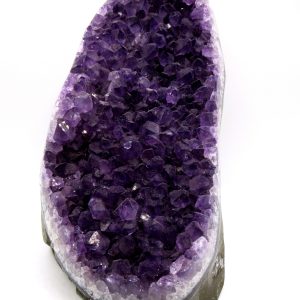
Amethyst Cluster Flat Cut Base #2
$95.00 -
Sold out!
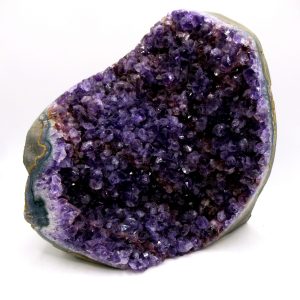
Amethyst Cluster Flat Cut Base #3
$95.00 -
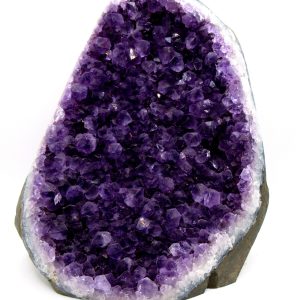
Amethyst Cluster Flat Cut Base #4
$175.00 -
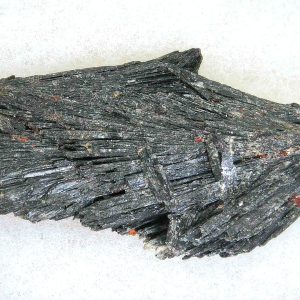
Black Kyanite Mineral Specimen #10
$12.00 -
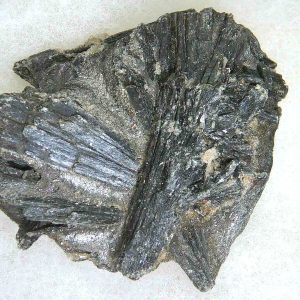
Black Kyanite Mineral Specimen #11
$12.00 -
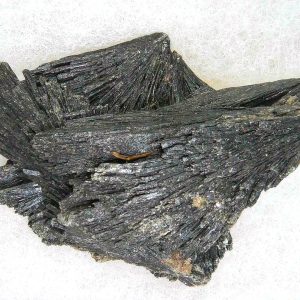
Black Kyanite Mineral Specimen #12
$12.00 -
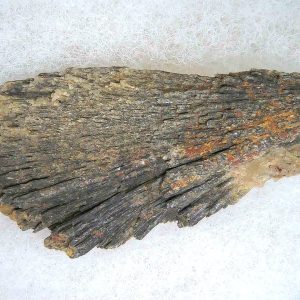
Black Kyanite Mineral Specimen #13
$12.00 -
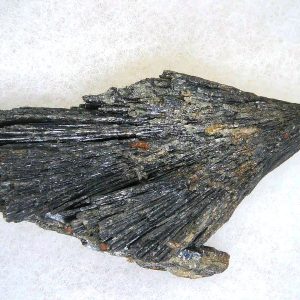
Black Kyanite Mineral Specimen #14
$12.00 -
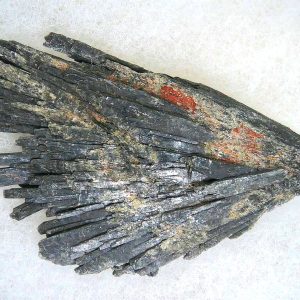
Black Kyanite Mineral Specimen #15
$12.00 -
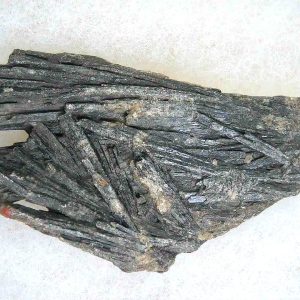
Black Kyanite Mineral Specimen #16
$12.00 -
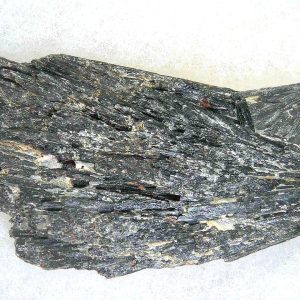
Black Kyanite Mineral Specimen #17
$12.00 -
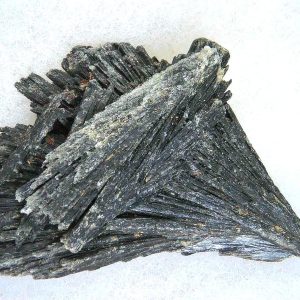
Black Kyanite Mineral Specimen #18
$12.00 -
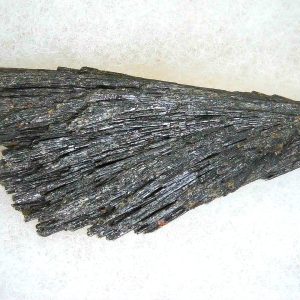
Black Kyanite Mineral Specimen #19
$12.00 -
Sold out!
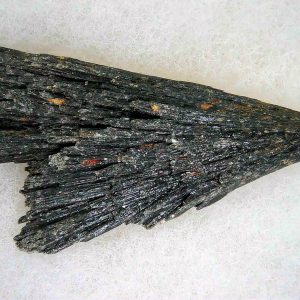
Black Kyanite Mineral Specimen #2
$12.00 -
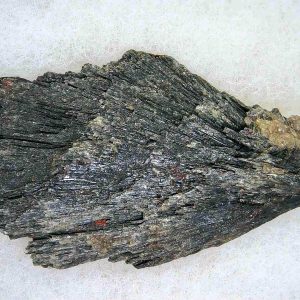
Black Kyanite Mineral Specimen #3
$12.00 -
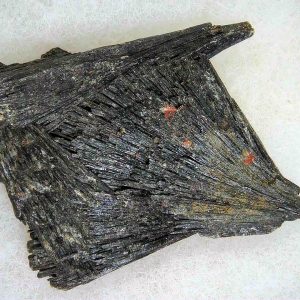
Black Kyanite Mineral Specimen #4
$12.00 -
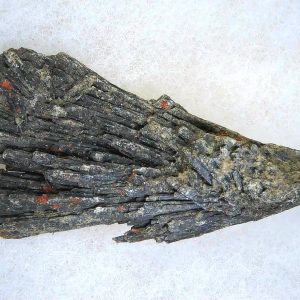
Black Kyanite Mineral Specimen #5
$12.00 -
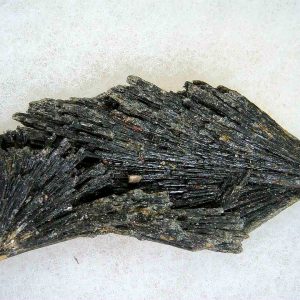
Black Kyanite Mineral Specimen #6
$12.00 -
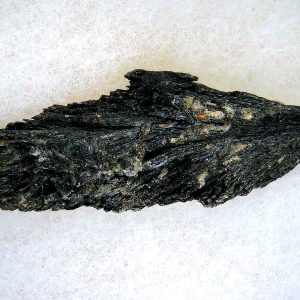
Black Kyanite Mineral Specimen #7
$12.00 -
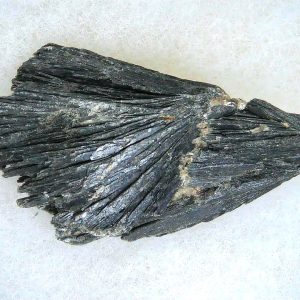
Black Kyanite Mineral Specimen #8
$12.00 -
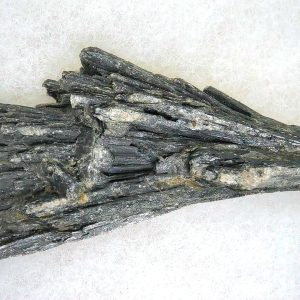
Black Kyanite Mineral Specimen #9
$12.00 -
Sold out!
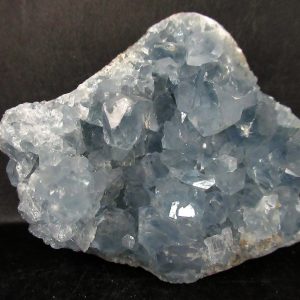
Blue Celestite Madagascar Natural Mineral for Sale #1
$20.00 -

Blue Celestite Madagascar Natural Mineral for Sale #10
$20.00 -
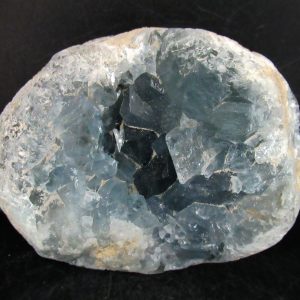
Blue Celestite Madagascar Natural Mineral for Sale #11
$45.00 -
Sold out!

Blue Celestite Madagascar Natural Mineral for Sale #12
$45.00 -

Blue Celestite Madagascar Natural Mineral for Sale #13
$45.00 -

Blue Celestite Madagascar Natural Mineral for Sale #14
$45.00 -

Blue Celestite Madagascar Natural Mineral for Sale #15
$65.00 -

Blue Celestite Madagascar Natural Mineral for Sale #16
$55.00 -

Blue Celestite Madagascar Natural Mineral for Sale #17
$55.00 -

Blue Celestite Madagascar Natural Mineral for Sale #18
$55.00 -
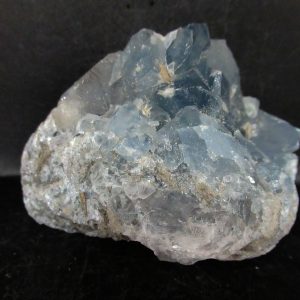
Blue Celestite Madagascar Natural Mineral for Sale #2
$20.00 -
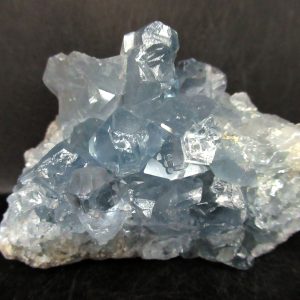
Blue Celestite Madagascar Natural Mineral for Sale #3
$12.00 -
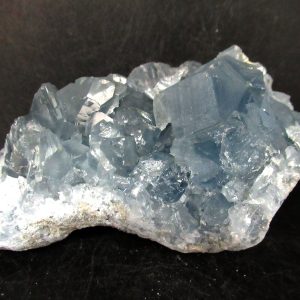
Blue Celestite Madagascar Natural Mineral for Sale #4
$20.00 -
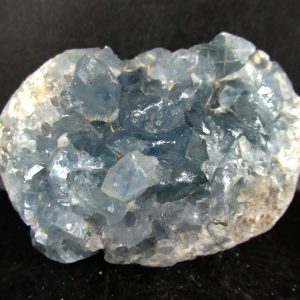
Blue Celestite Madagascar Natural Mineral for Sale #5
$20.00 -
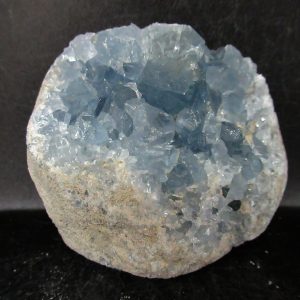
Blue Celestite Madagascar Natural Mineral for Sale #6
$20.00 -
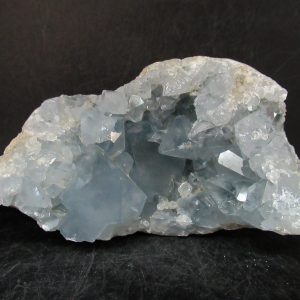
Blue Celestite Madagascar Natural Mineral for Sale #7
$20.00 -
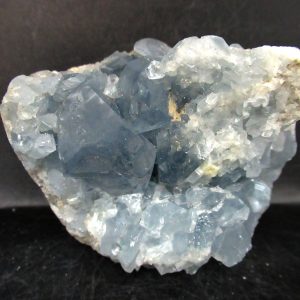
Blue Celestite Madagascar Natural Mineral for Sale #8
$20.00 -
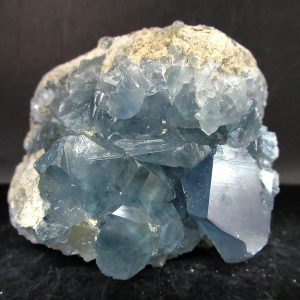
Blue Celestite Madagascar Natural Mineral for Sale #9
$20.00 -
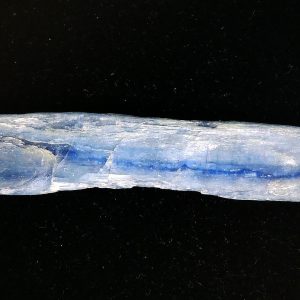
Blue Kyanite Mineral Specimen #1
$6.00 -
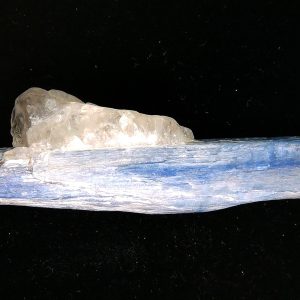
Blue Kyanite Mineral Specimen #10
$6.00 -
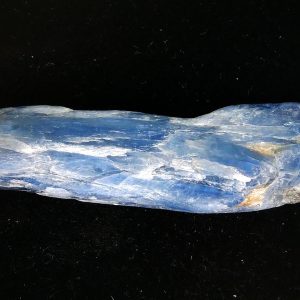
Blue Kyanite Mineral Specimen #11
$6.00 -
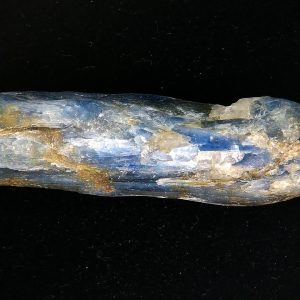
Blue Kyanite Mineral Specimen #13
$6.00 -
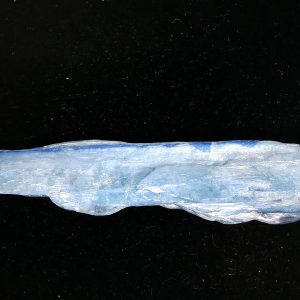
Blue Kyanite Mineral Specimen #14
$6.00 -
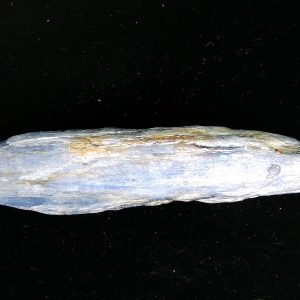
Blue Kyanite Mineral Specimen #16
$6.00 -
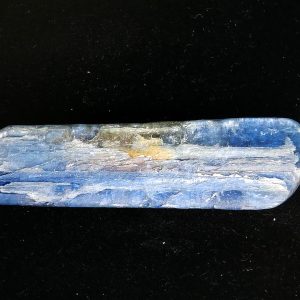
Blue Kyanite Mineral Specimen #17
$6.00 -
Sold out!
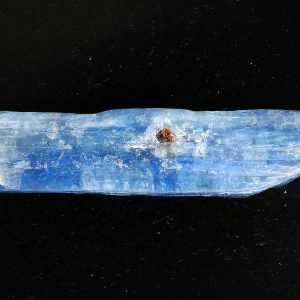
Blue Kyanite Mineral Specimen #18
$6.00 -
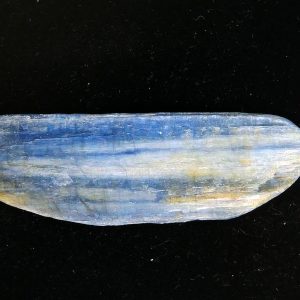
Blue Kyanite Mineral Specimen #19
$6.00 -
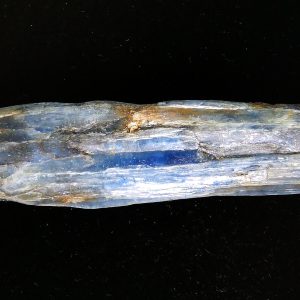
Blue Kyanite Mineral Specimen #2
$6.00
WHY SHOP WITH PREHISTORIC FOSSILS?
- Large Selection
- Great Prices and Great Selection
- Authenticity Guaranteed
- Satisfaction Guaranteed
- Your TRUSTED SOURCE for 25 years!
- Many more videos are available on our YouTube Channel
Natural Mineral Specimens For Sale
Natural Mineral Specimens For Sale offer collectors, students, and geology enthusiasts a direct look at the natural processes that shape the Earth. Minerals form through physical and chemical processes, and each mineral has a characteristic chemical composition and crystal structure. Therefore, every natural specimen provides useful information about geology, mineral formation, and Earth history.
What Are Natural Mineral Specimens?
Natural mineral specimens are naturally occurring solids that display the properties of one or more minerals. A mineral generally has an ordered crystal structure and a characteristic chemical composition. For example, quartz consists of silicon dioxide, while calcite consists of calcium carbonate. However, many specimens contain several minerals growing together. As a result, these pieces may display striking combinations of colors, textures, and crystal forms.
Scientists have identified thousands of mineral species. Moreover, researchers continue to describe new minerals as they study unusual geological environments and chemical conditions.
How Minerals Form in Nature
Minerals develop in many geological settings. For instance, crystals can grow as magma or lava cools. Quartz, feldspar, and mica commonly form through igneous processes.
Additionally, mineral-rich fluids can move through cracks and cavities in rocks. As these fluids cool or their chemistry changes, dissolved elements may crystallize. Consequently, impressive crystals can develop in veins, cavities, and geodes.
Other minerals form through evaporation. Halite, for example, can develop when salty water evaporates and leaves dissolved material behind. Likewise, gypsum commonly occurs in evaporite deposits.
Colors, Crystal Shapes, and Physical Properties
Natural Mineral Specimens For Sale can vary greatly in color, crystal habit, hardness, luster, cleavage, and density. These physical properties help mineralogists identify individual minerals.
Color also provides useful clues. However, color alone does not always confirm an identification because trace elements, structural defects, and inclusions can alter a mineral’s appearance. Quartz, for example, may appear clear, purple, pink, smoky, or yellow. Therefore, mineral identification usually involves examining several properties.
Interesting Optical Effects
Some minerals display remarkable optical effects. Labradorite can show colorful flashes called labradorescence. Tiger’s eye may display a moving band of reflected light known as chatoyancy. In addition, some fluorite, calcite, and other minerals fluoresce under ultraviolet light.
Because of these natural features, mineral specimens can provide both scientific information and visual appeal.
Collecting Natural Mineral Specimens
Mineral collecting combines geology, natural history, and an appreciation for natural beauty. Collectors may focus on crystal form, mineral species, locality, size, rarity, or unusual mineral associations. Moreover, specimens with well-formed crystals and documented localities can have additional scientific and educational value.
Proper labeling is especially important. Ideally, a specimen label should include the mineral name, locality, and other known geological information. Consequently, good documentation preserves valuable provenance for future collectors and researchers.
Understanding Earth’s Geological History
Mineral specimens are more than decorative objects. Instead, they preserve evidence of geological processes that may have operated for thousands or millions of years. Minerals can reveal how rocks formed, how fluids moved underground, and how chemical elements became concentrated.
Why Buy Natural Mineral Specimens For Sale?
Whether displayed in a home, classroom, museum, or private collection, Natural Mineral Specimens For Sale provide an accessible way to explore geology. Each specimen represents a small part of Earth’s geological history. Furthermore, natural variations mean that crystal shape, color, mineral associations, and overall appearance can differ from one specimen to another.
Above all, natural mineral specimens demonstrate the remarkable physical and chemical processes that continue to shape our planet. Therefore, they make excellent additions to mineral collections, educational displays, and natural history collections.