
Lobster Fossils For Sale | Genuine Prehistoric Lobster Fossils
Lobster Fossils For Sale – Ancient Crustaceans from Prehistoric Seas
Lobster Fossils For Sale give collectors and educators a fascinating look at crustaceans that lived in ancient oceans and coastal environments. Lobster-like decapod crustaceans have a fossil record extending back hundreds of millions of years. Today, genuine lobster fossils help scientists study the evolution, anatomy, and diversity of these important marine animals.
How Lobster Fossils Form
Although lobsters have hard outer shells, complete fossils can be uncommon. After a lobster died, its body could quickly break apart or attract scavengers. Therefore, rapid burial in fine sediment greatly improved the chance of preservation. In addition, low-oxygen conditions could slow decay and help preserve delicate features.
Identifying Fossil Lobsters
For example, well-preserved lobster fossils may show claws, walking legs, antennae, body segments, and parts of the tail. Moreover, fine-grained limestone and other sediments sometimes preserve remarkable anatomical detail. Fossil lobsters occur in marine deposits around the world, including important fossil sites in Europe, North America, and other regions.
Why Lobster Fossils Are Scientifically Important
Importantly, fossil lobsters belong to Decapoda, the crustacean order that also includes living crabs, shrimp, and crayfish. As a result, scientists can compare fossil species with modern relatives to study how decapod crustaceans changed through geological time.
Collecting Lobster Fossils For Sale
Finally, Lobster Fossils For Sale appeal to collectors because they combine scientific value with striking natural form. Each genuine specimen offers a direct connection to prehistoric aquatic ecosystems and the long evolutionary history of decapod crustaceans.
Lobster Fossils For Sale
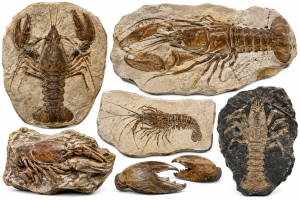
Showing all 22 results
-
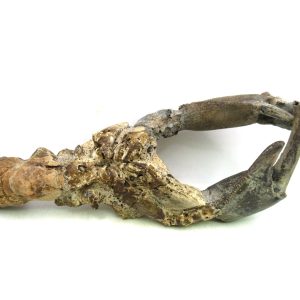
Thalassina anomala Mangrove Lobster Fossil for Sale #1
$600.00 -
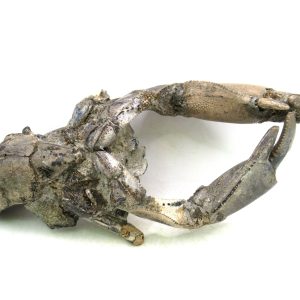
Thalassina anomala Mangrove Lobster Fossil for Sale #2
$600.00 -
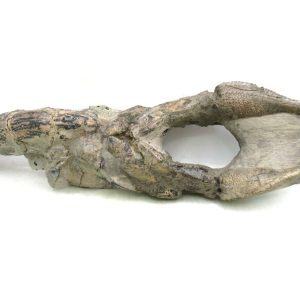
Thalassina anomala Mangrove Lobster Fossil for Sale #3
$600.00 -
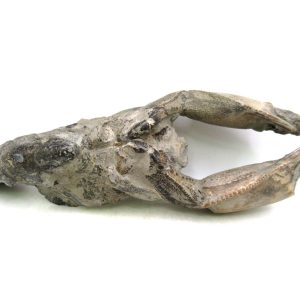
Thalassina anomala Mangrove Lobster Fossil for Sale #4
$600.00 -
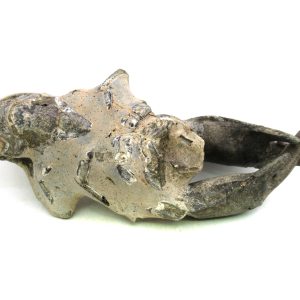
Thalassina anomala Mangrove Lobster Fossil for Sale #5
$600.00 -
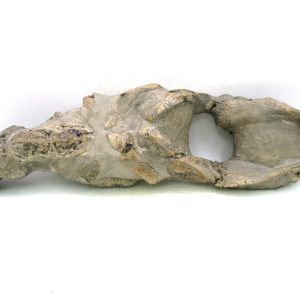
Thalassina anomala Mangrove Lobster Fossil for Sale #6
$600.00 -
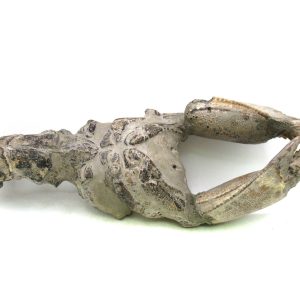
Thalassina anomala Mangrove Lobster Fossil for Sale #7
$1,200.00 -

Jurassic Solnhofen Lobster #51
$60.00 -

Jurassic Solnhofen Lobster #53
$90.00 -
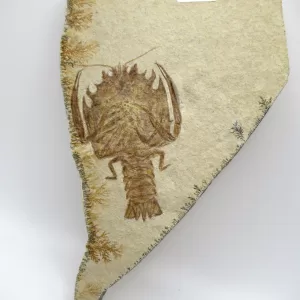
Jurassic Solnhofen Lobster from Germany for Sale #24
$995.00 -
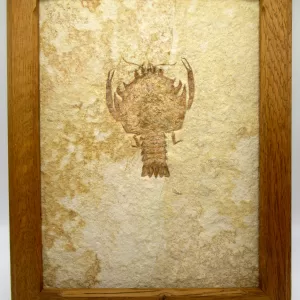
Jurassic Solnhofen Lobster #26
$1,700.00 -
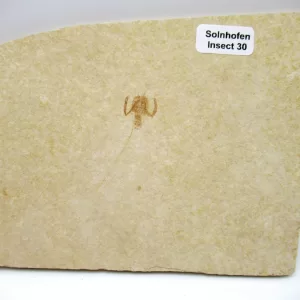
Jurassic Solnhofen Lobster #30
$90.00 -
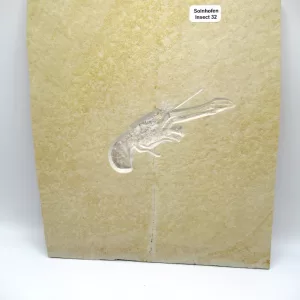
Jurassic Solnhofen Lobster #32
$310.00 -
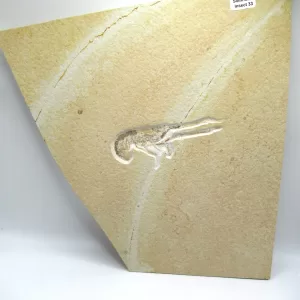
Jurassic Solnhofen Lobster #33
$260.00 -
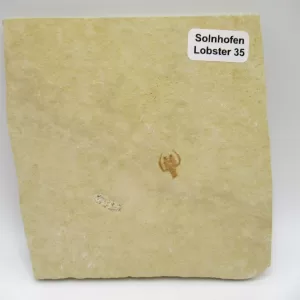
Jurassic Solnhofen Lobster #35
$50.00 -
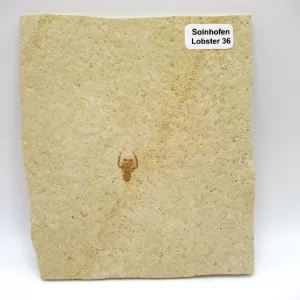
Jurassic Solnhofen Lobster #36
$90.00 -
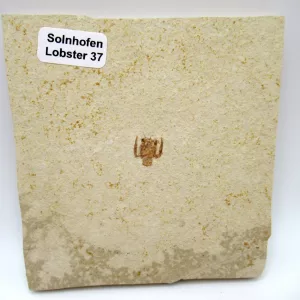
Jurassic Solnhofen Lobster #37
$90.00 -
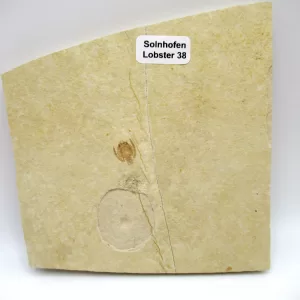
Jurassic Solnhofen Lobster #38
$90.00 -
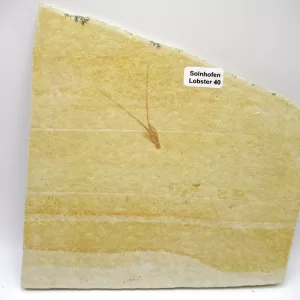
Jurassic Solnhofen Lobster #40
$40.00 -
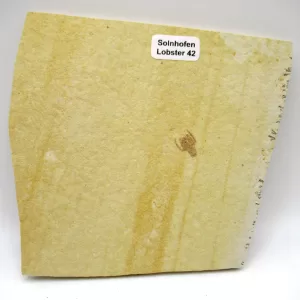
Jurassic Solnhofen Lobster #42
$170.00 -
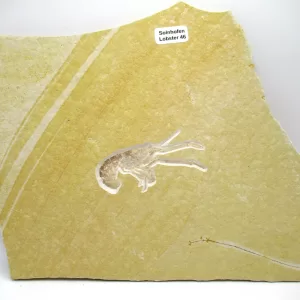
Jurassic Solnhofen Lobster #46
$280.00 -
Sold out!
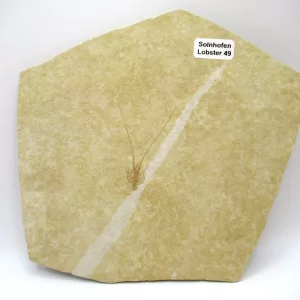
Jurassic Solnhofen Lobster #49
$50.00
Lobster Fossils For Sale – Collecting Fossil Lobsters
Lobster Fossils For Sale give collectors a fascinating way to explore the history of prehistoric marine life. Lobsters belong to the crustacean order Decapoda, which also includes crabs, shrimp, and crayfish. Their fossil relatives lived in ancient oceans millions of years ago. Today, well-preserved fossil lobsters attract collectors because they may show claws, legs, body segments, tail sections, and other delicate features.
How Fossil Lobsters Form
Lobsters have hard exoskeletons, but their remains often break apart soon after death. Therefore, complete fossil lobsters require favorable conditions for preservation. Rapid burial in fine sediment can protect a carcass from scavengers, currents, and decay. Over time, sediment hardens into rock while minerals may help preserve important anatomical details.
However, collectors should remember that crustaceans molt their exoskeletons as they grow. Consequently, some fossil remains may represent shed molts rather than animals that died and became buried. Paleontologists study the position, completeness, and condition of the fossil to help determine how a specimen formed.
Where Are Fossil Lobsters Found?
Fossil lobsters occur in marine sedimentary rocks from many parts of the world. For example, important specimens come from Jurassic and Cretaceous deposits in Europe and other regions. Lebanon is especially well known for beautifully preserved Cretaceous marine crustaceans. In addition, fossil lobsters and related decapods occur in deposits across North America and elsewhere.
Germany’s famous Jurassic limestone deposits have also produced exceptionally preserved crustaceans. Because fine-grained sediments can protect small anatomical structures, some specimens provide valuable scientific information about the evolution of ancient decapods.
What to Look for When Buying Lobster Fossils For Sale
When considering Lobster Fossils For Sale, first examine the specimen’s completeness, preservation, and preparation. Generally, fossils that preserve claws, walking legs, antennae, tail sections, and detailed body segments attract greater collector interest. Natural positioning and clear anatomical features can also increase the specimen’s educational and display value.
Moreover, examine the surrounding rock matrix carefully. Genuine fossils should show a natural relationship between the specimen and the surrounding stone. Some commercial fossils receive repairs or restoration during preparation. Restoration does not automatically make a specimen undesirable. Nevertheless, sellers should clearly disclose major repairs, reconstruction, or added material.
Why Scientific Identification Matters
Accurate identification adds important scientific context to fossil specimens. Therefore, quality Lobster Fossils For Sale should include as much information as possible about the genus or species, geological age, formation, and collecting locality. Proper documentation helps collectors understand where the fossil came from and how it fits into Earth’s geological history.
Whenever possible, collectors should purchase from knowledgeable and established fossil dealers who provide clear descriptions and authenticity information. This approach supports informed collecting and helps buyers better understand the scientific value of each specimen.
How to Care for Fossil Lobsters
Fossil lobsters can contain thin and fragile structures. As a result, collectors should handle them carefully. Avoid lifting specimens by claws, legs, or antennae. Instead, support the surrounding rock matrix when moving or displaying the fossil.
Likewise, protect specimens from excessive moisture, rapid temperature changes, strong vibration, and prolonged direct sunlight. A stable display stand or padded storage area can help protect delicate fossils while allowing collectors to enjoy their natural details.
Why Collect Fossil Lobsters?
Fossil lobsters combine scientific importance with striking natural beauty. Most importantly, each specimen records part of the long evolutionary history of crustaceans and prehistoric marine ecosystems. Their anatomy can help paleontologists study how decapods evolved, adapted, and diversified through geological time.
Ultimately, collecting fossil lobsters allows enthusiasts to preserve and appreciate evidence of ancient ocean life. With careful identification, responsible purchasing, and proper care, genuine Lobster Fossils For Sale can become impressive additions to fossil collections while providing a direct connection to seas that existed millions of years ago.