
Tumbled Stones For Sale | Polished Gemstones & Minerals
Tumbled Stones For Sale – Natural Polished Rocks and Minerals
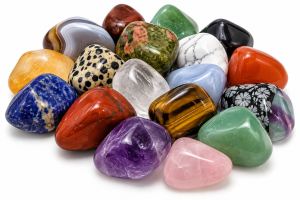
Tumbled Stones For Sale offer collectors, educators, jewelry makers, and rock enthusiasts an attractive way to enjoy natural minerals. Tumbled stones begin as rough pieces of rock or mineral. Then, through careful polishing, their colors, patterns, and textures become easier to see.
At Prehistoric Fossils, we offer genuine natural history specimens and collectible materials for customers of many experience levels. Since 1997, we have focused on providing interesting geological items with clear identification and dependable customer service.
How Tumbled Stones Are Made
Stone tumbling uses abrasion to slowly smooth rough surfaces. First, stones go into a rotating or vibrating tumbler with coarse grit and water. As they move, the abrasive removes sharp edges and uneven areas.
Next, progressively finer grit removes smaller scratches. Finally, a polishing compound helps create a smooth and often glossy finish. Depending on the stone type and equipment, the full process may take several weeks.
Popular Tumbled Stones For Sale
Many rocks and minerals can become attractive tumbled stones. However, harder materials usually produce the best polish. Popular examples include agate, jasper, quartz, amethyst, tiger’s eye, aventurine, and certain varieties of petrified wood.
Quartz-based stones are especially well suited for tumbling because quartz has a Mohs hardness of 7. Therefore, it resists scratching better than many softer minerals and can develop a bright finish.
Natural Colors, Bands, and Mineral Patterns
Tumbling does not create the natural colors or patterns inside a stone. Instead, polishing reveals geological features that may be less visible on a rough surface. For example, agate may display bands, while jasper can show spots, swirls, and contrasting mineral zones.
Because natural rocks vary, each polished specimen may differ slightly in color, shape, pattern, and size. As a result, Tumbled Stones For Sale can make distinctive additions to collections, displays, educational kits, crafts, and jewelry projects.
Why Buy Tumbled Stones?
Tumbled stones provide an affordable way to explore geology while enjoying the beauty of natural minerals. In addition, their smooth surfaces make them easy to handle, display, and compare. Whether you collect rocks, teach earth science, make jewelry, or simply enjoy natural materials, tumbled stones offer both visual appeal and geological interest.
Showing 1–50 of 62 results
-

Metaphysical Stone: Black Onyx
$1.00 -

Metaphysical Stone: Black Tourmaline
$1.00 -

Metaphysical Stone: Blue Aventurine
$1.00 -
Sold out!

Metaphysical Stone: Blue Chalcedony
$1.00 -

Metaphysical Stone: Blue Quartz
$1.00 -

Metaphysical Stone: Bronzite
$1.00 -
Sold out!

Metaphysical Stone: Carnelian
$1.00 -
Sold out!

Metaphysical Stone: Chrysocolla
$1.00 -
Sold out!

Metaphysical Stone: Chrysoprase
$1.00 -
Sold out!
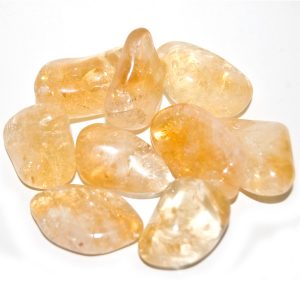
Metaphysical Stone: Citrine
$1.00 -

Metaphysical Stone: Clear Moonstone
$1.00 -

Metaphysical Stone: Crystal Quartz
$1.00 -

Metaphysical Stone: Dalmation Jasper
$1.00 -

Metaphysical Stone: Dendritic Agate
$1.00 -

Metaphysical Stone: Dolomite
$1.00 -
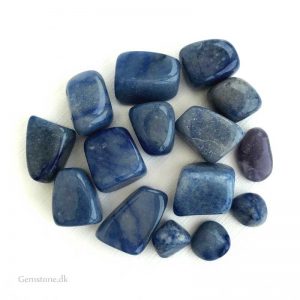
Metaphysical Stone: Dumortierite
$1.00 -
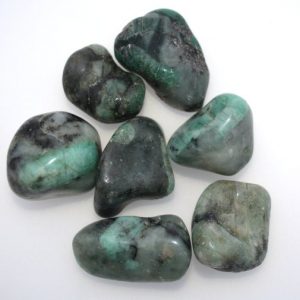
Metaphysical Stone: Emerald on Matrix
$1.00 -

Metaphysical Stone: Green Aventurine
$1.00 -
Sold out!

Metaphysical Stone: Heliotrope
$1.00 -

Metaphysical Stone: Hemimorphite
$1.00 -

Metaphysical Stone: Iron Tiger Eye
$1.00 -

Metaphysical Stone: Kambaba Jasper
$1.00 -

Metaphysical Stone: Labradorite
$1.00 -
Sold out!

Metaphysical Stone: Lapis Lazuli
Original price was: $5.00.$3.00Current price is: $3.00. -

Metaphysical Stone: Lemon Chrysoprase
$1.00 -

Metaphysical Stone: Mahogany Obsidian
$1.00 -

Metaphysical Stone: Mangano Calcite
$1.00 -

Metaphysical Stone: Marine Agate
$1.00 -

Metaphysical Stone: Ocean Jasper
$1.00 -

Metaphysical Stone: Peach Aventurine
$1.00 -

Metaphysical Stone: Petrified Wood
$1.00 -

Metaphysical Stone: Picasso Marble
$1.00 -

Metaphysical Stone: Picture Jasper
$1.00 -

Metaphysical Stone: Pietersite
$1.00 -
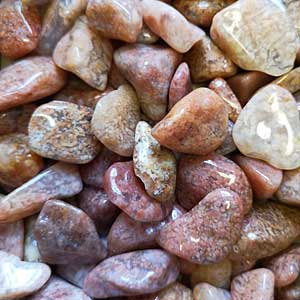
Metaphysical Stone: Pink Moss Agate
$1.00 -

Metaphysical Stone: Prehnite
$1.00 -

Metaphysical Stone: Quartz with Tourmaline
$1.00 -

Metaphysical Stone: Rainbow Jasper
$1.00 -

Metaphysical Stone: Red and White Agate
$1.00 -

Metaphysical Stone: Red Aventurine
$1.00 -

Metaphysical Stone: Red Garnet
$1.00 -

Metaphysical Stone: Red Jasper
$1.00 -

Metaphysical Stone: Red Spotted Jasper
$1.00 -
Sold out!

Metaphysical Stone: Rhodochrosite
$1.00 -

Metaphysical Stone: Rhodonite
$1.00 -

Metaphysical Stone: Rhyolite
$1.00 -

Metaphysical Stone: Rose Quartz
$1.00 -

Metaphysical Stone: Sardonyx
$1.00 -

Metaphysical Stone: Seftonite
$1.00 -
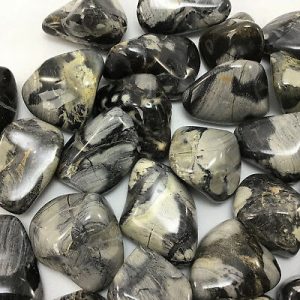
Metaphysical Stone: Silver Jasper
$1.00
WHY SHOP WITH PREHISTORIC FOSSILS?
- Great Prices
- Great Selection
- Authenticity Guaranteed
- Satisfaction Guaranteed
- Your TRUSTED SOURCE for 25 years!
- Many more videos are available on our YouTube Channel
Tumbled Stones For Sale – Colorful Natural Stones and Minerals
Tumbled Stones For Sale offer collectors, students, jewelry makers, and rock enthusiasts an affordable way to enjoy beautiful natural minerals. Tumbled stones begin as rough rocks or minerals. Then, a rock tumbler slowly smooths and polishes their surfaces. As a result, the stones develop rounded shapes, bright colors, and an attractive glossy finish.
Although polishing changes the surface, it does not change the basic mineral itself. Therefore, tumbled stones can still display natural colors, patterns, inclusions, and other geological features. They are also useful for teaching children and beginning collectors about minerals and Earth science.
How Tumbled Stones Are Made
Rock tumbling copies a natural process that occurs in rivers, streams, and along shorelines. In nature, rocks move against sand, gravel, and other stones. Over time, this movement wears away sharp edges and creates smoother surfaces.
A mechanical tumbler speeds up the process. First, rough stones are placed inside a rotating or vibrating barrel with water and coarse abrasive grit. The stones repeatedly rub against the grit and one another. Consequently, rough surfaces and sharp edges slowly disappear.
Next, progressively finer abrasives smooth the stones. Finally, a polishing compound creates their glossy surface. Depending on the stone and equipment, the complete tumbling process can take several weeks.
Popular Minerals Used for Polished Stones
Many rocks and minerals can become attractive tumbled specimens. However, durable materials usually accept the best polish. Quartz varieties are especially popular because quartz has a Mohs hardness of 7.
Common examples include clear quartz, rose quartz, smoky quartz, amethyst, and aventurine. In addition, agate and jasper often produce excellent results because they contain durable forms of microcrystalline quartz.
Other popular stones include tiger’s eye, sodalite, obsidian, and some types of petrified wood. However, minerals with very different hardness levels generally should not tumble together. For example, quartz can scratch softer minerals such as calcite.
Why Tumbled Stones Have So Many Colors
The colors found in Tumbled Stones For Sale come from mineral composition, crystal structure, trace elements, and natural inclusions. For example, iron compounds can produce red, yellow, orange, or brown colors in many geological materials.
Amethyst receives its purple color from iron-related defects within quartz combined with natural irradiation. Meanwhile, mineral inclusions can create attractive spots, bands, clouds, and contrasting patterns.
Polishing normally does not create these natural colors. Instead, polishing removes scratches and rough areas. Therefore, light reflects more evenly from the surface, which makes existing colors and patterns appear richer and brighter.
Educational and Collecting Uses
Tumbled stones provide an easy introduction to mineral collecting. Students can compare hardness, color, luster, transparency, patterns, and mineral composition. Furthermore, their small size makes them convenient for classroom collections, educational kits, displays, and gifts.
People also use polished stones for jewelry, crafts, home decoration, and mineral collections. However, color alone cannot always identify a mineral accurately. Several unrelated minerals may look similar. Therefore, professional identification may involve hardness, streak, crystal structure, specific gravity, or other mineral properties.
Genuine Tumbled Stones From a Trusted Natural History Source
When shopping for Tumbled Stones For Sale, accurate identification and trustworthy descriptions are important. Prehistoric Fossils has supplied genuine fossils, minerals, meteorites, artifacts, and natural history specimens since 1997. Each specimen should be evaluated according to its actual geological characteristics rather than color or appearance alone.
Most importantly, every natural tumbled stone began as geological material formed within the Earth. Some minerals formed millions or even billions of years ago. As a result, these colorful polished stones offer both visual beauty and a direct connection to Earth’s remarkable geological history.