
Shark Teeth Fossils For Sale | Authentic Fossil Teeth
Shark Teeth Fossils For Sale
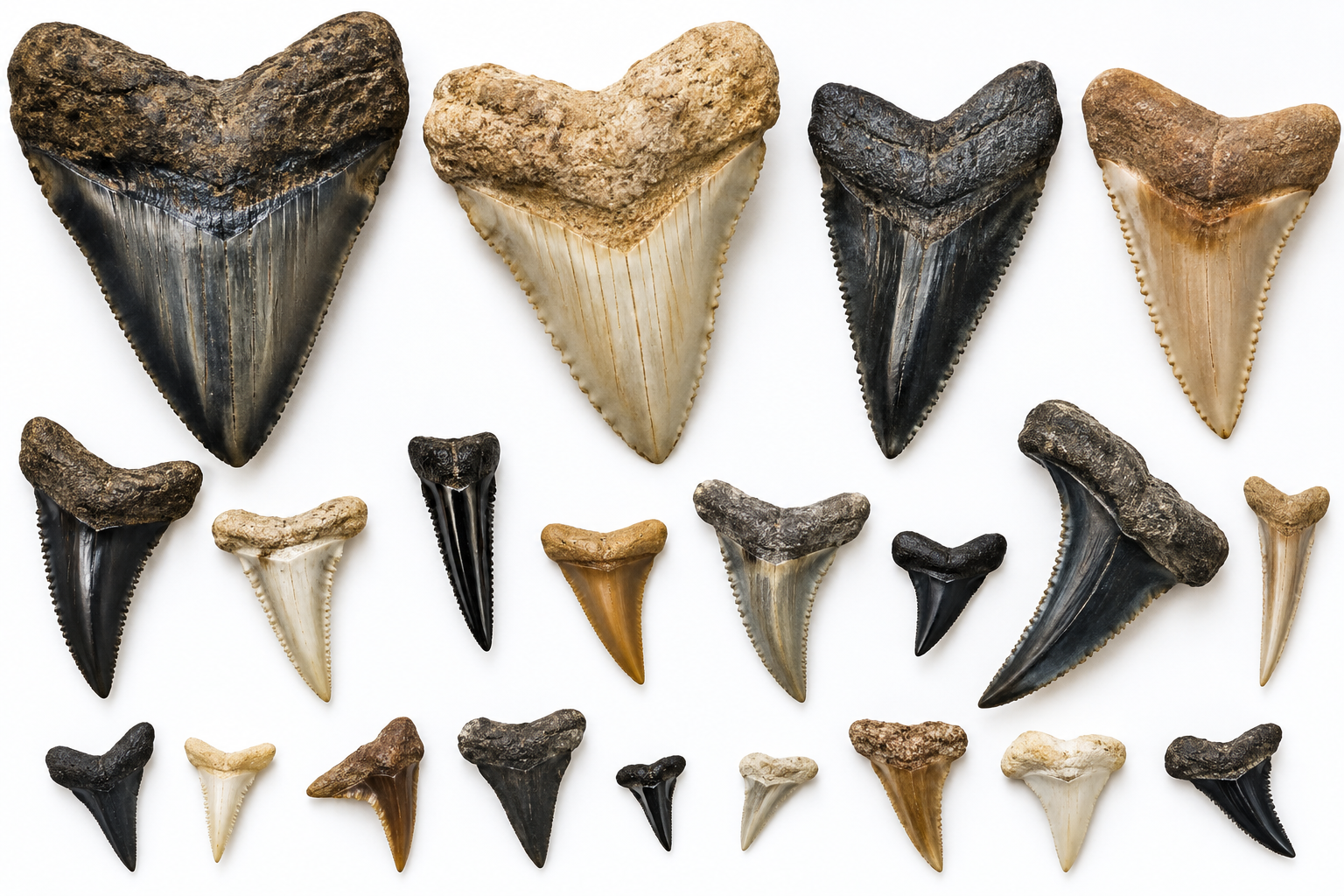
Shark teeth fossils provide a fascinating record of ancient marine life. Sharks have replaced their teeth throughout their lives for hundreds of millions of years. As a result, countless teeth fell to the seafloor, where sediment could bury and protect them. Today, Shark Teeth Fossils For Sale offer collectors an opportunity to own a small piece of prehistoric marine history.
How Fossil Shark Teeth Form
Over time, minerals in groundwater entered the tooth and gradually replaced much of its original material. This process, called permineralization or fossilization, helped preserve the tooth. However, not every fossil tooth has the same appearance. Its color, texture, and condition often depend on the minerals and sediments around it.
Minerals and Fossil Preservation
The fossilization process can create a wide range of colors and textures. Therefore, two shark teeth from different locations may look very different. These natural differences make fossil shark teeth especially interesting to collectors searching for unique Shark Teeth Fossils For Sale.
Identifying Fossil Shark Teeth
Fossil shark teeth also help scientists identify ancient shark species. Researchers study features such as tooth shape, size, serrations, and root structure. For example, the teeth of the extinct megalodon are large and triangular, while other species produced much smaller teeth.
Megalodon and Other Ancient Sharks
Megalodon teeth are among the most recognizable shark fossils. However, many other prehistoric shark species produced distinctive teeth that are valuable for study and collecting. When evaluating Shark Teeth Fossils For Sale, collectors can examine the tooth’s shape, preservation, size, and identifying features.
What Fossil Shark Teeth Tell Us
In addition, fossil teeth can reveal information about ancient environments. Their locations help researchers understand where sharks lived and how marine ecosystems changed over time. Therefore, these fossils have both scientific and educational value.
Collecting Shark Teeth Fossils
Today, collectors value fossil shark teeth because each specimen offers a tangible connection to prehistoric oceans. Common fossil teeth can make excellent beginner specimens, while rare species and well-preserved examples may interest experienced collectors. Nevertheless, collectors should learn about a specimen’s age, species, location, and restoration before purchasing it.
Choosing Shark Teeth Fossils For Sale
When comparing Shark Teeth Fossils For Sale, consider the specimen’s authenticity, condition, size, species, provenance, and any restoration. A well-documented fossil can provide greater confidence while also adding educational value to a collection.
The Appeal of Fossil Shark Teeth
Overall, fossil shark teeth combine natural history, geology, and paleontology in a small but remarkable fossil. They allow us to explore ancient oceans while appreciating the long evolutionary history of sharks. For collectors and fossil enthusiasts alike, Shark Teeth Fossils For Sale provide an accessible way to connect with the fascinating world of prehistoric marine life.
Showing 1–50 of 1500 results
-
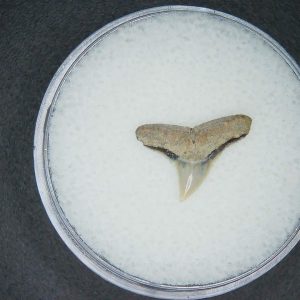
Carcharhinus brachyurus Extinct Shark Tooth Fossil for Sale #1
$5.00 -
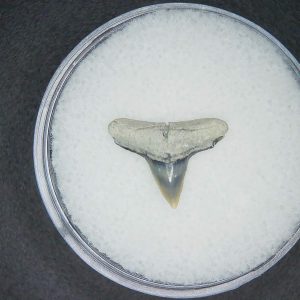
Carcharhinus brachyurus Extinct Shark Tooth Fossil for Sale #10
$5.00 -
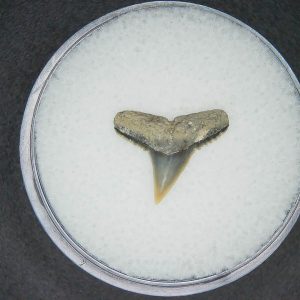
Carcharhinus brachyurus Extinct Shark Tooth Fossil for Sale #11
$5.00 -
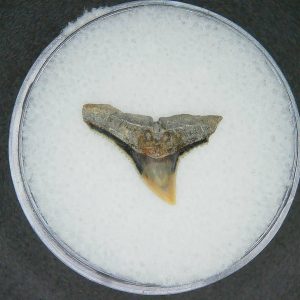
Carcharhinus brachyurus Extinct Shark Tooth Fossil for Sale #12
$5.00 -
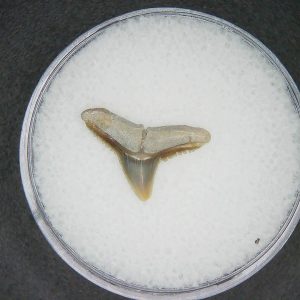
Carcharhinus brachyurus Extinct Shark Tooth Fossil for Sale #13
$5.00 -
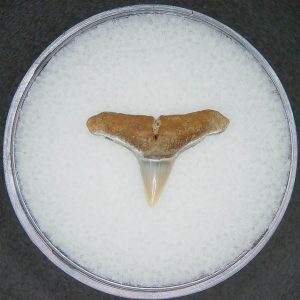
Carcharhinus brachyurus Extinct Shark Tooth Fossil for Sale #14
$5.00 -
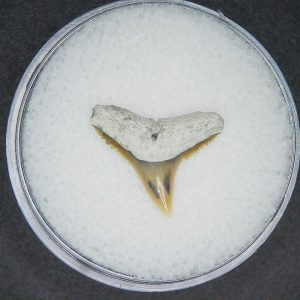
Carcharhinus brachyurus Extinct Shark Tooth Fossil for Sale #15
$5.00 -
Sold out!
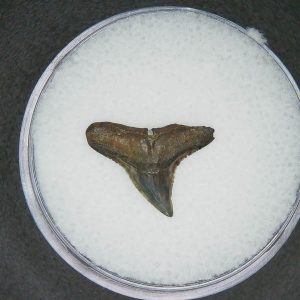
Carcharhinus brachyurus Extinct Shark Tooth Fossil for Sale #16
$5.00 -
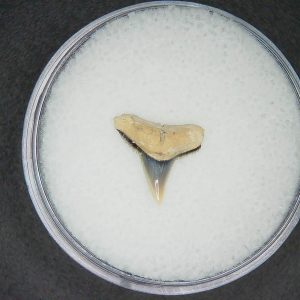
Carcharhinus brachyurus Extinct Shark Tooth Fossil for Sale #17
$5.00 -
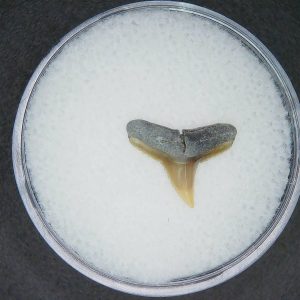
Carcharhinus brachyurus Extinct Shark Tooth Fossil for Sale #18
$5.00 -
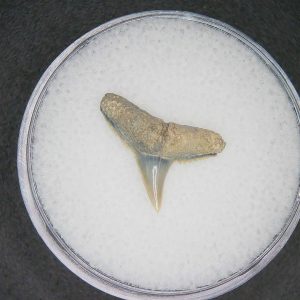
Carcharhinus brachyurus Extinct Shark Tooth Fossil for Sale #19
$5.00 -
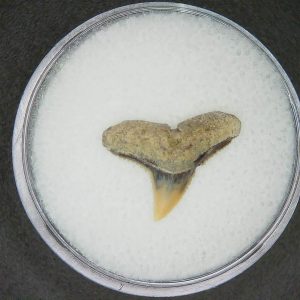
Carcharhinus brachyurus Extinct Shark Tooth Fossil for Sale #2
$5.00 -
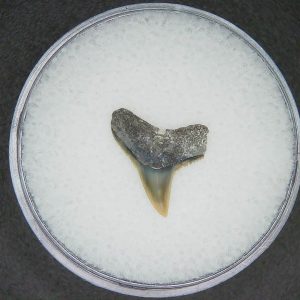
Carcharhinus brachyurus Extinct Shark Tooth Fossil for Sale #20
$5.00 -
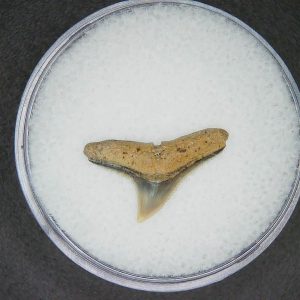
Carcharhinus brachyurus Extinct Shark Tooth Fossil for Sale #3
$5.00 -
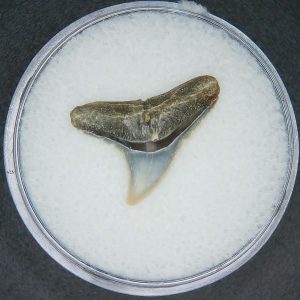
Carcharhinus brachyurus Extinct Shark Tooth Fossil for Sale #4
$5.00 -
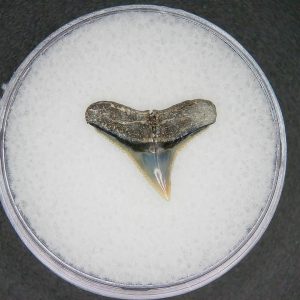
Carcharhinus brachyurus Extinct Shark Tooth Fossil for Sale #6
$5.00 -
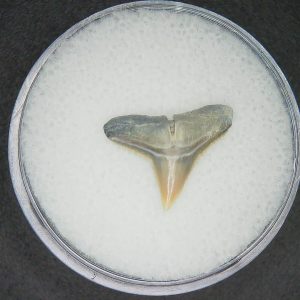
Carcharhinus brachyurus Extinct Shark Tooth Fossil for Sale #7
$5.00 -
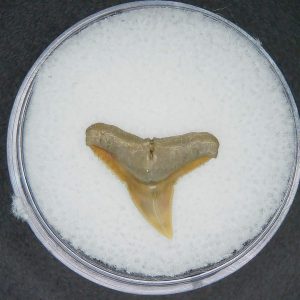
Carcharhinus brachyurus Extinct Shark Tooth Fossil for Sale #8
$5.00 -
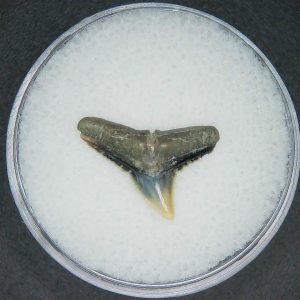
Carcharhinus brachyurus Extinct Shark Tooth Fossil for Sale #9
$5.00 -
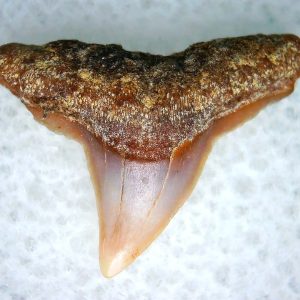
Carcharhinus Extinct Shark Tooth Fossil for Sale 1
$6.00 -
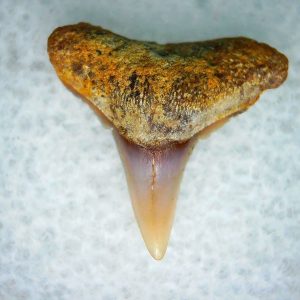
Carcharhinus Extinct Shark Tooth Fossil for Sale 10
$6.00 -
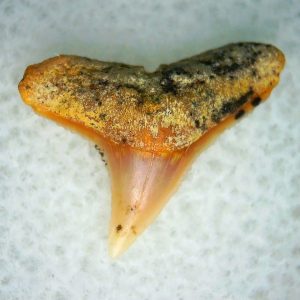
Carcharhinus Extinct Shark Tooth Fossil for Sale 11
$6.00 -
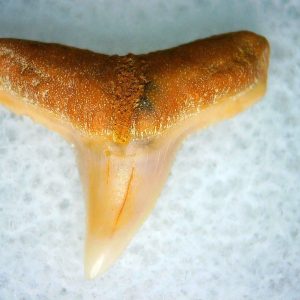
Carcharhinus Extinct Shark Tooth Fossil for Sale 13
$6.00 -
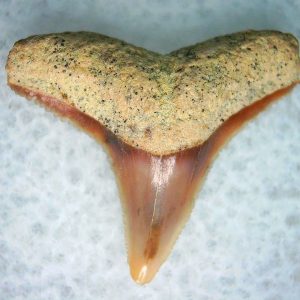
Carcharhinus Extinct Shark Tooth Fossil for Sale 14
$6.00 -
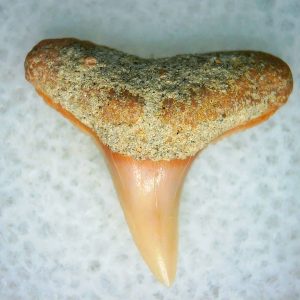
Carcharhinus Extinct Shark Tooth Fossil for Sale 16
$6.00 -
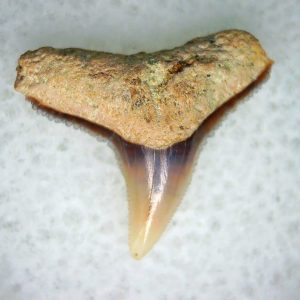
Carcharhinus Extinct Shark Tooth Fossil for Sale 17
$6.00 -
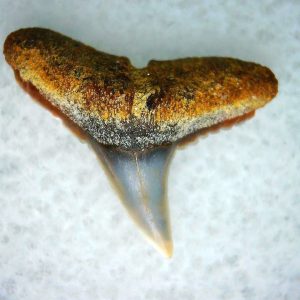
Carcharhinus Extinct Shark Tooth Fossil for Sale 18
$6.00 -
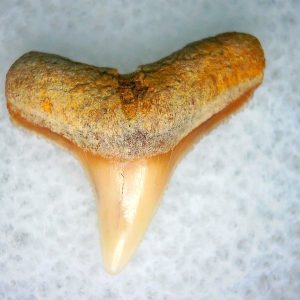
Carcharhinus Extinct Shark Tooth Fossil for Sale 19
$6.00 -
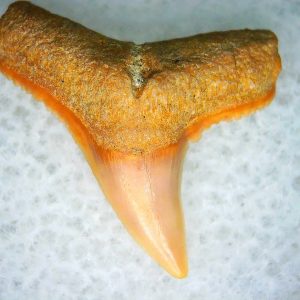
Carcharhinus Extinct Shark Tooth Fossil for Sale 2
$6.00 -
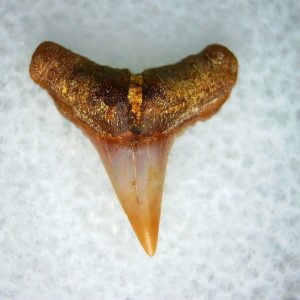
Carcharhinus Extinct Shark Tooth Fossil for Sale 20
$6.00 -
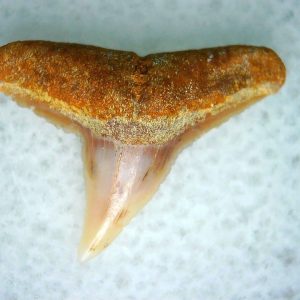
Carcharhinus Extinct Shark Tooth Fossil for Sale 21
$6.00 -
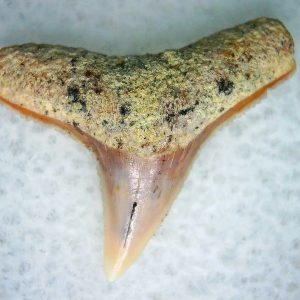
Carcharhinus Extinct Shark Tooth Fossil for Sale 22
$6.00 -
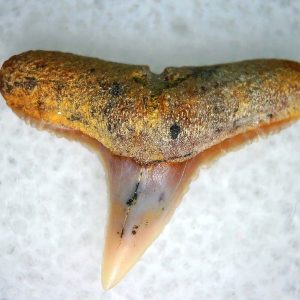
Carcharhinus Extinct Shark Tooth Fossil for Sale 23
$6.00 -
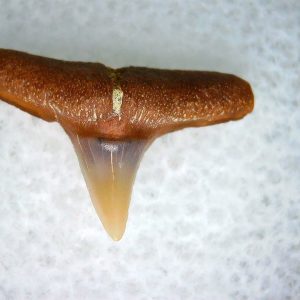
Carcharhinus Extinct Shark Tooth Fossil for Sale 24
$6.00 -
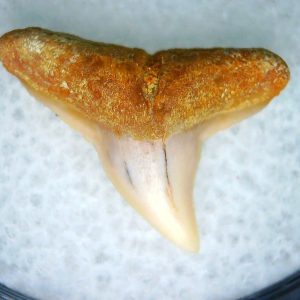
Carcharhinus Extinct Shark Tooth Fossil for Sale 25
$6.00 -
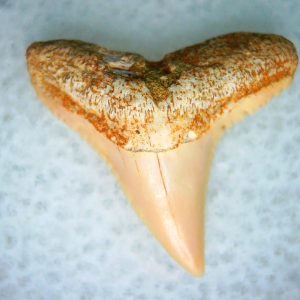
Carcharhinus Extinct Shark Tooth Fossil for Sale 26
$6.00 -
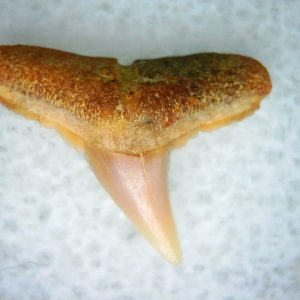
Carcharhinus Extinct Shark Tooth Fossil for Sale 27
$6.00 -
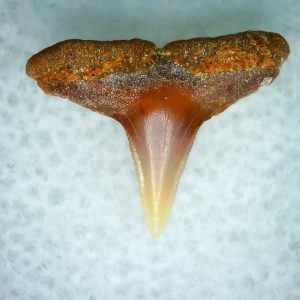
Carcharhinus Extinct Shark Tooth Fossil for Sale 28
$6.00 -

Carcharhinus Extinct Shark Tooth Fossil for Sale 29
$6.00 -
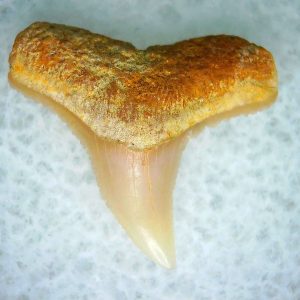
Carcharhinus Extinct Shark Tooth Fossil for Sale 3
$6.00 -
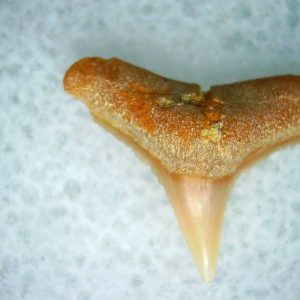
Carcharhinus Extinct Shark Tooth Fossil for Sale 30
$6.00 -
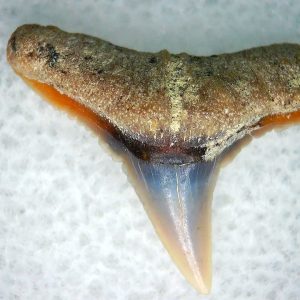
Carcharhinus Extinct Shark Tooth Fossil for Sale 4
$6.00 -
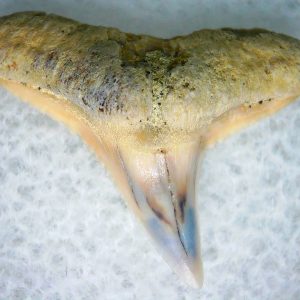
Carcharhinus Extinct Shark Tooth Fossil for Sale 5
$6.00 -
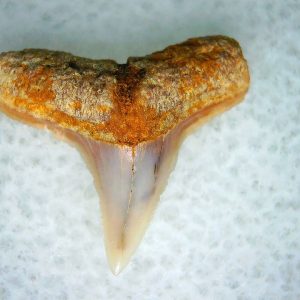
Carcharhinus Extinct Shark Tooth Fossil for Sale 6
$6.00 -
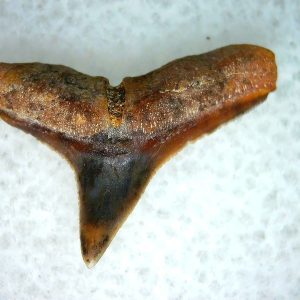
Carcharhinus Extinct Shark Tooth Fossil for Sale 7
$6.00 -
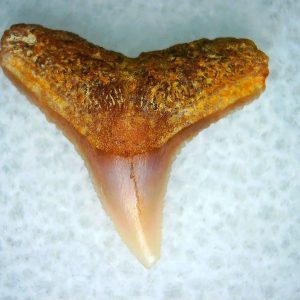
Carcharhinus Extinct Shark Tooth Fossil for Sale 8
$6.00 -
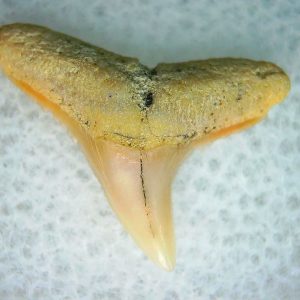
Carcharhinus Extinct Shark Tooth Fossil for Sale 9
$6.00 -
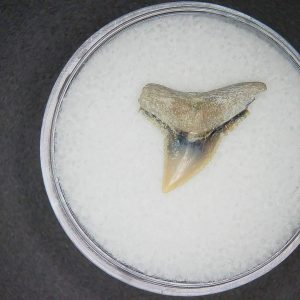
Carcharhinus falciformis Extinct Shark Tooth Fossil for Sale #1
$5.00 -
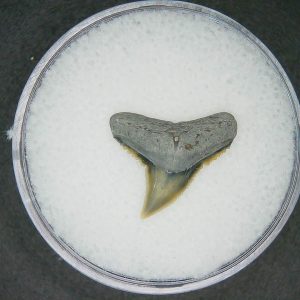
Carcharhinus falciformis Extinct Shark Tooth Fossil for Sale #10
$5.00 -
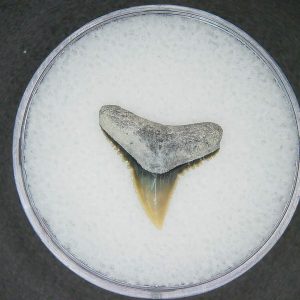
Carcharhinus falciformis Extinct Shark Tooth Fossil for Sale #11
$5.00
- Buy Fossils
- Fossils for Sale
- Large Selection
- Great Prices and Great Selection
- Authenticity Guaranteed
- Satisfaction Guaranteed
- Your TRUSTED SOURCE SINCE 1997!
- Many more videos are available on our YouTube Channel.
Shark Teeth Fossils For Sale: Fossil Shark Teeth
Shark Teeth Fossils For Sale offer collectors, educators, and fossil enthusiasts an opportunity to own a tangible piece of prehistoric marine history. Fossil shark teeth are among the most commonly encountered vertebrate fossils, and they provide valuable evidence about the evolution, ecology, and environments of ancient oceans.
Sharks have a fossil record extending back more than 400 million years. Because their skeletons are primarily composed of cartilage, which generally fossilizes less readily than bone, teeth are especially abundant in the fossil record. Their highly mineralized enameloid covering and durable dentine can survive burial and fossilization, allowing individual teeth to remain preserved for millions of years.
Why Shark Teeth Fossilize So Well
One of the main reasons fossil shark teeth are so abundant is the remarkable tooth-replacement system found in sharks. Unlike humans, sharks continually develop and replace teeth throughout their lives. Depending on the species, an individual shark may lose and replace thousands of teeth during its lifetime.
When a tooth falls out, it can become incorporated into marine sediments. If conditions are favorable, rapid burial can protect the tooth from physical and chemical destruction. Over geological time, groundwater carrying dissolved minerals can alter the original tissues and contribute to the fossilization process.
This combination of continuous tooth replacement, abundant populations, durable tooth tissues, and favorable marine depositional environments helps explain why people looking for Shark Teeth Fossils For Sale can encounter specimens representing many different species and geological periods.
The Role of Enameloid
Shark teeth are covered by a highly mineralized tissue called enameloid. Beneath it is dentine, which makes up much of the tooth. These hard tissues are substantially more resistant to decay than the soft tissues of a shark, making teeth particularly likely to enter and survive the fossil record.
Common Types of Fossil Shark Teeth
Fossil shark teeth vary considerably in size, shape, thickness, serration, and root structure. These characteristics can help paleontologists identify the shark that produced a tooth and, in some cases, narrow down its geological age and environment.
Megalodon (Otodus megalodon)
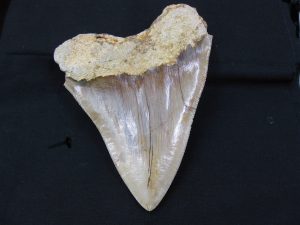
Megalodon teeth are among the most sought-after shark fossils. Otodus megalodon was a gigantic predatory shark that lived primarily during the Miocene and Pliocene epochs. Its teeth are typically large, robust, triangular structures with prominent serrations.
 The impressive size and distinctive appearance of megalodon teeth make them especially popular with collectors. However, individual specimens can vary substantially in size, preservation, color, completeness, and provenance. For anyone considering Shark Teeth Fossils For Sale, these factors are important when evaluating a specimen.
Great White Shark (Carcharodon carcharias)
Great white shark teeth are characterized by their triangular shape and finely serrated cutting edges. Carcharodon carcharias is a modern species with a fossil record extending back several million years, although the evolutionary history of the great white lineage is considerably more complex than simply identifying every older serrated tooth as a modern great white.
 Because closely related fossil sharks can produce teeth with similar characteristics, accurate identification is best based on multiple features rather than tooth shape alone. This is particularly important when purchasing fossil shark teeth and evaluating an identification provided by a seller.
Requiem Sharks (Carcharhinus)
Requiem sharks in the genus Carcharhinus include numerous species that inhabit marine and coastal environments. Their fossil teeth are generally smaller and narrower than megalodon teeth and can occur in coastal fossil deposits.
 The diversity of requiem shark teeth demonstrates why fossil shark teeth collecting can be an excellent introduction to paleontology. Comparing tooth shape, serration, root form, and geological provenance can reveal important differences between shark groups.
Scientific Significance of Fossil Shark Teeth
Fossil shark teeth are more than attractive collectibles. They are important paleontological evidence that can help researchers reconstruct ancient marine ecosystems and study the evolutionary history of sharks.
Understanding Ancient Food Webs
Tooth morphology provides clues about how sharks fed. Broad, triangular, serrated teeth are well suited to cutting flesh, while other tooth shapes are adapted for gripping, crushing, or handling different types of prey. Consequently, fossil teeth can help scientists investigate the feeding strategies of extinct sharks.
Reconstructing Ancient Environments
Because fossil shark teeth occur in sediments deposited under different environmental conditions, they can also contribute to paleoenvironmental studies. Their presence alongside other fossils and geological evidence can help researchers reconstruct ancient coastal settings, marine ecosystems, and changes in sea level.
Studying Shark Evolution
Changes in tooth morphology through geological time provide an important record of shark evolution. Scientists can compare fossil teeth from different ages to investigate changes in shark diversity, ecological roles, geographic distribution, and extinction patterns.
What to Look for When Buying Fossil Shark Teeth
For collectors searching for Shark Teeth Fossils For Sale, scientific information and specimen quality are both important. A responsible seller should provide as much information as possible about the specimen, including its identification, geological age or formation when known, locality or general provenance, and whether it has been repaired or restored.
Collectors should also examine the tooth’s overall condition. Features such as intact serrations, an undamaged crown, a complete or substantially preserved root, natural coloration, and clear provenance can influence the desirability of a specimen. Repairs and restorations are not necessarily undesirable, but they should be clearly disclosed.
Provenance and Responsible Collecting
Responsible fossil collecting includes understanding where a specimen came from and complying with applicable laws and regulations. Fossils may be subject to different collecting, export, import, or ownership rules depending on their locality and jurisdiction. When purchasing Shark Teeth Fossils For Sale, buyers should favor transparent sellers who provide accurate descriptions and disclose restoration or repair work.
Why Collect Fossil Shark Teeth?
Fossil shark teeth combine scientific importance with visual appeal. Each tooth represents an individual animal that lived in an ancient marine ecosystem, and its shape can preserve evidence of the shark’s biology and feeding behavior.
For collectors, fossil shark teeth also provide an accessible way to explore paleontology. A collection can include teeth from different shark families, geological periods, and localities, allowing enthusiasts to compare how shark dentition changed through time.
Conclusion: Shark Teeth Fossils For Sale
Shark Teeth Fossils For Sale represent much more than prehistoric curiosities. These durable fossils preserve an important record of shark evolution and ancient marine ecosystems. Their abundance results from continuous tooth replacement and the exceptional preservation potential of mineralized tooth tissues.
From enormous Otodus megalodon teeth to smaller requiem shark specimens, fossil shark teeth provide an engaging connection to prehistoric oceans. By considering identification, preservation, provenance, restoration, and responsible collecting practices, enthusiasts can build collections that are both visually impressive and scientifically meaningful.