
Starfish Fossils
Starfish Fossils – Starfish or sea stars are star-shaped echinoderms belonging to the class Asteroidea. “Starfish” is also applied to ophiuroids, which is incorrect. Those should be referred to as brittle stars or “basket stars”.
The fossil record for starfish is ancient, dating back to the Ordovician around 450 million years ago. Starfish fossils are rare, as starfish tend to disintegrate after death. Only the ossicles and spines of the animal are likely to be preserved, making remains hard to locate.
Buy Fossils with Confidence. Your TRUSTED SOURCE since 1997. Authenticity Guaranteed
Showing 1–50 of 98 results
-

Morocco Petraster Starfish 17
$195.00 -
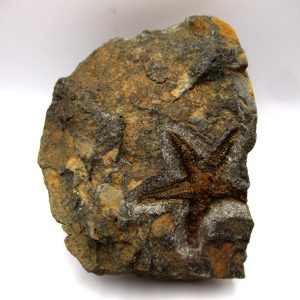
Morocco Petraster Starfish 19
$85.00 -
Sold out!
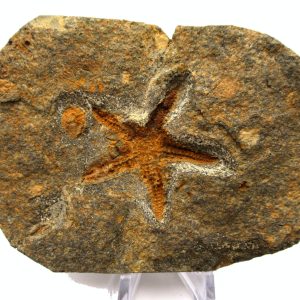
Morocco Petraster Starfish 20
$55.00 -
Sold out!
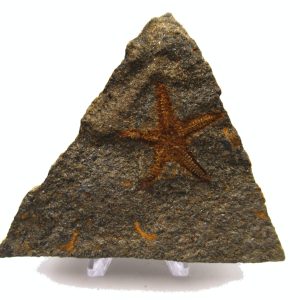
Morocco Petraster Starfish 21
$85.00 -
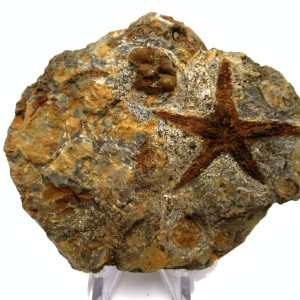
Morocco Petraster Starfish 22
$85.00 -
Sold out!
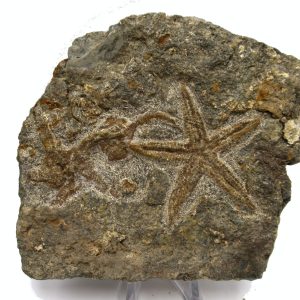
Morocco Petraster Starfish 23
$110.00 -
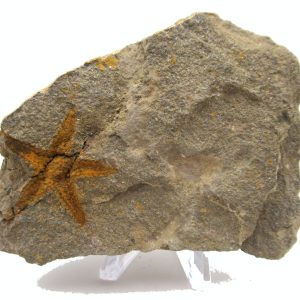
Morocco Petraster Starfish 24
$75.00 -
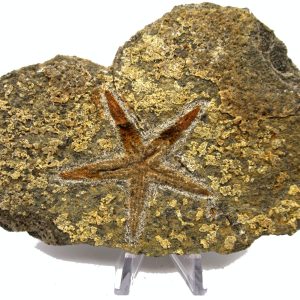
Morocco Petraster Starfish 27
$75.00 -
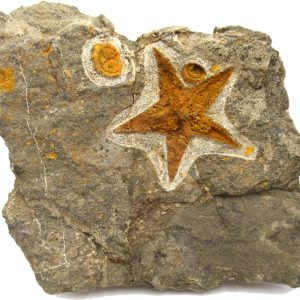
Morocco Petraster Starfish 32
$115.00 -
Sold out!

Morocco Petraster Starfish 7
$55.00 -
Sold out!

Morocco Petraster Starfish Ordovician Age 1
$65.00 -
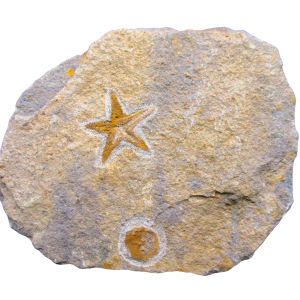
Petraster Starfish Ordovician Age from Morocco #40
$75.00 -
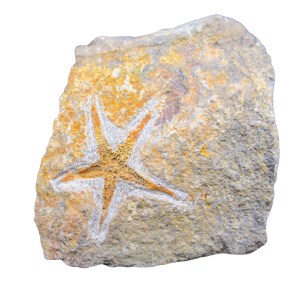
Petraster Starfish Ordovician Age from Morocco #41
$75.00 -
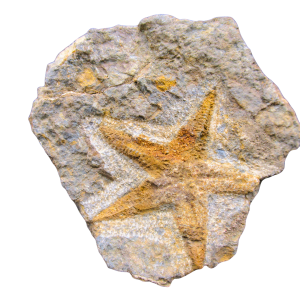
Petraster Starfish Ordovician Age from Morocco #42
$75.00 -
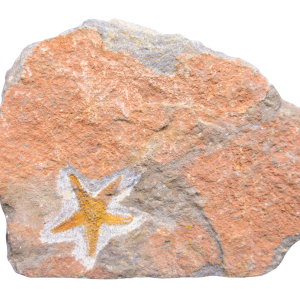
Petraster Starfish Ordovician Age from Morocco #43
$75.00 -
Sold out!
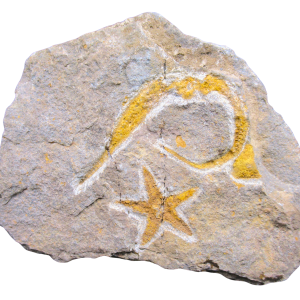
Petraster Starfish Ordovician Age from Morocco #44
$65.00 -
Sold out!
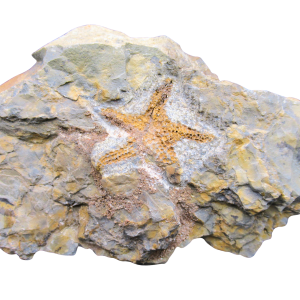
Petraster Starfish Ordovician Age from Morocco #45
$65.00 -
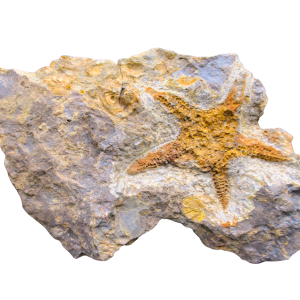
Petraster Starfish Ordovician Age from Morocco #46
$75.00 -
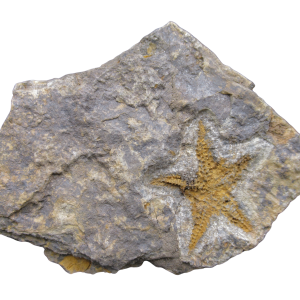
Petraster Starfish Ordovician Age from Morocco #47
$75.00 -
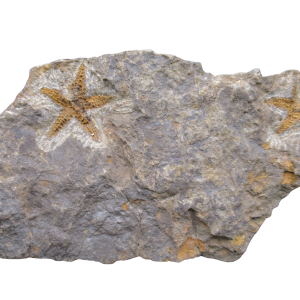
Petraster Starfish Ordovician Age from Morocco #48
$145.00 -
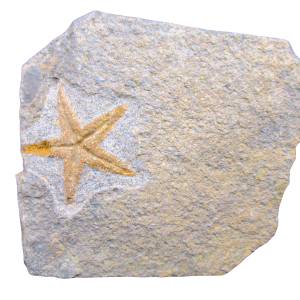
Petraster Starfish Ordovician Age from Morocco #49
$85.00 -
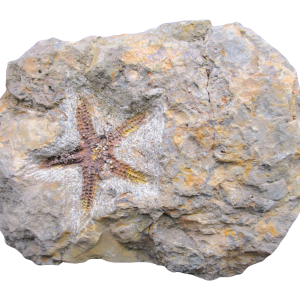
Petraster Starfish Ordovician Age from Morocco #50
$75.00 -
Sold out!
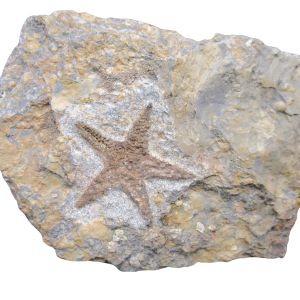
Petraster Starfish Ordovician Age from Morocco #51
$95.00 -
Sold out!
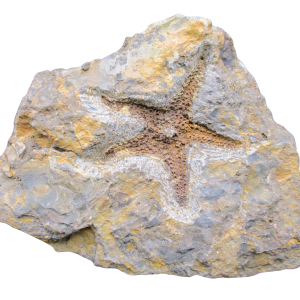
Petraster Starfish Ordovician Age from Morocco #52
$95.00 -

Solnhofen Riedaster reicheli Starfish #7
$2,995.00 -

Jurassic Solnhofen Brittle Star #9
$180.00 -

Jurassic Solnhofen Brittle Star #7
$120.00 -

Solnhofen Geocoma Brittle Star #2
$85.00 -

Solnhofen Geocoma Brittle Star #4
$135.00 -

Sinosura Brittle Star (Solnhofen) #10
$65.00 -

Sinosura Brittle Star (Solnhofen) #11
$65.00 -

Sinosura Brittle Star (Solnhofen) #15
$75.00 -
Sold out!

Sinosura Brittle Star (Solnhofen) #16
$75.00 -

Sinosura Brittle Star (Solnhofen) #17
$85.00 -
Sold out!

Sinosura Brittle Star (Solnhofen) #2
$65.00 -

Sinosura Brittle Star (Solnhofen) #21
$65.00 -
Sold out!

Sinosura Brittle Star (Solnhofen) #22
$145.00 -

Sinosura Brittle Star (Solnhofen) #23
$75.00 -

Sinosura Brittle Star (Solnhofen) #24
$75.00 -

Sinosura Brittle Star (Solnhofen) #26
$75.00 -

Sinosura Brittle Star (Solnhofen) #27
$75.00 -

Sinosura Brittle Star (Solnhofen) #29
$75.00 -
Sold out!

Sinosura Brittle Star (Solnhofen) #3
$65.00 -

Sinosura Brittle Star (Solnhofen) #32
$55.00 -

Sinosura Brittle Star (Solnhofen) #33
$165.00 -

Sinosura Brittle Star (Solnhofen) #34
$165.00 -

Sinosura Brittle Star (Solnhofen) #35
$195.00 -

Sinosura Brittle Star (Solnhofen) #4
$75.00 -
Sold out!

Sinosura Brittle Star (Solnhofen) #7
$55.00 -
Sold out!

Sinosura Brittle Star (Solnhofen) #8
$55.00
- Buy Fossils
- Fossils for Sale
- Large Selection
- Great Prices and Great Selection
- Authenticity Guaranteed
- Satisfaction Guaranteed
- Your TRUSTED SOURCE SINCE 1997!
- Many more videos are available on our YouTube Channel.
Fossil Starfish (Asteroidea): Scientific Evidence, Preservation, and Evolutionary Significance
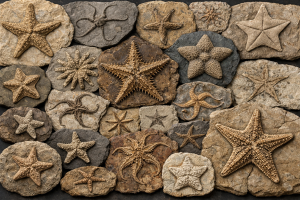
Fossil starfish (class Asteroidea) provide rare yet critical insight into the evolutionary history of echinoderms. Due to their fragile calcitic skeletons, complete fossil starfish are uncommon, making well-preserved specimens scientifically valuable.
Introduction to Fossil Starfish
Starfish, also known as sea stars, are marine echinoderms characterized by radial symmetry and a skeleton composed of calcite ossicles. Modern species are well studied, but fossil starfish are comparatively rare due to post-mortem disarticulation.
Despite this, fossil evidence confirms that starfish have existed for over 450 million years, with the earliest confirmed specimens dating to the Ordovician Period.
Primary scientific classification:
- Phylum: Echinodermata
- Class: Asteroidea
- Subphylum: Eleutherozoa
Geological Time Range and Distribution
Fossil starfish have been discovered in sedimentary formations spanning multiple geological eras:
Major Fossil Occurrences
- Ordovician–Silurian: Early asterozoans with primitive arm structures
- Devonian: Increased morphological diversity
- Jurassic: Exceptionally preserved specimens from Lagerstätten
- Cretaceous: Modern-like body plans emerge
Notable fossil starfish localities include:
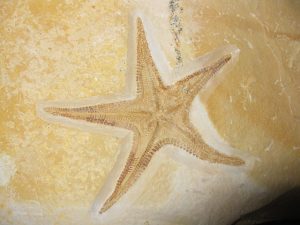
- Solnhofen Limestone (Germany)
- Hunsrück Slate (Germany)
- Wenlock Limestone (England)
- Fezouata Formation (Morocco)
Fossilization and Preservation
Starfish skeletons are composed of hundreds of small plates connected by soft tissue. Upon death, decay rapidly causes disarticulation.
Rare Preservation Conditions
Complete fossil starfish typically require:
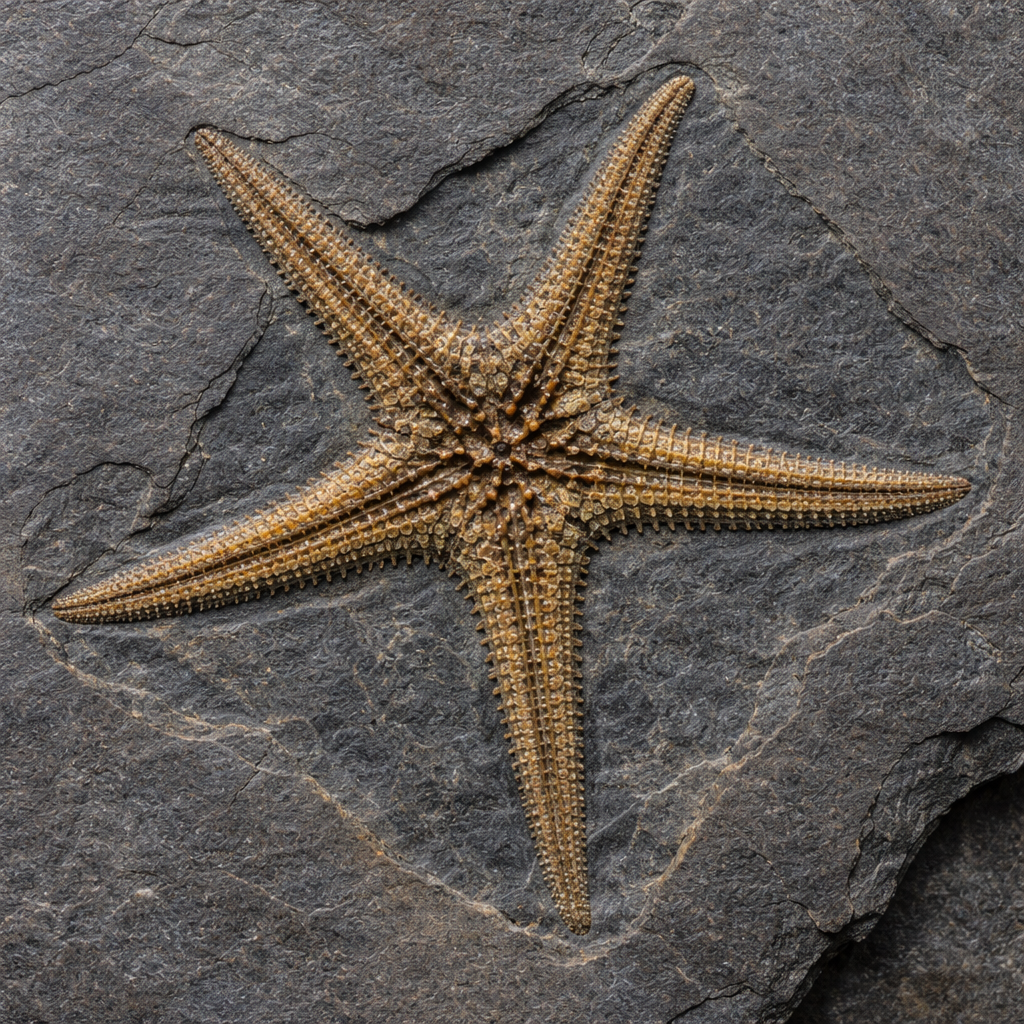
#image_title
- Rapid burial
- Low oxygen (anoxic) environments
- Fine-grained sediments (shale, limestone, mudstone)
These conditions limit scavenging and physical disturbance, allowing ossicles to remain articulated.
Morphology and Diagnostic Features
Fossil starfish are identified through:
- Arm number and symmetry
- Arrangement of ambulacral plates
- Marginal ossicle structure
- Central disc morphology
Advanced imaging techniques such as micro-CT scanning and SEM analysis are now used to study internal ossicle architecture without damaging specimens.
Evolutionary Significance
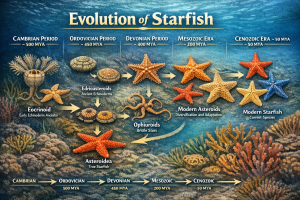
Fossil starfish provide key evidence for:
- The divergence of asteroids from ophiuroids
- The evolution of pentaradial symmetry
- Paleoecological responses to mass extinction events
Research indicates that starfish survived multiple extinction boundaries, including the Late Devonian and End-Cretaceous, demonstrating exceptional evolutionary resilience.
Scientific and Educational Importance
Because of their rarity, articulated fossil starfish are frequently:
- Described in peer-reviewed journals
- Housed in museum reference collections
- Used in phylogenetic modeling of echinoderms
They are critical for reconstructing ancient marine ecosystems and echinoderm evolutionary pathways.
Authentication and Ethical Collection
Authentic fossil starfish should:
- Be sourced from documented geological formations
- Display consistent ossicle mineralization
- Be supported by provenance data
Unverified or composite specimens are common on the commercial market and should be evaluated by qualified paleontologists.
Conclusion
Fossil starfish represent a scientifically significant yet rare component of the paleontological record. Their study enhances understanding of echinoderm evolution, paleoecology, and marine biodiversity across deep time. Continued discoveries, combined with modern analytical methods, ensure fossil asteroids remain an important area of ongoing research.
Buy Fossils with Confidence. Your TRUSTED SOURCE since 1997. Authenticity Guaranteed!