
Historical Artifacts For Sale | Authentic Ancient & Historic Collectibles
Historical Artifacts For Sale: Discover Genuine Pieces of Human History
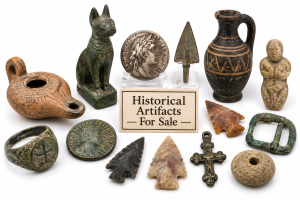
Historical Artifacts For Sale provide collectors, educators, and history enthusiasts with a direct connection to past human cultures, technologies, beliefs, and daily life. Archaeologists study historical artifacts to understand how people lived, worked, traded, traveled, and interacted with their environment. For example, artifacts may include ancient tools, pottery, coins, jewelry, weapons, buttons, household objects, and personal items.
What Are Historical Artifacts?
Historical artifacts are objects that humans made, modified, or used. Therefore, they differ from fossils, which preserve evidence of ancient plants, animals, and other organisms. Some historical artifacts date back thousands of years, while others come from more recent historical periods. However, age alone does not determine an artifact’s importance. Its archaeological context, provenance, and documented history can provide valuable information.
When evaluating Historical Artifacts For Sale, researchers and collectors often examine the material, construction methods, wear patterns, and decoration. In addition, experts may compare an object with examples from documented archaeological sites. Modern techniques such as radiocarbon dating can date certain organic materials. Meanwhile, methods such as X-ray fluorescence can help researchers study the chemical composition of metals, ceramics, and other materials.
Why Historical Artifacts Are Important
Historical artifacts create a physical connection with earlier societies. For instance, an ancient coin may reveal information about trade, governments, rulers, and economic systems. Likewise, stone tools can show how people obtained food, processed materials, and created useful objects.
Furthermore, artifacts can provide information that written records cannot. Many ancient cultures left few written documents; however, their tools, ornaments, pottery, and household objects survived. As a result, these objects can help researchers reconstruct important parts of human history.
Collecting Historical Artifacts For Sale
For collectors, museums, educators, and researchers, authentic Historical Artifacts For Sale can serve as valuable educational and display pieces. Most importantly, responsible collecting should respect archaeological context, cultural heritage, ownership history, and all applicable laws. Proper identification and documented provenance can also help preserve the historical and scientific value of an artifact.
Authentic Historical Artifacts For Sale
When purchasing Historical Artifacts For Sale, collectors should consider authenticity, condition, identification, provenance, and legal ownership. Therefore, buying from a knowledgeable and established source can provide greater confidence. Genuine historical artifacts do more than decorate a collection; they preserve tangible evidence of the people and cultures that shaped human history.
Showing 1–50 of 301 results
-

Black Glass Dutch Gin Bottle #1
$65.00 -

Black Glass Dutch Gin Bottle #2
$65.00 -

Black Glass Dutch Gin Bottle #3
$65.00 -
Sold out!

Black Glass Dutch Gin Bottle #4
$65.00 -

Black Glass Dutch Gin Bottle #5
$65.00 -
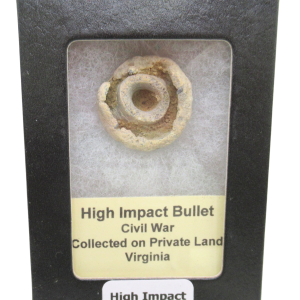
Civil War Artifacts For Sale | Authentic Civil War Relics #13
$25.00 -
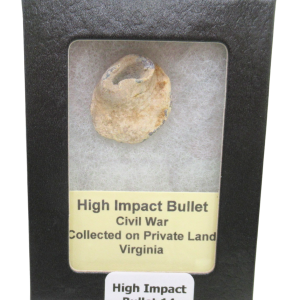
Civil War Artifacts For Sale | Authentic Civil War Relics #14
$25.00 -
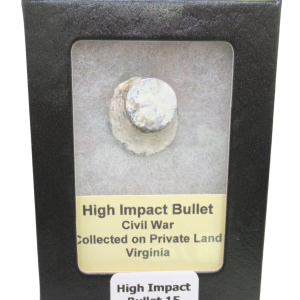
Civil War Artifacts For Sale | Authentic Civil War Relics #15
$25.00 -
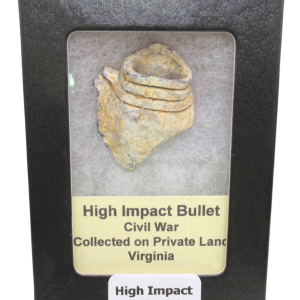
Civil War Artifacts For Sale | Authentic Civil War Relics #16
$25.00 -
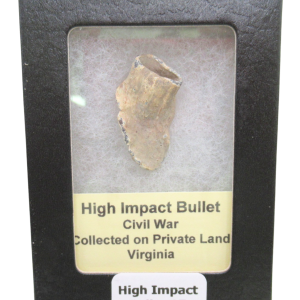
Civil War Artifacts For Sale | Authentic Civil War Relics #17
$25.00 -
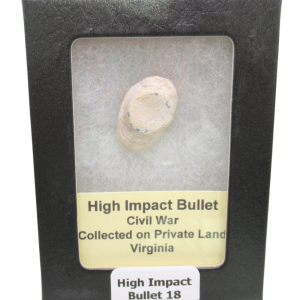
Civil War Artifacts For Sale | Authentic Civil War Relics #18
$25.00 -
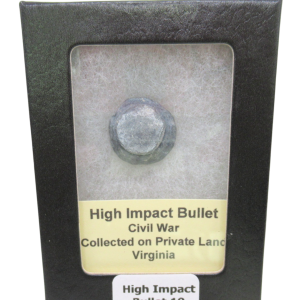
Civil War Artifacts For Sale | Authentic Civil War Relics #19
$25.00 -
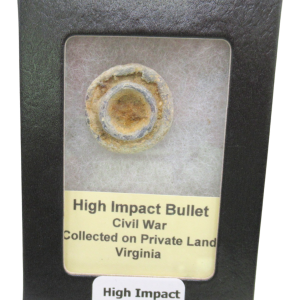
Civil War Artifacts For Sale | Authentic Civil War Relics #20
$25.00 -
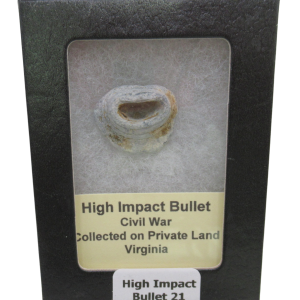
Civil War Artifacts For Sale | Authentic Civil War Relics #21
$25.00 -
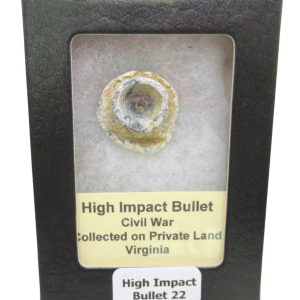
Civil War Artifacts For Sale | Authentic Civil War Relics #22
$25.00 -
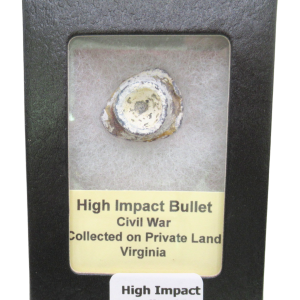
Civil War Artifacts For Sale | Authentic Civil War Relics #23
$25.00 -
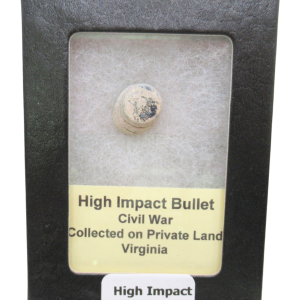
Civil War Artifacts For Sale | Authentic Civil War Relics #24
$35.00 -
Sold out!
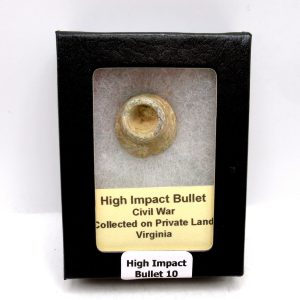
Civil War High Impact Bullet #10
$25.00 -
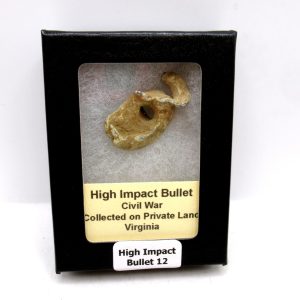
Civil War High Impact Bullet #12
$25.00 -

Civil War High Impact Bullet #4
$25.00 -
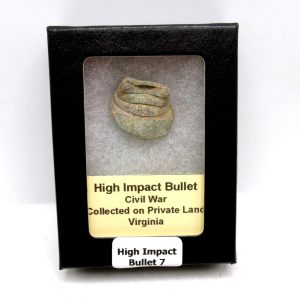
Civil War High Impact Bullet #7
$25.00 -
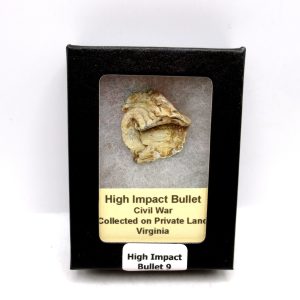
Civil War High Impact Bullet #9
$25.00 -
Sold out!
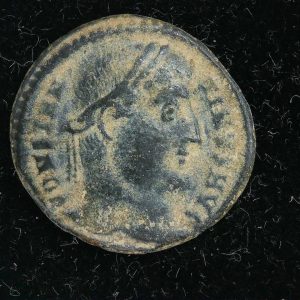
Constantine I – Roman Coin #38
$115.00 -

Constantine II – Roman Coin #37
$75.00 -
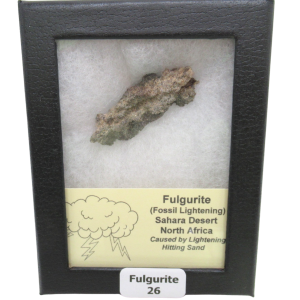
Fossil Lightning Fulgurites For Sale | Lightning Glass Created by Lightning Strikes 1.84″ Long #26
$35.00 -
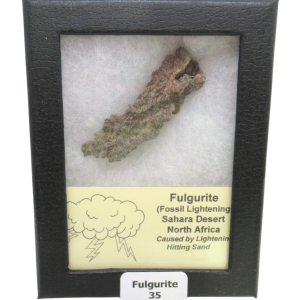
Fossil Lightning Fulgurites For Sale | Lightning Glass Created by Lightning Strikes 2.16″ Long #35
$35.00 -
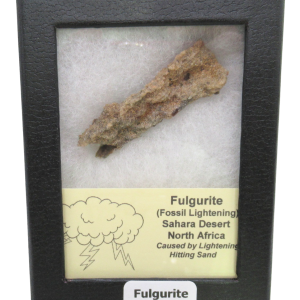
Fossil Lightning Fulgurites For Sale | Lightning Glass Created by Lightning Strikes 2.17″ Long #28
$35.00 -
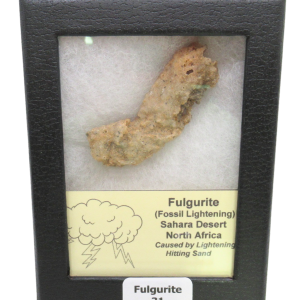
Fossil Lightning Fulgurites For Sale | Lightning Glass Created by Lightning Strikes 2.20″ Long #31
$35.00 -
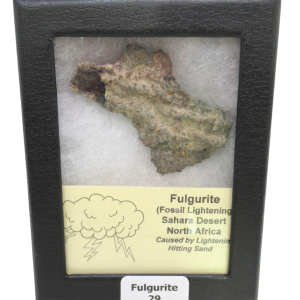
Fossil Lightning Fulgurites For Sale | Lightning Glass Created by Lightning Strikes 2.29″ Long #29
$35.00 -
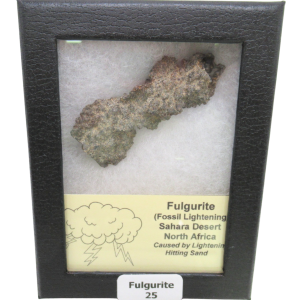
Fossil Lightning Fulgurites For Sale | Lightning Glass Created by Lightning Strikes 2.31″ Long #25
$35.00 -
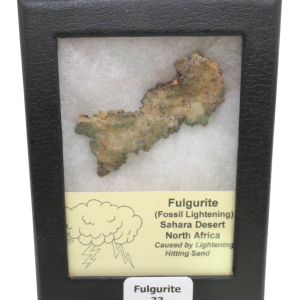
Fossil Lightning Fulgurites For Sale | Lightning Glass Created by Lightning Strikes 2.34″ Long #33
$35.00 -
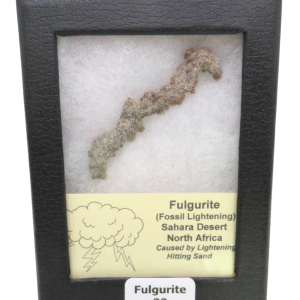
Fossil Lightning Fulgurites For Sale | Lightning Glass Created by Lightning Strikes 2.37″ Long #32
$35.00 -
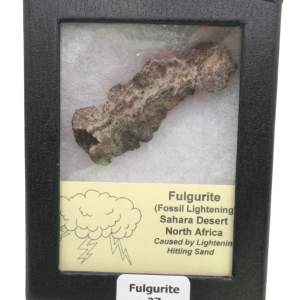
Fossil Lightning Fulgurites For Sale | Lightning Glass Created by Lightning Strikes 2.47″ Long #27
$35.00 -
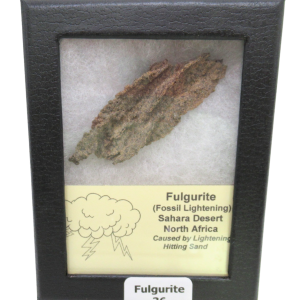
Fossil Lightning Fulgurites For Sale | Lightning Glass Created by Lightning Strikes 2.61″ Long #36
$35.00 -
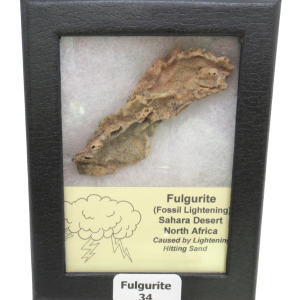
Fossil Lightning Fulgurites For Sale | Lightning Glass Created by Lightning Strikes 2.70″ Long #34
$35.00 -
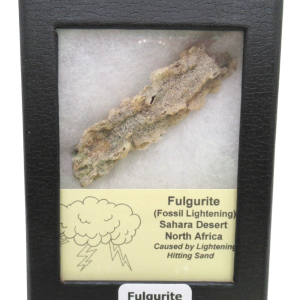
Fossil Lightning Fulgurites For Sale | Lightning Glass Created by Lightning Strikes 2.79″ Long #30
$35.00 -
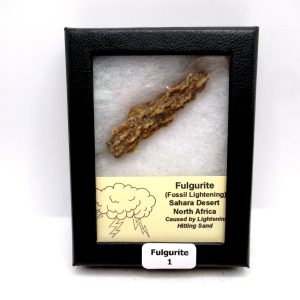
Fulgurite “Fossil Lightening” from Sahara Desert N. Africa #1 – 2.34″
$35.00 -
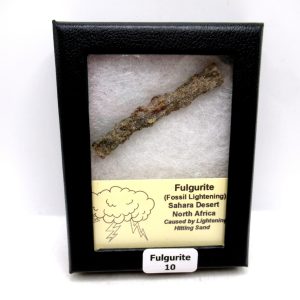
Fulgurite “Fossil Lightening” from Sahara Desert N. Africa #10 – 2.53″
$35.00 -
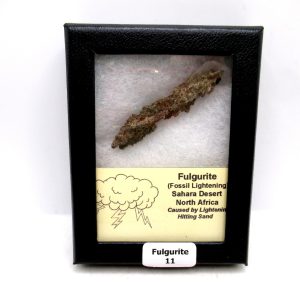
Fulgurite “Fossil Lightening” from Sahara Desert N. Africa #11 – 2.44″
$35.00 -
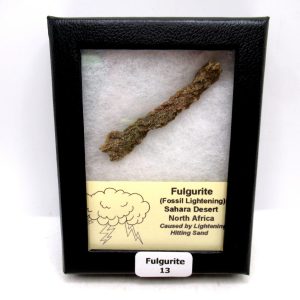
Fulgurite “Fossil Lightening” from Sahara Desert N. Africa #13 – 2.39″
$35.00 -
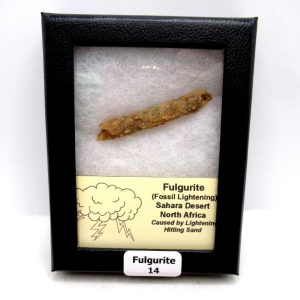
Fulgurite “Fossil Lightening” from Sahara Desert N. Africa #14 – 2.17″
$35.00 -
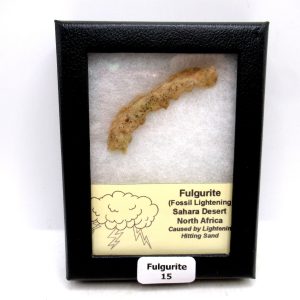
Fulgurite “Fossil Lightening” from Sahara Desert N. Africa #15 – 2.23″
$35.00 -
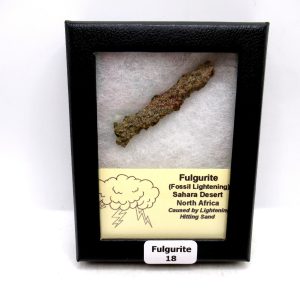
Fulgurite “Fossil Lightening” from Sahara Desert N. Africa #18 – 2.23″
$35.00 -
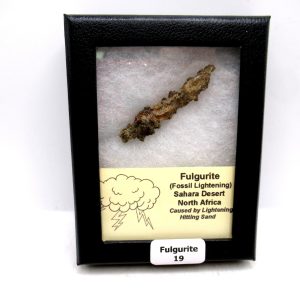
Fulgurite “Fossil Lightening” from Sahara Desert N. Africa #19 – 2.08″
$35.00 -
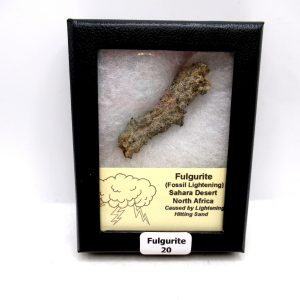
Fulgurite “Fossil Lightening” from Sahara Desert N. Africa #20 – 2.30″
$35.00 -
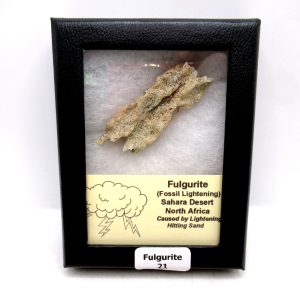
Fulgurite “Fossil Lightening” from Sahara Desert N. Africa #21 – 2.29″
$35.00 -
Sold out!
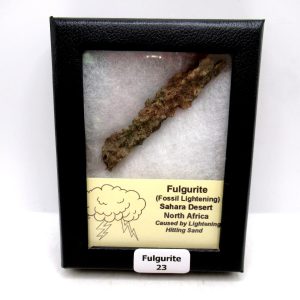
Fulgurite “Fossil Lightening” from Sahara Desert N. Africa #23 – 2.81″
$35.00 -
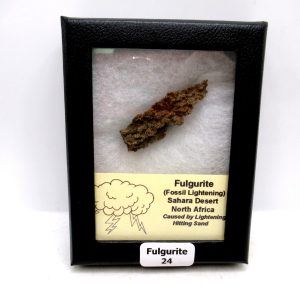
Fulgurite “Fossil Lightening” from Sahara Desert N. Africa #24 – 1.92″
$35.00 -
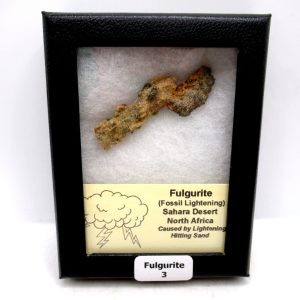
Fulgurite “Fossil Lightening” from Sahara Desert N. Africa #3 – 2.22″
$35.00 -

Fulgurite “Fossil Lightening” from Sahara Desert N. Africa #5 – 2.70″
$35.00
- Buy Artifacts
- Artifacts for Sale
- Large Selection
- Great Prices and Great Selection
- Authenticity Guaranteed
- Satisfaction Guaranteed
- Your TRUSTED SOURCE for over 25 years!
- Many more videos are available on our YouTube Channel.
Historical Artifacts For Sale: Ancient Coins, Shipwreck Relics, and Native American Objects
Historical Artifacts For Sale can provide collectors, educators, and researchers with tangible evidence of past cultures, technologies, trade systems, and daily life. Ancient coins record political authority and economic activity, while shipwreck relics document maritime trade and navigation. Likewise, Native American objects can offer important insights into Indigenous technology, subsistence, craftsmanship, and cultural traditions.
Historical artifacts are more than collectible objects. Instead, they can function as primary evidence when researchers study their material, context, age, and method of manufacture. Therefore, responsible identification, documentation, conservation, and provenance remain essential when evaluating authentic historical objects.
Why Historical Artifacts Matter to Archaeology
Modern archaeology combines excavation, laboratory testing, conservation, historical research, and digital documentation. As a result, specialists can study artifacts while preserving valuable information about where and how an object was discovered.
Because context is so important, archaeologists often examine artifacts alongside soil layers, associated objects, written records, and environmental evidence. Together, these sources help reconstruct past economies, technologies, migration patterns, and belief systems.
Historical Artifacts For Sale: Ancient Coins
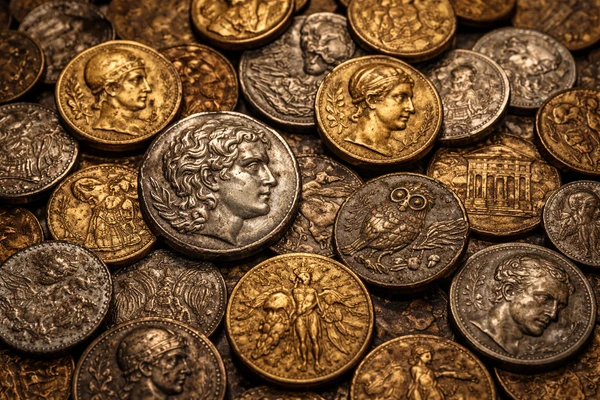
Ancient Coins as Economic and Political Evidence
Ancient coins are among the most informative forms of material culture. Their metal composition, inscriptions, portraits, symbols, weight, and mint marks can reveal information about governments, trade networks, rulers, taxation, and monetary systems.
For example, researchers may study changes in the silver content of Roman coinage to investigate monetary policy and economic change. In addition, the geographic distribution of coins can help scholars trace trade routes and patterns of political influence.
Scientific Methods Used to Study Ancient Coins
Researchers use several analytical methods when examining coins and other Historical Artifacts For Sale. These methods may include:
- X-ray fluorescence (XRF) to study metal composition
- Die-link analysis to identify minting relationships
- Microscopic examination of wear and surface features
- Weight and dimensional measurements
- Historical comparison with documented coin types
However, interpretation requires care. Chemical composition alone may not establish a precise date or origin. Therefore, specialists usually combine laboratory results with archaeological and historical evidence.
Preserving Ancient Coins
Proper storage helps protect ancient coins from corrosion and surface damage. Bronze and copper alloys can be especially vulnerable to chlorides and excessive humidity. Consequently, collectors should avoid harsh cleaning, abrasive polishing, and uncontrolled moisture.
Historical Artifacts For Sale: Shipwreck Relics

Shipwreck Artifacts and Maritime Archaeology
Shipwrecks can preserve concentrated groups of objects from a specific event. For that reason, archaeologists often describe wreck sites as valuable archaeological time capsules. Cargo, coins, ceramics, tools, weapons, personal belongings, and ship timbers may survive together in one location.
These materials can reveal information about ship construction, navigation, trade commodities, military activity, and the daily lives of sailors and merchants. Moreover, the position of artifacts within a wreck can help researchers understand how a ship sank and how its cargo was arranged.
Scientific Recovery and Conservation
Professional maritime archaeology emphasizes documentation before recovery. Researchers may photograph, map, measure, and record objects underwater before removing them. Afterward, conservation becomes critical because materials recovered from marine environments can deteriorate rapidly when exposed to air.
- Desalination can remove absorbed salts from suitable materials
- Electrochemical treatments may stabilize certain corroded metals
- Controlled drying can protect fragile archaeological materials
- Microscopic and chemical analysis can help identify composition and origin
In addition, archaeologists may analyze sediment, marine growth, timber, ceramics, and cargo remains to reconstruct a ship’s route, age, and trading activity.
Legal and Ethical Considerations
Shipwreck artifacts may fall under national laws, ownership agreements, archaeological regulations, or international heritage protections. Therefore, provenance and legal ownership should be reviewed carefully before historical shipwreck material enters private collections.
International heritage organizations also encourage preservation of underwater cultural heritage and emphasize the scientific value of archaeological context.
Historical Artifacts For Sale: Native American Objects
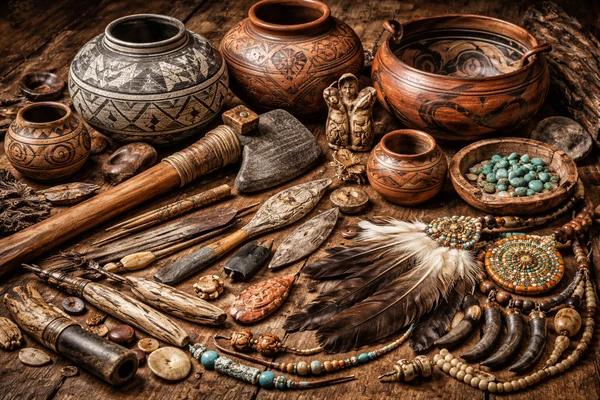
Scientific Study of Native American Material Culture
Native American artifacts may include projectile points, stone tools, pottery, ornaments, grinding tools, and other forms of material culture. When properly documented, these objects can help researchers study thousands of years of technological adaptation, trade, food production, migration, and cultural change.
However, cultural context is especially important. Many objects also carry ongoing cultural, spiritual, or historical significance for Indigenous communities. Therefore, responsible research should combine archaeological evidence with appropriate consultation and respect for Indigenous knowledge.
Research Methods Used by Archaeologists
Scientists may use several methods to examine Native American artifacts, including:
- Lithic analysis to study stone-tool production
- Microscopic use-wear analysis
- Residue analysis to detect plant, animal, or other materials
- Radiocarbon dating of suitable associated organic material
- Petrographic or chemical analysis of pottery and stone
Importantly, stone projectile points themselves usually cannot be directly radiocarbon dated because stone does not contain datable organic carbon. Instead, archaeologists date suitable associated materials and evaluate archaeological context.
Legal and Ethical Stewardship
Federal, state, tribal, and local laws may regulate Native American archaeological materials. In the United States, the Native American Graves Protection and Repatriation Act (NAGPRA) applies to certain Native American human remains, funerary objects, sacred objects, and objects of cultural patrimony held by federally funded institutions and federal agencies.
Because laws and ownership histories vary, buyers and collectors should seek well-documented provenance and avoid objects connected with burials, protected archaeological sites, or culturally sensitive materials without proper legal authority.
Authenticity and Provenance of Historical Artifacts For Sale
When considering Historical Artifacts For Sale, provenance can be as important as the object itself. A documented history may include collection records, previous ownership information, legal export documents, archaeological records, or expert identification.
Likewise, authenticity should be based on observable evidence rather than appearance alone. Materials, manufacturing techniques, corrosion, wear, tool marks, inscriptions, and comparison with known examples can all support identification. However, no single test proves authenticity in every case.
Responsible Historical Artifact Collecting
Responsible collecting supports preservation, scholarship, and long-term stewardship. Therefore, collectors should favor objects with clear ownership history and lawful provenance. They should also avoid destructive cleaning and retain labels, receipts, photographs, and supporting documentation.
For educators and collectors, properly documented artifacts can provide a direct connection to the past while preserving important information for future study.
Buy Historical Artifacts For Sale with Confidence
Historical Artifacts For Sale may include ancient coins, maritime relics, tools, and other objects that preserve evidence of human history. When evaluated through careful research, scientific methods, documented provenance, and ethical stewardship, these artifacts can offer meaningful insights into ancient economies, technologies, trade networks, and cultural traditions.
Buy historical artifacts from Prehistoric Fossils with confidence. Your Trusted Source Since 1997. Authenticity Guaranteed.