
Echinoderm Fossils for Sale
Echinoderm Fossils for Sale – As a group echinoderms are well represented in the fossil record.
Most of them have hard parts that easily fossilize, and they have been an abundant group of animals since the Cambrian Period.
Echinoderms include well-known sea animals like the starfish (Asteroidea), brittle stars (Ophiuroidea), sea urchins and sand dollars (Echinoidea), sea cucumbers (Holothuroidea), and sea lilies (Crinoidea).
If you are looking to add Blastoids, Crinoid Fossils, Fossil Starfish or Fossil Urchins to your collection we have a huge variety of Echinoderm Fossils for Sale. Buy Fossils at Prehistoric Fossils with Confidence!
Showing 1–50 of 1142 results
-
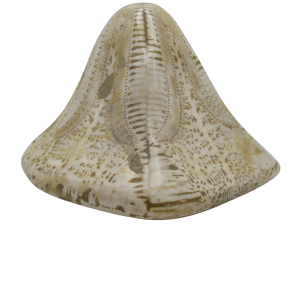
Clypeaster Miocene Age Echinoid from Morocco #1
$120.00 -

Clypeaster Miocene Age Echinoid from Morocco #10
$120.00 -
Sold out!

Clypeaster Miocene Age Echinoid from Morocco #11
$120.00 -
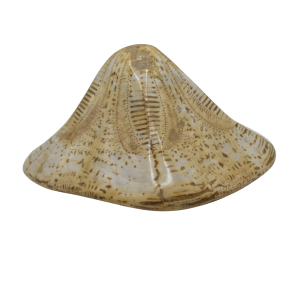
Clypeaster Miocene Age Echinoid from Morocco #12
$120.00 -
Sold out!

Clypeaster Miocene Age Echinoid from Morocco #13
$120.00 -

Clypeaster Miocene Age Echinoid from Morocco #14
$120.00 -
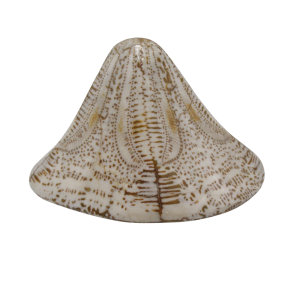
Clypeaster Miocene Age Echinoid from Morocco #15
$120.00 -
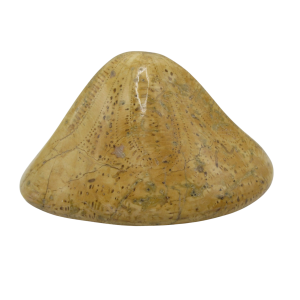
Clypeaster Miocene Age Echinoid from Morocco #16
$120.00 -

Clypeaster Miocene Age Echinoid from Morocco #17
$120.00 -
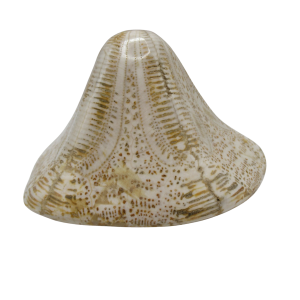
Clypeaster Miocene Age Echinoid from Morocco #18
$120.00 -
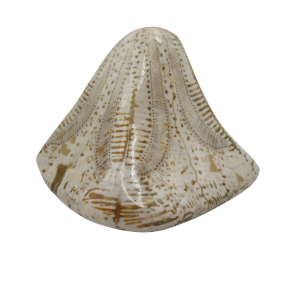
Clypeaster Miocene Age Echinoid from Morocco #19
$120.00 -

Clypeaster Miocene Age Echinoid from Morocco #2
$120.00 -
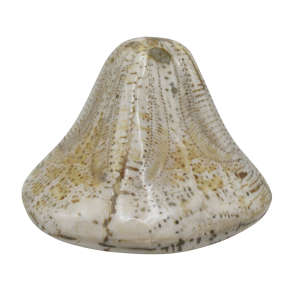
Clypeaster Miocene Age Echinoid from Morocco #20
$120.00 -
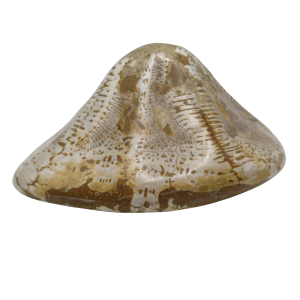
Clypeaster Miocene Age Echinoid from Morocco #3
$110.00 -

Clypeaster Miocene Age Echinoid from Morocco #4
$120.00 -
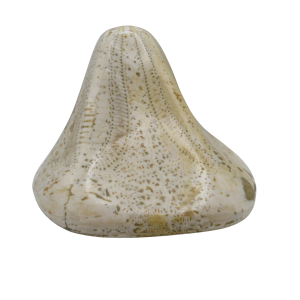
Clypeaster Miocene Age Echinoid from Morocco #5
$120.00 -
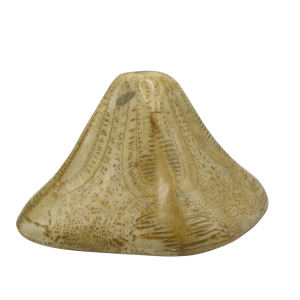
Clypeaster Miocene Age Echinoid from Morocco #6
$120.00 -
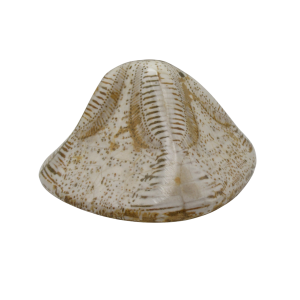
Clypeaster Miocene Age Echinoid from Morocco #7
$100.00 -
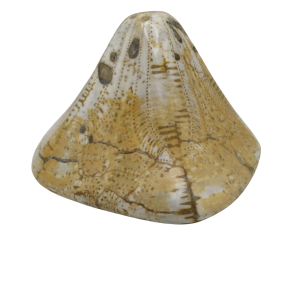
Clypeaster Miocene Age Echinoid from Morocco #8
$120.00 -

Clypeaster Miocene Age Echinoid from Morocco #9
$120.00 -

Cusacrinus Crinoid Plate | Montana #1
$500.00 -

Ectenocrinus simplex – Indiana Crinoid #7
$175.00 -
Sold out!
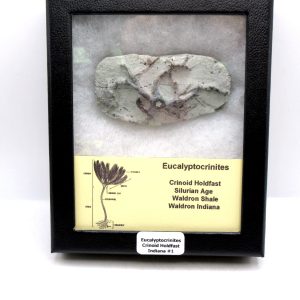
Eucalyptocrinites Silurian Crinoid Holdfast from Waldron Shale IN #1 – 2.86″
$55.00 -
Sold out!
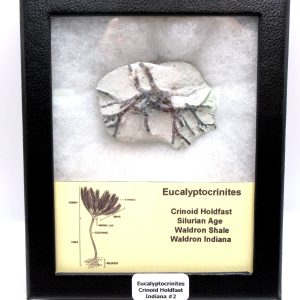
Eucalyptocrinites Silurian Crinoid Holdfast from Waldron Shale IN #2 – 2.17″
$55.00 -
Sold out!

Eucalyptocrinites Silurian Crinoid Holdfast from Waldron Shale IN #3 – 2.77″
$55.00 -
Sold out!
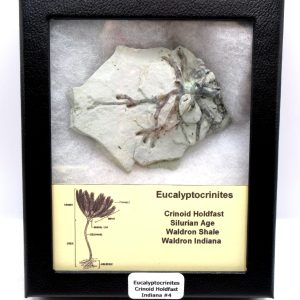
Eucalyptocrinites Silurian Crinoid Holdfast from Waldron Shale IN #4 – 3.07″
$55.00 -
Sold out!

Gilmore City Iowa Crinoid Mississippian Age #190
$25.00 -
Sold out!
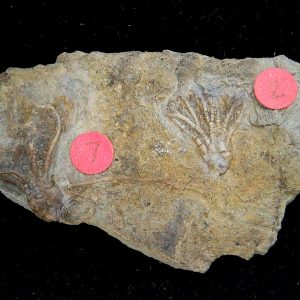
Gilmore City Iowa Crinoid Mississippian Age #191
$25.00 -
Sold out!
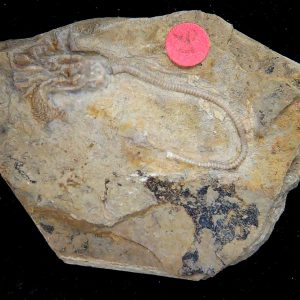
Gilmore City Iowa Crinoid Mississippian Age #192
$25.00 -
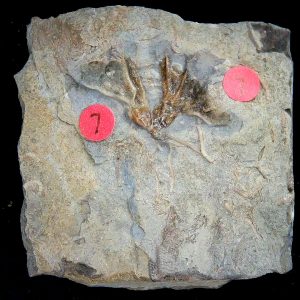
Gilmore City Iowa Crinoid Mississippian Age #193
$25.00 -
Sold out!
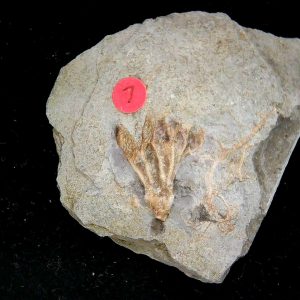
Gilmore City Iowa Crinoid Mississippian Age #194
$25.00 -
Gilmore City Iowa Crinoid Mississippian Age #195
$20.00 -
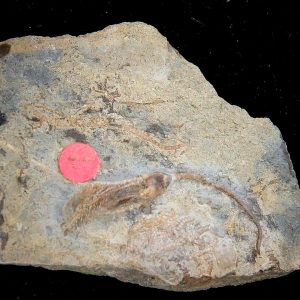
Gilmore City Iowa Crinoid Mississippian Age #196
$25.00 -
Sold out!
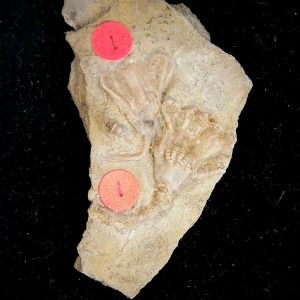
Gilmore City Iowa Crinoid Mississippian Age #197
$25.00 -
Sold out!
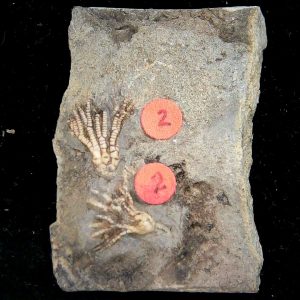
Gilmore City Iowa Crinoid Mississippian Age #198
$30.00 -
Sold out!
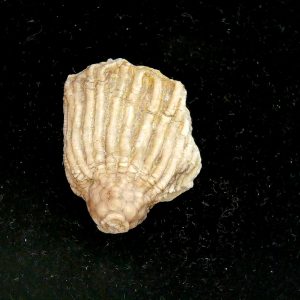
Gilmore City Iowa Crinoid Mississippian Age #199
$35.00 -
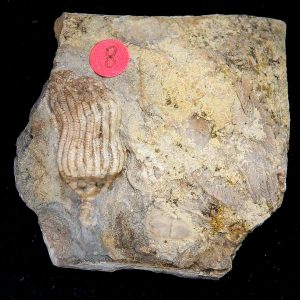
Gilmore City Iowa Crinoid Mississippian Age #200
$40.00 -
Sold out!
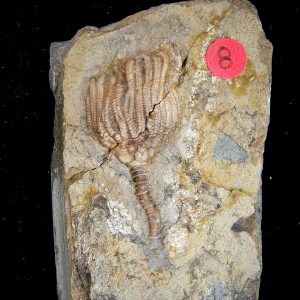
Gilmore City Iowa Crinoid Mississippian Age #201
$15.00 -
Sold out!
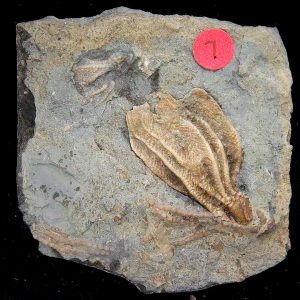
Gilmore City Iowa Crinoid Mississippian Age #202
$45.00 -
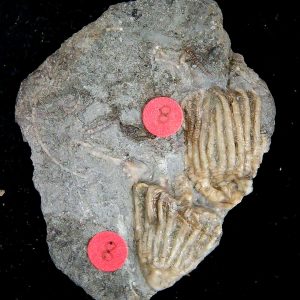
Gilmore City Iowa Crinoid Mississippian Age #203
$50.00 -
Sale!
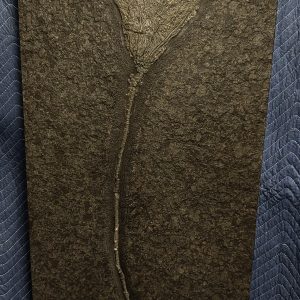
Holzmaden Crinoid Plate #1
Original price was: $7,500.00.$5,250.00Current price is: $5,250.00. -
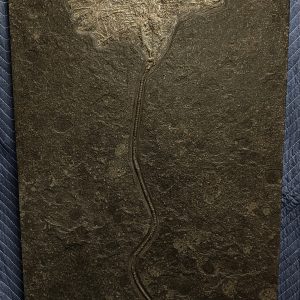
Holzmaden Crinoid Plate #2
$7,500.00 -
Sold out!
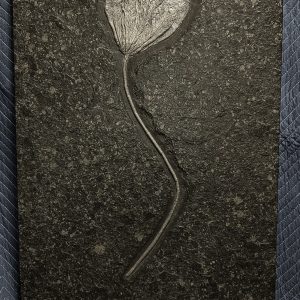
Holzmaden Crinoid Plate #3
$7,500.00 -
Sold out!
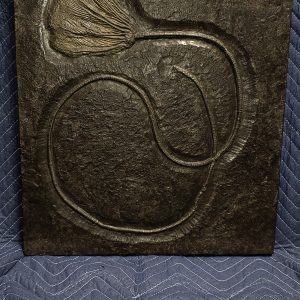
Holzmaden Crinoid Plate #4
-
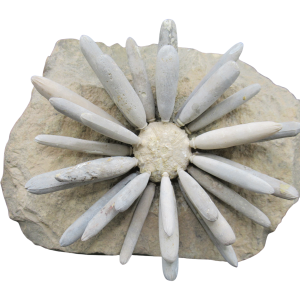
Jurassic Club Urchin – Asterocidaris bistriata from Morocco #19
$165.00 -
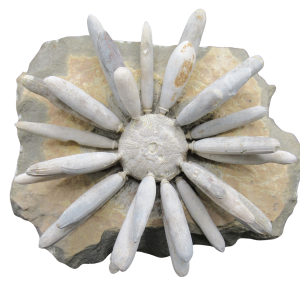
Jurassic Club Urchin – Asterocidaris bistriata from Morocco #20
$165.00 -
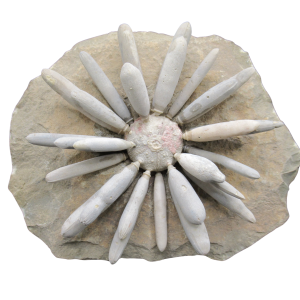
Jurassic Club Urchin – Asterocidaris bistriata from Morocco #21
$165.00 -
Sold out!
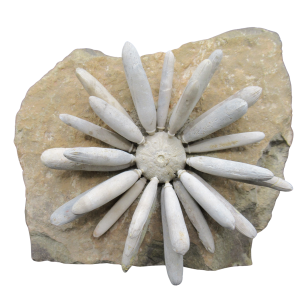
Jurassic Club Urchin – Asterocidaris bistriata from Morocco #22
$165.00 -
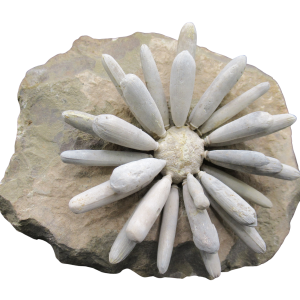
Jurassic Club Urchin – Asterocidaris bistriata from Morocco #26
$165.00 -
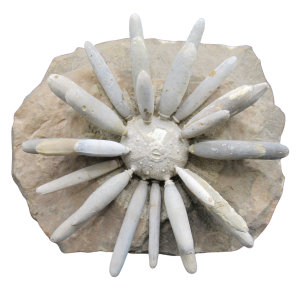
Jurassic Club Urchin – Asterocidaris bistriata from Morocco #27
$165.00
- Buy Fossils
- Fossils for Sale
- Large Selection
- Great Prices and Great Selection
- Authenticity Guaranteed
- Satisfaction Guaranteed
- Your TRUSTED SOURCE for over 25 years!
- Many more videos are available on our YouTube Channel.
Fossil Echinoderms: Origin, Evolution, and Paleontological Significance
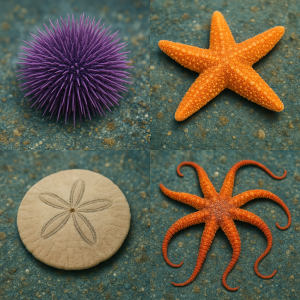
Echinoderms—crinoids, starfish, brittle stars, sea urchins, blastoids, and cystoids—hold a central place in paleontology thanks to their exceptional fossil record and evolutionary insight. These marine invertebrates, known today for their five-fold radial symmetry, were even more diverse and morphologically experimental during the Paleozoic Era. Fossil echinoderms provide a window into ancient ecosystems, biomineralization processes, and major extinction events.
What Are Echinoderms?
Echinoderms are a phylum of exclusively marine animals characterized by:
- Pentameral (five-part) symmetry
- A water vascular system
- Calcium carbonate endoskeleton composed of ossicles
- Tube feet used for movement, feeding, and respiration
The phylum includes living groups such as sea stars, sea urchins, and sea cucumbers, but their fossil relatives were considerably more diverse—especially during the Ordovician–Carboniferous.
The Evolutionary History of Echinoderms:
Cambrian Origins (~540 million years ago)
Echinoderms first appear in the early Cambrian, exhibiting surprising anatomical variety. Early forms lacked rigid symmetry, suggesting the phylum was still experimenting with body plans. Key early groups include:
- Ctenocystoids
- Helicoplacoids
- Solutes
These early echinoderms illustrate the rapid evolutionary experimentation following the Cambrian Explosion.
Ordovician Radiation
The Ordovician Period saw the “Great Echinoderm Radiation,” an explosion in diversity and abundance. During this time, major groups like crinoids, blastoids, and cystoids became widespread, dominating Paleozoic seafloors.
Devonian–Carboniferous Peak
Crinoids covered seafloors in vast “crinoid forests,” leaving behind thick limestone deposits composed almost entirely of crinoid stem fragments. Blastoids also reached peak diversity during this time.
Permian Mass Extinction
The end-Permian extinction wiped out ~90% of marine species, including many echinoderm groups:
- Blastoids – extinct
- Cystoids – extinct
- Many crinoid families – eliminated
Only more adaptable clades survived into the Mesozoic and beyond.
Major Groups of Fossil Echinoderms
Crinoids (Sea Lilies)

Among the most abundant and visually striking echinoderm fossils, crinoids consist of:
- A calyx (body)
- A stem made of columnals
- Numerous feathery arms
SEO Note: Highly searched terms include crinoid stem fossils, crinoid columnals, and sea lily fossils.
Echinoids (Sea Urchins)
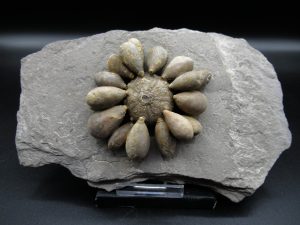
Fossil echinoids feature:
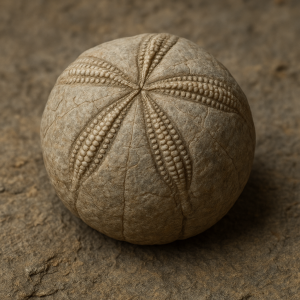
- Distinctive tests (shells) made of interlocking plates
- Often perfectly preserved symmetry
- Common appearances in Mesozoic and Cenozoic strata
Popular search queries include fossil sand dollars and fossil sea urchin identification.
Asteroidea (Starfish)

Starfish fossils are less common due to their delicate skeletal arrangement of separate ossicles. Exceptional preservation occurs in:
- Lagerstätten such as the Solnhofen Limestone
- Fine-grained shale deposits
Blastoids
Extinct echinoderms with a characteristic bud-shaped calyx. Their fossils are common in:
- Silurian
- Devonian
- Carboniferous deposits
Cystoids
Highly variable and ancient echinoderms that dominated Ordovician seas. Known for:
- Asymmetric, irregular calyces
- Complex pore structures (hydropores, gonopores)
Paleoecology: How Fossil Echinoderms Lived
Echinoderms occupied a wide range of ecological niches:
Crinoids
- Anchored to the seabed
- Filter feeders capturing plankton
- Formed dense meadows in Paleozoic seas
Echinoids
- Grazers feeding on algae and detritus
- Adapted to soft or rocky substrates
- Some burrowed (e.g., sand dollars)
Blastoids
- High-efficiency suspension feeders
- Likely thrived in nutrient-rich currents
Cystoids
- Early marine suspension feeders
- Pioneered complex respiratory structures
These fossils help reconstruct ancient ocean circulation, sedimentation patterns, and food webs.
Why Fossil Echinoderms Matter (EEAT Insight)
Expertise
Echinoderms are essential for understanding Paleozoic marine ecosystems, particularly:
- Evolutionary development of symmetry
- Biomineralization processes
- Paleo-environmental reconstruction
Authoritativeness
The fossil record of echinoderms is one of the most complete among invertebrates, offering reliable evidence for:
- Mass extinctions
- Evolutionary radiations
- Shifts in marine biodiversity
Trustworthiness
Echinoderm fossils are widely used by paleontologists as biostratigraphic markers due to their distinct anatomy and abundance.
Identifying Fossil Echinoderms (SEO-rich Section)
Here are quick visual and structural clues:
Crinoids
- Disc-shaped columnals
- Star-patterned centers
- Branched arms rarely preserved
Echinoids
- Round/oval tests
- Distinct ambulacral grooves
- Often covered in tubercles where spines attached
Blastoids
- Walnut-like, symmetrical calyx
- Five ambulacral grooves
Starfish
- Five arms with central disc
- Mesh-like ossicle structure
Buy Fossils at Prehistoric Fossils with Confidence