
Dinosaur Claw Fossils For Sale | Genuine Dinosaur Claws
Dinosaur Claw Fossils For Sale – Genuine Dinosaur Claw Fossils
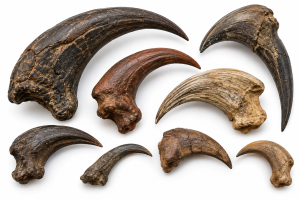
Dinosaur Claw Fossils For Sale offer collectors, educators, and dinosaur enthusiasts a fascinating look at how dinosaurs lived, hunted, fed, and defended themselves. Unlike teeth, claws formed part of a dinosaur’s hands or feet. Therefore, their shape often provides valuable clues about an animal’s lifestyle. Paleontologists study fossil claws, also called unguals, to better understand dinosaur anatomy and behavior.
Theropod Dinosaur Claw Fossils
Theropod dinosaurs produced some of the best-known dinosaur claw fossils. For example, meat-eating dinosaurs often had curved claws on their hands and feet. These claws could help grip prey, hold food, or provide traction. However, claw shape varied greatly among theropods. Dromaeosaurids, including Deinonychus and Velociraptor, developed an enlarged, strongly curved claw on the second toe. Scientists think these specialized claws played an important role in controlling prey.
Tyrannosaurus and Other Dinosaur Claws
In addition, large theropods such as Tyrannosaurus rex had claws on their relatively small forelimbs. Although the arms were short, their claws formed functional parts of the hands. Other dinosaurs developed claws for very different purposes. For instance, some herbivorous dinosaurs possessed broad or powerful claws that may have helped with defense, feeding, or movement.
How Dinosaur Claw Fossils Formed
Dinosaur claw fossils usually preserve the bony core of the original claw. During life, a keratin sheath covered this bone and extended beyond its tip. Since keratin rarely fossilizes, the living claw was generally longer and sharper than the fossil bone suggests. Consequently, fossil unguals provide only part of the complete appearance of the original claw.
Collecting Dinosaur Claw Fossils For Sale
Finally, genuine Dinosaur Claw Fossils For Sale remain desirable because complete examples are less common than isolated dinosaur teeth or bone fragments. Their distinctive shapes also make them excellent fossils for education, scientific study, display, and private collections. As a result, authentic dinosaur claw fossils can provide both scientific value and a direct connection to prehistoric life.
Showing 1–50 of 82 results
-
Sold out!
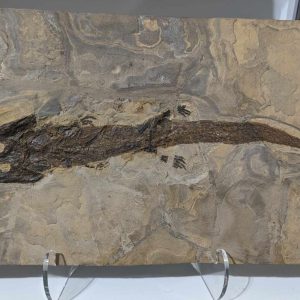
Actinodon Permian Ancient Amphibian #1
$2,000.00 -
Sold out!
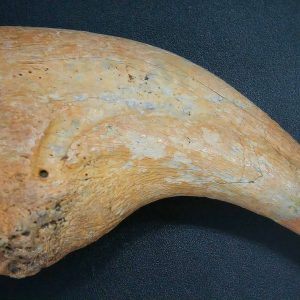
Anzu wyliei Dinosaur Claw #1
$4,500.00 -
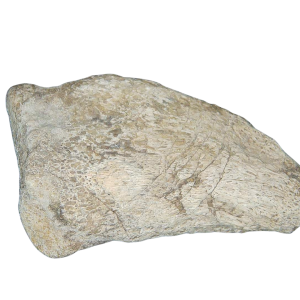
Archaeodontosaurus Sauropod Dinosaur Claw Fossil for Sale #1
$1,200.00 -
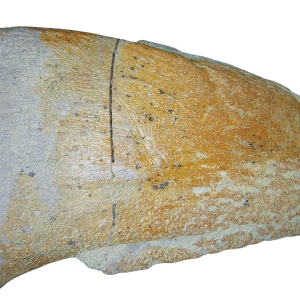
Archaeodontosaurus Sauropod Dinosaur Claw Fossil for Sale #2
$995.00 -
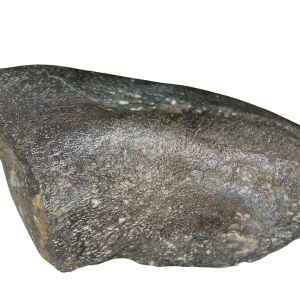
Archaeodontosaurus Sauropod Dinosaur Claw Fossil for Sale #3
$1,295.00 -
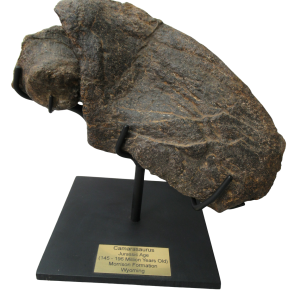
Camarasaurus Jurassic Sauropod Dinosaur Digit & Claw
$5,500.00 -
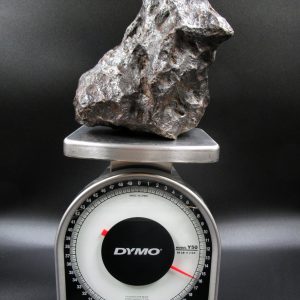
Campo Del Cielo Meteorite #1 – 7,252grams
$6,500.00 -
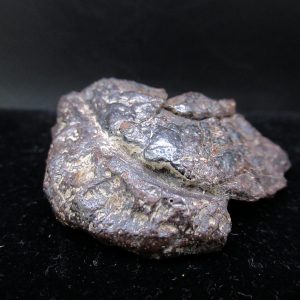
Campo Del Cielo Meteorite #2
$75.00 -
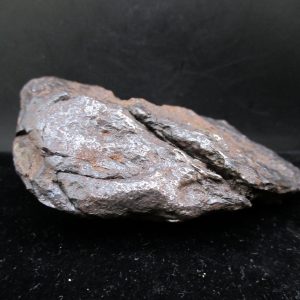
Campo Del Cielo Meteorite #5
$395.00 -
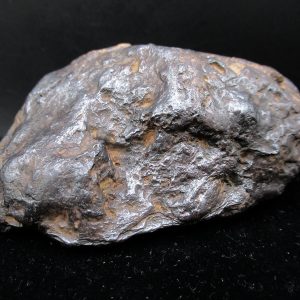
Campo Del Cielo Meteorite #6
$235.00 -
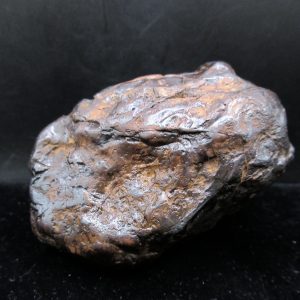
Campo Del Cielo Meteorite #7
$375.00 -
Sale!
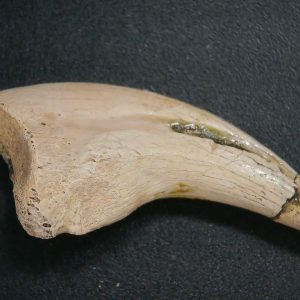
Dromaeosaurus Dinosaur Claw #1
Original price was: $1,800.00.$1,600.00Current price is: $1,600.00. -
Sold out!
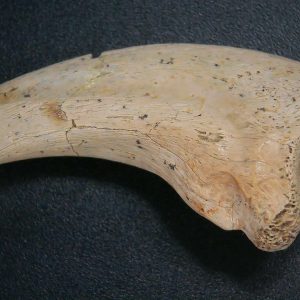
Dromaeosaurus Dinosaur Claw #2
Original price was: $1,995.00.$1,750.00Current price is: $1,750.00. -

Edmontosaurus Dinosaur Ungual #6
$895.00 -
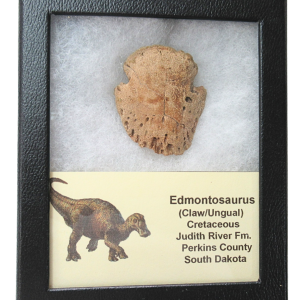
Edmontosaurus Dinosaur Ungual (Claw) for Sale South Dakota #7
$595.00 -
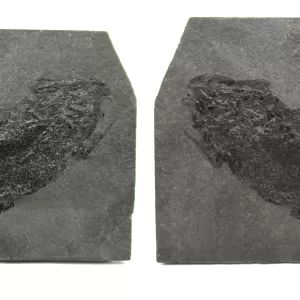
Palaeoniscum Fish Fossils for Sale #1
$1,495.00 -
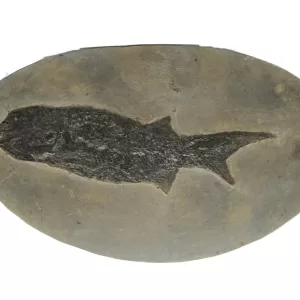
Paramblypterus Fish Fossils for Sale #1
$495.00 -
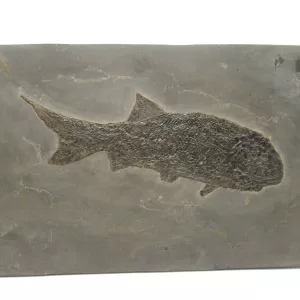
Paramblypterus Fish Fossils for Sale #2
$495.00 -
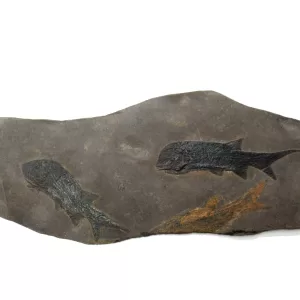
Paramblypterus Fish Fossils for Sale #3
$850.00 -
Sold out!
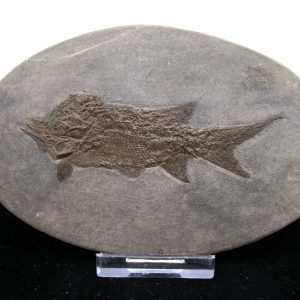
Paramblypterus Fish Fossils for Sale #5
$225.00 -
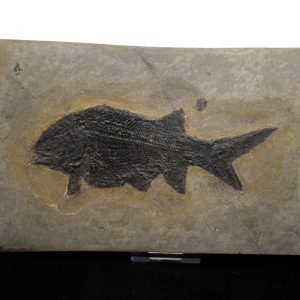
Paramblypterus Fish Fossils for Sale #6
$495.00 -
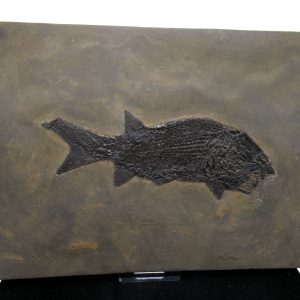
Paramblypterus Fish Fossils for Sale #7
$495.00 -
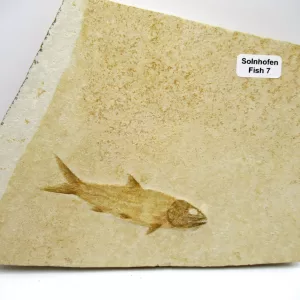
Jurassic Solnhofen Fish #7
$360.00 -
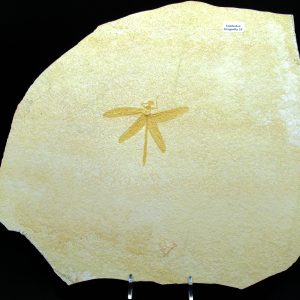
Jurassic Solnhofen Dragonfly #27
$1,050.00 -
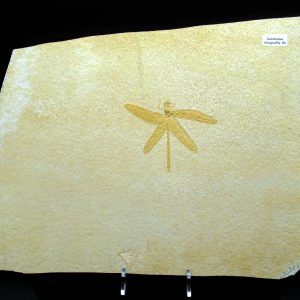
Jurassic Solnhofen Dragonfly #28
$1,050.00 -
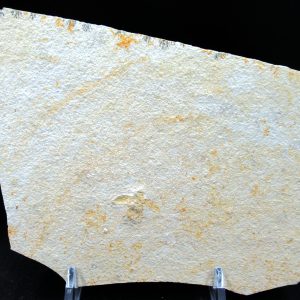
Jurassic Solnhofen Insect Fossil for Sale from Germany #44
$50.00 -
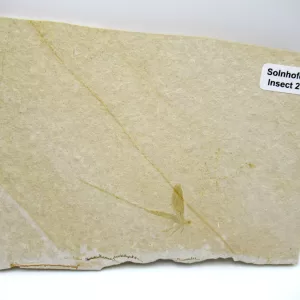
Jurassic Solnhofen Insect #25
$160.00 -
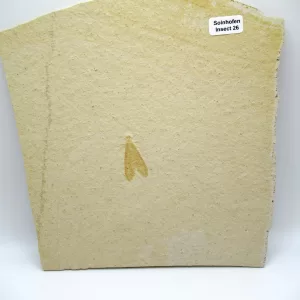
Jurassic Solnhofen Insect #26
$320.00 -
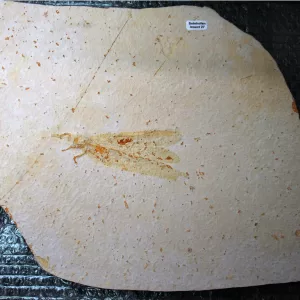
Jurassic Solnhofen Insect #27
$1,800.00 -
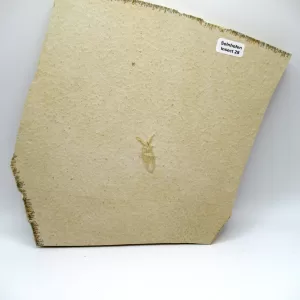
Jurassic Solnhofen Insect #28
$290.00 -
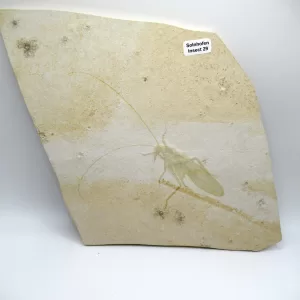
Jurassic Solnhofen Insect #29
$560.00 -
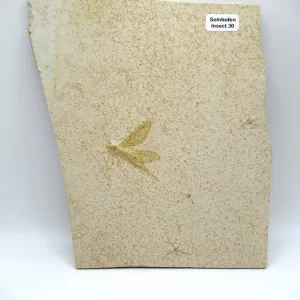
Jurassic Solnhofen Insect #30
$300.00 -
Sold out!
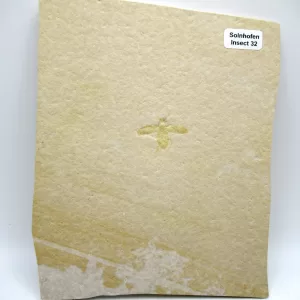
Jurassic Solnhofen Insect #32
$90.00 -
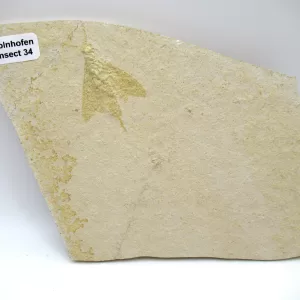
Jurassic Solnhofen Insect Fossil for Sale #34
$280.00 -
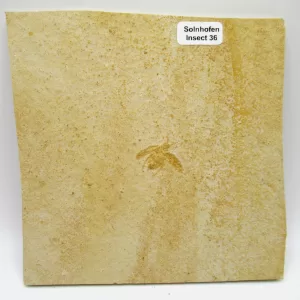
Jurassic Solnhofen Insect #36
$150.00 -
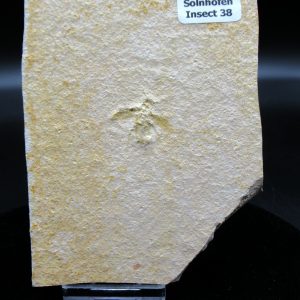
Jurassic Solnhofen Insect #38
$45.00 -
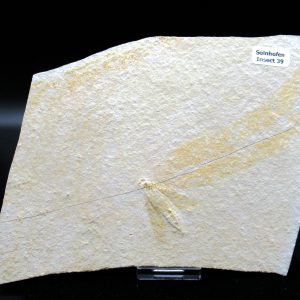
Jurassic Solnhofen Insect #39
$205.00 -
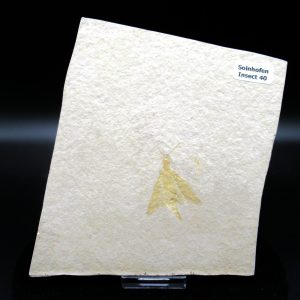
Jurassic Solnhofen Insect #40
$185.00 -
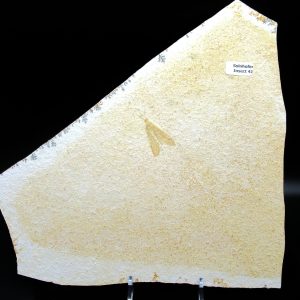
Jurassic Solnhofen Insect #41
$315.00 -
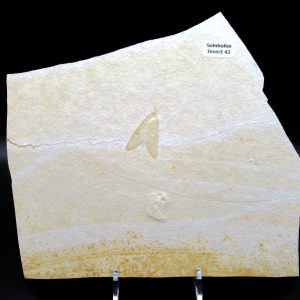
Jurassic Solnhofen Insect #42
$295.00 -
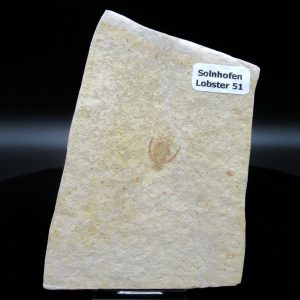
Jurassic Solnhofen Lobster #51
$60.00 -
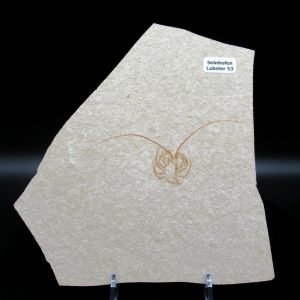
Jurassic Solnhofen Lobster #53
$90.00 -
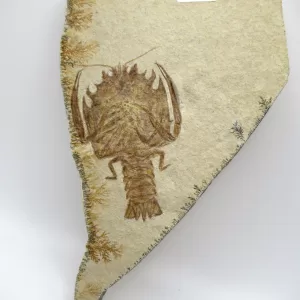
Jurassic Solnhofen Lobster from Germany for Sale #24
$995.00 -
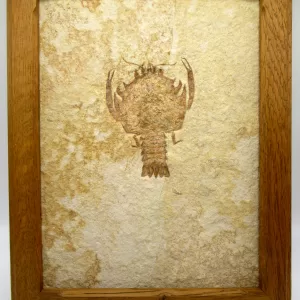
Jurassic Solnhofen Lobster #26
$1,700.00 -
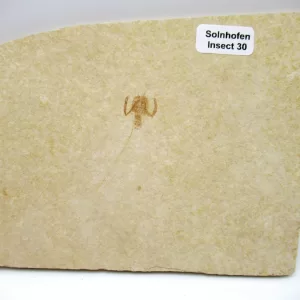
Jurassic Solnhofen Lobster #30
$90.00 -
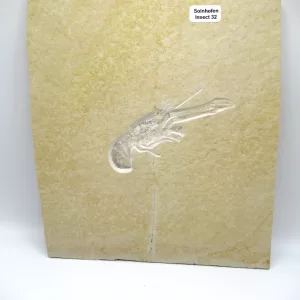
Jurassic Solnhofen Lobster #32
$310.00 -
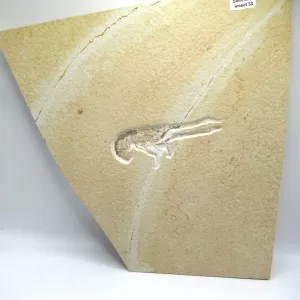
Jurassic Solnhofen Lobster #33
$260.00 -
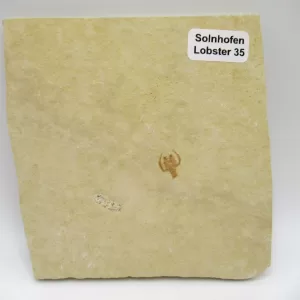
Jurassic Solnhofen Lobster #35
$50.00 -
Jurassic Solnhofen Lobster #36
$90.00 -
Jurassic Solnhofen Lobster #37
$90.00
Dinosaur Claw Fossils For Sale – Collecting Genuine Dinosaur Claws
Dinosaur Claw Fossils For Sale appeal to collectors because these fossils combine scientific importance with a dramatic and recognizable shape. Unlike an ordinary dinosaur bone fragment, a claw can provide clues about how a dinosaur walked, grasped, dug, defended itself, or interacted with its environment. Therefore, genuine dinosaur claw fossils can make fascinating additions to natural history collections and educational displays.
However, complete dinosaur claws are less common than ordinary dinosaur bone fragments. Well-preserved examples can be especially difficult to find. As a result, collectors should understand claw anatomy, identification, restoration, and provenance before purchasing a specimen.
What Are Dinosaur Claw Fossils?
A dinosaur claw fossil usually represents the bony core called an ungual phalanx. During life, a keratin sheath covered this bone and extended beyond its tip. Because keratin rarely survives fossilization, most Dinosaur Claw Fossils For Sale represent the fossilized inner bone rather than the complete claw as it appeared during the dinosaur’s life.
Moreover, claw shape varied greatly among dinosaur groups. Many theropod dinosaurs had curved unguals, while some plant-eating dinosaurs had broader or flatter forms. Certain dinosaurs also developed highly specialized claws. Consequently, scientists consider shape, proportions, joint surfaces, geological age, and locality when identifying a fossil claw.
Why Collect Dinosaur Claw Fossils?
First, dinosaur claws have an instantly recognizable appearance. Their curved profiles can create impressive displays. In addition, collectors value claws because they represent functional parts of dinosaur anatomy rather than simple fragments of unidentified bone.
Scientists also study claw curvature, attachment areas, proportions, and wear. These features may provide clues about locomotion and function. However, paleontologists compare claws with other skeletal evidence before making strong claims about dinosaur behavior.
Furthermore, an isolated claw may not contain enough diagnostic features for identification to an exact species. Therefore, careful collectors should favor specimens with reliable locality and geological information rather than relying only on appearance.
How to Evaluate Dinosaur Claw Fossils For Sale
Before purchasing a fossil claw, examine its overall shape and surface. Genuine fossil bone may show natural pores, mineral-filled cracks, weathering, or other textures. However, fossil preservation varies greatly according to the surrounding sediment, minerals, and geological conditions.
Next, ask about repairs and restoration. Fossil preparators sometimes stabilize cracks, reconnect broken pieces, or restore missing areas. Professional restoration does not automatically make a specimen undesirable. Nevertheless, reputable fossil dealers should disclose significant restoration, reconstruction, or added material.
Also, collectors should use caution when a claw identification relies only on its general shape. Some bones from turtles, crocodilians, and other vertebrates may resemble dinosaur claws after erosion or preparation. Therefore, anatomy, geological formation, locality, age, and associated fossils all provide important evidence.
Why Provenance Matters When Buying Dinosaur Claws
Reliable provenance adds important scientific and collector value to Dinosaur Claw Fossils For Sale. Whenever possible, collectors should obtain information about the geographic locality, geological formation, approximate age, and fossil identification.
For example, dinosaur-bearing formations may also preserve turtles, crocodilians, mammals, fish, and other reptiles. Consequently, discovering a bone in dinosaur-bearing rock does not automatically prove that it came from a dinosaur.
In addition, fossil collecting laws vary according to country, location, and land ownership. Responsible collectors should purchase specimens that entered the fossil market legally and have clear ownership.
Building a Dinosaur Claw Fossil Collection
Beginning collectors do not need to start with the largest or most expensive claw. Instead, a smaller but well-documented specimen can make an excellent addition to a collection. In many cases, accurate identification and strong provenance provide more educational value than size alone.
As a collection grows, collectors can compare claws from different dinosaur groups, formations, and geological periods. Additionally, keeping identification labels, locality information, and purchase records with each fossil helps preserve valuable information for future collectors.
Choosing Genuine Dinosaur Claw Fossils For Sale
When comparing Dinosaur Claw Fossils For Sale, choose established fossil dealers who provide clear descriptions and disclose important information about identification, locality, geological age, repairs, and restoration. These details help collectors make informed purchasing decisions while building confidence in a specimen’s history.
Finally, dinosaur claw fossils offer much more than visual appeal. Each genuine specimen preserves part of an animal that lived millions of years ago. Therefore, careful research, responsible collecting, accurate identification, and reliable provenance can turn an impressive dinosaur claw into a meaningful piece of Earth’s prehistoric history.