

Description
Horn Coral Fossils For Sale
- Stereolasma rectum
- Devonian Age
- Moscow Formation
- Erie County, New York
- This expertly prepared Horn Coral specimen is presented on its original matrix, highlighting the intricate natural details of the fossilized structure. The coral itself measures 2.75″ long in a straight line measurement. This specimen will come with an ID Label. Authenticity is Guaranteed!
- Buy Fossils – MORE Fossilized Coral For Sale
Horn Coral Fossils For Sale – Genuine Prehistoric Coral Fossils
Horn Coral Fossils For Sale offer collectors a fascinating look at marine life from hundreds of millions of years ago. These ancient corals lived in shallow seas during the Paleozoic Era. Their distinctive horn-shaped skeletons make them popular among fossil collectors, students, and natural history enthusiasts.
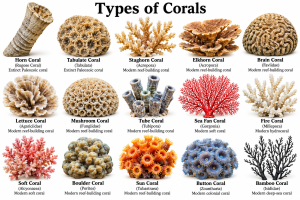
Horn corals belong to an extinct group called Rugosa, also known as rugose corals. Unlike modern reef-building corals, many rugose species lived as individual animals. However, some species formed large colonies.
Ancient History of Horn Coral Fossils
Horn corals first appeared during the Ordovician Period, more than 450 million years ago. They survived through the Silurian, Devonian, Carboniferous, and Permian periods.
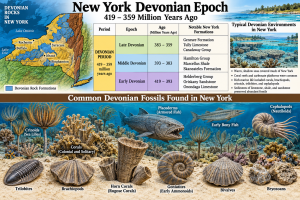
Furthermore, horn corals became especially diverse during the Devonian Period, often called the Age of Fishes. However, the entire rugose coral group disappeared during the mass extinction at the end of the Permian, about 252 million years ago.
How Did Horn Corals Live?
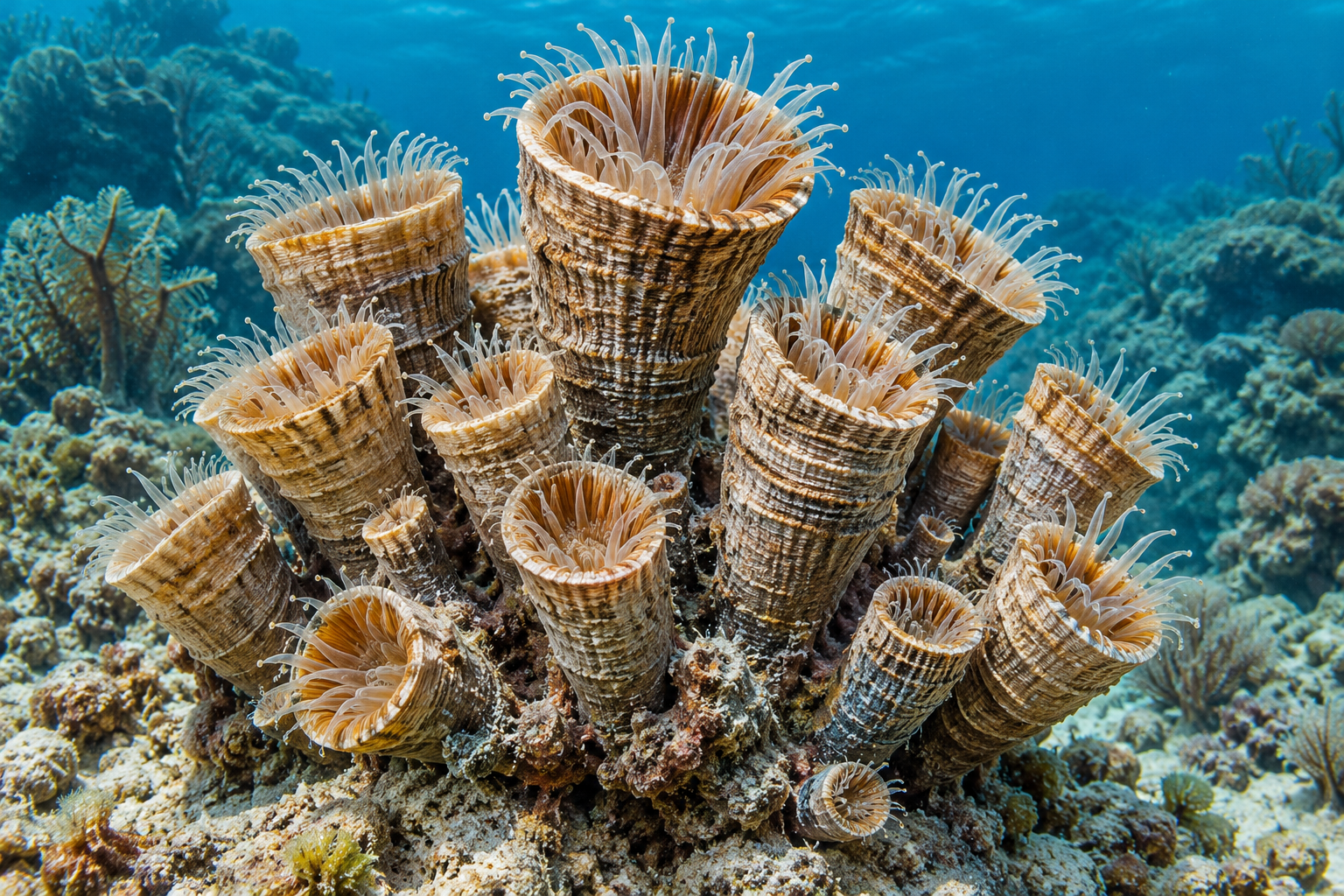
Each solitary horn coral contained one soft-bodied animal called a polyp. The polyp occupied a cup-shaped opening at the wider end of its skeleton.
Like modern corals, these animals likely used tentacles to capture tiny organisms and food particles from seawater. In addition, their hard calcium carbonate skeletons helped protect their delicate bodies.
As the coral grew, it produced new skeletal material. Consequently, many fossils preserve visible growth lines and internal structures.
Identifying Genuine Horn Coral Fossils
Horn Coral Fossils For Sale often display several distinctive features. Their skeletons commonly resemble curved horns or tapered cones.
Additionally, many specimens preserve fine ridges, growth wrinkles, and internal partitions called septa. These structures radiate outward from the center of the coral.
Some fossils also show a cup-shaped opening called the calice. Therefore, well-preserved examples can reveal remarkable details about the animal’s anatomy.
Where Are Horn Coral Fossils Found?
Horn coral fossils occur in Paleozoic sedimentary rocks throughout North America and other parts of the world.
In particular, fossil-bearing limestone deposits in Indiana, Ohio, Kentucky, Michigan, and Missouri preserve various rugose coral species.
Moreover, these fossils often occur alongside brachiopods, crinoids, bryozoans, and other ancient marine organisms. Together, these remains provide evidence of prehistoric seas that once covered much of North America.
Why Collect Prehistoric Rugose Corals?
Collectors appreciate horn corals because of their unusual shapes, geological age, and scientific importance.
For example, small specimens make excellent educational fossils for children and beginning collectors. Meanwhile, larger examples with well-preserved skeletal details appeal to experienced fossil enthusiasts.
Additionally, some horn coral fossils display attractive mineral preservation, making them interesting natural history specimens.
Horn Coral Fossils For Sale at Prehistoric Fossils
At Prehistoric Fossils, we specialize in genuine fossils and natural history specimens for collectors of all experience levels.
Our Horn Coral Fossils For Sale category celebrates an extinct group of marine animals that thrived long before dinosaurs appeared.
Whether you collect Paleozoic fossils, study ancient marine environments, or simply appreciate natural history, horn corals offer a remarkable connection to Earth’s distant past.
Explore genuine horn coral fossils at Prehistoric Fossils – Your Trusted Source Since 1997.