
Starfish Fossils For Sale | Authentic Fossil Starfish
Starfish Fossils For Sale
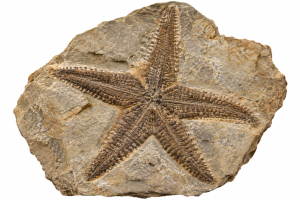
Starfish Fossils For Sale offer collectors and fossil enthusiasts a rare connection to ancient marine life. Fossil starfish provide a valuable record of prehistoric oceans. Starfish, also called sea stars, belong to the echinoderm group and have lived in Earth’s oceans for hundreds of millions of years. However, complete fossil starfish are uncommon because their bodies contain many small skeletal plates that can separate soon after death.
How Fossil Starfish Form
When a sea star died, rapid burial by mud or fine sand could help preserve its body. As a result, some fossil beds contain detailed impressions of the arms, central disk, and individual skeletal plates. In favorable conditions, minerals could replace or fill parts of the original skeleton. Therefore, well-preserved starfish fossils can reveal important details about the animal’s shape, structure, and environment.
What Fossil Starfish Tell Us
Fossil starfish range from ancient Paleozoic forms to much younger species. Moreover, these fossils help scientists study changes in marine ecosystems through geological time. Their five-part body pattern is especially useful because echinoderms share a distinctive form of radial symmetry. Consequently, fossil starfish can provide evidence about ancient seafloors and the marine communities that lived there.
Collecting Starfish Fossils
Because preservation is difficult, well-preserved fossil starfish are highly valued by collectors and researchers. In addition, Starfish Fossils For Sale provide an opportunity to own specimens that showcase the history of ancient oceans. Each fossil can offer clues about past marine environments, seafloor conditions, and prehistoric life.
The Scientific Importance of Starfish Fossils
Overall, fossil starfish are more than attractive geological specimens. They provide evidence of ancient marine ecosystems and help scientists understand how echinoderms survived and changed through deep geological time. For collectors, Starfish Fossils For Sale combine scientific interest, natural beauty, and a tangible connection to Earth’s distant past
Showing 1–50 of 66 results
-
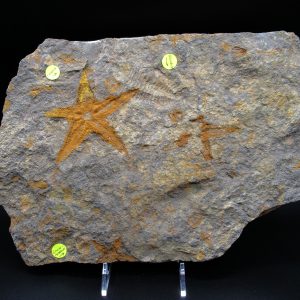
Morocco Petraster Starfish 17
$195.00 -

Morocco Petraster Starfish 19
$85.00 -

Morocco Petraster Starfish 22
$85.00 -

Morocco Petraster Starfish 24
$75.00 -

Morocco Petraster Starfish 27
$75.00 -
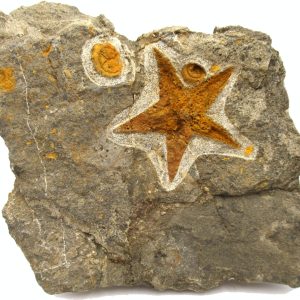
Morocco Petraster Starfish 32
$115.00 -
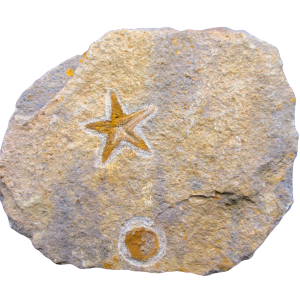
Petraster Starfish Ordovician Age from Morocco #40
$75.00 -
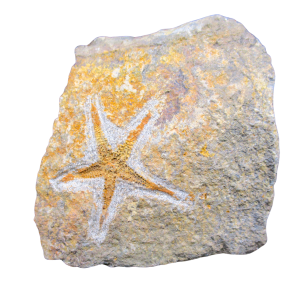
Petraster Starfish Ordovician Age from Morocco #41
$75.00 -
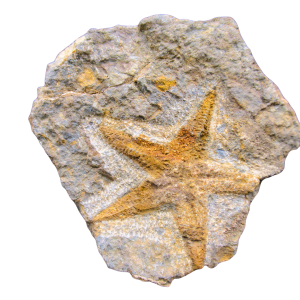
Petraster Starfish Ordovician Age from Morocco #42
$75.00 -
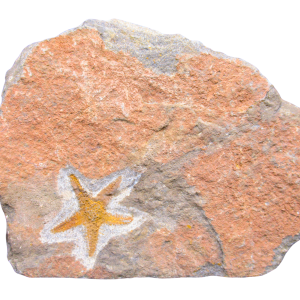
Petraster Starfish Ordovician Age from Morocco #43
$75.00 -
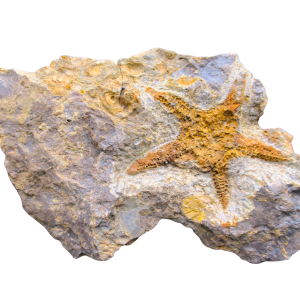
Petraster Starfish Ordovician Age from Morocco #46
$75.00 -
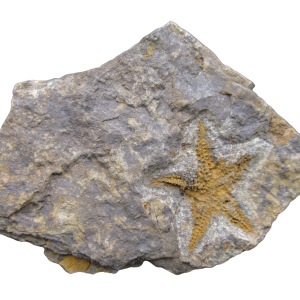
Petraster Starfish Ordovician Age from Morocco #47
$75.00 -
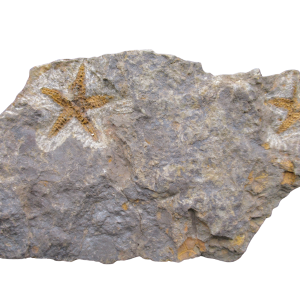
Petraster Starfish Ordovician Age from Morocco #48
$145.00 -
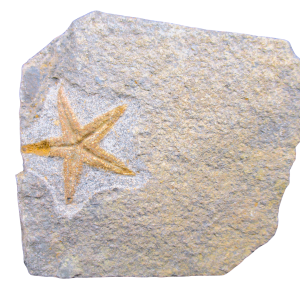
Petraster Starfish Ordovician Age from Morocco #49
$85.00 -
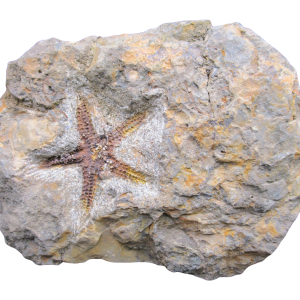
Petraster Starfish Ordovician Age from Morocco #50
$75.00 -
Sold out!
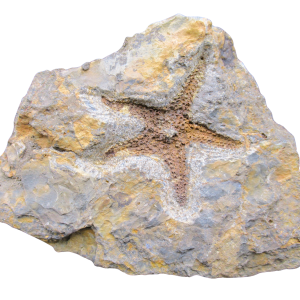
Petraster Starfish Ordovician Age from Morocco #52
$95.00 -
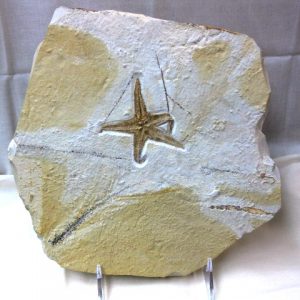
Solnhofen Riedaster reicheli Starfish #7
$2,995.00 -
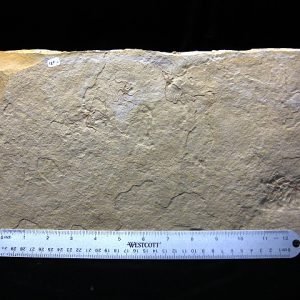
Jurassic Solnhofen Brittle Star #9
$180.00 -
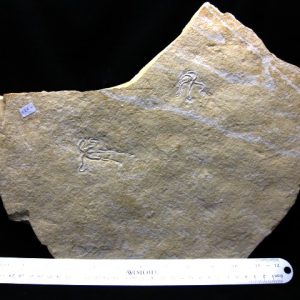
Jurassic Solnhofen Brittle Star #7
$120.00 -
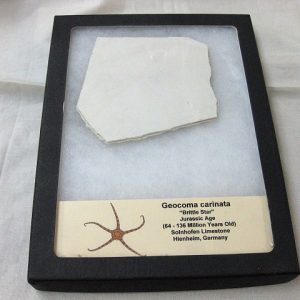
Solnhofen Geocoma Brittle Star #2
$85.00 -
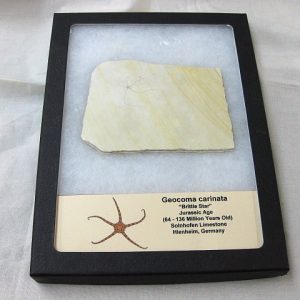
Solnhofen Geocoma Brittle Star #4
$135.00 -
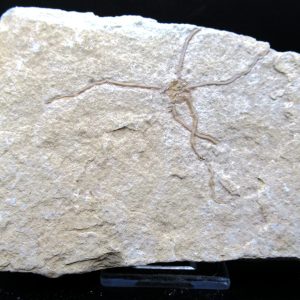
Sinosura Brittle Star (Solnhofen) #10
$65.00 -
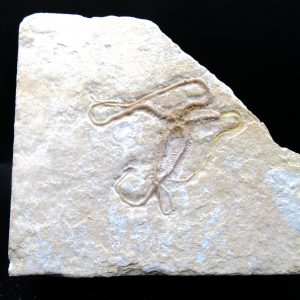
Sinosura Brittle Star (Solnhofen) #11
$65.00 -
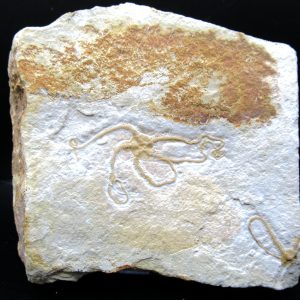
Sinosura Brittle Star (Solnhofen) #15
$75.00 -
Sold out!
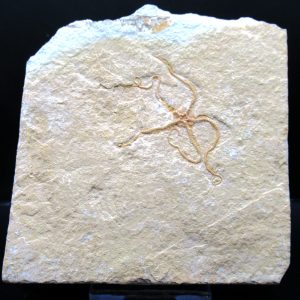
Sinosura Brittle Star (Solnhofen) #16
$75.00 -
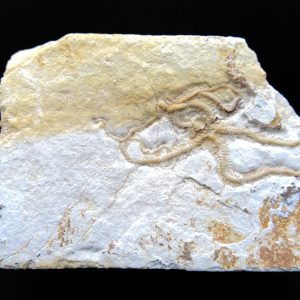
Sinosura Brittle Star (Solnhofen) #17
$85.00 -
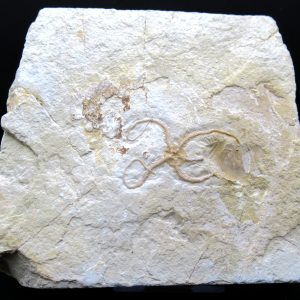
Sinosura Brittle Star (Solnhofen) #21
$65.00 -
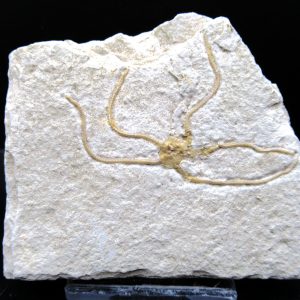
Sinosura Brittle Star (Solnhofen) #23
$75.00 -
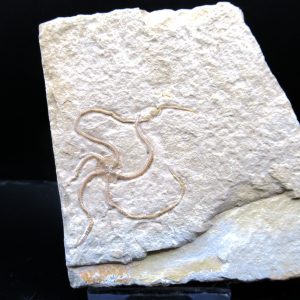
Sinosura Brittle Star (Solnhofen) #24
$75.00 -
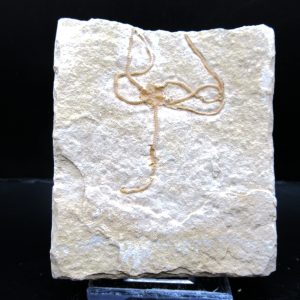
Sinosura Brittle Star (Solnhofen) #26
$75.00 -
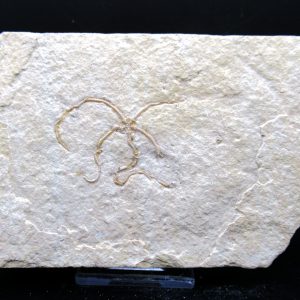
Sinosura Brittle Star (Solnhofen) #27
$75.00 -
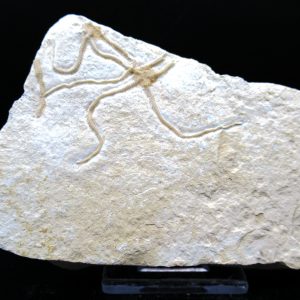
Sinosura Brittle Star (Solnhofen) #29
$75.00 -
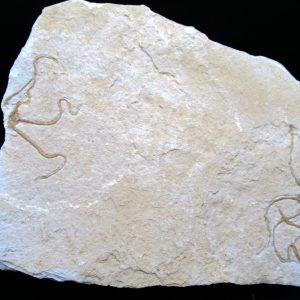
Sinosura Brittle Star (Solnhofen) #32
$55.00 -
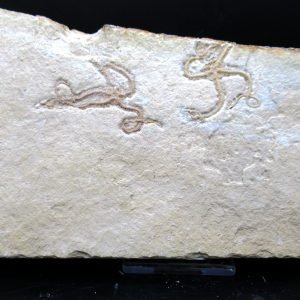
Sinosura Brittle Star (Solnhofen) #33
$165.00 -
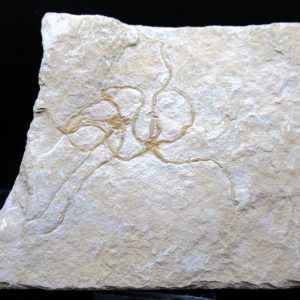
Sinosura Brittle Star (Solnhofen) #34
$165.00 -
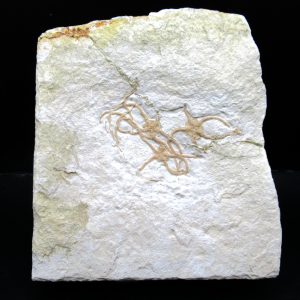
Sinosura Brittle Star (Solnhofen) #35
$195.00 -
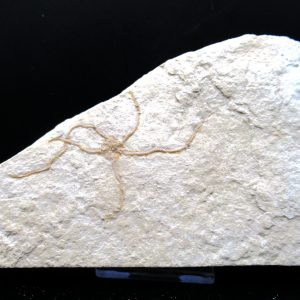
Sinosura Brittle Star (Solnhofen) #4
$75.00 -
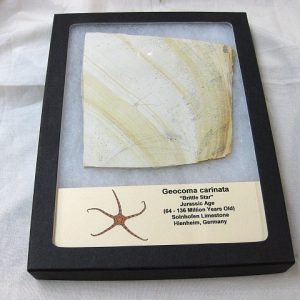
Solnhofen Geocoma Brittle Star #5
$85.00 -
Sold out!
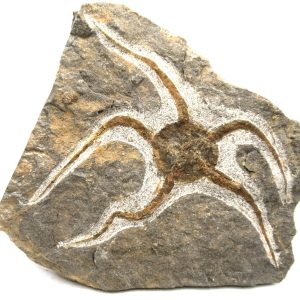
Morocco Ophiura Ordovician Morocco Africa Brittle Star For Sale #25 – 6.13″ wide
$125.00 -
Sold out!
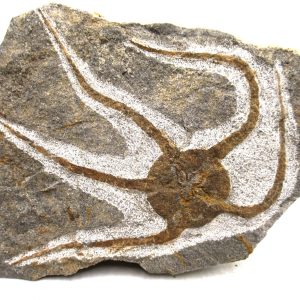
Morocco Ophiura Ordovician Morocco Africa Brittle Star For Sale #26 – 4.71″ wide
$115.00 -
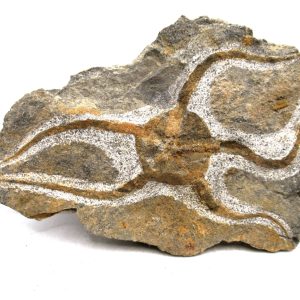
Morocco Ophiura Ordovician Morocco Africa Brittle Star For Sale #27 – 5.67″ wide
$115.00 -
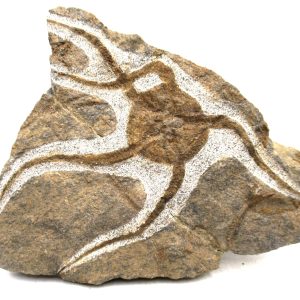
Morocco Ophiura Ordovician Morocco Africa Brittle Star For Sale #28 – 5.58″ wide
$115.00 -
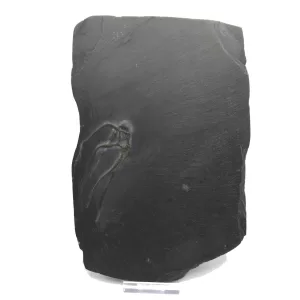
Bundenbach Hunsruck Slate Furcaster #1
$175.00 -
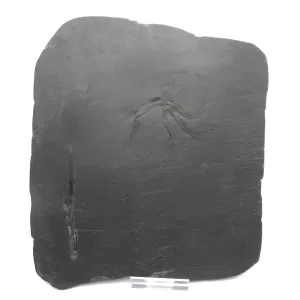
Bundenbach Hunsruck Slate Furcaster #11
$150.00 -
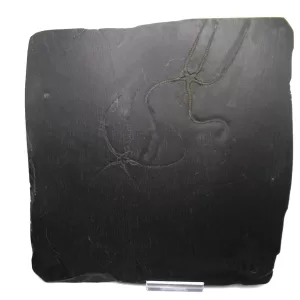
Bundenbach Hunsruck Slate Furcaster #12
$275.00 -
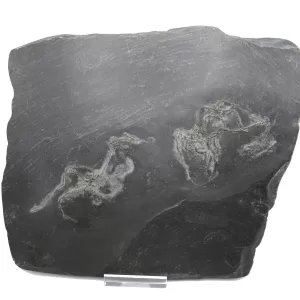
Bundenbach Hunsruck Slate Furcaster #13
$250.00 -
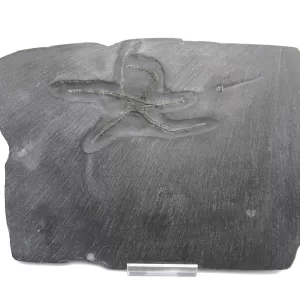
Bundenbach Hunsruck Slate Furcaster #2
$200.00 -
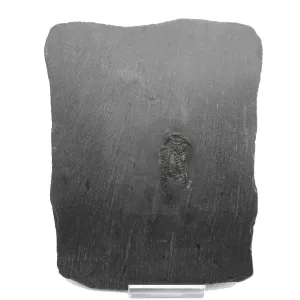
Bundenbach Hunsruck Slate Furcaster #3
$125.00 -
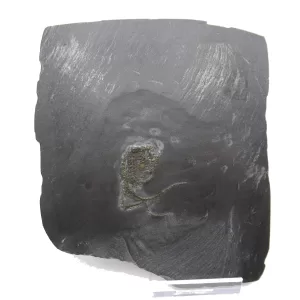
Bundenbach Hunsruck Slate Furcaster #4
$100.00 -
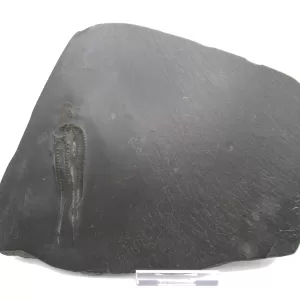
Bundenbach Hunsruck Slate Furcaster #5
$200.00
- Buy Fossils
- Fossils for Sale
- Large Selection
- Great Prices and Great Selection
- Authenticity Guaranteed
- Satisfaction Guaranteed
- Your TRUSTED SOURCE SINCE 1997!
- Many more videos are available on our YouTube Channel.
Starfish Fossils For Sale: Scientific Evidence, Preservation, and Evolutionary Significance
Starfish Fossils For Sale provide collectors, educators, and fossil enthusiasts with a rare opportunity to own a tangible record of ancient marine life. Fossil starfish, scientifically classified within the class Asteroidea, offer important evidence for understanding the evolution, morphology, and paleoecology of echinoderms. Because starfish have delicate calcitic skeletons composed of numerous small ossicles, complete and well-preserved fossil specimens are relatively uncommon.
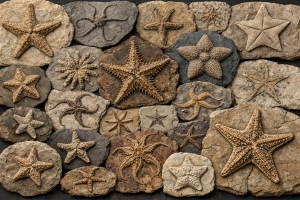
Introduction to Fossil Starfish
Starfish, more accurately known as sea stars, are marine echinoderms characterized by radial symmetry and an internal skeleton made of calcite ossicles. Modern sea stars inhabit oceans around the world, while their fossil relatives provide a valuable record of ancient marine ecosystems.
Fossil starfish are comparatively rare because their skeletal components can become separated soon after death. Decay, scavenging, currents, wave action, and sediment disturbance can quickly destroy the original arrangement of the arms and ossicles. When exceptional preservation occurs, however, fossil starfish can retain remarkable anatomical detail.
The fossil record shows that asterozoan echinoderms have a deep Paleozoic history, with early representatives occurring in the Ordovician Period. Their fossils help paleontologists investigate how starfish evolved and diversified through geological time.
Scientific Classification of Starfish
- Phylum: Echinodermata
- Class: Asteroidea
- Subphylum: Eleutherozoa
Geological Time Range and Distribution of Fossil Starfish
Fossil starfish have been discovered in sedimentary formations representing numerous geological periods. Their fossil record is uneven because exceptional burial and preservation conditions are usually required to maintain the articulated skeleton.
Major Fossil Starfish Occurrences
- Ordovician–Silurian: Early asterozoans with primitive skeletal and arm characteristics.
- Devonian: Increasing morphological diversity among asterozoan echinoderms.
- Jurassic: Exceptionally preserved starfish occur in several marine Lagerstätten.
- Cretaceous: Fossil asteroids display body plans increasingly comparable with later and modern starfish.
Important Fossil Starfish Localities
Notable localities associated with fossil starfish include the Solnhofen Limestone in Germany, Hunsrück Slate in Germany, Wenlock Limestone in England, and Fezouata Formation in Morocco. These geological deposits have produced important marine fossils and have contributed to scientific research into ancient ecosystems and echinoderm evolution.
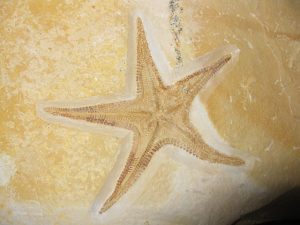
How Fossil Starfish Are Preserved
Understanding fossilization is particularly important when evaluating Starfish Fossils For Sale. A living starfish possesses hundreds of small skeletal plates and ossicles connected by soft tissues. After death, decomposition can cause these elements to separate, while scavengers and water movement may further scatter the remains.
Conditions That Promote Exceptional Preservation
Complete or articulated fossil starfish generally require unusual preservation circumstances. Important factors can include:
- Rapid burial: Quickly covering the animal with sediment can reduce scavenging and physical disturbance.
- Low-oxygen conditions: Oxygen-poor environments can reduce biological activity and slow some forms of decay.
- Fine-grained sediment: Shale, mudstone, and fine limestone can preserve delicate skeletal details and impressions.
- Limited water movement: Calm depositional environments can reduce the scattering of skeletal elements.
When several of these conditions occur together, the ossicles may remain sufficiently articulated to preserve the recognizable outline of the animal. Such exceptional specimens are especially valuable for scientific study and educational display.
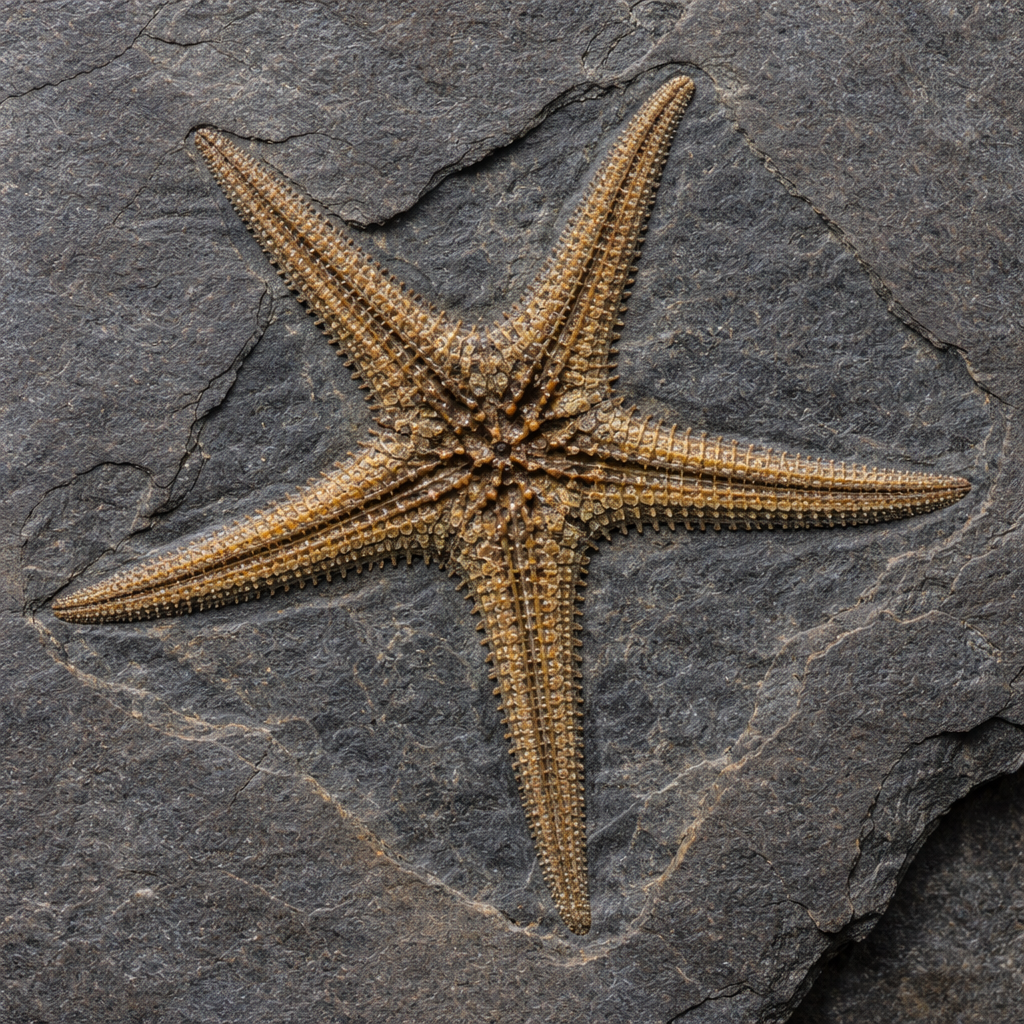
Fossil Starfish Morphology and Identification
Identifying fossil starfish requires careful examination of their skeletal characteristics. Paleontologists consider multiple anatomical features rather than relying solely on the overall appearance of a specimen.
Diagnostic Features of Fossil Starfish
- Number and arrangement of arms
- Radial symmetry and overall body proportions
- Arrangement of ambulacral plates
- Marginal ossicle structure
- Central disc morphology
- Individual ossicle shape and arrangement
Preservation quality can significantly affect identification. In some cases, genus- or species-level identification requires comparison with scientifically described specimens and specialist paleontological literature.
Modern Techniques Used to Study Fossil Starfish
Modern paleontological research increasingly uses advanced imaging and analytical methods to investigate fossil echinoderms. Techniques such as micro-CT scanning, scanning electron microscopy (SEM), and high-resolution digital imaging can reveal details of skeletal architecture, surface texture, and mineralization while helping researchers minimize damage to valuable specimens.
Evolutionary Significance of Fossil Starfish
Fossil starfish provide important evidence for studying the evolutionary history of echinoderms. Their anatomy and geological distribution allow researchers to compare ancient asteroids with related echinoderm groups and investigate changes in body form through deep time.
What Fossil Starfish Reveal About Evolution
- The diversification and evolutionary history of asteroids.
- Relationships between asteroids and other asterozoan echinoderms.
- The development and modification of pentaradial body organization.
- Changes in marine habitats and ecosystems.
- Responses of echinoderms to environmental and extinction events.
The long fossil history of asteroids also provides evidence for their persistence through major changes in marine environments. Fossil specimens from different geological intervals allow scientists to investigate patterns of survival, diversification, and ecological adaptation.
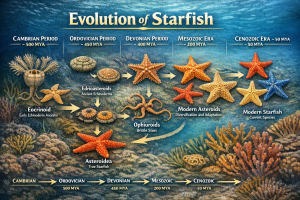
Scientific and Educational Importance of Fossil Starfish
Well-preserved fossil starfish are important because articulated specimens can preserve anatomical information that is commonly lost when individual skeletal elements become separated. This makes them useful for both scientific research and education.
Fossil starfish may be:
- Described and illustrated in scientific publications.
- Preserved in museum and institutional collections.
- Used for comparative anatomical research.
- Included in phylogenetic studies of echinoderms.
- Used to teach fossilization, paleontology, and ancient marine ecology.
For collectors, a documented fossil starfish can also provide a direct connection to the geological history of an ancient marine environment.
Buying Authentic Starfish Fossils
When searching for Starfish Fossils For Sale, buyers should consider authenticity, preservation, geological locality, provenance, and the condition of the specimen. These factors can have a significant effect on the scientific and collectible value of a fossil.
What to Look for When Buying Fossil Starfish
- Documented geological locality: Information about the formation or collecting area can help establish context.
- Natural preservation: Skeletal structures should be consistent with fossilization and the surrounding matrix.
- Provenance: A documented collecting or ownership history can provide additional confidence.
- Preparation disclosure: Repairs, restoration, stabilization, or reconstruction should be disclosed.
- Accurate identification: Identification should be based on appropriate morphological characteristics.
- Clear specimen photographs: Detailed images can help buyers evaluate preservation and preparation quality.
Authentication and Ethical Fossil Collecting
Composite, reconstructed, heavily restored, and incorrectly identified fossil starfish can occur in the commercial fossil market. Buyers should therefore purchase from reputable fossil dealers who provide accurate descriptions and disclose known restoration or repair.
Ethical fossil collecting is also important. Collectors should respect land ownership, collecting regulations, protected sites, and applicable laws. Good provenance helps preserve the scientific history of specimens and supports responsible collecting practices.
Why Collect Fossil Starfish?
Fossil starfish combine scientific significance with distinctive natural beauty. Their radial symmetry, delicate skeletal architecture, and rarity make articulated specimens particularly attractive for private collections, natural-history displays, classrooms, and educational exhibits.
A well-preserved starfish fossil can also illustrate an important lesson in paleontology: exceptional fossils are often the result of unusual geological circumstances. The preservation of a complete or nearly complete sea star provides a snapshot of an ancient marine environment that may otherwise be represented only by fragmented skeletal remains.
Starfish Fossils For Sale: A Rare Piece of Ancient Marine History
Starfish Fossils For Sale represent a unique opportunity to own a preserved record of ancient marine life. Because starfish skeletons are composed of many delicate ossicles that commonly become disarticulated after death, complete specimens are relatively uncommon.
From Paleozoic asterozoans to exceptionally preserved Jurassic examples, fossil starfish provide valuable evidence for studying echinoderm evolution, fossil preservation, paleoecology, and the history of marine biodiversity. For collectors and educators, specimens with reliable provenance, authentic preservation, and accurate identification can be especially valuable additions to a collection.
Buy Fossils with Confidence
Your TRUSTED SOURCE since 1997. Authenticity Guaranteed! Explore our selection of Starfish Fossils For Sale and discover authentic specimens that bring the history of ancient oceans to life.