Description
Saurornitholestes Dinosaur Fossil For Sale
- Theropod Dinosaur Tooth
- Cretaceous Age
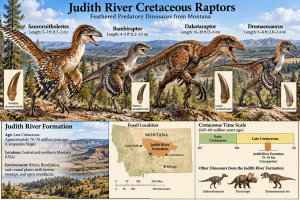
- Judith River Formation
- Montana
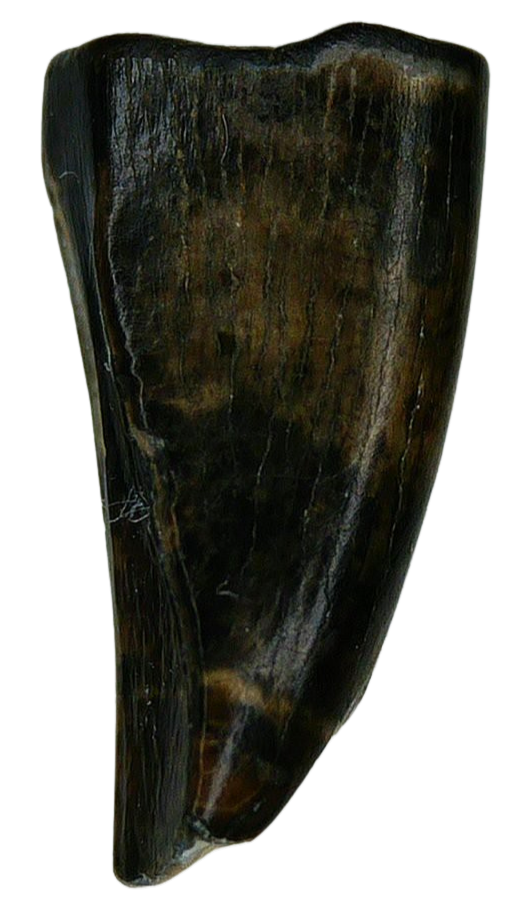
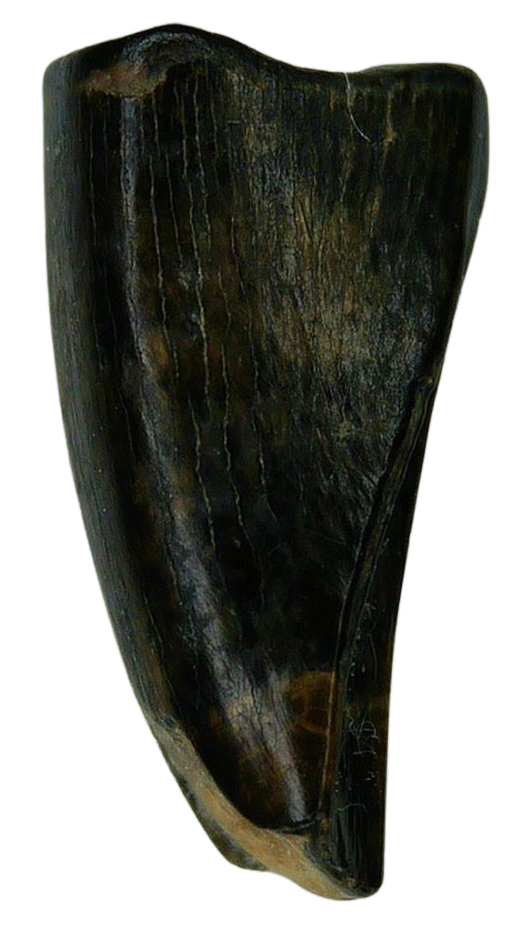
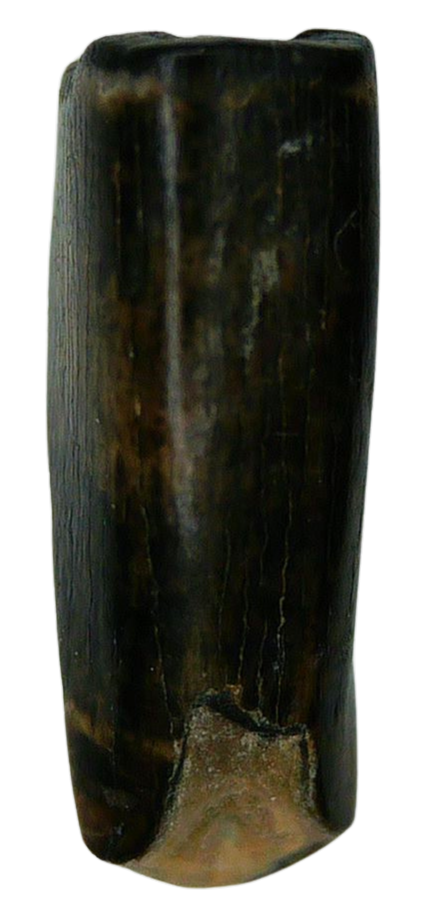
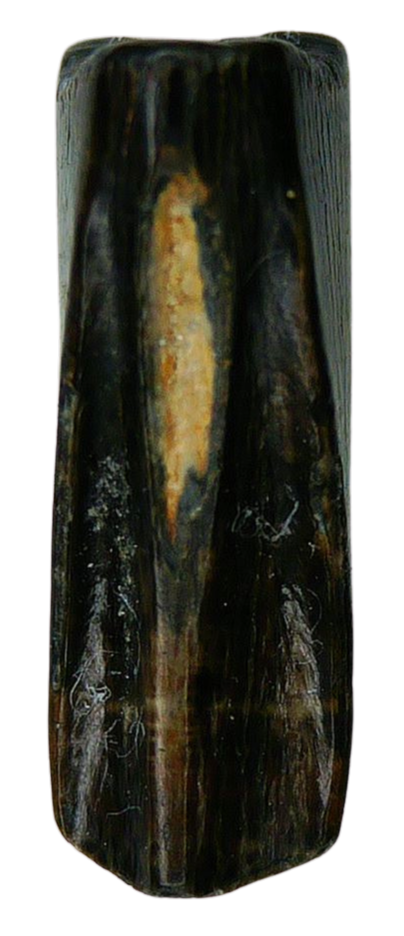
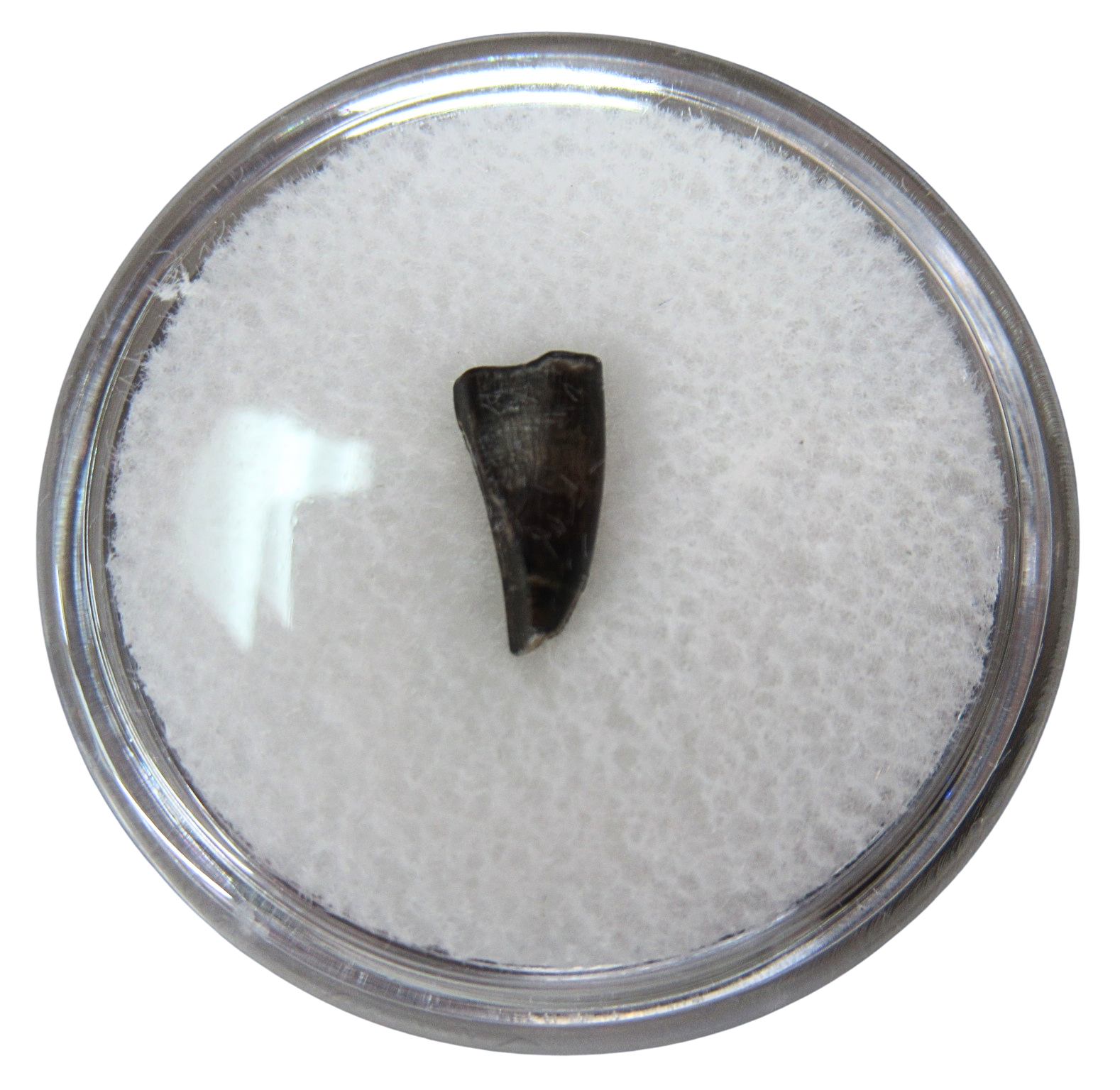
- This small RARE PREMAXILLARY raptor dinosaur tooth measures .35″ long and will come in a 1.25″ Gem Jar with ID Label. Authenticity Guaranteed.
- Buy Fossils – MORE Dinosaur Teeth Fossils For Sale
Saurornitholestes Dinosaur Fossil For Sale – Cretaceous Raptor Fossils
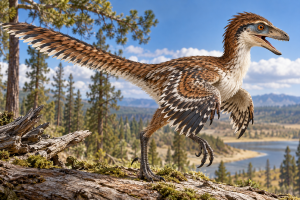
Saurornitholestes Dinosaur Fossil For Sale offers collectors an exciting opportunity to own a piece of prehistoric history. This small, meat-eating dinosaur belonged to the family Dromaeosauridae, a group of feathered theropods closely related to birds. These agile predators lived during the Late Cretaceous Period, approximately 76 to 66 million years ago.
Although much smaller than Tyrannosaurus rex, Saurornitholestes was an effective predator. Its sharp teeth, lightweight skeleton, and specialized claws helped it hunt smaller animals. Furthermore, its close relationship to other raptors makes it especially interesting to dinosaur enthusiasts and fossil collectors.
What Was Saurornitholestes?
Saurornitholestes was a relatively small theropod dinosaur that measured approximately 5 to 7 feet long, including its tail. Scientists believe it weighed roughly 20 to 30 pounds, although estimates vary.
Like other dromaeosaurids, this dinosaur walked on two powerful hind legs. Additionally, it possessed a long tail that helped maintain balance while moving.
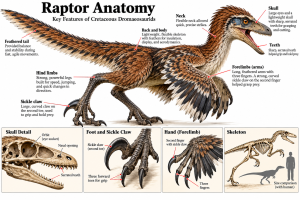
Its most notable features included:
-
Sharp, recurved teeth with serrated cutting edges.
-
A large, curved claw on the second toe of each foot.
-
Long arms with grasping hands.
-
A lightweight body suited for active movement.
-
Feathers, inferred from its close evolutionary relatives.
Unlike the oversized raptors often shown in movies, Saurornitholestes was a smaller predator with birdlike characteristics.
Saurornitholestes Dinosaur Fossils and Their Discovery
Paleontologists first described Saurornitholestes langstoni in 1978 from fossils discovered in Alberta, Canada. Since then, additional specimens have helped researchers understand its anatomy and evolutionary relationships.
Fossils attributed to this dinosaur occur in Late Cretaceous deposits of western North America. In particular, the Dinosaur Park Formation of Alberta has produced important skeletal material.
Furthermore, isolated dromaeosaurid teeth occur in formations such as Hell Creek in Montana and the Dakotas. However, identifying an isolated tooth as Saurornitholestes can be difficult because several small theropods possessed similar teeth.
Saurornitholestes Dinosaur Teeth and Identification
Saurornitholestes teeth are among the most recognizable fossils associated with this small raptor. Typically, these teeth have curved crowns, sharp points, and tiny serrations along their cutting edges.
Interestingly, the serrations on the front edge are generally smaller than those on the rear edge. These features helped the dinosaur grip and cut through flesh.
However, scientists must carefully compare tooth shape, serrations, and geological age before assigning isolated specimens to a particular species. In fact, some teeth from the Hell Creek Formation may belong to Acheroraptor or another related dromaeosaurid.
Saurornitholestes Dinosaur Fossil For Sale
Why Collect Saurornitholestes Dinosaur Fossils?
Saurornitholestes Dinosaur Fossil For Sale specimens appeal to collectors because they represent one of North America’s fascinating small predatory dinosaurs.
Additionally, genuine raptor teeth provide valuable evidence of ancient food webs and dinosaur diversity. Their small size also makes them suitable for fossil displays and educational collections.
At Prehistoric Fossils, we specialize in genuine prehistoric specimens for beginning collectors, advanced enthusiasts, and natural history lovers.
Explore our selection of authentic dinosaur fossils and discover the incredible animals that once roamed prehistoric North America.
Authenticity Guaranteed – Trusted Source Since 1997.