

Description
Genuine Roman Coins For Sale
- Late Roman Coin
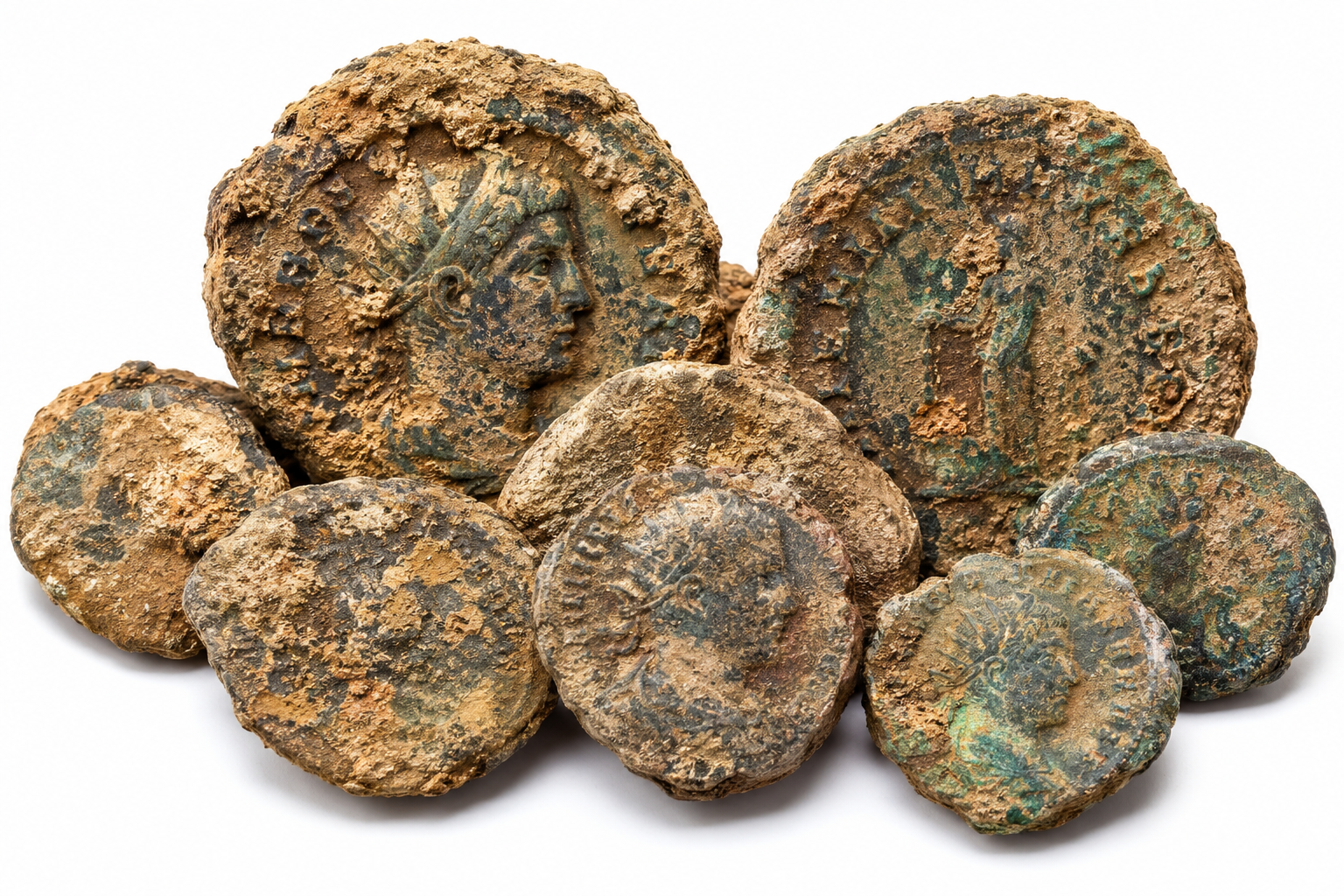
- This group of coins was discovered completely encrusted with heavy mineral deposits and corrosion. Traditional cleaning methods, such as prolonged soaking in olive oil or electrolysis, could have taken years to produce satisfactory results. Therefore, the coins were carefully cleaned by hand to remove the heavy encrustation.This manual cleaning process exposed the bright bronze color visible today while also revealing much of the original detail that had been hidden beneath the deposits. Because these coins were manually cleaned, their surfaces should not be considered original or naturally patinated. However, the cleaning has made many of the original designs, portraits, symbols, and other identifying features much easier to see.
- 3rd to 5th A.D.
- This .66″ Wide specimen will come in a 1.25″ Gem Jar with Label
- Buy Artifacts | MORE Ancient Artifacts For Sale
Roman Coins For Sale – Genuine Ancient Coins and Hoards
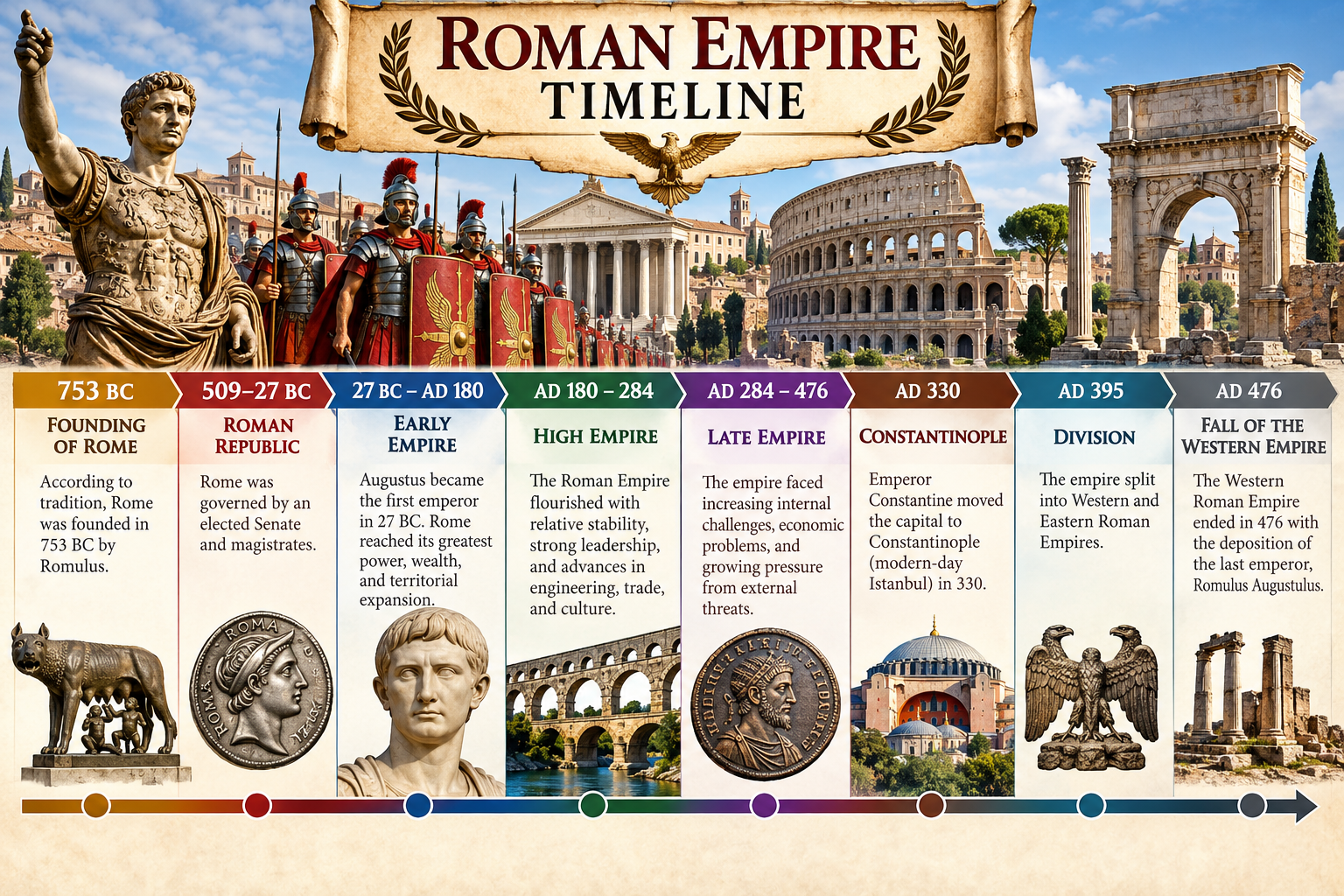
Roman Coins For Sale give collectors a direct connection to the ancient Roman world. For centuries, Romans used coins to purchase goods, pay soldiers, collect taxes, and conduct trade throughout the empire. Therefore, genuine Roman coins provide valuable evidence about ancient economics, politics, religion, art, and everyday life.
Roman mints produced coins from gold, silver, bronze, brass, and copper-based alloys. Popular denominations included the aureus, denarius, sestertius, dupondius, and as. However, Roman coinage changed greatly over time as emperors altered denominations, weights, designs, and metal content.
Ancient Roman Coin Designs
Many Roman coins feature portraits of emperors or members of the imperial family. In addition, reverse designs may show Roman gods, military victories, monuments, animals, weapons, or symbolic figures. Consequently, historians and collectors can use these designs to study Roman rulers, religion, propaganda, warfare, and important historical events.
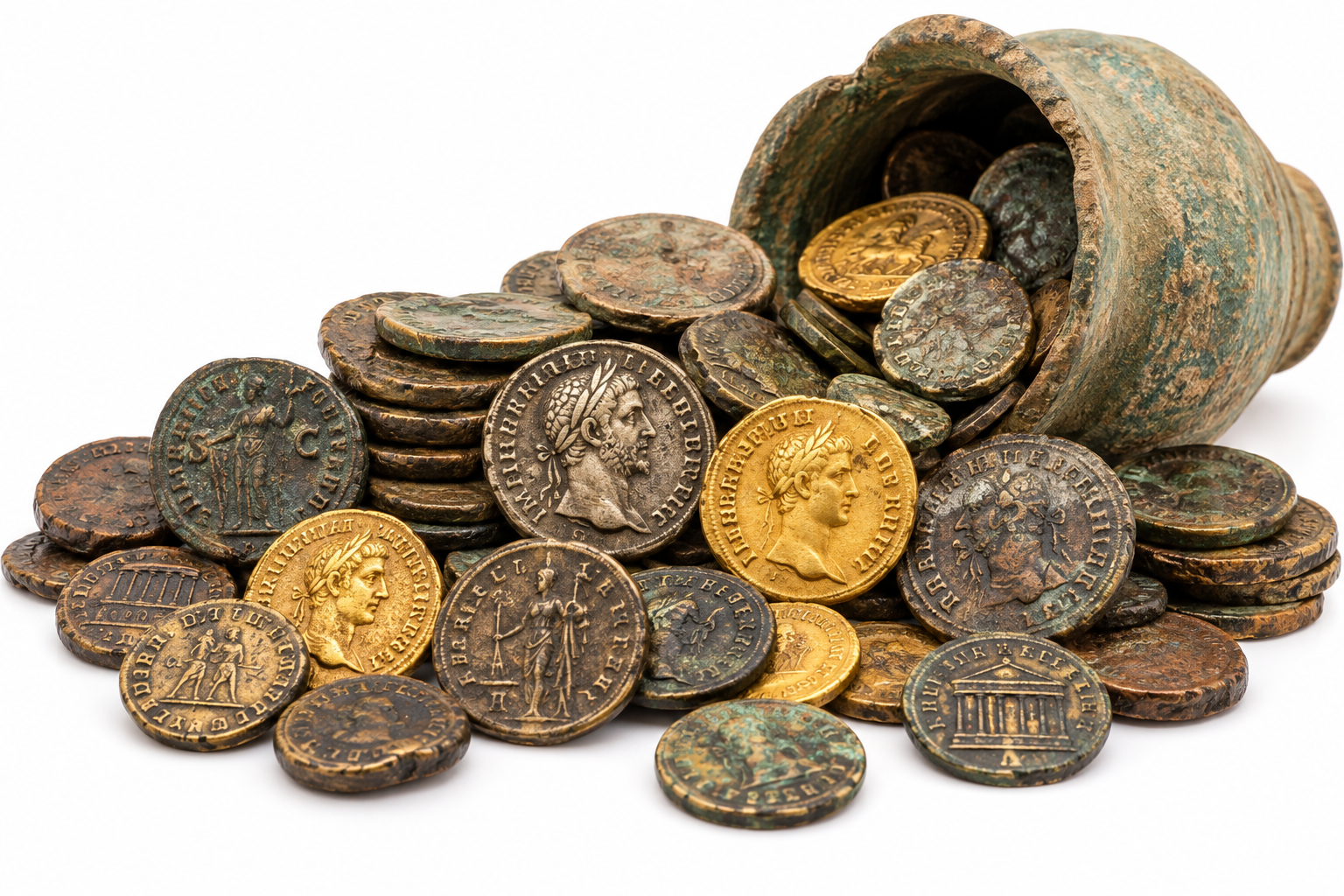
Roman Coin Hoards and Buried Treasure
A Roman coin hoard contains multiple coins intentionally collected or deposited together. People sometimes buried their money during wars, invasions, political unrest, or other uncertain times. However, not every hoard represented emergency savings. Some deposits may have served religious purposes, while others simply provided a secure way to store personal wealth.
Cleaning and Conserving Ancient Bronze Coins
After centuries underground, bronze Roman coins may develop thick mineral deposits, soil encrustation, and corrosion. As a result, recently recovered coins can show very little visible detail. Careful cleaning or conservation may reveal portraits, lettering, symbols, and other original features hidden beneath these deposits.
Why Roman Coin Hoards Are Important
Archaeologists study documented hoards because groups of coins can reveal information that individual coins cannot. For example, researchers can examine circulation patterns, trade connections, coin production, and approximate burial dates. Moreover, the newest coin within a sealed hoard can often help establish the earliest possible date when the deposit was buried.
Buy Genuine Roman Coins For Sale
At Prehistoric Fossils, we offer Roman Coins For Sale for collectors, educators, history enthusiasts, and beginning collectors. We have supplied genuine natural history specimens and collectibles since 1997. Each ancient coin represents a tangible piece of history and offers an opportunity to own an authentic object from the Roman world.