
Microfossil Fossils For Sale – Nature’s Tiny Treasures
Microfossils Fossils For Sale: Tiny Fossils with a Big Scientific Story
Microfossils Fossils For Sale give collectors, educators, and students a close look at some of the smallest forms of preserved ancient life. Microfossils are tiny fossils that usually require magnification or a microscope for detailed study. Although they are small, they provide valuable information about Earth’s history, ancient environments, climate, and evolution.
What Are Fossil Microfossils?
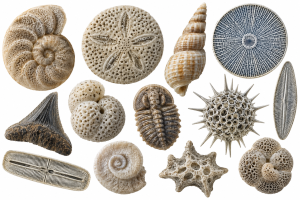
Common microfossils include foraminifera, radiolarians, diatoms, ostracods, conodont elements, and microscopic algae. In addition, fossil pollen and spores help scientists study ancient plants and changing climates. Some microfossils preserve mineral shells or skeletons, while others contain organic material that can survive within sedimentary rocks for millions of years.
Microfossil Fossils For Sale
Why Microfossils Are Important to Science
Importantly, microfossils occur throughout much of the geological record. Some of the oldest evidence for life on Earth comes from microscopic structures preserved in ancient rocks. Later, marine microfossils became especially abundant. Therefore, their rapid evolution and wide distribution make many species useful for dating and correlating rock layers.
Microfossils and Ancient Environments
Moreover, geologists use microfossils to reconstruct prehistoric environments. Certain species lived only within specific water temperatures, depths, or chemical conditions. As a result, changes in fossil communities can reveal major shifts in ancient oceans and climate.
Collecting Microfossils Fossils For Sale
Additionally, microfossils have practical and educational value. Petroleum geologists have long studied them to determine the relative ages and depositional environments of sedimentary rocks. Collectors can also examine these tiny fossils under magnification and discover delicate shells, chambers, spines, and other structures.
Finally, Microfossils Fossils For Sale offer a fascinating way to explore prehistoric life on a microscopic scale. These tiny specimens demonstrate that some of paleontology’s most important evidence can come from the smallest remains of ancient organisms.
Showing 51–100 of 104 resultsSorted by price: high to low
-
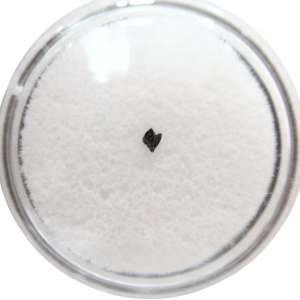
Cimolestes Mammal Insectivore Fossil for Sale #6
$20.00 -
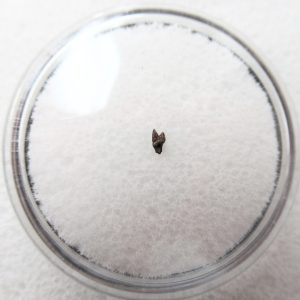
Cimolestes Mammal Insectivore Fossil for Sale #5
$20.00 -
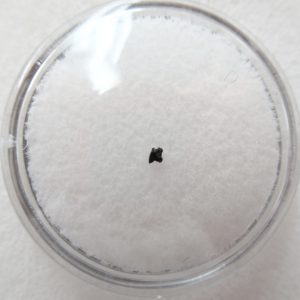
Cimolestes Mammal Insectivore Fossil for Sale #4
$20.00 -
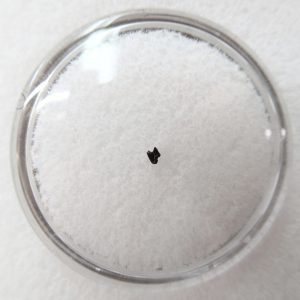
Cimolestes Mammal Insectivore Fossil for Sale #3
$20.00 -
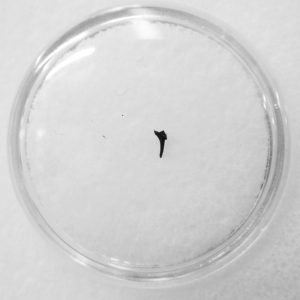
Cimolestes Mammal Insectivore Fossil for Sale #2
$20.00 -
Sold out!
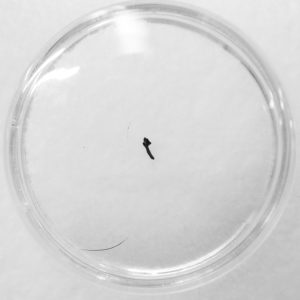
Cimolestes Mammal Insectivore Fossil for Sale #1
$20.00 -
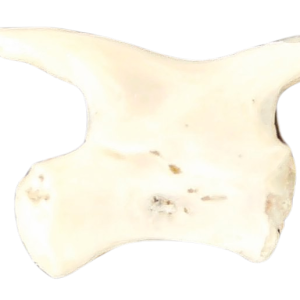
Abyssomedon williamsi Parareptile Fossil for Sale from Oklahoma #6
$15.00 -
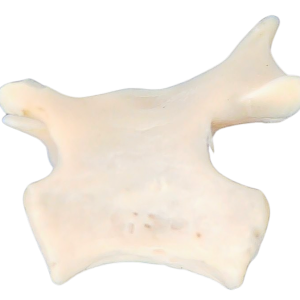
Abyssomedon williamsi Parareptile Fossil for Sale from Oklahoma #5
$15.00 -
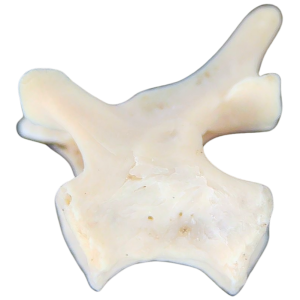
Abyssomedon williamsi Parareptile Fossil for Sale from Oklahoma #4
$15.00 -
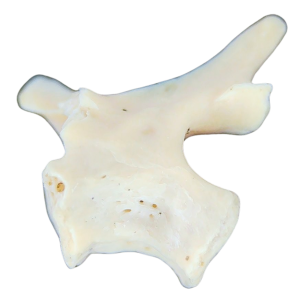
Abyssomedon williamsi Parareptile Fossil for Sale from Oklahoma #3
$15.00 -
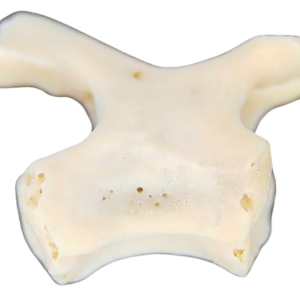
Abyssomedon williamsi Parareptile Fossil for Sale from Oklahoma #2
$15.00 -
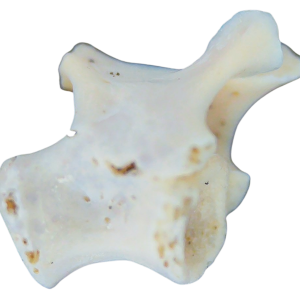
Abyssomedon williamsi Parareptile Fossil for Sale from Oklahoma #1
$15.00 -
Sold out!

Galeorhinus Shark Tooth #3
$12.50 -

Galeorhinus Shark Tooth #2
$12.50 -
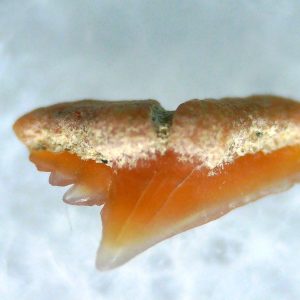
Galeorhinus Extinct Shark Tooth Fossil for Sale 45
$10.00 -
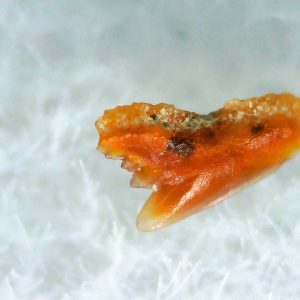
Galeorhinus Extinct Shark Tooth Fossil for Sale 43
$10.00 -
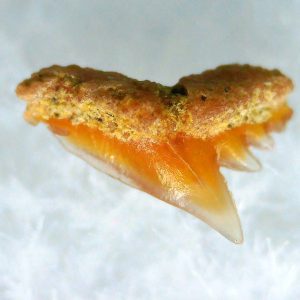
Galeorhinus Extinct Shark Tooth Fossil for Sale 44
$10.00 -
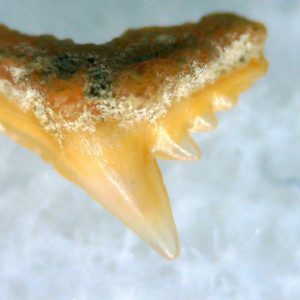
Galeorhinus Extinct Shark Tooth Fossil for Sale 42
$10.00 -
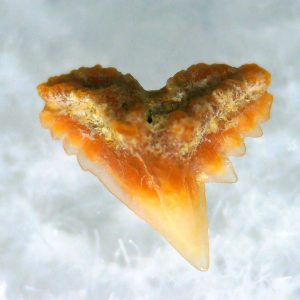
Galeorhinus Extinct Shark Tooth Fossil for Sale 40
$10.00 -
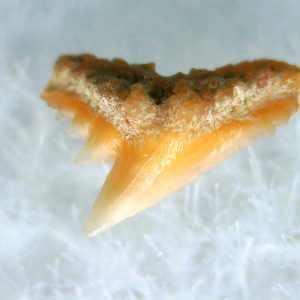
Galeorhinus Extinct Shark Tooth Fossil for Sale 41
$10.00 -
Sold out!
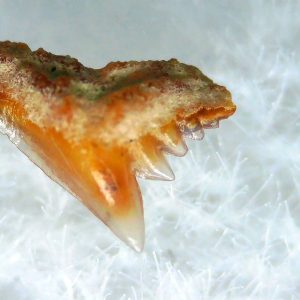
Galeorhinus Extinct Shark Tooth Fossil for Sale 39
$10.00 -
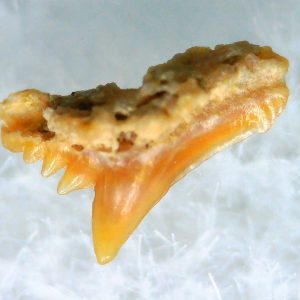
Galeorhinus Extinct Shark Tooth Fossil for Sale 38
$10.00 -
Sold out!
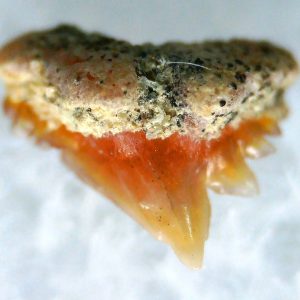
Galeorhinus Extinct Shark Tooth Fossil for Sale 36
$10.00 -
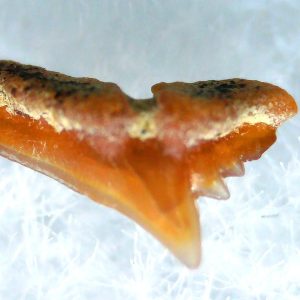
Galeorhinus Extinct Shark Tooth Fossil for Sale 37
$10.00 -
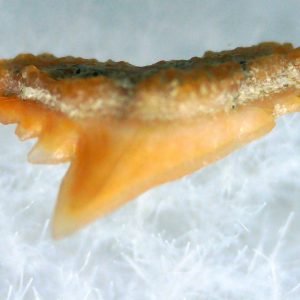
Galeorhinus Extinct Shark Tooth Fossil for Sale 35
$10.00 -
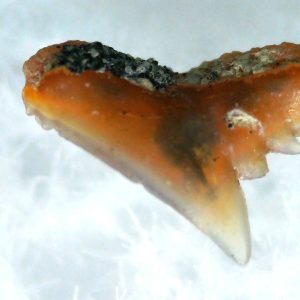
Galeorhinus Extinct Shark Tooth Fossil for Sale 34
$10.00 -
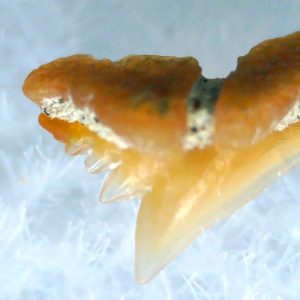
Galeorhinus Extinct Shark Tooth Fossil for Sale 33
$10.00 -
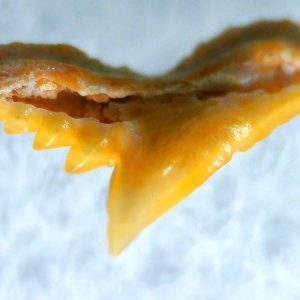
Galeorhinus Extinct Shark Tooth Fossil for Sale 31
$10.00 -
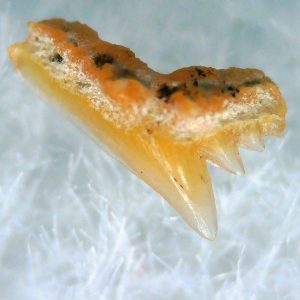
Galeorhinus Extinct Shark Tooth Fossil for Sale 32
$10.00 -
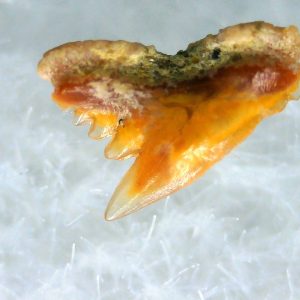
Galeorhinus Extinct Shark Tooth Fossil for Sale 30
$10.00 -
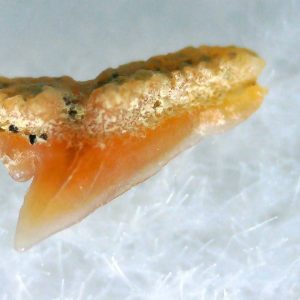
Galeorhinus Extinct Shark Tooth Fossil for Sale 29
$10.00 -
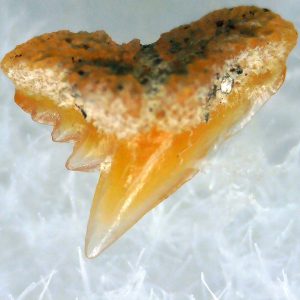
Galeorhinus Extinct Shark Tooth Fossil for Sale 27
$10.00 -
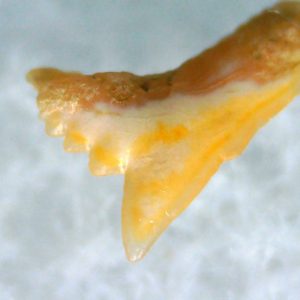
Galeorhinus Extinct Shark Tooth Fossil for Sale 28
$10.00 -
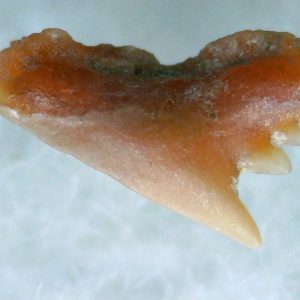
Galeorhinus Extinct Shark Tooth Fossil for Sale 26
$10.00 -

Galeorhinus Shark Tooth #25
$10.00 -

Galeorhinus Shark Tooth #24
$10.00 -

Galeorhinus Shark Tooth #23
$10.00 -

Galeorhinus Shark Tooth #22
$10.00 -

Galeorhinus Shark Tooth #21
$10.00 -

Galeorhinus Shark Tooth #20
$10.00 -

Galeorhinus Shark Tooth #19
$10.00 -
Sold out!

Galeorhinus Shark Tooth #18
$10.00 -

Galeorhinus Shark Tooth #17
$10.00 -

Galeorhinus Shark Tooth #16
$10.00 -

Galeorhinus Shark Tooth #15
$10.00 -

Galeorhinus Shark Tooth #14
$10.00 -

Galeorhinus Shark Tooth #13
$10.00 -

Galeorhinus Shark Tooth #12
$10.00 -

Galeorhinus Shark Tooth #11
$10.00 -
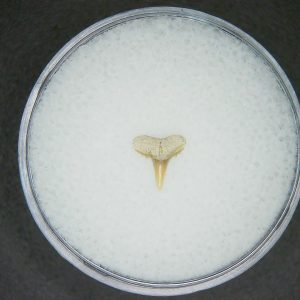
Carcharhinus macloti Extinct Shark Tooth Fossil for Sale #18
$5.00
- Buy Fossils
- Fossils for Sale
- Large Selection
- Great Prices and Great Selection
- Authenticity Guaranteed
- Satisfaction Guaranteed
- Your TRUSTED SOURCE for over 25 years!
- Many more videos are available on our YouTube Channel.
Microfossil Fossils For Sale: Tiny Fossils and the Hidden Record of Ancient Life
Microfossil Fossils For Sale give collectors, educators, and students a fascinating way to study some of the smallest evidence of ancient life. Microfossils help scientists reconstruct prehistoric environments, track evolution, date rock layers, and investigate major changes in Earth’s climate.
Although these fossils are tiny, their scientific importance is enormous. Microfossils occur throughout much of the geological record and provide detailed evidence about ancient oceans, terrestrial ecosystems, climate shifts, and extinction events.
What Are Microfossils?
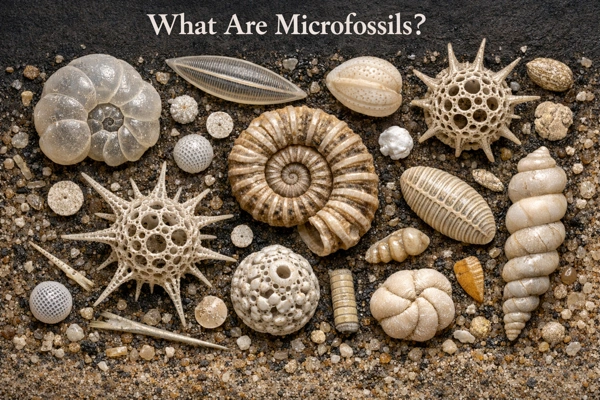
Microfossils are fossilized remains or traces of organisms that normally require magnification for detailed study. Many measure less than 1 millimeter across. However, the term can also include very small fragments of larger organisms that paleontologists study under a microscope.
These tiny fossils include microscopic organisms, pollen grains, spores, shells, teeth, and skeletal remains. Because many species evolved rapidly and lived across wide geographic areas, microfossils have become valuable tools in paleontology, geology, and climate research.
Microfossil Fossils For Sale
At Prehistoric Fossils, 101 Veterans Blvd., Branson, Missouri, we have helped collectors, educators, students, and fossil enthusiasts learn about genuine fossils since 1997. Our experience with fossil specimens allows us to explain how microfossils fit into the larger fossil record and why they remain important to scientific study.
Types of Microfossils
Scientists commonly group microfossils according to their composition, biological origin, or method of study. Two broad categories include body microfossils and organic-walled microfossils.
Body Microfossils
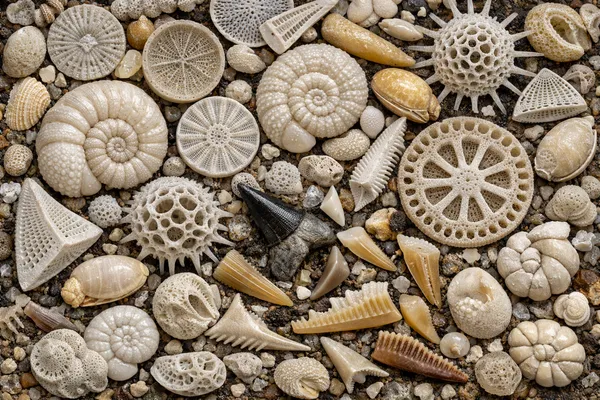
Body microfossils preserve actual hard parts or skeletal remains of small organisms. In addition, tiny pieces of larger animals may also occur within microfossil samples.
Common examples include:
- Foraminifera fossils – mostly marine single-celled organisms that often produce calcium carbonate tests or shells
- Diatom fossils – microscopic algae with silica-based cell walls
- Radiolarians – planktonic microorganisms that commonly produce intricate silica skeletons
- Ostracods – small crustaceans with paired shells
- Microscopic teeth and tooth fragments
- Conodont elements – tiny tooth-like structures produced by extinct marine vertebrates
Because many microfossil species changed rapidly through geological time, paleontologists frequently use them to correlate and date sedimentary rocks.
Palynomorphs and Organic Microfossils
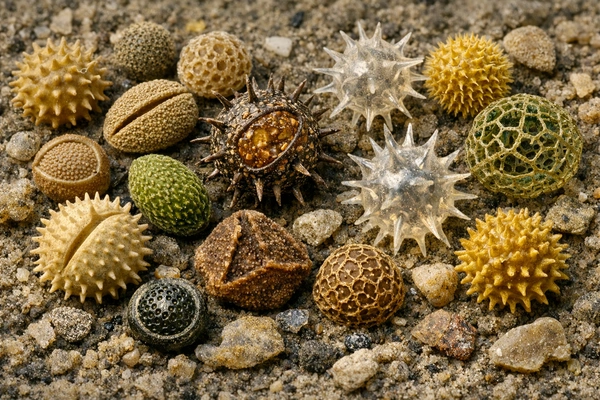 Palynomorphs are microscopic organic remains that usually have resistant outer walls. Scientists study them through the field of palynology.
Important examples include:
- Fossil pollen
- Plant spores
- Dinoflagellate cysts
- Acritarchs
These fossils are especially useful for reconstructing ancient vegetation, environments, and climate conditions. For example, changes in fossil pollen can help reveal shifts between forests, grasslands, wetlands, and other ecosystems.
Why Are Microfossils Scientifically Important?
Microfossils may be small, but they provide some of the most detailed geological records available. Scientists use them in biostratigraphy, paleoclimate research, evolutionary studies, and environmental reconstruction.
Biostratigraphy and Geological Age Dating
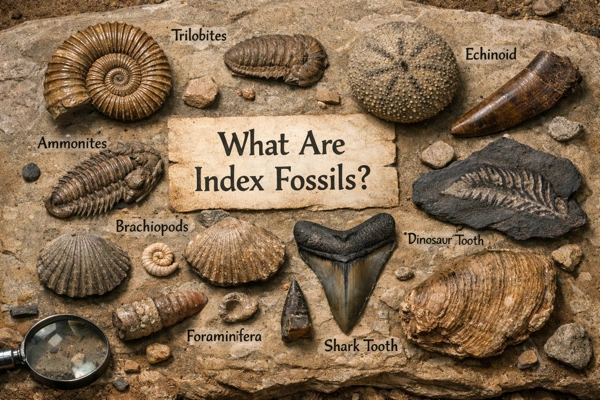 Certain microfossils evolved rapidly, existed for limited spans of geological time, and spread across large geographic regions. Therefore, they can make excellent index fossils.
Geologists use index fossils to determine the relative age of sedimentary rock layers and correlate formations between different locations.
For example:
- Specific foraminifera species help identify intervals within the Cretaceous and Paleogene periods.
- Conodont elements have long played an important role in dating Paleozoic marine rocks.
As a result, microfossils can provide remarkably precise information about the age and relationship of sedimentary deposits.
Microfossils and Paleoclimate Reconstruction
Microfossils also provide valuable evidence about Earth’s past climates. Scientists can analyze their chemistry, distribution, abundance, and species composition to reconstruct ancient environmental conditions.
For example, oxygen isotope ratios preserved in foraminifera shells can help researchers investigate:
- Ancient ocean temperatures
- Changes in global ice volume
- Glacial and interglacial cycles
Likewise, fossil pollen and diatoms can provide evidence about:
- Past rainfall patterns
- Vegetation changes
- Drought conditions
- Changes in lakes and marine environments
- Long-term climate trends
Because microfossils occur abundantly in sediment cores, they allow scientists to ex