
Fossil Trilobites for Sale
Fossil Trilobites for Sale – Trilobites are extinct marine arthropods that form the class Trilobita. Trilobites form one of the earliest-known groups of arthropods.
Trilobites first appear in the Early Cambrian period (521 million years ago). They flourished until the Devonian Period when all orders of trilobites died out with the exception of the Proetid trilobites that continued on until their demise in the Permian Extinction 252 million years ago.
With over 20,000 species, trilobites were among the most prolific and successful of all early animals existing in the oceans for 270 million years. We have a large selection of Trilobite Fossils for Sale from the United States, Germany, Morocco and Russia.
Showing 1–50 of 236 results
-
Sold out!

Pseudogygites Canadian Trilobite #1
$145.00 -
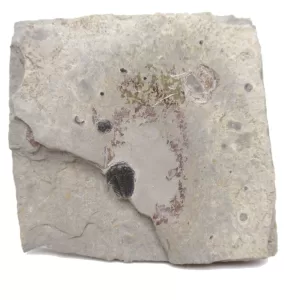
Bolaspidella Utah Trilobite #2
$20.00 -
Sold out!
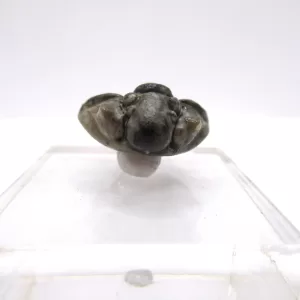
Calymene breviceps Trilobite #2
$30.00 -
Sold out!
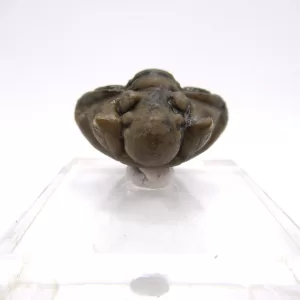
Calymene breviceps Trilobite #4
$75.00 -
Sold out!

Calymene breviceps Trilobite #5
$125.00 -
Sold out!
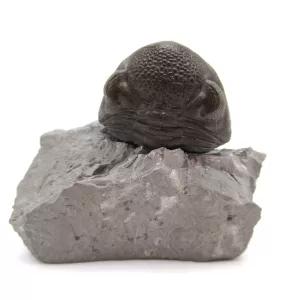
Eldredgeops rana crassituberculata #1
$150.00 -
Sold out!
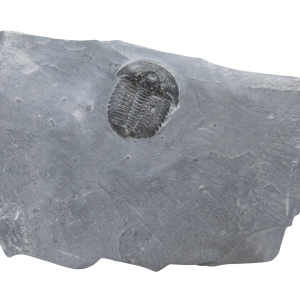
Elrathia kingii Trilobite – Utah #132
$30.00 -
Sold out!

Elrathia kingii Trilobite – Utah #133
$45.00 -
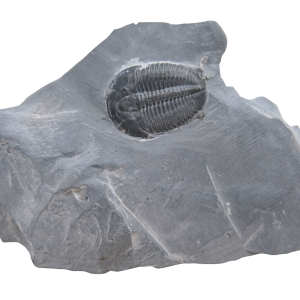
Elrathia kingii Trilobite – Utah #134
$45.00 -
Sold out!
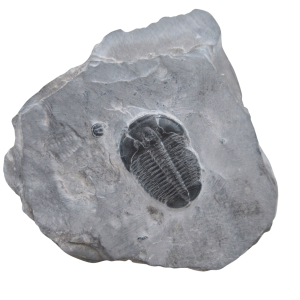
Elrathia kingii Trilobite – Utah #135
$45.00 -
Sold out!
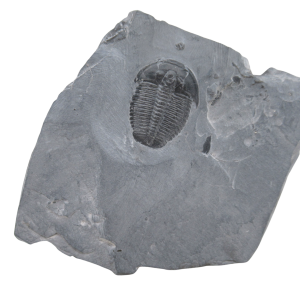
Elrathia kingii Trilobite – Utah #136
$45.00 -
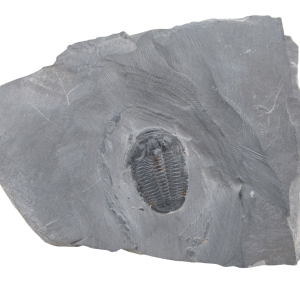
Elrathia kingii Trilobite – Utah #137
$45.00 -
Sold out!
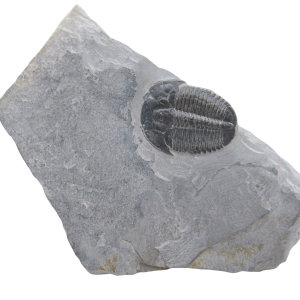
Elrathia kingii Trilobite – Utah #138
$45.00 -
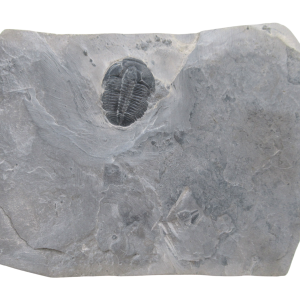
Elrathia kingii Trilobite – Utah #139
$45.00 -
Sold out!
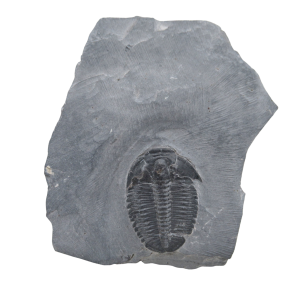
Elrathia kingii Trilobite – Utah #140
$45.00 -
Sold out!
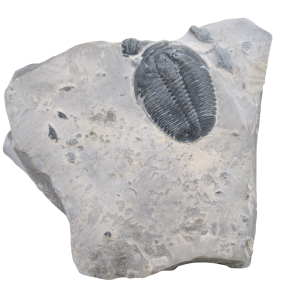
Elrathia kingii Trilobite – Utah #141
$45.00 -
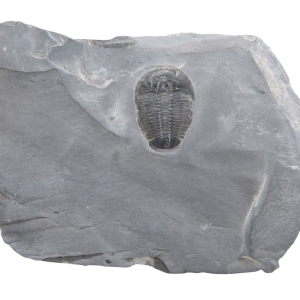
Elrathia kingii Trilobite – Utah #142
$45.00 -
Sold out!
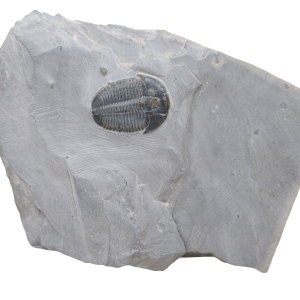
Elrathia kingii Trilobite – Utah #143
$45.00 -
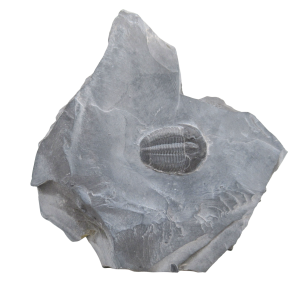
Elrathia kingii Trilobite – Utah #144
$45.00 -
Elrathia kingii Trilobite – Utah #145
$45.00 -
Sold out!
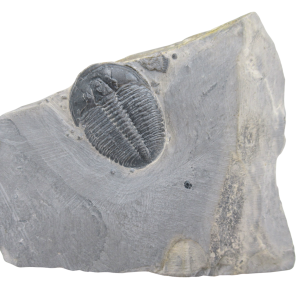
Elrathia kingii Trilobite – Utah #146
$45.00 -
Sold out!
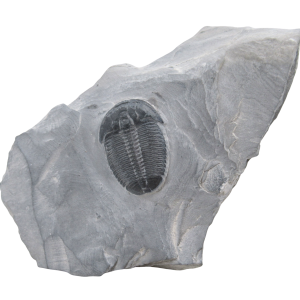
Elrathia kingii Trilobite – Utah #147
$45.00 -
Sold out!
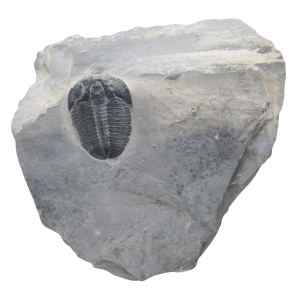
Elrathia kingii Trilobite – Utah #148
$45.00 -
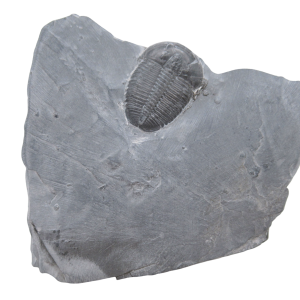
Elrathia kingii Trilobite – Utah #149
$45.00 -
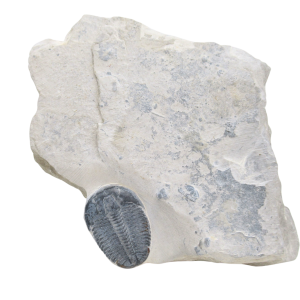
Elrathia kingii Trilobite – Utah #150
$45.00 -
Sold out!
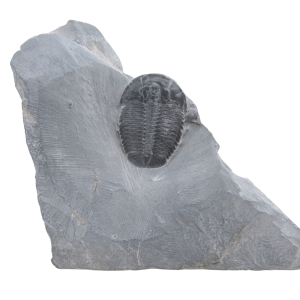
Elrathia kingii Trilobite – Utah #151
$45.00 -
Sold out!
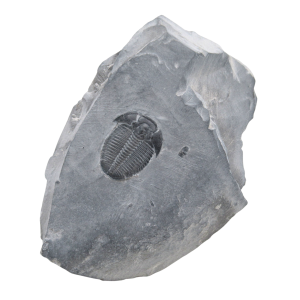
Elrathia kingii Trilobite – Utah #152
$45.00 -
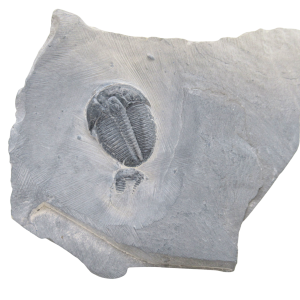
Elrathia kingii Trilobite – Utah #153
$45.00 -
Sold out!

Elrathia kingii Trilobite – Utah #154
$45.00 -
Sold out!
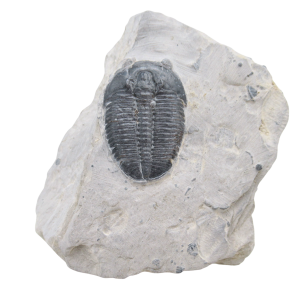
Elrathia kingii Trilobite – Utah #155
$45.00 -
Sold out!
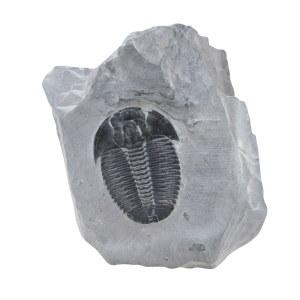
Elrathia kingii Trilobite – Utah #156
$45.00 -
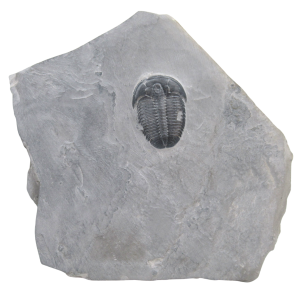
Elrathia kingii Trilobite – Utah #157
$45.00 -
Sold out!

Elrathia kingii Trilobite – Utah #91
$20.00 -

Flexicalymene Trilobite #16
$15.00 -
Sold out!

Flexicalymene Trilobite #17
$25.00 -
Sold out!
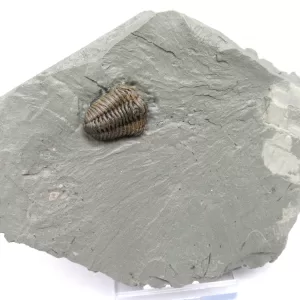
Flexicalymene Trilobite for Sale #21
$35.00 -
Sold out!
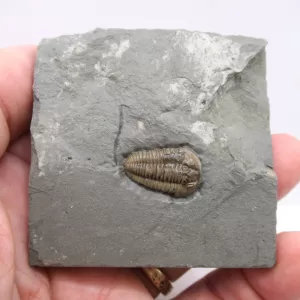
Flexicalymene Trilobite for Sale #22
$35.00 -
Sold out!
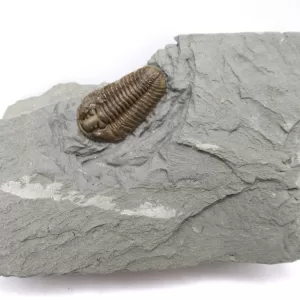
Flexicalymene Trilobite for Sale #23
$35.00 -
Sold out!
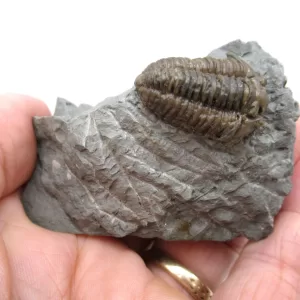
Flexicalymene Trilobite for Sale #24
$35.00 -
Sold out!
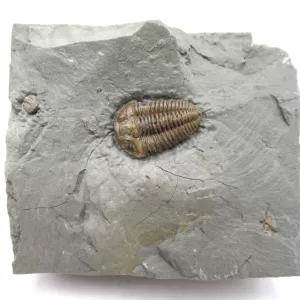
Flexicalymene Trilobite for Sale #25
$35.00 -
Sold out!
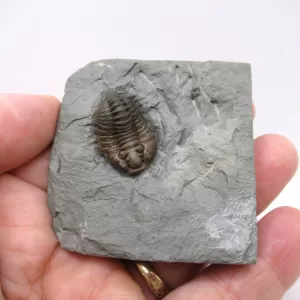
Flexicalymene Trilobite for Sale #26
$35.00 -
Sold out!
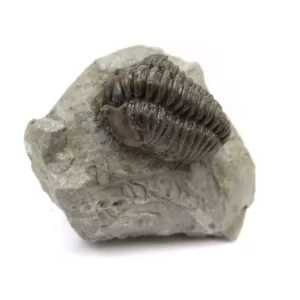
Flexicalymene Trilobite for Sale #27
$35.00 -
Sold out!
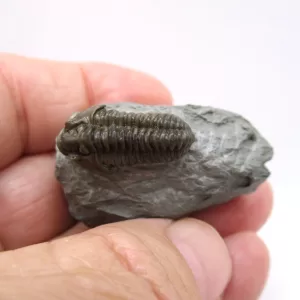
Flexicalymene Trilobite for Sale #28
$35.00 -
Sold out!
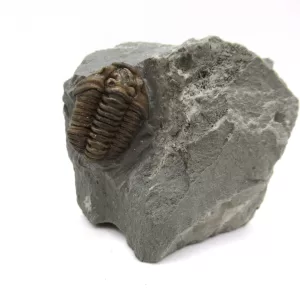
Flexicalymene Trilobite for Sale #29
$35.00 -
Sold out!
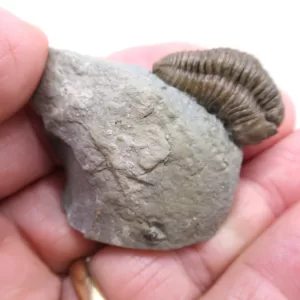
Flexicalymene Trilobite for Sale #30
$35.00 -
Sold out!
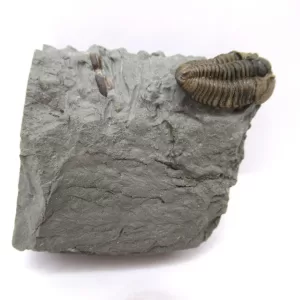
Flexicalymene Trilobite for Sale #31
$35.00 -
Sold out!
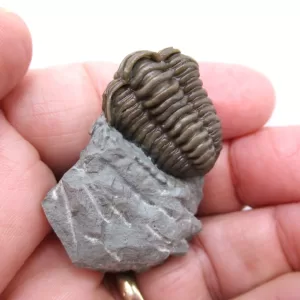
Flexicalymene Trilobite for Sale #32
$35.00 -
Sold out!
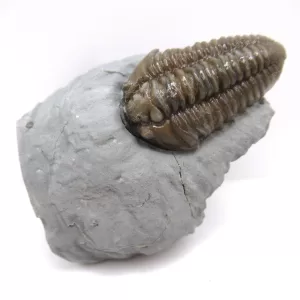
Flexicalymene Trilobite for Sale #33
$35.00 -
Sold out!
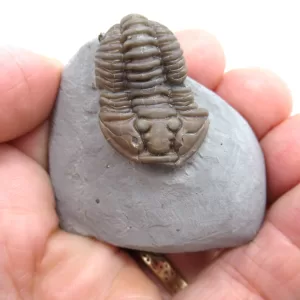
Flexicalymene Trilobite for Sale #34
$35.00 -
Sold out!
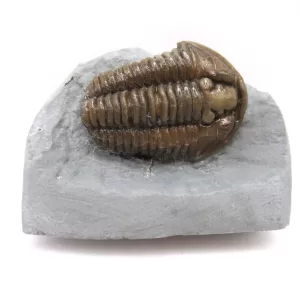
Flexicalymene Trilobite for Sale #35
$45.00
- Buy Fossils
- Fossils for Sale
- Large Selection
- Great Prices and Great Selection
- Authenticity Guaranteed
- Satisfaction Guaranteed
- Your TRUSTED SOURCE SINCE 1997!
- Many more videos are available on our YouTube Channel.
Trilobite Fossils: Scientific Insights into One of Earth’s Most Iconic Extinct Arthropods
Trilobites are among the most recognizable and scientifically significant fossil organisms in the paleontological record. Extinct marine arthropods that thrived for over 270 million years, trilobites provide critical insights into early animal evolution, paleoecology, and mass extinction dynamics.
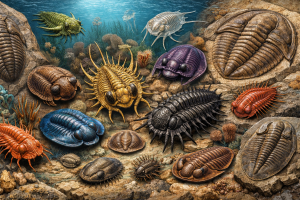
What Are Trilobites?
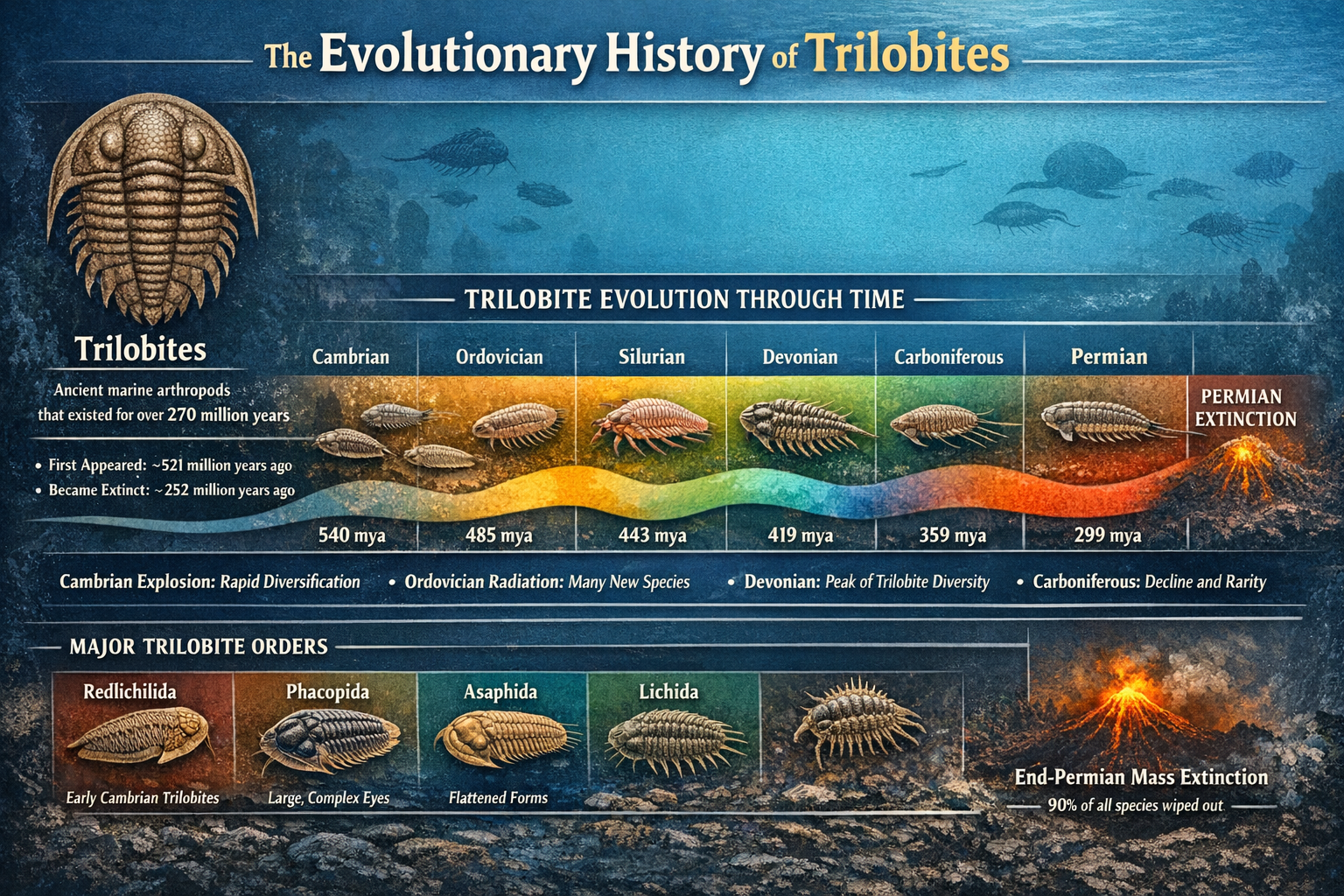
Trilobites are an extinct class of marine arthropods (Class Trilobita) that first appeared in the Early Cambrian Period (~521 million years ago) and became extinct during the end-Permian mass extinction (~252 million years ago).
Key Characteristics
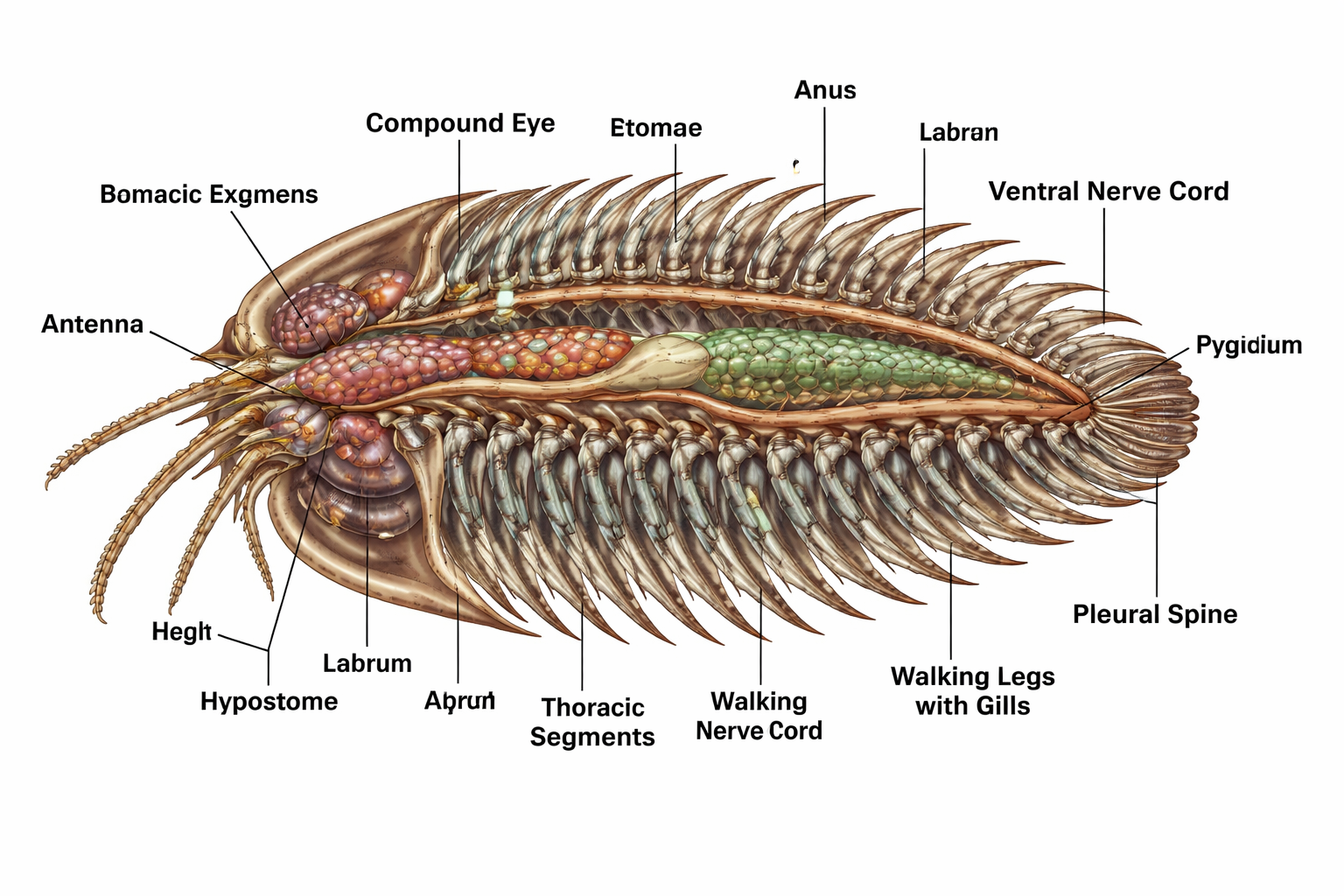
- Three-lobed body plan (axial lobe + two pleural lobes)
- Segmented exoskeleton composed of calcite and chitin
- Compound eyes (among the earliest known in animals)
- Molting behavior similar to modern arthropods
Their name derives from the Latin trilobus, meaning “three lobes,” a defining anatomical feature visible in most fossil specimens.
Trilobite Fossil Morphology and Anatomy
Trilobite bodies are divided into three main tagmata:
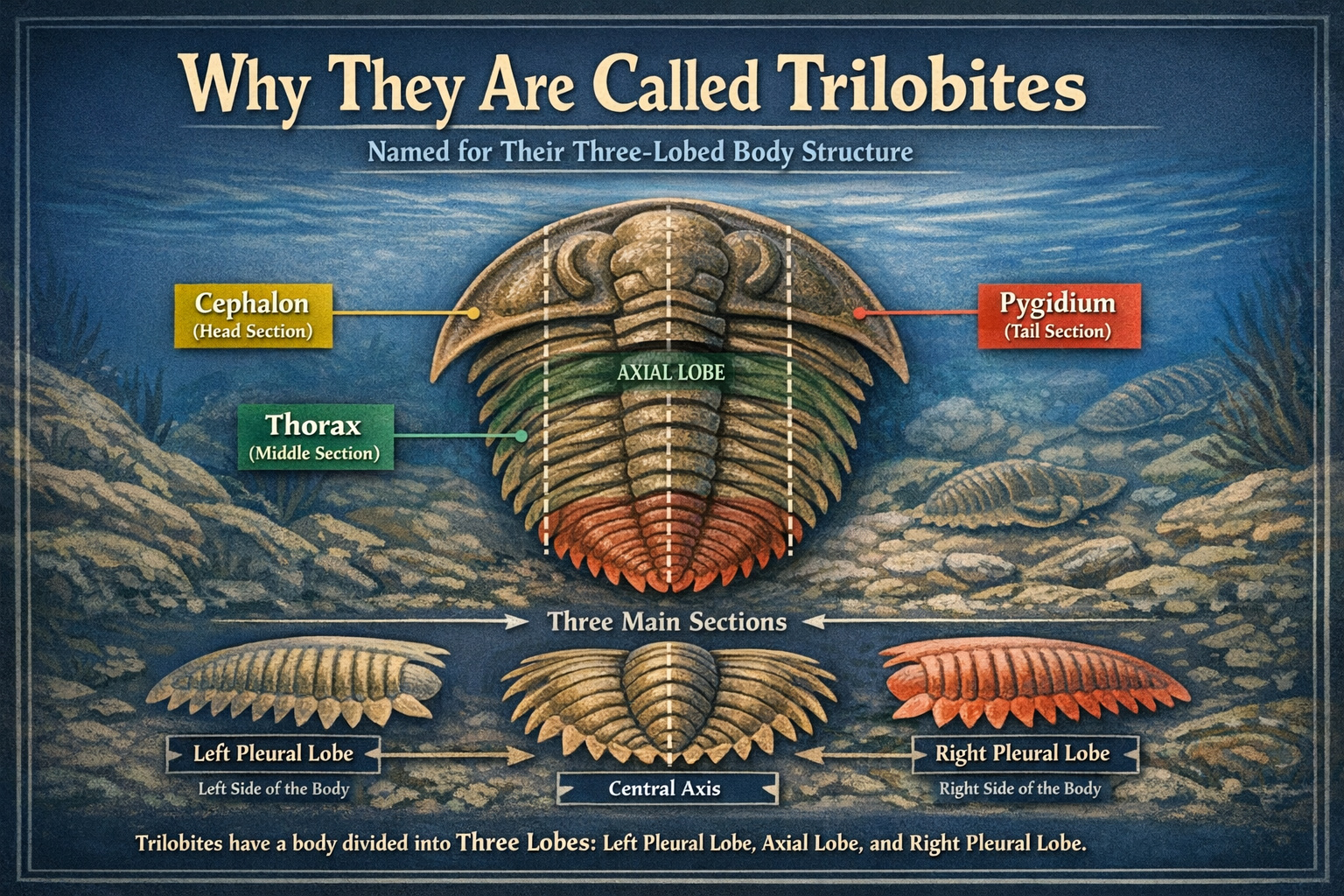
- Cephalon (Head)
- Contains compound eyes
- Glabella (central raised area) housed digestive organs
- Facial sutures allowed molting
- Thorax
- Composed of articulated segments
- Enabled enrollment as a defense mechanism
- Pygidium (Tail)
- Fused segments
- Size varies significantly among species
Scientific significance: Trilobite eyes preserve calcite lenses, allowing rare optical studies of fossilized vision systems.
Trilobite Classification and Diversity
More than 20,000 trilobite species have been formally described, grouped into multiple orders, including:
- Redlichiida – early Cambrian trilobites
- Phacopida – known for large, complex eyes
- Asaphida – often large and smooth-bodied
- Proetida – among the last surviving trilobites
This diversity reflects extensive evolutionary experimentation in early marine ecosystems.
Evolutionary History of Trilobites
Cambrian Explosion
Trilobites rapidly diversified during the Cambrian Explosion, becoming dominant benthic organisms in shallow seas.
Paleozoic Adaptations
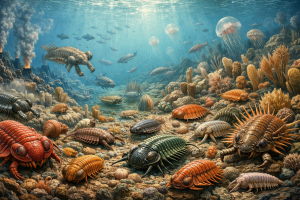
Over time, trilobites evolved:
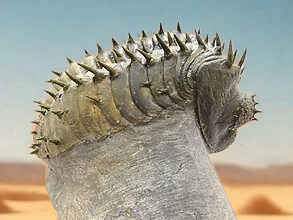
- Spines for predator deterrence
- Streamlined bodies for burrowing
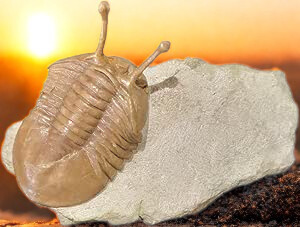
- Varied eye placement for different light environments
Extinction
Trilobite diversity declined after the Devonian and ultimately disappeared during the Permian–Triassic extinction event, the largest mass extinction in Earth’s history.
Paleoecology and Behavior
Evidence from fossil assemblages suggests trilobites occupied multiple ecological niches:
- Benthic scavengers
- Filter feeders
- Predators
- Burrowers
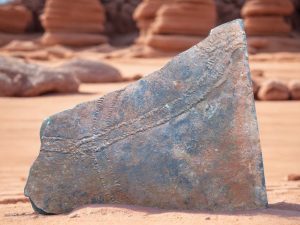
Trace fossils (e.g., Cruziana) provide direct evidence of trilobite movement and feeding behavior.
Why Trilobite Fossils Matter Scientifically
Trilobites are considered index fossils, meaning they are used to:
- Date rock layers (biostratigraphy)
- Reconstruct ancient marine environments
- Study early arthropod evolution
Because they molted frequently, trilobites are often preserved in large numbers, offering statistically robust fossil datasets.
Notable Trilobite Fossil Locations
Some of the world’s most important trilobite fossil sites include:
- Burgess Shale (Canada) – exceptional soft-tissue preservation
- Morocco (Anti-Atlas Mountains) – highly diverse and collectible species
- Utah & Nevada (USA) – Cambrian trilobite beds
- Wales & Bohemia (Europe) – classic Ordovician–Devonian specimens
Conclusion
Trilobite fossils represent one of the most complete and informative records of early complex life on Earth. Their anatomical diversity, ecological range, and long evolutionary history make them indispensable to paleontological research. Whether studied academically or displayed in collections, trilobites continue to shape our understanding of evolution, extinction, and ancient marine ecosystems.
Buy Fossils from Prehistoric Fossils with Confidence. Your TRUSTED SOURCE since 1997. Authenticity Guaranteed.