
Fossil Insects for Sale
Insects appear in the fossil record during the Ordovician Period approx. 480 million years ago.
It is theorized that insects may have evolved from a group of crustaceans.
They appeared around the same time that terrestrial plants appeared. Fossil Insects are often found in limestone formations that are laminated or layered.
They are also found in fossilized tree sap called Amber.
Insects in Amber are typically perfectly preserved the same as when they became trapped in the sticky tree sap millions of years ago.
We have a huge selection of fossil insects and insects in amber for sale from all over the world and geological time periods.
Buy Fossils from Prehistoric Fossils. Buy with confidence, Authenticity Guaranteed.
Showing 1–50 of 389 results
-

Fossil Insect – Green River fm. Utah #11
$12.00 -

Fossil Insect – Green River fm. Utah #12
$12.00 -

Fossil Insect – Green River fm. Utah #13
$12.00 -

Fossil Insect – Green River fm. Utah #14
$12.00 -

Fossil Insect – Green River fm. Utah #15
$12.00 -

Fossil Insect – Green River fm. Utah #16
$12.00 -

Fossil Insect – Green River fm. Utah #17
$12.00 -

Fossil Insect – Green River fm. Utah #18
$12.00 -

Fossil Insect – Green River fm. Utah #19
$12.00 -

Fossil Insect – Green River fm. Utah #2
$12.00 -

Fossil Insect – Green River fm. Utah #20
$12.00 -

Fossil Insect – Green River fm. Utah #21
$12.00 -

Fossil Insect – Green River fm. Utah #23
$12.00 -

Fossil Insect – Green River fm. Utah #24
$12.00 -

Fossil Insect – Green River fm. Utah #25
$12.00 -

Fossil Insect – Green River fm. Utah #26
$12.00 -

Fossil Insect – Green River fm. Utah #28
$12.00 -

Fossil Insect – Green River fm. Utah #29
$12.00 -
Sold out!

Fossil Insect – Green River fm. Utah #3
$12.00 -

Fossil Insect – Green River fm. Utah #30
$12.00 -

Fossil Insect – Green River fm. Utah #31
$12.00 -

Fossil Insect – Green River fm. Utah #34
$12.00 -

Fossil Insect – Green River fm. Utah #35
$12.00 -

Fossil Insect – Green River fm. Utah #37
$12.00 -

Fossil Insect – Green River fm. Utah #38
$12.00 -

Fossil Insect – Green River fm. Utah #4
$12.00 -

Fossil Insect – Green River fm. Utah #40
$12.00 -

Fossil Insect – Green River fm. Utah #42
$12.00 -

Fossil Insect – Green River fm. Utah #46
$12.00 -

Fossil Insect – Green River fm. Utah #5
$12.00 -

Fossil Insect – Green River fm. Utah #6
$12.00 -

Fossil Insect – Green River fm. Utah #9
$12.00 -
Sold out!
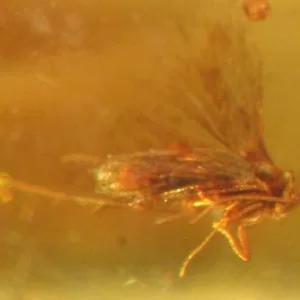
Amber with Insects for Sale #103
$30.00 -
Sold out!
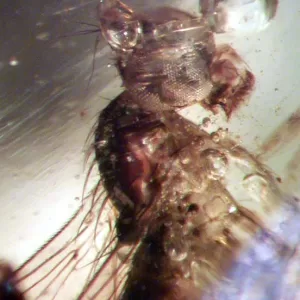
Amber with Insects for Sale #105
$30.00 -
Sold out!
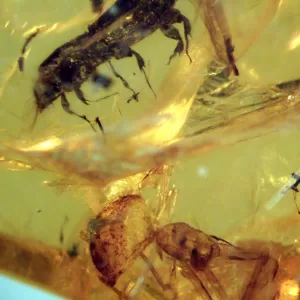
Amber with Insects for Sale #11
$30.00 -
Sold out!
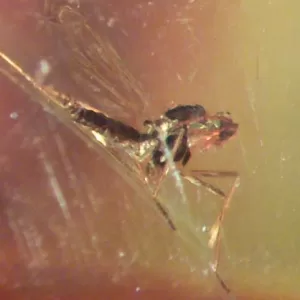
Amber with Insects for Sale #12
$30.00 -
Sold out!
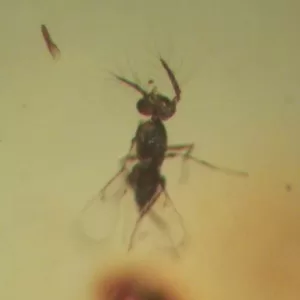
Amber with Insects for Sale #120
$30.00 -
Sold out!
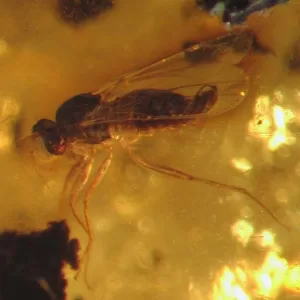
Amber with Insects for Sale #123
$30.00 -
Sold out!
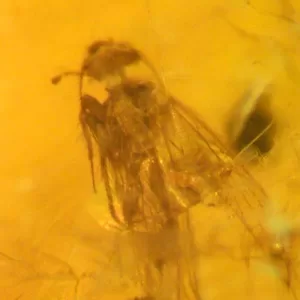
Amber with Insects for Sale #124
$30.00 -
Sold out!
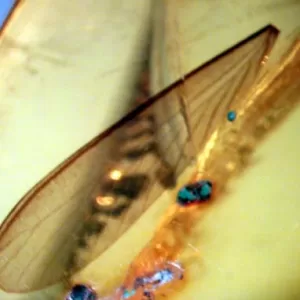
Amber with Insects for Sale #125
$30.00 -
Sold out!
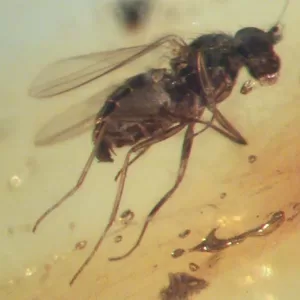
Amber with Insects for Sale #126
$30.00 -
Sold out!
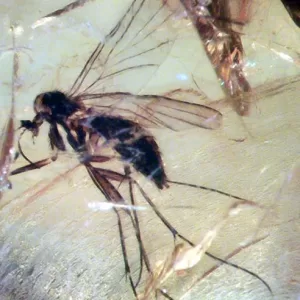
Amber with Insects for Sale #127
$30.00 -
Sold out!
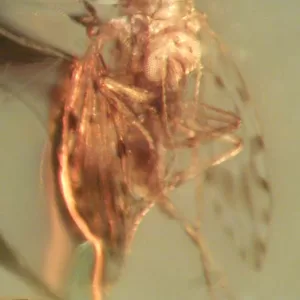
Amber with Insects for Sale #128
$30.00 -
Sold out!
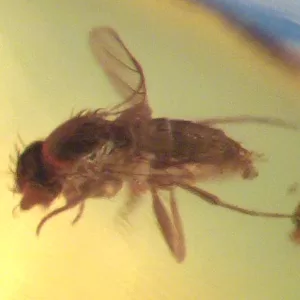
Amber with Insects for Sale #129
$30.00 -
Sold out!
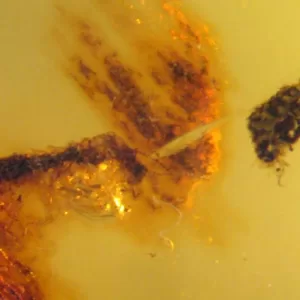
Amber with Insects for Sale #13
$30.00 -
Sold out!
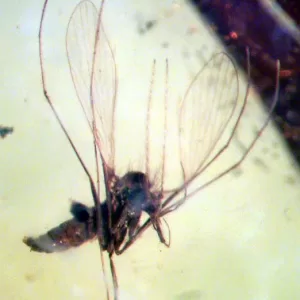
Amber with Insects for Sale #130
$30.00 -
Sold out!
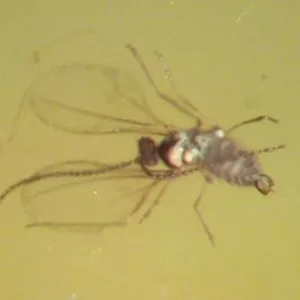
Amber with Insects for Sale #131
$30.00 -
Sold out!
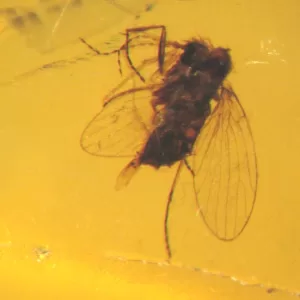
Amber with Insects for Sale #133
$30.00 -
Sold out!
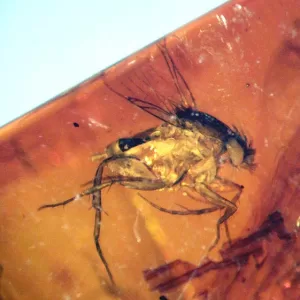
Amber with Insects for Sale #134
$30.00 -
Sold out!
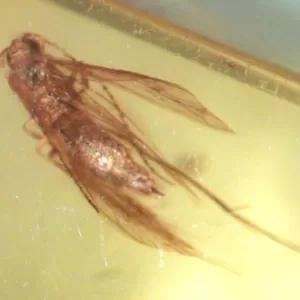
Amber with Insects for Sale #135
$30.00
- Buy Fossils
- Fossils for Sale
- Large Selection
- Great Prices and Great Selection
- Authenticity Guaranteed
- Satisfaction Guaranteed
- Your TRUSTED SOURCE for over 25 years!
- Many more videos are available on our YouTube Channel.
Fossil Insects: Windows Into Ancient Ecosystems
Abstract
Fossil insects preserve some of the most detailed biological information available in the paleontological record. From exquisitely trapped specimens in amber to compression fossils in sedimentary rocks, these remains allow scientists to reconstruct ancient ecosystems, climate shifts, evolutionary innovations, and biogeographic patterns stretching back over 400 million years
- Introduction
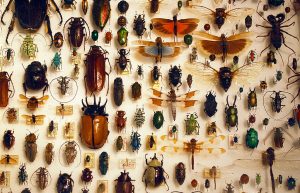
Insects represent more than 75% of all living animal species, and their fossil record provides essential evidence for understanding how terrestrial ecosystems developed. Their small size, chitinous exoskeletons, and abundance mean they fossilize more frequently than many other terrestrial organisms. As a result, fossil insects serve as bioindicators of past climates, habitats, and ecological interactions.
- How Insects Fossilize
Fossil insects are preserved through several key processes:
2.1 Amber Preservation

- Formed when tree resin traps insects and hardens over millions of years.
- Produces three-dimensional, highly detailed specimens—sometimes with preserved DNA fragments, soft tissues, pollen, parasites, or gut contents.
- Common sources: Baltic amber, Dominican amber, Burmese amber (mid-Cretaceous).
2.2 Compression Fossils
- Occur in sedimentary rock layers where insects are flattened, leaving carbon films or impressions.
- Offer morphological outlines but fewer internal details.
- Abundant in Lagerstätten such as the Yixian Formation and Florissant Fossil Beds.
2.3 Permineralization
- Mineral-rich water infiltrates the insect’s tissues, replacing organic structures at the microscopic level.
- Rare for insects but provides exceptional structural detail.
- Evolutionary Timeline of Fossil Insects
3.1 Devonian Origins (≈ 400 Ma)
- Earliest known insects appear, likely wingless, terrestrial, and simple in morphology.
3.2 Carboniferous Insect Explosion (≈ 360–299 Ma)
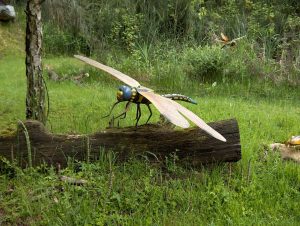
- Rise of giant insects such as Meganeura, with wingspans over 70 cm.
- High atmospheric oxygen levels contributed to gigantism.
3.3 Permian to Mesozoic Innovations
- Origin of complete metamorphosis (holometaboly).
- First appearance of many modern groups: beetles, true bugs, flies, and wasps.
3.4 Cretaceous Radiation (≈ 145–66 Ma)
- Coevolution with flowering plants triggers massive diversification among pollinating insects.
- Amber from this era contains incredibly detailed ecosystems.
3.5 Cenozoic Cooling and Modernization
- Climate change reshapes insect distributions.
- Evidence for modern ecological roles (detritivores, predators, pollinators).
- Landmark Fossil Discoveries
4.1 Burmese Amber (≈ 99 Ma)
- Provides thousands of species, including early ants, parasitoid wasps, feathers, spiders, and even tiny crustaceans.
4.2 Meganeura (Carboniferous)
- One of the largest insects ever discovered, an apex aerial predator.
4.3 Florissant Fossil Beds (Colorado, USA)

- A late Eocene site preserving thousands of delicate insect species in volcanic ash layers.
4.4 Yixian Formation (China)
- Famous for feathered dinosaurs, but also hosts beautifully preserved Cretaceous insects.
- Why Fossil Insects Matter for Science
5.1 Climate Reconstruction
Insect fossils help reconstruct:
- Temperature gradients
- Atmospheric oxygen levels
- Humidity and precipitation patterns
- Ancient plant communities
Example: Leaf-mining insect fossils track plant–insect interactions over geological time.
5.2 Evolution of Pollination
Amber fossils reveal early bees, moths, and pollen-carrying beetles, documenting the rise of flowering plants.

Predation, parasitism, and social behaviors are evident in amber fossils through:
- Frozen interactions (predators catching prey)
- Mites attached to insects
- Social insect groupings (early ants, termites)
5.4 Biogeography and Continental Drift
Fossil insects help trace dispersal routes and habitat changes caused by plate tectonics.
- Conclusion
Fossil insects are among the most scientifically valuable specimens in paleontology. Their exceptional preservation—especially in amber—allows researchers to reconstruct ecosystems in extraordinary detail. As climate change and biodiversity loss accelerate, studying ancient insect responses provides critical clues for predicting the future of terrestrial life.
Buy Fossils from Prehistoric Fossils with Confidence. Authenticity Guaranteed.