
Insect Fossils For Sale | Genuine Fossil Insects
Insect Fossils For Sale: Tiny Windows into Prehistoric Life
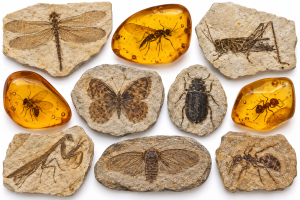
Insect Fossils For Sale offer collectors and fossil enthusiasts a fascinating look at some of the smallest animals from Earth’s past. Insects have lived on our planet for more than 400 million years. Therefore, their fossils help scientists study ancient ecosystems, climate, plant life, and animal evolution.
How Fossil Insects Form
Because insects have delicate bodies, complete fossil specimens rarely survive. However, special conditions can preserve wings, legs, antennae, and even fine body details. For example, fine-grained lake sediments sometimes buried insects quickly and protected them from decay. As a result, shale and limestone deposits can contain detailed impressions or compressions of ancient insects.
Insect Fossils Preserved in Amber
Amber can also preserve remarkable insect fossils. Amber begins as sticky tree resin. Occasionally, insects became trapped in the resin before it hardened. Over millions of years, the resin changed into amber. Consequently, some amber specimens preserve flies, beetles, ants, wasps, termites, and other arthropods in exceptional detail. Because of this preservation, Insect Fossils For Sale in amber can reveal extremely fine anatomical features.
What Fossil Insects Reveal About Ancient Ecosystems
Fossil insects provide important information about prehistoric environments. For instance, insect communities can indicate whether an ancient habitat contained forests, wetlands, lakes, or other ecosystems. Furthermore, insects associated with plants can help researchers understand how ancient plants and insects interacted.
Collecting Insect Fossils For Sale
Collectors value Insect Fossils For Sale because each specimen represents a small piece of prehistoric life. Moreover, well-preserved examples can display remarkable structures despite their tiny size. From delicate wings preserved in rock to insects enclosed in transparent amber, fossil insects provide a fascinating record of evolution, ancient ecosystems, and life on Earth millions of years ago.
Showing 251–300 of 300 results
-
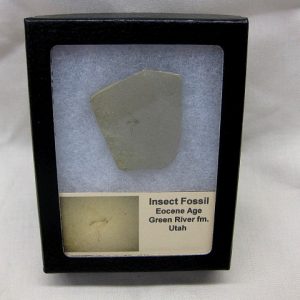
Green River Insect #27
$55.00 -
Sold out!
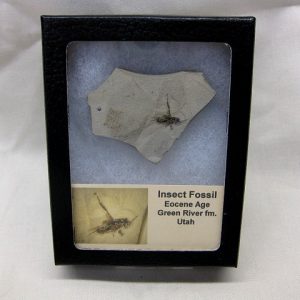
Green River Insect #25
$40.00 -
Sold out!
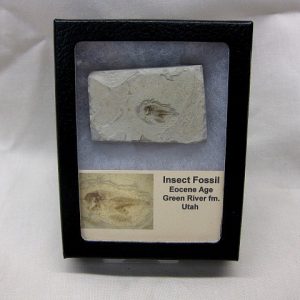
Green River Insect #22
$45.00 -
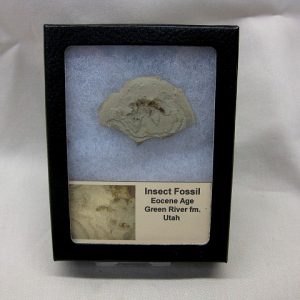
Green River Insect #20
$15.00 -
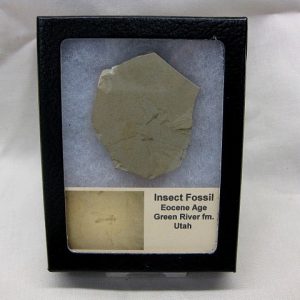
Green River Insect #19
$50.00 -
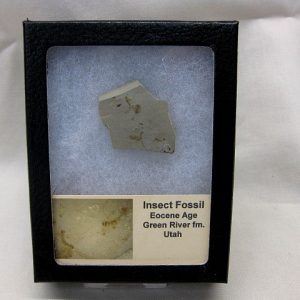
Green River Insect #18
$15.00 -
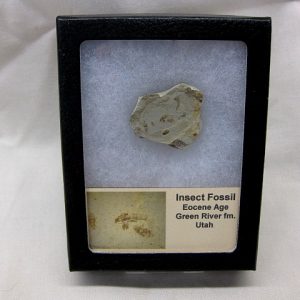
Green River Insect #17
$35.00 -
Sold out!
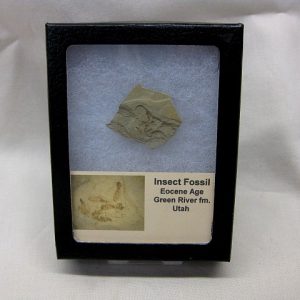
Green River Insect #16
$22.00 -
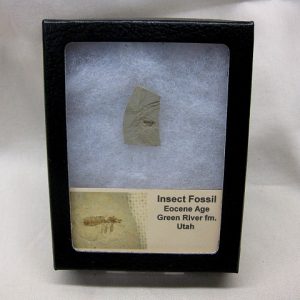
Green River Insect #14
$20.00 -
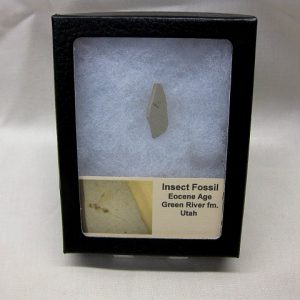
Green River Insect #12
$30.00 -
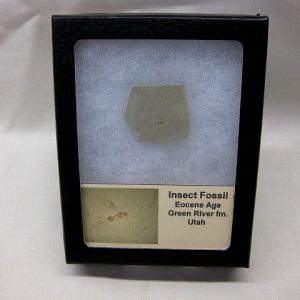
Green River Insect #11
$30.00 -
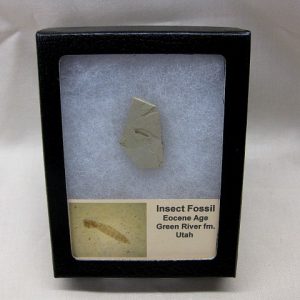
Green River Insect #10
$15.00 -
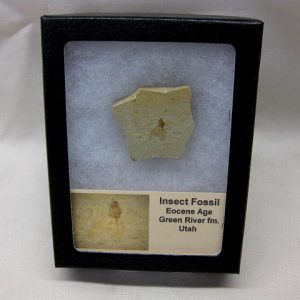
Green River Insect #9
$20.00 -
Sold out!
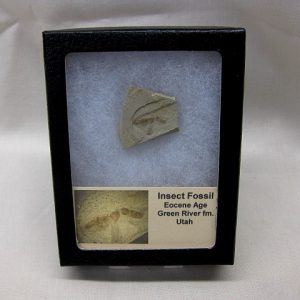
Green River Insect #8
$12.00 -
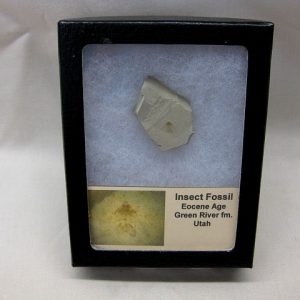
Green River Insect #5
$12.00 -
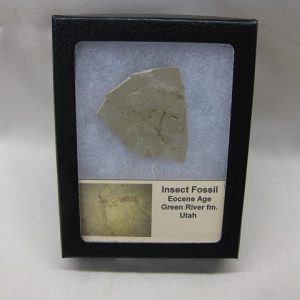
Green River Insect #4
$20.00 -
Sold out!
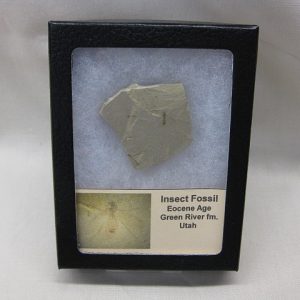
Green River Insect #3
$25.00 -
Sold out!
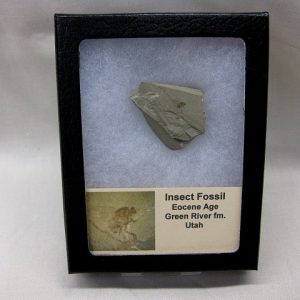
Green River Insect #2
$35.00 -
Sold out!
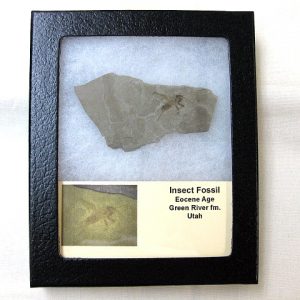
Green River Insect #31
$35.00 -

Green River Insect #33
$25.00 -
Sold out!
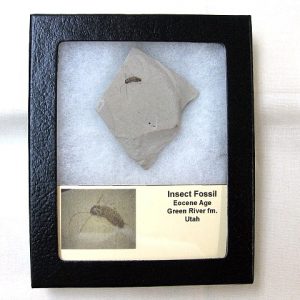
Green River Insect #34
$45.00 -
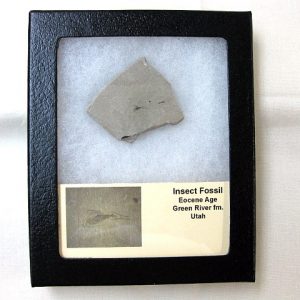
Green River Insect #35
$45.00 -
Sold out!
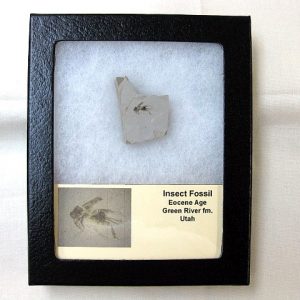
Green River Insect #36
$45.00 -
Sold out!
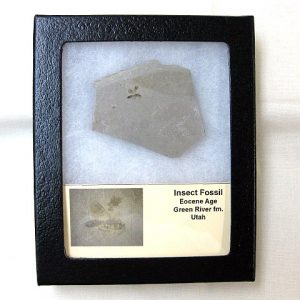
Green River Insect #37
$35.00 -
Sold out!
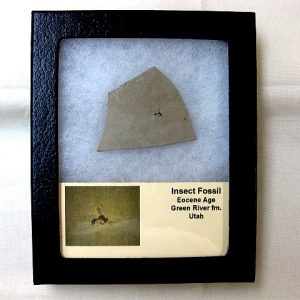
Green River Insect #39
$45.00 -
Sold out!
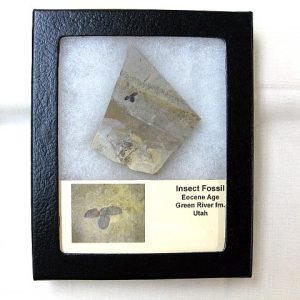
Green River Insect #41
$35.00 -
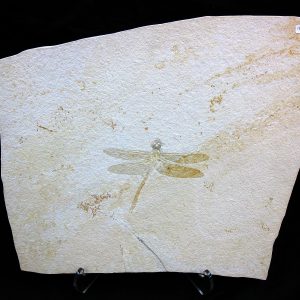
Genuine Jurassic Solnhofen Dragonfly #18
$1,200.00 -
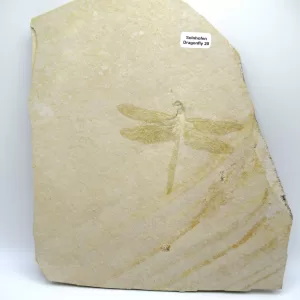
Jurassic Solnhofen Dragonfly #20
$1,250.00 -
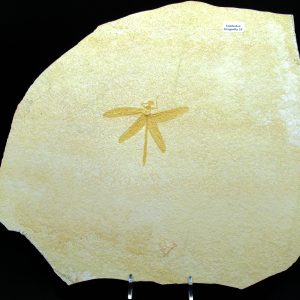
Jurassic Solnhofen Dragonfly #27
$1,050.00 -
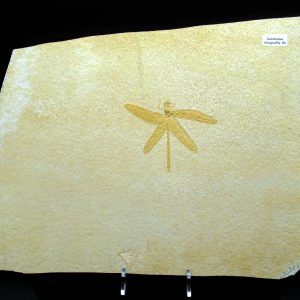
Jurassic Solnhofen Dragonfly #28
$1,050.00 -
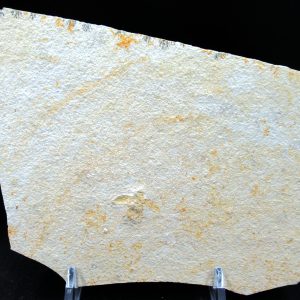
Jurassic Solnhofen Insect Fossil for Sale from Germany #44
$50.00 -
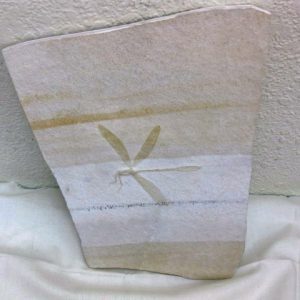
Genuine Jurassic Solnhofen Dragonfly #8
$720.00 -
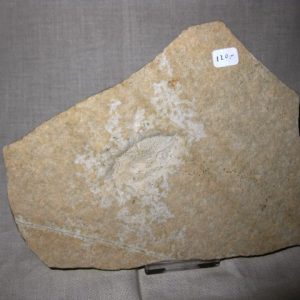
Genuine Jurassic Solnhofen Insect #1
$120.00 -
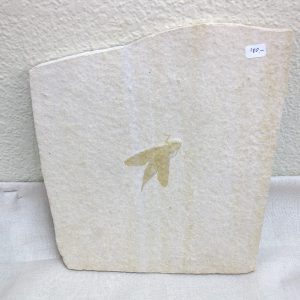
Genuine Jurassic Solnhofen Insect #19
$180.00 -
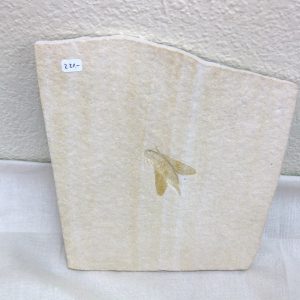
Genuine Jurassic Solnhofen Insect #20
$220.00 -
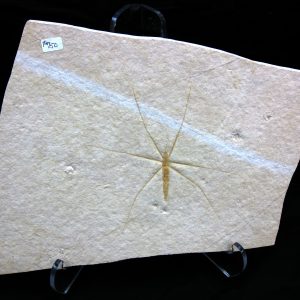
Genuine Jurassic Solnhofen Insect #23
$750.00 -
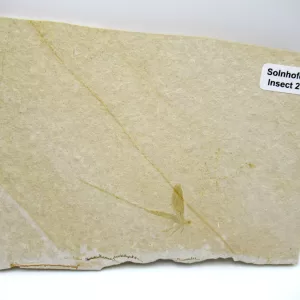
Jurassic Solnhofen Insect #25
$160.00 -
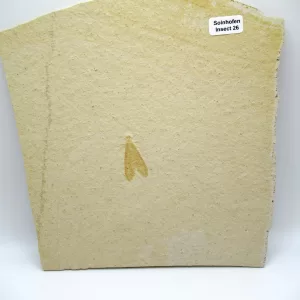
Jurassic Solnhofen Insect #26
$320.00 -
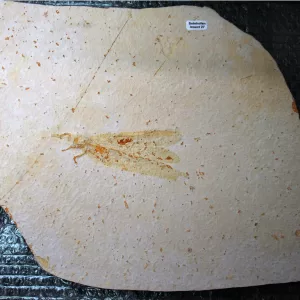
Jurassic Solnhofen Insect #27
$1,800.00 -
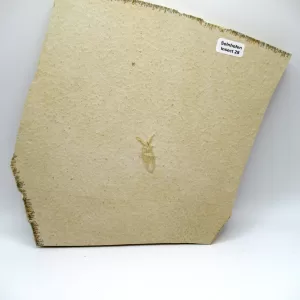
Jurassic Solnhofen Insect #28
$290.00 -
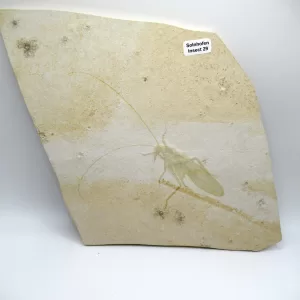
Jurassic Solnhofen Insect #29
$560.00 -
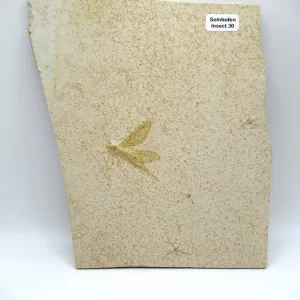
Jurassic Solnhofen Insect #30
$300.00 -
Sold out!
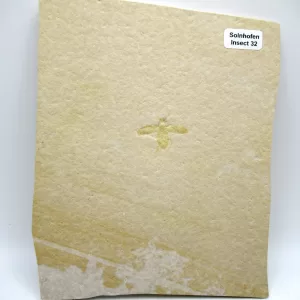
Jurassic Solnhofen Insect #32
$90.00 -
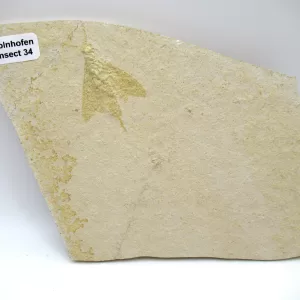
Jurassic Solnhofen Insect Fossil for Sale #34
$280.00 -
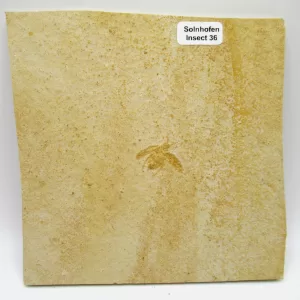
Jurassic Solnhofen Insect #36
$150.00 -
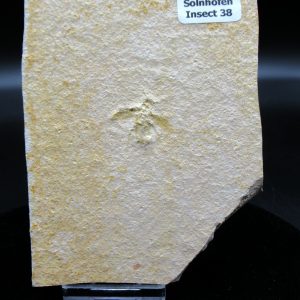
Jurassic Solnhofen Insect #38
$45.00 -
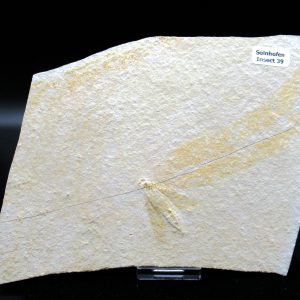
Jurassic Solnhofen Insect #39
$205.00 -
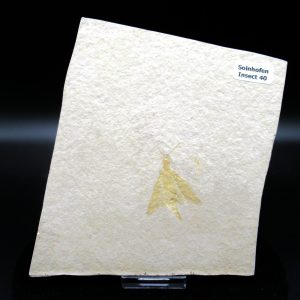
Jurassic Solnhofen Insect #40
$185.00 -
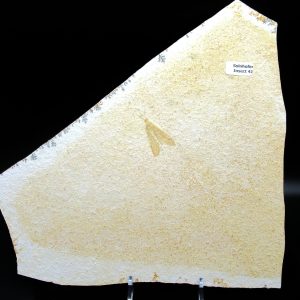
Jurassic Solnhofen Insect #41
$315.00 -
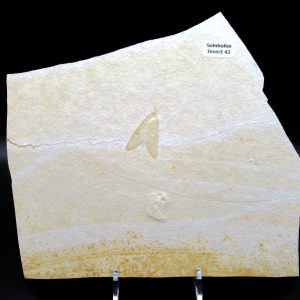
Jurassic Solnhofen Insect #42
$295.00
- Buy Fossils
- Fossils for Sale
- Large Selection
- Great Prices and Great Selection
- Authenticity Guaranteed
- Satisfaction Guaranteed
- Your TRUSTED SOURCE for over 25 years!
- Many more videos are available on our YouTube Channel.
Insect Fossils For Sale: Windows Into Ancient Ecosystems
Insect Fossils For Sale offer collectors, educators, students, and natural history enthusiasts a remarkable way to study ancient terrestrial ecosystems. Fossil insects range from finely detailed specimens preserved in amber to flattened compression fossils found in sedimentary rock. Because insects evolved hundreds of millions of years ago and occupy many ecological roles, their fossils provide valuable evidence about prehistoric climates, habitats, food webs, and evolutionary change.
What Are Fossil Insects?
Insects have one of the richest fossil records among terrestrial arthropods. Their small bodies and durable exoskeletons can preserve important anatomical details under favorable conditions. Consequently, scientists use fossil insects to study ancient biodiversity, environmental change, plant-insect relationships, and the evolution of major insect groups.
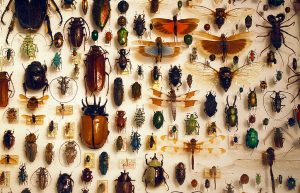
How Fossil Insects Form
Fossil insects can form through several preservation processes. However, amber and fine-grained sedimentary rocks often produce the most detailed specimens. These different preservation methods help paleontologists study both the anatomy and ecological setting of ancient insects.
Amber Preservation
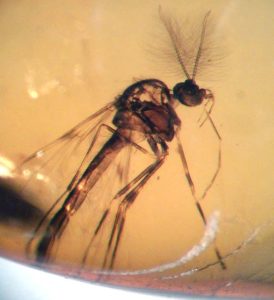
Amber forms from ancient plant resin that hardened and chemically changed over geological time. When insects became trapped in sticky resin, they could remain protected from many destructive processes. As a result, amber may preserve tiny hairs, wings, antennae, mouthparts, pollen, mites, and other biological details.
Important amber deposits include Baltic amber, Dominican amber, and Cretaceous amber from Myanmar. However, claims of recoverable ancient insect DNA from amber remain scientifically controversial and should not be treated as established evidence.
Compression and Impression Fossils
Compression fossils form when insects settle into fine sediment and become flattened during burial. Their bodies may leave carbon films, wing impressions, or outlines in the surrounding rock. These fossils often preserve external morphology even when internal tissues disappear.
Well-known deposits containing fossil insects include the Florissant Fossil Beds in Colorado and several important Mesozoic formations in China.
Mineral Preservation
Mineral replacement and mineral infilling can occasionally preserve microscopic structures in fossil arthropods. However, this type of preservation is less common in insects than amber or compression preservation.
Evolutionary History of Fossil Insects
Early Insects
The earliest accepted insect fossils date to the Paleozoic Era. Early forms were small and probably wingless. Over time, insects diversified into increasingly specialized ecological roles and became important members of terrestrial ecosystems.
Carboniferous Giant Insects
During the Carboniferous Period, large flying insects and insect relatives appeared. One famous example is Meganeura, a giant predatory griffinfly with a wingspan that could exceed 60 centimeters. Scientists have proposed that elevated atmospheric oxygen contributed to the evolution of unusually large arthropods during this interval.
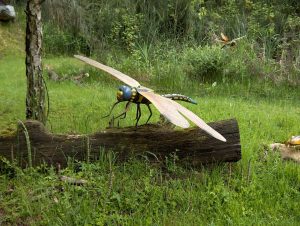
Permian and Mesozoic Innovations
Insect diversity increased greatly through the Permian and Mesozoic eras. Major groups such as beetles, true flies, wasps, and other advanced insects developed during this long evolutionary interval. Furthermore, complete metamorphosis became one of the most important innovations in insect evolution.
Cretaceous Insects and Flowering Plants
During the Cretaceous Period, flowering plants expanded rapidly across terrestrial ecosystems. At the same time, many insect groups diversified alongside them. Fossils preserve evidence of feeding, pollination, herbivory, and other complex plant-insect relationships.
Cenozoic Insects
By the Cenozoic Era, many insect groups had become similar to forms living today. Fossil insects from this interval help researchers study changing climates, habitat shifts, and the geographic movement of insect populations.
Important Fossil Insect Localities
Cretaceous Amber from Myanmar
Mid-Cretaceous amber from Myanmar, commonly dated to about 99 million years ago, preserves an extraordinary range of arthropods. Researchers have described ants, wasps, beetles, flies, mites, spiders, and many other small organisms from these deposits.
Meganeura and Giant Paleozoic Arthropods
Meganeura ranks among the best-known giant flying arthropods of the Paleozoic Era. Although it resembled a modern dragonfly, it belonged to an extinct group called griffinflies. Fossils of these large arthropods provide important evidence about Paleozoic ecosystems and atmospheric conditions.
Florissant Fossil Beds, Colorado
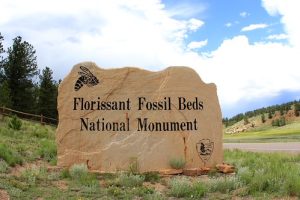
The late Eocene Florissant Fossil Beds preserve thousands of fossil insects along with plants and other organisms. Fine sediments associated with an ancient lake system preserved delicate wings and body outlines in remarkable detail.
Chinese Fossil Insect Deposits
Several fossil-bearing formations in China preserve important Mesozoic insects. These fossils help scientists reconstruct ecosystems that also contained early birds, feathered dinosaurs, plants, and other animals.
Why Fossil Insects Matter to Science
Ancient Climate Reconstruction
Because many insects respond strongly to temperature, moisture, vegetation, and habitat type, fossil insect communities can help scientists reconstruct ancient environments. Researchers may compare extinct species with related living groups to estimate ecological conditions.
Plant-Insect Interactions
Fossil leaves sometimes preserve feeding marks, mines, galls, and other traces created by insects. Therefore, these fossils reveal how insects and plants interacted through geological time.
Evolution of Pollination
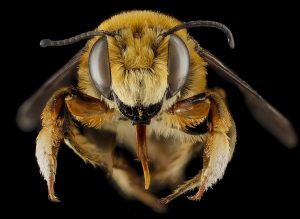
Amber and compression fossils preserve evidence of insects associated with pollen and flowering plants. Beetles, flies, bees, moths, and other groups eventually became important pollinators. Their fossil record helps researchers study how these relationships developed.
Predation, Parasitism, and Social Behavior
Some fossil insects preserve direct evidence of ecological relationships. For example, amber may contain mites attached to insects, predators near prey, or groups of social insects preserved together. These rare specimens offer valuable snapshots of ancient behavior.
Biogeography and Continental Change
Fossil insects also help scientists study past geographic distributions. Changes in insect communities can reflect shifting continents, mountain building, climate change, and the movement of plant communities.
Collecting Insect Fossils For Sale
Insect Fossils For Sale appeal to collectors because they combine scientific importance with exceptional visual detail. Specimens may include insects preserved in amber, isolated wings, compression fossils, or fossil-bearing slabs containing multiple organisms.
When choosing Insect Fossils For Sale, collectors should consider locality, geological age, preservation quality, specimen preparation, and reliable identification. Clear provenance and trustworthy authenticity information add scientific and educational value to any fossil collection.
What to Look for When Buying Insect Fossils
Collectors should look for specimens with accurate locality information, clear identification, and honest descriptions of repairs, polishing, restoration, or preparation. Well-documented specimens generally provide greater scientific, educational, and long-term collection value.
Authentic Insect Fossils From Prehistoric Fossils
Prehistoric Fossils offers genuine fossils for collectors, educators, museums, students, and natural history enthusiasts. Each specimen can provide a direct connection to an ancient ecosystem while helping illustrate the long evolutionary history of insects on Earth.
With decades of experience in fossils and natural history specimens, Prehistoric Fossils focuses on accurate identification, clear specimen information, and dependable authenticity. Whether you are building a personal collection, creating an educational display, or searching for a unique natural history specimen, our Insect Fossils For Sale provide both scientific interest and visual appeal.
Buy Fossils from Prehistoric Fossils with Confidence. Authenticity Guaranteed.