
Fossil Coprolite for Sale
Fossil Coprolite for Sale – Coprolites are fossil feces, or fossil poop. Coprolites are trace fossils that are very important tools to help determine the diet and behavior of the creatures that left them behind.
Coprolites have been found from virtually every geological period from the Cambrian through Pleistocene periods.
We offer a large selection of genuine fossil coprolites for sale from the Permian Period through the Oligocene Period.
Showing 1–50 of 287 results
-
Sold out!
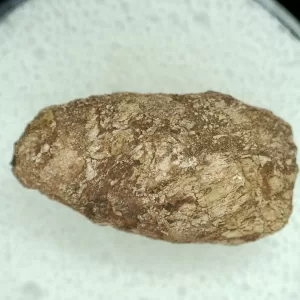
Texas Permian Reptile Coprolite #15
$12.00 -
Sold out!
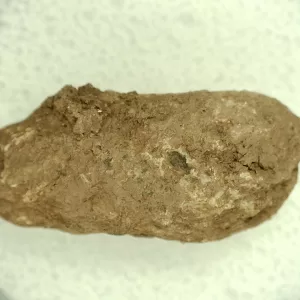
Texas Permian Reptile Coprolite #16
$12.00 -
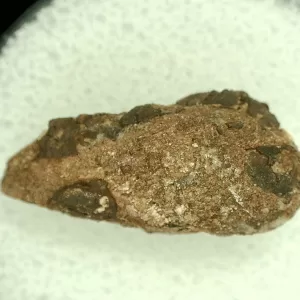
Texas Permian Reptile Coprolite #17
$12.00 -
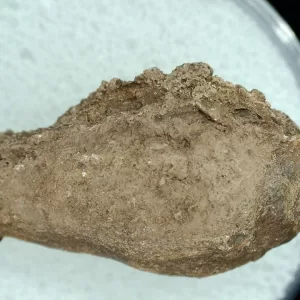
Texas Permian Reptile Coprolite #18
$12.00 -
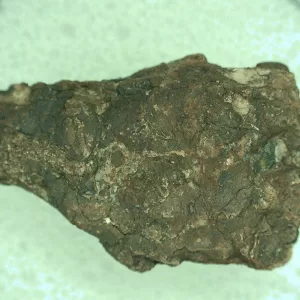
Texas Permian Reptile Coprolite #19
$12.00 -
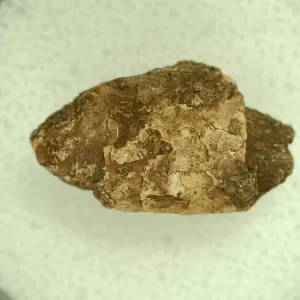
Texas Permian Reptile Coprolite #20
$12.00 -
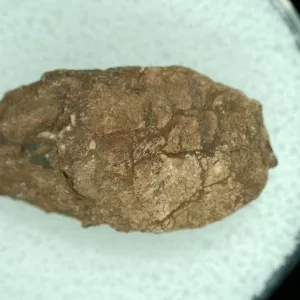
Texas Permian Reptile Coprolite #21
$12.00 -
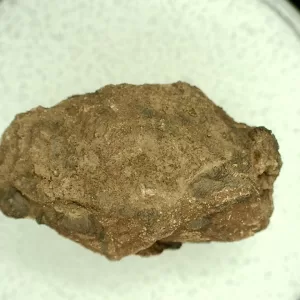
Texas Permian Reptile Coprolite #22
$12.00 -
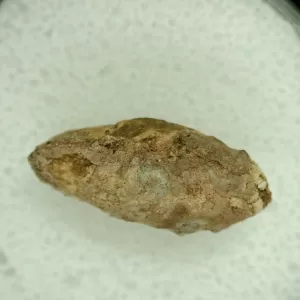
Texas Permian Reptile Coprolite #23
$12.00 -
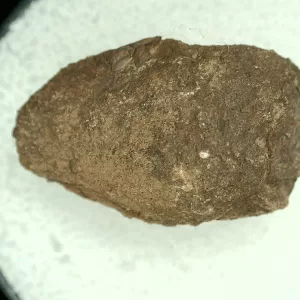
Texas Permian Reptile Coprolite #24
$12.00 -
Sold out!
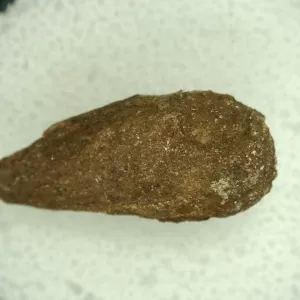
Texas Permian Reptile Coprolite #25
$12.00 -
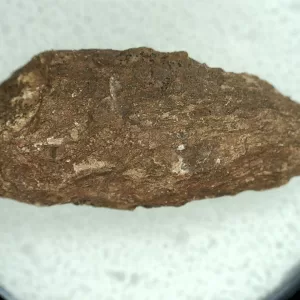
Texas Permian Reptile Coprolite #26
$12.00 -
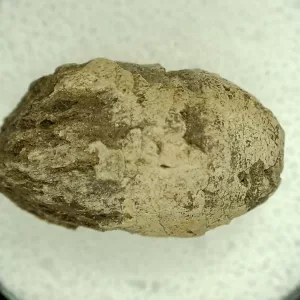
Texas Permian Reptile Coprolite #27
$12.00 -
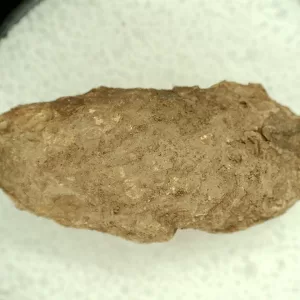
Texas Permian Reptile Coprolite #28
$12.00 -
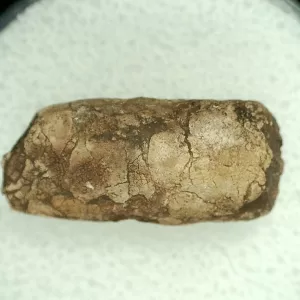
Texas Permian Reptile Coprolite #29
$12.00 -
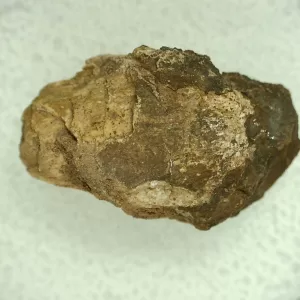
Texas Permian Reptile Coprolite #30
$12.00 -
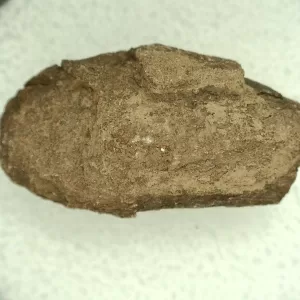
Texas Permian Reptile Coprolite #31
$12.00 -
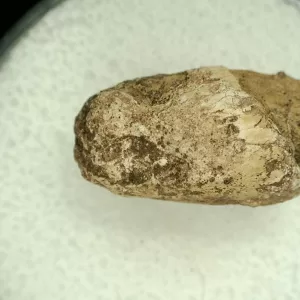
Texas Permian Reptile Coprolite #32
$12.00 -
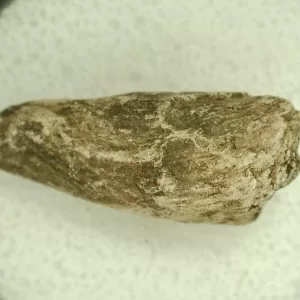
Texas Permian Reptile Coprolite #33
$12.00 -
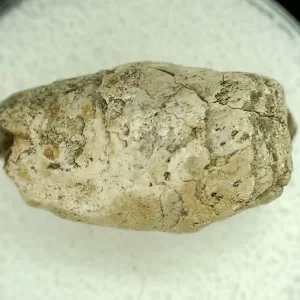
Texas Permian Reptile Coprolite #34
$12.00 -
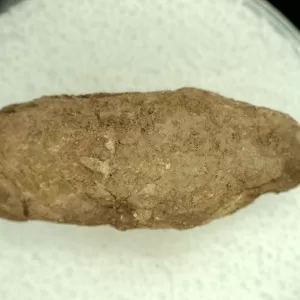
Texas Permian Reptile Coprolite #35
$12.00 -
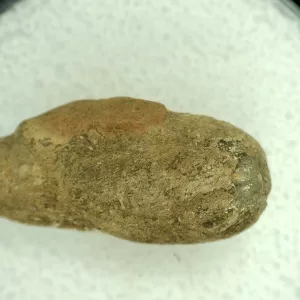
Texas Permian Reptile Coprolite #36
$12.00 -
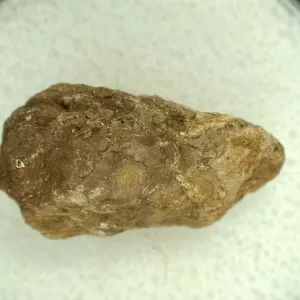
Texas Permian Reptile Coprolite #37
$12.00 -
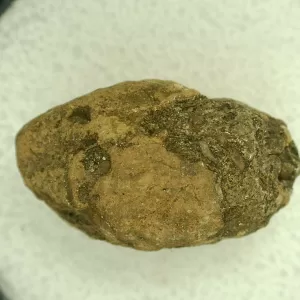
Texas Permian Reptile Coprolite #38
$12.00 -
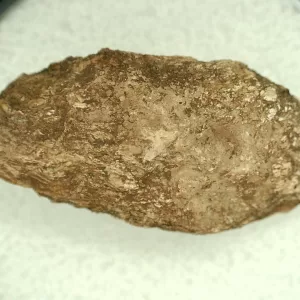
Texas Permian Reptile Coprolite #39
$12.00 -
Sold out!
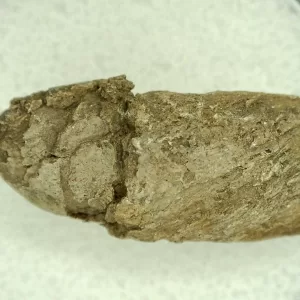
Texas Permian Reptile Coprolite #40
$12.00 -
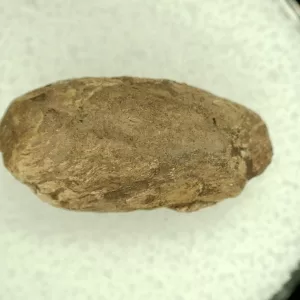
Texas Permian Reptile Coprolite #41
$12.00 -
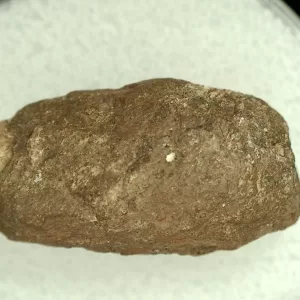
Texas Permian Reptile Coprolite #42
$12.00 -
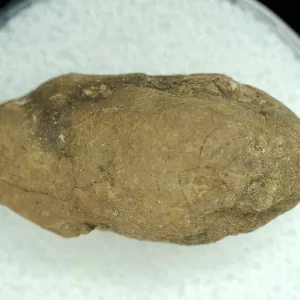
Texas Permian Reptile Coprolite #43
$12.00 -
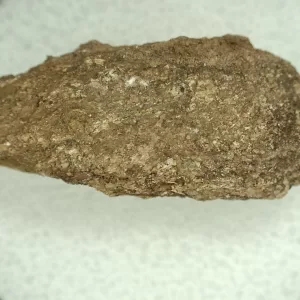
Texas Permian Reptile Coprolite #44
$12.00 -
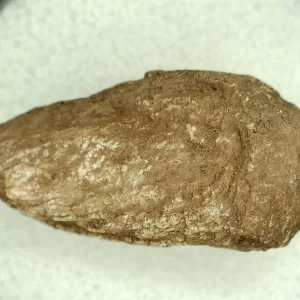
Texas Permian Reptile Coprolite #45
$12.00 -
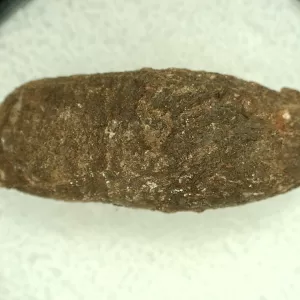
Texas Permian Reptile Coprolite #46
$12.00 -
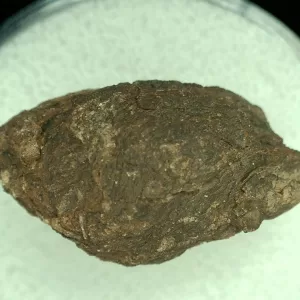
Texas Permian Reptile Coprolite #47
$12.00 -
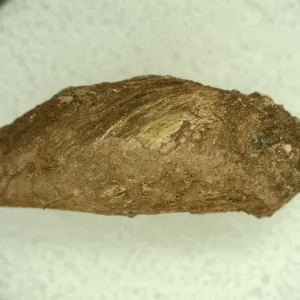
Texas Permian Reptile Coprolite #48
$12.00 -
Sold out!
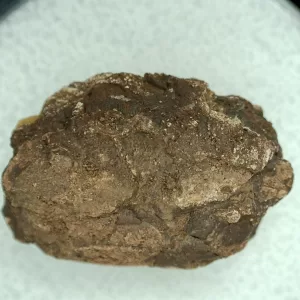
Texas Permian Reptile Coprolite #49
$12.00 -
Sold out!
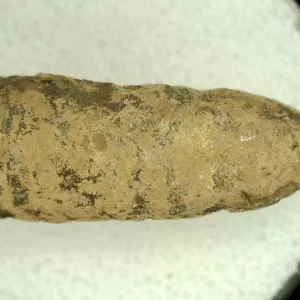
Texas Permian Reptile Coprolite #50
$12.00 -
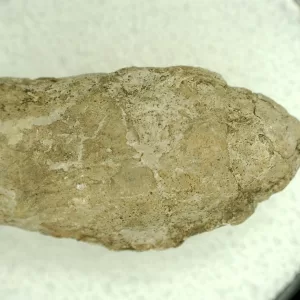
Texas Permian Reptile Coprolite #51
$12.00 -
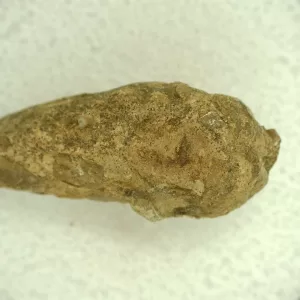
Texas Permian Reptile Coprolite #52
$12.00 -
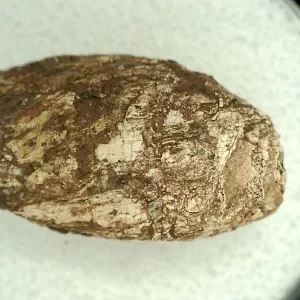
Texas Permian Reptile Coprolite #53
$12.00 -
Sold out!
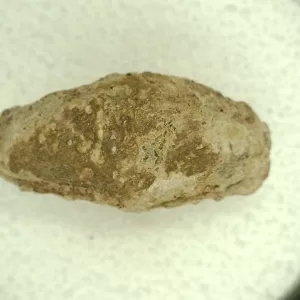
Texas Permian Reptile Coprolite #54
$12.00 -
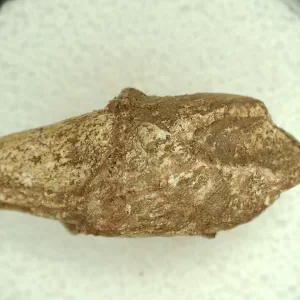
Texas Permian Reptile Coprolite #55
$12.00 -
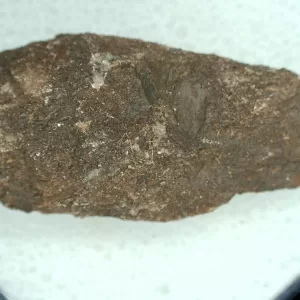
Texas Permian Reptile Coprolite #56
$12.00 -
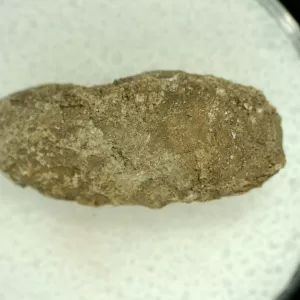
Texas Permian Reptile Coprolite #57
$12.00 -
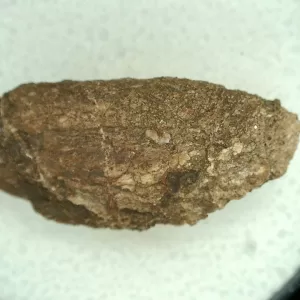
Texas Permian Reptile Coprolite #58
$12.00 -
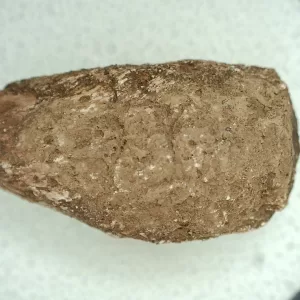
Texas Permian Reptile Coprolite #59
$12.00 -
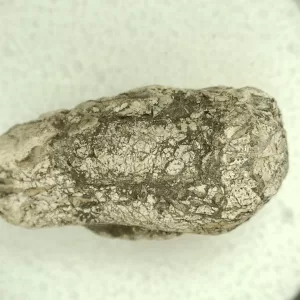
Texas Permian Reptile Coprolite #60
$12.00 -
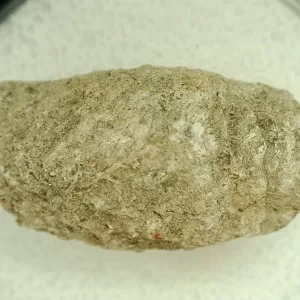
Texas Permian Reptile Coprolite #61
$12.00 -
Sold out!
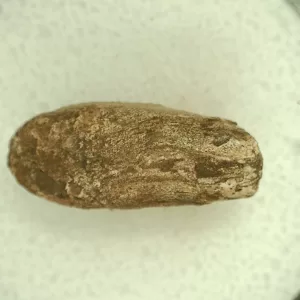
Texas Permian Reptile Coprolite #62
$12.00 -
Sold out!
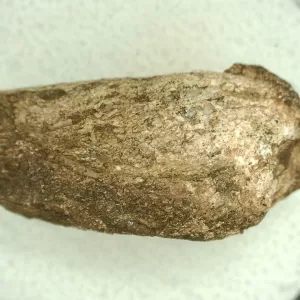
Texas Permian Reptile Coprolite #63
$12.00 -
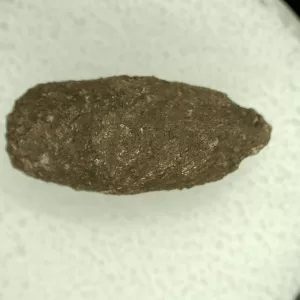
Texas Permian Reptile Coprolite #64
$12.00
- Buy Fossils
- Fossils for Sale
- Large Selection
- Great Prices and Great Selection
- Authenticity Guaranteed
- Satisfaction Guaranteed
- Your TRUSTED SOURCE for over 25 years!
- Many more videos are available on our YouTube Channel.
Coprolite Fossils: What Prehistoric Feces Reveal About Ancient Life
Coprolites—fossilized feces—are among the most surprising yet scientifically valuable trace fossils discovered in paleontological sites worldwide. While they may seem unassuming, these remnants of prehistoric digestion offer rare insights into ancient diets, ecosystems, and species interactions. Modern analytical techniques, including micro-CT scanning, geochemical fingerprinting, and thin-section microscopy, have elevated coprolite studies into a specialized scientific discipline known as copro-paleontology.
What Is a Coprolite?
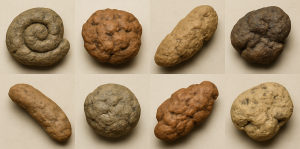
A coprolite is the fossilized excrement of an ancient organism. Unlike body fossils (such as bones or shells), coprolites are considered trace fossils—preserved evidence of biological activity.
Key characteristics:
- Often rich in phosphates, aiding fossilization
- Typically found in sedimentary deposits, including fluvial, marine, and floodplain sediments
- Frequently contain undigested remains, such as bone fragments, plant fibers, scales, or shell pieces
- Can range from a few millimeters to over 40 centimeters, depending on the producer species
How Coprolites Form
Coprolite fossilization requires rapid burial and mineral replacement. The steps generally include:
- Deposition – An animal defecates into a soft substrate (mud, sand, or shallow water).
- Rapid burial – Sediment quickly covers the fecal matter, protecting it from decay.
- Mineralization – Minerals such as calcium phosphate, silica, or iron infiltrate and replace organic components.
- Lithification – Over millions of years, pressure and chemical processes transform the deposit into rock.
Unlike typical decomposition, which destroys most organic waste, this specialized process preserves the shape, texture, and sometimes even microscopic content of the feces.
What Coprolites Reveal
- Diet and Feeding Behavior
Coprolites often contain identifiable remains:
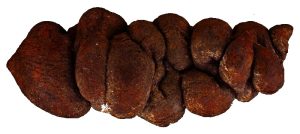
- Carnivore coprolites: bone fragments, teeth chips, scale residues
- Herbivore coprolites: plant fibers, spores, pollen, cellulose structures
- Omnivore coprolites: mixed biological materials
Through microscopic analysis, researchers can identify prey species, digestive efficiency, and feeding strategies.
- Ancient Ecosystem Structure
Coprolites are direct proxies for:
- Predator–prey relationships
- Trophic hierarchies
- Seasonal dietary shifts
- Habitat types (marine, terrestrial, freshwater)
Large accumulations—known as coprolite assemblages—may indicate ancient pack behaviors, communal territories, or specific feeding grounds.
- Gut Microbes & Internal Biology
Advanced geochemical testing and scanning have revealed:
- Fossilized bacterial structures
- Lipid biomarkers
- Mineralized parasitic eggs
- Digestive tract chemistry
These findings help reconstruct evolutionary digestive adaptations, especially in dinosaurs, early mammals, and marine reptiles.
Types of Coprolites:
Dinosaur Coprolites
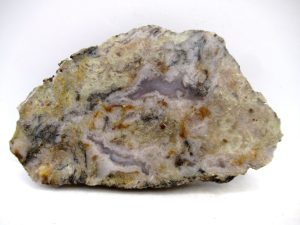
Dinosaur coprolites vary dramatically in size and composition.
- Theropod coprolites (e.g., Tyrannosaurus-like predators) contain crushed bone, indicating powerful digestive acids.
- Sauropod coprolites, surprisingly, often show coarse plant fragments, suggesting limited chewing ability.
Marine Coprolites
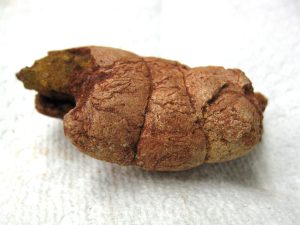
Often called ichthyosaur or fish coprolites, these are rich in:
- Fish scale microfossils
- Mollusk shell fragments
- Marine parasite eggs
They help reconstruct ancient oceans with exceptional clarity.
Mammalian Coprolites
Typically smaller and more structurally complex, these may contain:
- Fur remnants
- Seeds
- Specialized digestive residues (e.g., fatty acids)
Late Cenozoic mammal coprolites have even been used to identify extinct species.
How Scientists Identify Coprolites
To determine the producer species, paleontologists examine:
- Shape & Morphology
Spiral, cylindrical, or globular forms can indicate fish, reptiles, or mammals.
- Internal Microfossils
Bone, spores, phytoliths, pollen, and shell shards help narrow down candidates.
- Chemical Composition
Phosphate concentration, isotopic signatures, and mineralogy differentiate fecal fossils from sediment concretions.
- Geological Context
Finds near known fossilized skeletons, trackways, or feeding sites help match coprolites with their likely producers.
Coprolites in Modern Research
New technologies have dramatically expanded copro-paleontology:
Micro-CT Scanning
Reveals internal structures without destroying the fossil.
Stable Isotope Analysis
Determines dietary signatures (e.g., herbivory vs. carnivory).
SEM Microscopy
Identifies microfossils, parasites, and gut residue.
Comparative Taphonomy
Helps differentiate coprolites from similar nodules.
These methods allow scientists to study ancient biology with unprecedented precision.
Coprolites in the Fossil Market
Coprolites are popular among collectors due to their rarity, aesthetic patterns (especially polished), and scientific importance.
Buy Fossils from Prehistoric Fossils with Confidence