
Coprolite Fossils For Sale | Genuine Fossilized Dinosaur & Animal Dung
Coprolite Fossils For Sale – Genuine Fossilized Prehistoric Droppings
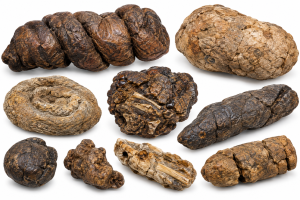
Coprolite Fossils For Sale give collectors a unique way to study evidence left behind by animals that lived millions of years ago. Coprolites are fossilized animal droppings, and although they may seem unusual, they provide scientists with valuable information about prehistoric diets and ancient ecosystems. In fact, fossil coprolites can sometimes reveal what ancient animals ate and how they interacted with their environment.
How Fossil Coprolites Form
Coprolites form when animal waste becomes buried before it completely breaks down. For example, mud, sand, or other sediment may quickly cover the material. Then, minerals carried by groundwater can gradually replace or fill parts of the original matter. Over long periods, the material hardens and may survive as a fossil.
However, not every unusual rock represents a true coprolite. Scientists study its shape, internal structure, mineral content, and geological setting before making an identification. In addition, some genuine coprolite fossils contain recognizable remains from an animal’s last meals.
What Scientists Learn from Coprolite Fossils
Fossil coprolites can preserve clues that bones and teeth may not reveal. For instance, researchers sometimes discover fish scales, bone fragments, plant material, shells, or other food remains inside them. Therefore, these fossils can provide direct evidence about prehistoric diets and ancient food webs.
However, scientists cannot always identify the exact animal that produced a coprolite. Instead, they compare its size, contents, age, and locality with animals known from the same geological formation.
Collecting Coprolite Fossils For Sale
Today, collectors seek Coprolite Fossils For Sale because each specimen represents direct evidence of prehistoric animal activity. Moreover, examples with visible inclusions, unusual shapes, good preservation, or reliable locality information can be especially interesting. Ultimately, genuine fossil coprolites for sale offer collectors, educators, and fossil enthusiasts a fascinating glimpse into prehistoric diets, ancient environments, and ecosystems from Earth’s distant past.
Showing 51–100 of 241 results
-
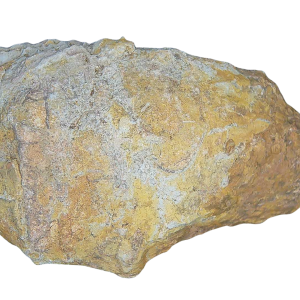
Permian Reptile Coprolite for Sale from Texas Red Beds #75
$35.00 -
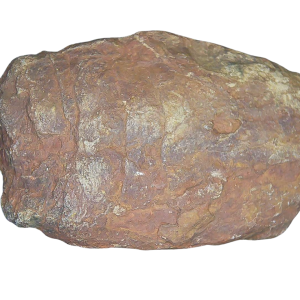
Permian Reptile Coprolite for Sale from Texas Red Beds #76
$35.00 -
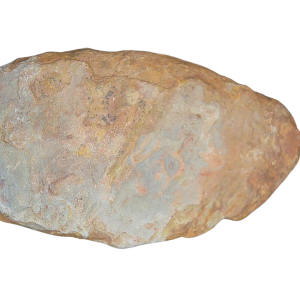
Permian Reptile Coprolite for Sale from Texas Red Beds #77
$35.00 -
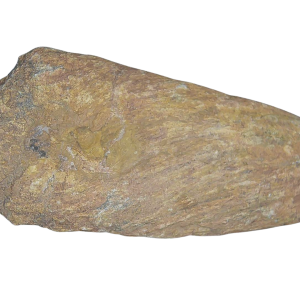
Permian Reptile Coprolite for Sale from Texas Red Beds #78
$35.00 -
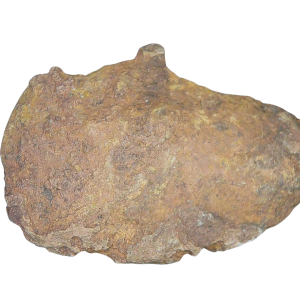
Permian Reptile Coprolite for Sale from Texas Red Beds #79
$35.00 -
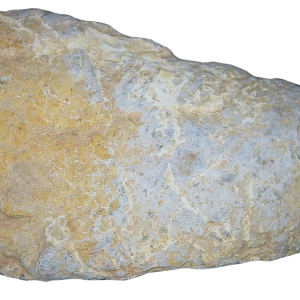
Permian Reptile Coprolite for Sale from Texas Red Beds #80
$35.00 -
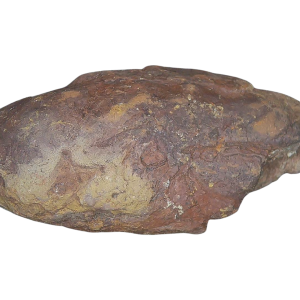
Permian Reptile Coprolite for Sale from Texas Red Beds #81
$35.00 -
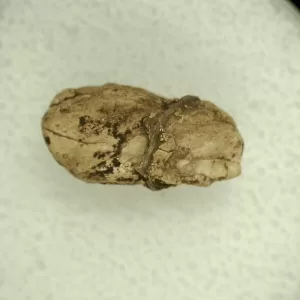
Texas Permian Reptile Coprolite #65
$12.00 -
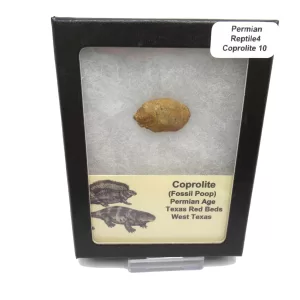
Texas Permian Reptile Coprolite for Sale #10
$20.00 -
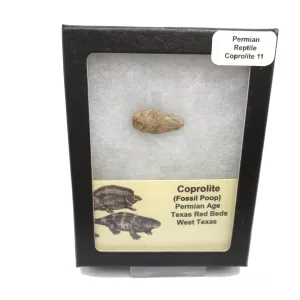
Texas Permian Reptile Coprolite for Sale #11
$17.50 -
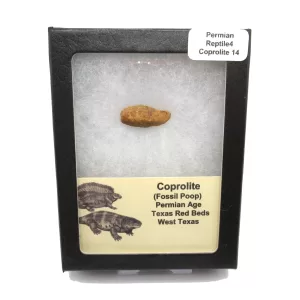
Texas Permian Reptile Coprolite for Sale #14
$17.50 -

Wyoming Eocene Coprolite (FossilPoop) #1
$15.00 -

Wyoming Eocene Coprolite (FossilPoop) #10
$15.00 -
Sold out!

Wyoming Eocene Coprolite (FossilPoop) #11
$15.00 -

Wyoming Eocene Coprolite (FossilPoop) #12
$15.00 -

Wyoming Eocene Coprolite (FossilPoop) #14
$15.00 -
Sold out!

Wyoming Eocene Coprolite (FossilPoop) #15
$15.00 -

Wyoming Eocene Coprolite (FossilPoop) #19
$15.00 -

Wyoming Eocene Coprolite (FossilPoop) #2
$15.00 -

Wyoming Eocene Coprolite (FossilPoop) #21
$15.00 -

Wyoming Eocene Coprolite (FossilPoop) #22
$15.00 -

Wyoming Eocene Coprolite (FossilPoop) #23
$15.00 -

Wyoming Eocene Coprolite (FossilPoop) #24
$15.00 -

Wyoming Eocene Coprolite (FossilPoop) #25
$15.00 -

Wyoming Eocene Coprolite (FossilPoop) #26
$15.00 -

Wyoming Eocene Coprolite (FossilPoop) #28
$35.00 -

Wyoming Eocene Coprolite (FossilPoop) #29
$35.00 -

Wyoming Eocene Coprolite (FossilPoop) #30
$35.00 -

Wyoming Eocene Coprolite (FossilPoop) #31
$35.00 -

Wyoming Eocene Coprolite (FossilPoop) #32
$35.00 -

Wyoming Eocene Coprolite (FossilPoop) #4
$15.00 -

Wyoming Eocene Coprolite (FossilPoop) #5
$15.00 -

Wyoming Eocene Coprolite (FossilPoop) #6
$15.00 -
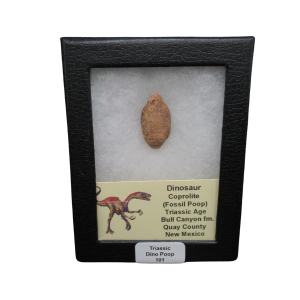
Coprolite – Triassic Dinosaur Poop for Sale from New Mexico #101
$20.00 -
Coprolite – Triassic Dinosaur Poop for Sale from New Mexico #103
$20.00 -
Coprolite – Triassic Dinosaur Poop for Sale from New Mexico #105
$20.00 -
Coprolite – Triassic Dinosaur Poop for Sale from New Mexico #106
$20.00 -
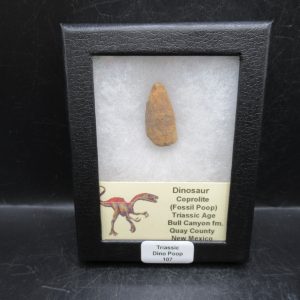
Coprolite – Triassic Dinosaur Poop for Sale from New Mexico #107
$20.00 -
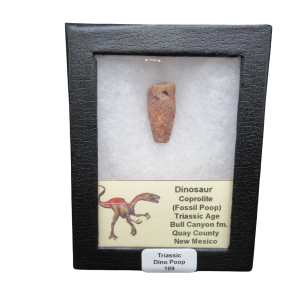
Coprolite – Triassic Dinosaur Poop for Sale from New Mexico #109
$20.00 -
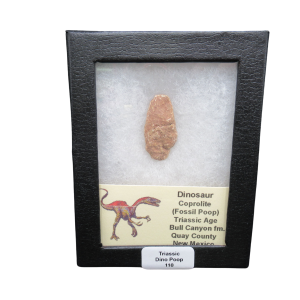
Coprolite – Triassic Dinosaur Poop for Sale from New Mexico #110
$20.00 -
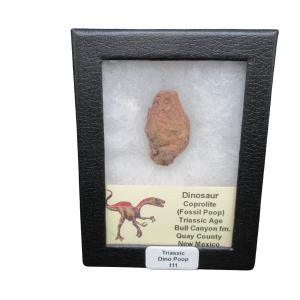
Coprolite – Triassic Dinosaur Poop for Sale from New Mexico #111
$20.00 -
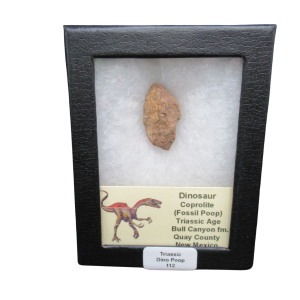
Coprolite – Triassic Dinosaur Poop for Sale from New Mexico #112
$20.00 -
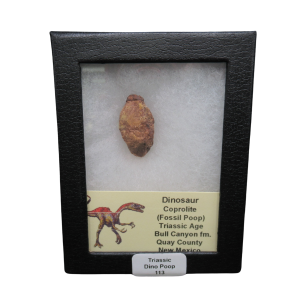
Coprolite – Triassic Dinosaur Poop for Sale from New Mexico #113
$20.00 -
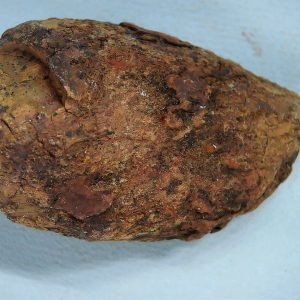
Coprolite – Triassic Dinosaur Poop for Sale from New Mexico #42
$10.00 -
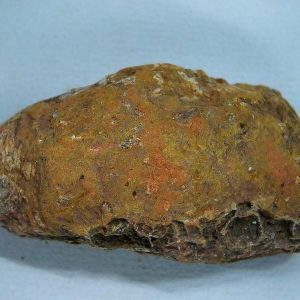
Coprolite – Triassic Dinosaur Poop for Sale from New Mexico #46
$10.00 -
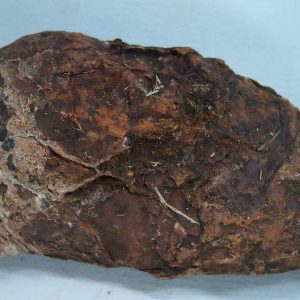
Coprolite – Triassic Dinosaur Poop for Sale from New Mexico #47
$10.00 -
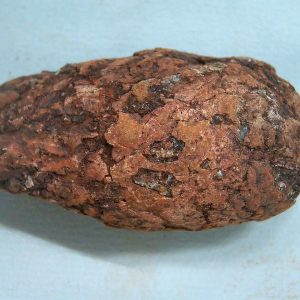
Coprolite – Triassic Dinosaur Poop for Sale from New Mexico #49
$10.00 -
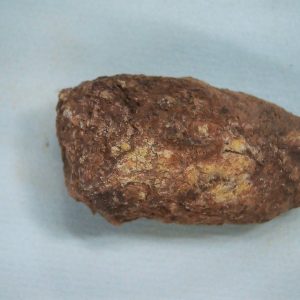
Coprolite – Triassic Dinosaur Poop for Sale from New Mexico #50
$10.00 -
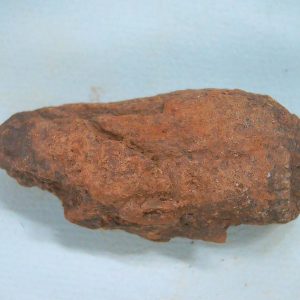
Coprolite – Triassic Dinosaur Poop for Sale from New Mexico #51
$10.00 -
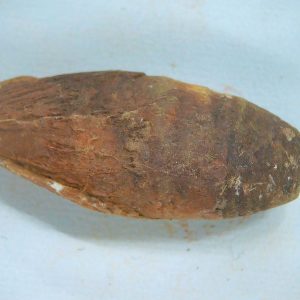
Coprolite – Triassic Dinosaur Poop for Sale from New Mexico #52
$10.00
- Buy Fossils
- Fossils for Sale
- Large Selection
- Great Prices and Great Selection
- Authenticity Guaranteed
- Satisfaction Guaranteed
- Your TRUSTED SOURCE for over 25 years!
- Many more videos are available on our YouTube Channel.
Coprolite Fossils For Sale – What Prehistoric Feces Reveal About Ancient Life
Coprolite Fossils For Sale offer collectors, educators, and fossil enthusiasts a remarkable look at prehistoric diets and ecosystems. Coprolites are fossilized feces, and although they may seem unusual, they rank among the most scientifically useful trace fossils found worldwide. These fossils can preserve direct evidence of what ancient animals ate, how they digested food, and how they interacted with other organisms.
Today, paleontologists use techniques such as micro-CT scanning, geochemical analysis, thin-section microscopy, and scanning electron microscopy to examine coprolites. As a result, these fossils provide valuable evidence about ancient food webs, digestive biology, and environmental conditions.
What Is a Coprolite?
A coprolite is fossilized excrement produced by an ancient animal. Unlike bones, teeth, and shells, coprolites are classified as trace fossils because they record biological activity rather than the body of the organism itself.
Coprolites often contain high levels of phosphate, which can help preserve organic material. In addition, they commonly occur in sedimentary deposits formed in rivers, floodplains, lakes, and marine environments. Some specimens contain visible or microscopic remains of bone, fish scales, plant fibers, pollen, spores, shells, and other food material.
Coprolites range from tiny specimens only a few millimeters long to large examples measuring many centimeters. However, size alone rarely identifies the animal that produced them.
How Coprolite Fossils Form
Coprolite fossilization begins when an animal deposits fecal material into mud, sand, sediment, or shallow water. First, rapid burial protects the material from scavengers, erosion, and complete decay. Next, mineral-rich groundwater may penetrate the waste.
Minerals such as calcium phosphate, silica, iron compounds, and carbonates can then replace or stabilize organic material. Over time, continued burial and chemical changes turn the deposit into a durable fossil.
Because ordinary feces decomposes quickly, fossilization requires favorable conditions. Therefore, genuine coprolites provide an uncommon record of animal behavior that body fossils alone cannot reveal.
What Coprolites Reveal About Prehistoric Diets
One of the greatest scientific values of coprolites comes from preserved food remains. Carnivore coprolites may contain crushed bone, fish scales, shell fragments, or other hard tissues. In contrast, herbivore coprolites may preserve plant fibers, pollen, spores, seeds, or microscopic plant structures.
Additionally, omnivorous animals can leave mixed remains. By studying these inclusions, researchers can investigate feeding habits, prey selection, plant consumption, and digestive efficiency.
However, scientists usually avoid identifying a specific producer unless strong supporting evidence exists. Geological age, fossil associations, size, shape, chemistry, and internal contents must all agree before researchers can confidently suggest which animal produced a specimen.
Coprolites and Ancient Ecosystems
Coprolites can reveal more than diet. They can also help scientists reconstruct ancient food webs and environments. For example, preserved prey remains may document predator-prey relationships. Plant fragments can show what vegetation grew nearby, while fish scales or shell material may indicate an aquatic habitat.
Furthermore, groups of coprolites found together can provide evidence about repeated animal activity in a specific location. Nevertheless, researchers must use caution when interpreting such deposits because water currents and geological processes can move fossils after deposition.
Parasites, Microbes, and Internal Biology
Some exceptionally preserved coprolites contain microscopic structures that provide clues about internal biology. Scientists have reported mineralized parasite eggs, possible microbial structures, chemical biomarkers, and other microscopic remains in fossilized feces.
As a result, coprolites may offer evidence about ancient parasites, digestive systems, and relationships between animals and microorganisms. Modern imaging techniques also allow researchers to examine internal structures without cutting or damaging valuable specimens.
Types of Coprolite Fossils
Dinosaur Coprolites
Dinosaur coprolites are especially popular among collectors because they represent direct evidence of dinosaur feeding behavior. Some large carnivorous dinosaur coprolites contain crushed bone fragments, suggesting that the producer consumed bone along with flesh.
Herbivorous dinosaur coprolites may contain plant material, although determining the exact dinosaur species responsible is often difficult. Therefore, reputable sellers should describe specimens according to the available geological and scientific evidence rather than making unsupported species claims.
Fish and Marine Coprolites
Marine and freshwater coprolites can come from fish, sharks, marine reptiles, and other aquatic vertebrates. Some specimens display distinctive spiral or coiled shapes caused by intestinal anatomy, especially in animals with spiral valves.
Additionally, these fossils may contain fish scales, shell fragments, bones, or other remains of aquatic organisms. Such evidence helps paleontologists reconstruct ancient marine and freshwater food webs.
Mammal Coprolites
Mammalian coprolites occur in many Cenozoic deposits. Depending on preservation, they may contain seeds, plant fibers, bone fragments, hair-like material, or other dietary remains.
Because mammals developed many different digestive strategies, their coprolites can provide useful evidence about feeding behavior and changing environments. However, as with other coprolites, researchers usually rely on several lines of evidence before assigning a fossil to a particular animal.
How Scientists Identify Genuine Coprolites
Shape and Surface Features
Scientists first examine the overall shape and texture of a suspected coprolite. Specimens may be cylindrical, rounded, segmented, spiral, or irregular. Surface cracks, folds, constrictions, and other features can sometimes support a biological origin.
Internal Fossil Material
Internal inclusions provide important evidence. Bone fragments, fish scales, plant remains, spores, pollen, shells, or other biological material may support identification as fossilized feces.
Chemical and Mineral Composition
Researchers may also analyze phosphate levels, mineral composition, trace elements, and chemical signatures. These tests help distinguish genuine coprolites from ordinary rocks, concretions, and mineral nodules that may resemble fossil feces.
Geological Context
Finally, geological context plays an essential role. Scientists compare the specimen with the age and environment of the surrounding rock formation. Associated bones, teeth, footprints, feeding traces, and other fossils can help narrow the list of possible producers.
Modern Scientific Research on Coprolites
Micro-CT Scanning
Micro-computed tomography allows researchers to examine the internal structure of coprolites without destroying them. This technique can reveal bones, scales, shells, plant material, and internal textures hidden inside the fossil.
Microscopy and SEM Analysis
Thin-section microscopy and scanning electron microscopy can identify microscopic food remains and mineral structures. Consequently, researchers can study features that remain invisible to the unaided eye.
Stable Isotope and Geochemical Analysis
Geochemical methods may provide additional clues about diet, environment, and fossilization. However, researchers must carefully account for chemical changes that occur during burial and mineral replacement.
Comparative Taphonomy
Scientists also compare suspected coprolites with concretions, sedimentary structures, and modern animal feces. This process helps determine whether unusual shapes truly represent fossilized waste or formed through non-biological geological processes.
Collecting Coprolite Fossils For Sale
Coprolite Fossils For Sale appeal to collectors because every specimen represents direct evidence of prehistoric animal behavior. Their shapes, mineral patterns, colors, and preserved inclusions can make them both scientifically interesting and visually distinctive.
When purchasing coprolites, collectors should consider geological locality, formation, age, preservation, and available identification information. Most importantly, buyers should purchase from knowledgeable fossil dealers who clearly describe what is known about each specimen and avoid unsupported claims about the exact animal that produced it.
Buy Coprolite Fossils with Confidence
At Prehistoric Fossils, we have supplied genuine fossils, meteorites, minerals, and natural history collectibles since 1997. Our Coprolite Fossils For Sale are selected for collectors, educators, students, and fossil enthusiasts who want authentic pieces of prehistoric history.
Each specimen represents a fascinating record of ancient life. Therefore, whether you collect coprolites for their scientific importance, unusual appearance, or educational value, these trace fossils provide a direct connection to the feeding behavior and ecosystems of animals that lived millions of years ago.
Buy fossils from Prehistoric Fossils with confidence. Authenticity guaranteed.