
Fossil Cephalopods for Sale
Fossil Cephalopods for Sale – A cephalopod is any member of the molluscan class Cephalopoda such as a squid, octopus, cuttlefish, or nautilus.
These exclusively marine animals are characterized by bilateral body symmetry, a prominent head, and a set of arms or tentacles (muscular hydrostats) modified from the primitive molluscan foot.
Cephalopods appeared at the beginning of the Cambrian Period over 500 million years ago. Fossils of cephalopods typically are only the shells of the animals.
Soft parts, such as the head and tentacles, are rarely preserved. Consequently, the fossil record of cephalopods lacking shells is poor.
Fossils from Bundenbach, Burgess Shale and the Chengjiang biota are the exception to this rule. We offer a selection of Fossil Cephalopods for sale from Germany and Morocco.
Buy Fossils from Prehistoric with Confidence. Authenticity Guaranteed!
Showing 1–50 of 897 results
-
Sold out!
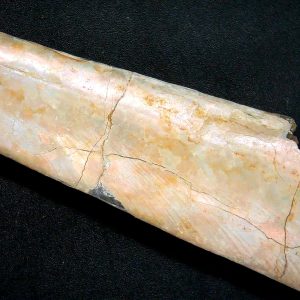
Baculites | Pierre Shale S. Dakota #1
$15.00 -
Sold out!
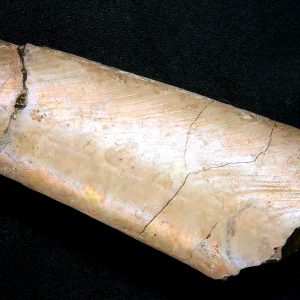
Baculites | Pierre Shale S. Dakota #2
$15.00 -
Sold out!
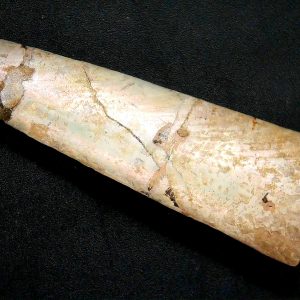
Baculites | Pierre Shale S. Dakota #3
$15.00 -
Sold out!
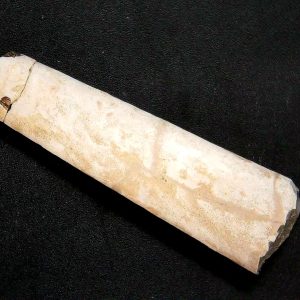
Baculites | Pierre Shale S. Dakota #4
$15.00 -
Sold out!
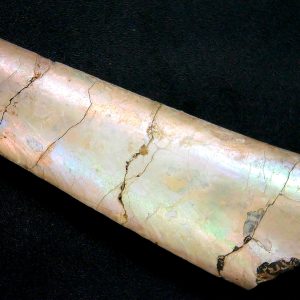
Baculites | Pierre Shale S. Dakota #5
$20.00 -
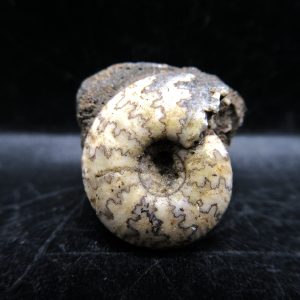
Craspedites Jurassic Russian Ammonite #1
$25.00 -
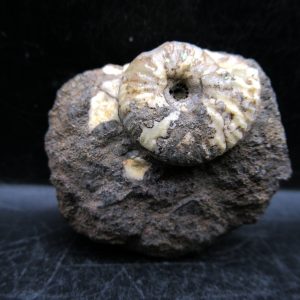
Craspedites Jurassic Russian Ammonite #10
$25.00 -
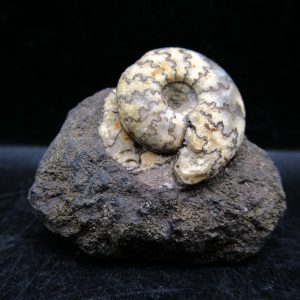
Craspedites Jurassic Russian Ammonite #11
$25.00 -
Craspedites Jurassic Russian Ammonite #12
$25.00 -
Craspedites Jurassic Russian Ammonite #13
$35.00 -
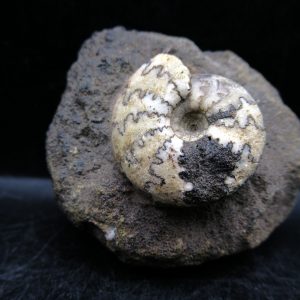
Craspedites Jurassic Russian Ammonite #14
$30.00 -
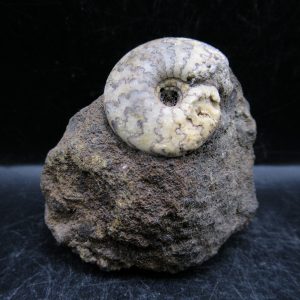
Craspedites Jurassic Russian Ammonite #15
$30.00 -
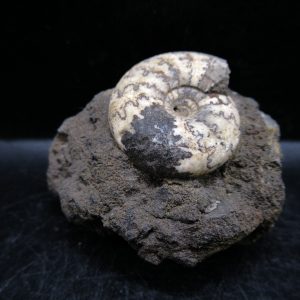
Craspedites Jurassic Russian Ammonite #16
$45.00 -
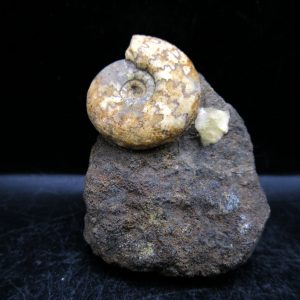
Craspedites Jurassic Russian Ammonite #17
$40.00 -
Sold out!
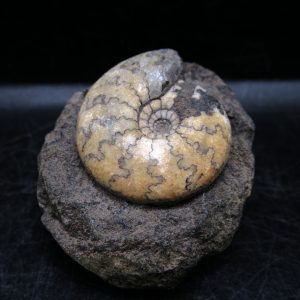
Craspedites Jurassic Russian Ammonite #18
$45.00 -
Sold out!
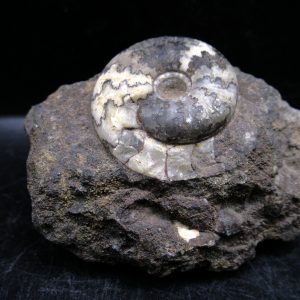
Craspedites Jurassic Russian Ammonite #19
$45.00 -
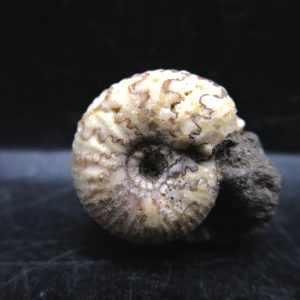
Craspedites Jurassic Russian Ammonite #2
$25.00 -
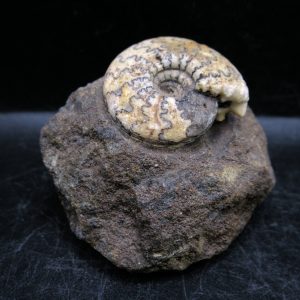
Craspedites Jurassic Russian Ammonite #20
$45.00 -
Sold out!
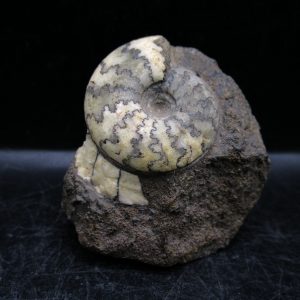
Craspedites Jurassic Russian Ammonite #21
$45.00 -
Sold out!
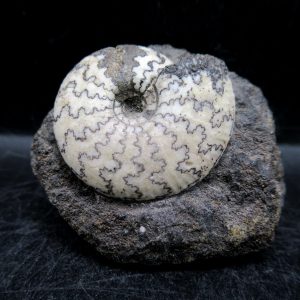
Craspedites Jurassic Russian Ammonite #22
$45.00 -
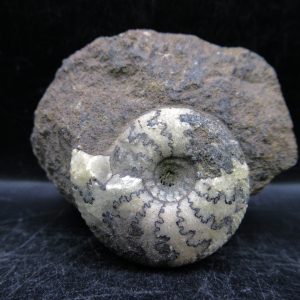
Craspedites Jurassic Russian Ammonite #23
$50.00 -
Sold out!
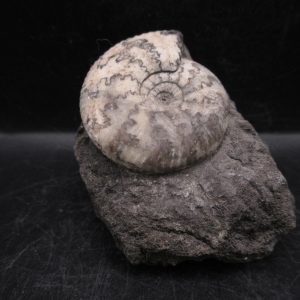
Craspedites Jurassic Russian Ammonite #24
$55.00 -
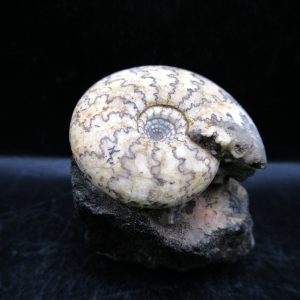
Craspedites Jurassic Russian Ammonite #25
$55.00 -
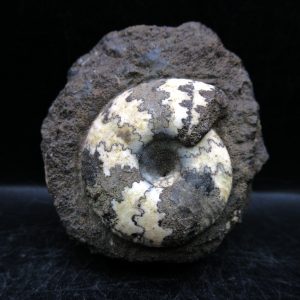
Craspedites Jurassic Russian Ammonite #26
$75.00 -
Sold out!
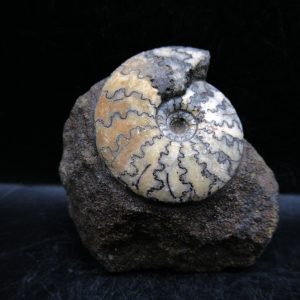
Craspedites Jurassic Russian Ammonite #27
$75.00 -
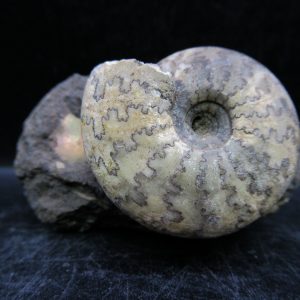
Craspedites Jurassic Russian Ammonite #28
$75.00 -
Sold out!
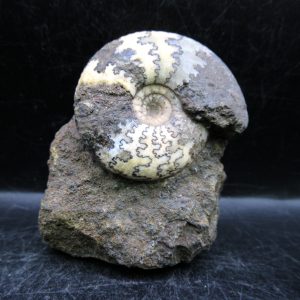
Craspedites Jurassic Russian Ammonite #29
$75.00 -
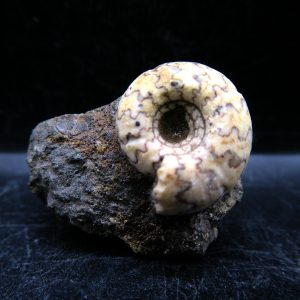
Craspedites Jurassic Russian Ammonite #3
$25.00 -
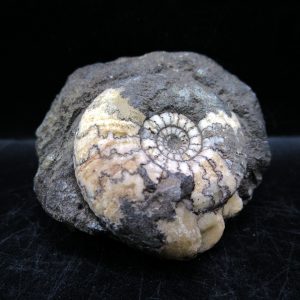
Craspedites Jurassic Russian Ammonite #30
$75.00 -
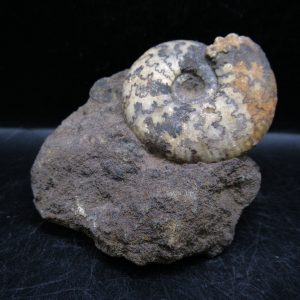
Craspedites Jurassic Russian Ammonite #31
$85.00 -
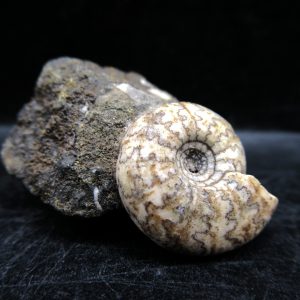
Craspedites Jurassic Russian Ammonite #4
$25.00 -
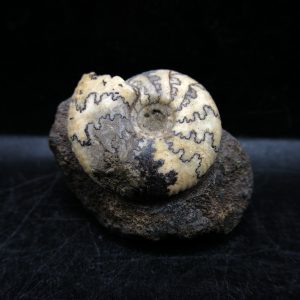
Craspedites Jurassic Russian Ammonite #5
$25.00 -
Sold out!
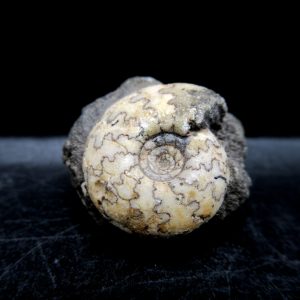
Craspedites Jurassic Russian Ammonite #6
$25.00 -
Sold out!
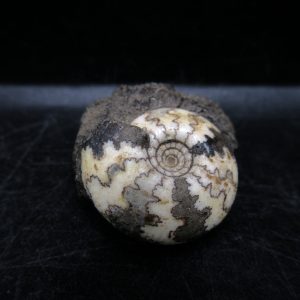
Craspedites Jurassic Russian Ammonite #7
$25.00 -
Sold out!
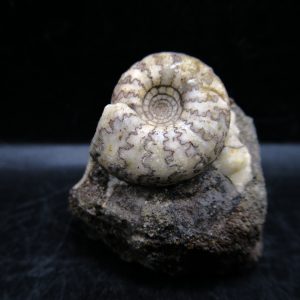
Craspedites Jurassic Russian Ammonite #8
$25.00 -
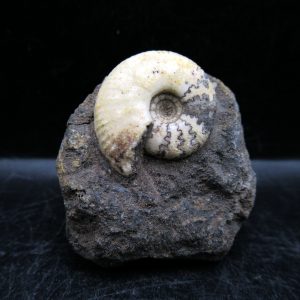
Craspedites Jurassic Russian Ammonite #9
$25.00 -

Hibolithes hastatus Jurassic German Belemnite For Sale #2
$55.00 -

Hibolithes hastatus Jurassic German Belemnite For Sale #3
$55.00 -

Hibolithes hastatus Jurassic German Belemnite For Sale #4
$55.00 -

Hibolithes hastatus Jurassic German Belemnite For Sale #5
$55.00 -

Hibolithes hastatus Jurassic German Belemnite For Sale #6
$55.00 -

Hibolithes hastatus Jurassic German Belemnite For Sale #7
$75.00 -

Hibolithes hastatus Jurassic German Belemnite For Sale #8
$125.00 -
Sold out!
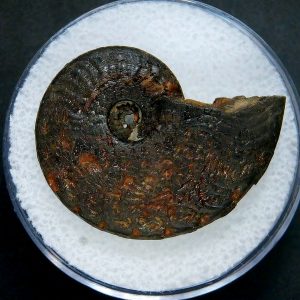
Jurassic Ammonite – Southern France #1
$7.50 -
Sold out!
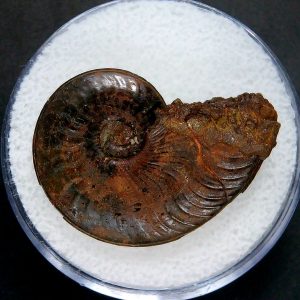
Jurassic Ammonite – Southern France #10
$7.50 -
Sold out!
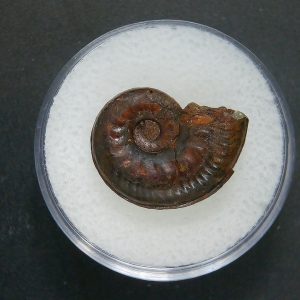
Jurassic Ammonite – Southern France #100
$4.00 -
Sold out!
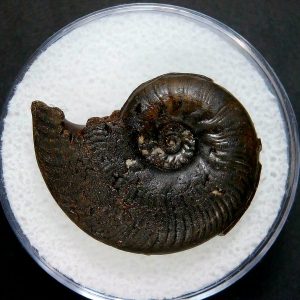
Jurassic Ammonite – Southern France #11
$7.50 -
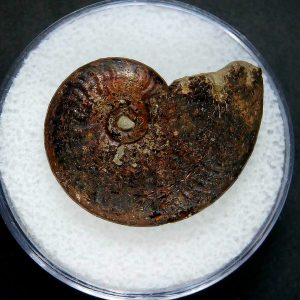
Jurassic Ammonite – Southern France #12
$7.50 -
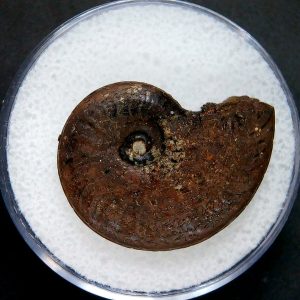
Jurassic Ammonite – Southern France #13
$7.50 -
Sold out!
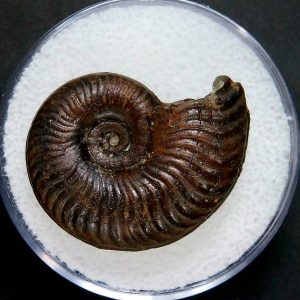
Jurassic Ammonite – Southern France #14
$7.50
- Buy Fossils
- Fossils for Sale
- Large Selection
- Great Prices and Great Selection
- Authenticity Guaranteed
- Satisfaction Guaranteed
- Your TRUSTED SOURCE for over 25 years!
- Many more videos are available on our YouTube Channel.
Fossil Cephalopods: Ancient Masters of the Paleozoic and Mesozoic Seas
Introduction:
Fossil cephalopods—such as ammonites, belemnites, nautiloids, and early coleoids—represent some of the most iconic and scientifically valuable fossils on Earth. These organisms dominated ancient oceans for over 500 million years, leaving behind intricate shells and internal structures that offer rare insights into evolution, paleoenvironments, and mass extinction events.
Today, cephalopod fossils remain essential to research in biostratigraphy, paleoecology, climate science, and evolutionary biology, while also maintaining strong appeal among collectors and educators.
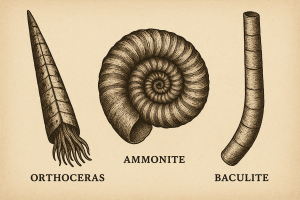
What Are Cephalopods?
Cephalopods are a class of mollusks that include modern octopuses, squid, cuttlefish, and nautilus. The fossil record demonstrates that ancient cephalopods were once far more diverse and structurally complex, particularly in their shelled forms.
Major Fossil Cephalopod Groups
- Ammonites – Extinct marine cephalopods with coiled, chambered shells used in dating geological formations.
- Belemnites – Sleek, squid-like animals known for their bullet-shaped rostra.
- Orthoceras & Straight-Shelled Nautiloids – Among the earliest cephalopods, dominant in the Paleozoic seas.
- Coleoids (Ancient Squid & Octopus Relatives) – Rare fossil forms preserved in soft-tissue Lagerstätten.
Scientific Importance of Fossil Cephalopods
- Biostratigraphic Precision
Ammonites evolved rapidly, making them ideal index fossils. Their global distribution and fast turnover allow geologists to:
- Date sedimentary layers with high accuracy
- Correlate rock formations across continents
- Reconstruct past marine environments
- Evolutionary Insights
Cephalopods document major evolutionary innovations such as:
- Jet propulsion
- Advanced vision
- Chambered buoyancy systems
- Shell reduction leading to soft-bodied forms
These transitions help scientists track the origins of modern squid and octopuses.
- Paleoclimate Reconstruction
Isotopic analysis of cephalopod shells enables researchers to estimate:
- Ancient ocean temperatures
- Carbon cycle changes
- Salinity and depth preferences
- Extinction Dynamics
The abrupt disappearance of ammonites at the Cretaceous–Paleogene (K–Pg) boundary provides crucial evidence for asteroid-impact–triggered environmental collapse.
How Cephalopod Fossils Form
Most cephalopods lived in open marine environments. After death, their shells settled onto the seafloor. Fossilization typically involves:
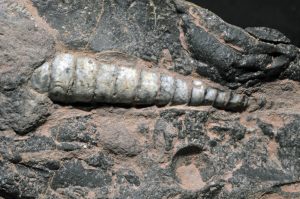
- Sediment burial
- Mineral replacement (aragonite → calcite)
- Compression or preservation in concretions
- Long-term lithification of surrounding sediments
In rare anoxic environments, belemnite soft tissues or squid imprints can be preserved, offering exceptional paleobiological detail.
Types of Fossil Cephalopods and Their Characteristics
Ammonites
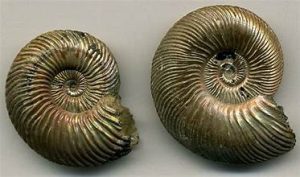
- Coiled shells with complex suture patterns
- Excellent biostratigraphic markers
- Found worldwide in Jurassic and Cretaceous deposits
Belemnites
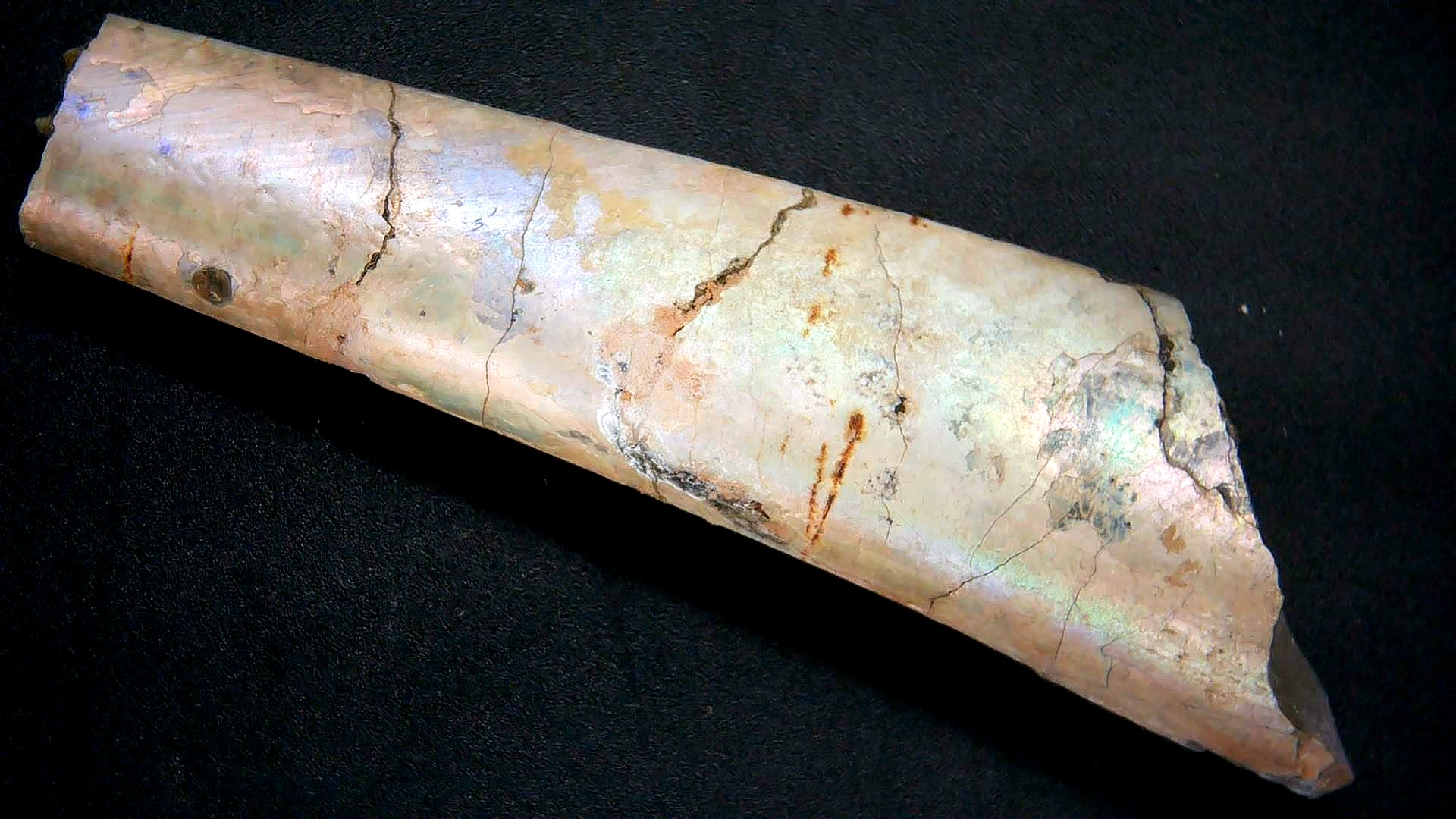
- Internal rostrum composed of calcite
- Indicate Mesozoic marine predatory ecosystems
- Help reconstruct paleo-ocean temperatures via oxygen isotopes
Orthoceras & Straight Nautiloids
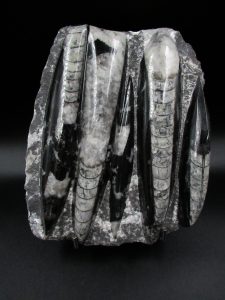
- Long, straight shells with repeated chambers
- Common in Ordovician–Devonian rocks
- Popular in decorative stone and museum exhibits
Ancient Coleoids
Soft-bodied fossils preserved only under exceptional conditions, particularly in:
- Solnhofen Limestone (Germany)
- Bear Gulch Limestone (USA)
Global Distribution of Cephalopod Fossils
Fossil cephalopods appear across nearly every continent. Major localities include:
- Morocco – Devonian orthoceras, ammonites
- Madagascar – Vibrant Cretaceous ammonites
- Germany – Jurassic belemnites and soft-bodied coleoids
- United States – Cretaceous ammonites (Texas, South Dakota, Montana)
- United Kingdom – Jurassic ammonites from Dorset and Yorkshire
These sites reflect ancient seaways rich in marine biodiversity.
Cephalopod Fossils in Modern Science & Education
Research
Scientists use cephalopod fossils to:
- Track evolutionary rates
- Study marine ecosystem changes
- Analyze isotopic signatures for paleoclimate
Education
Fossils provide tactile learning for:
- Earth Science curricula
- Museum exhibitions
- Paleontology outreach programs
Collectors & Decor
Polished ammonites and orthoceras slabs blend scientific history with aesthetic appeal.
Conclusion
Fossil cephalopods offer a window into ancient oceans and evolutionary history. Their exceptional preservation, global distribution, and scientific utility make them some of the most studied fossils in paleontology. Whether used in research, teaching, or collecting, cephalopod fossils continue to enrich our understanding of life’s deep past.
Buy Fossils from Prehistoric Fossils with Confidence!
Keywords:
- fossil cephalopods
- ammonite fossils for sale
- orthoceras fossils
- belemnite fossils
- cephalopod evolution
- paleozoic marine fossils
- scientific fossil identification