
Fossil Bryozoa for Sale
Fossil Bryozoa for Sale – Fossil Bryozoa first appeared in the fossil record 485 million years ago during the Ordovician Period.
Bryozoa are a group of aquatic invertebrate animals that lived in colonies. They are filter feeders living in calm waters where they help clean the water they live.
They had interlaced hollow tubes that they used to strain the water through as they slowly undulated in their aquatic environment.
Showing 1–50 of 141 results
-
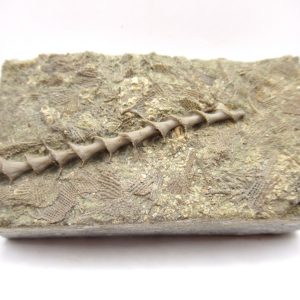
Archimedes Bryozoa – Alabama #1
$30.00 -
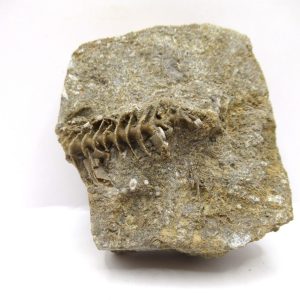
Archimedes Bryozoa – Alabama #10
$35.00 -
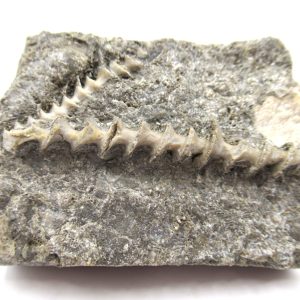
Archimedes Bryozoa – Alabama #11
$45.00 -
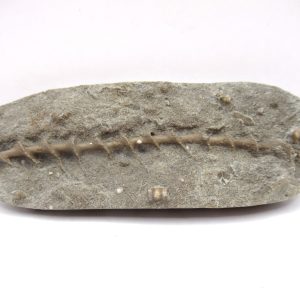
Archimedes Bryozoa – Alabama #12
$35.00 -
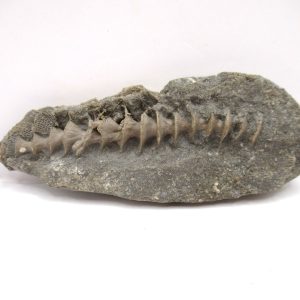
Archimedes Bryozoa – Alabama #13
$35.00 -
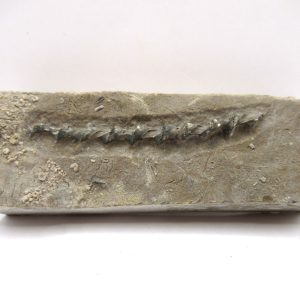
Archimedes Bryozoa – Alabama #14
$35.00 -
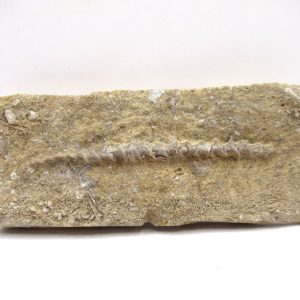
Archimedes Bryozoa – Alabama #15
$35.00 -
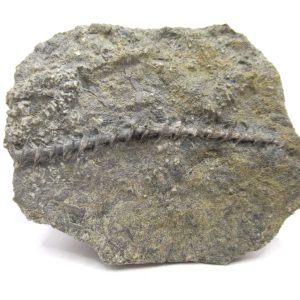
Archimedes Bryozoa – Alabama #16
$35.00 -
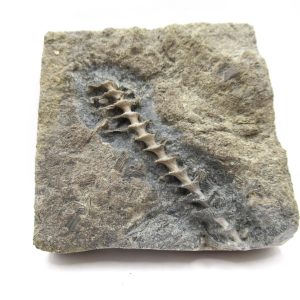
Archimedes Bryozoa – Alabama #17
$35.00 -
Sold out!
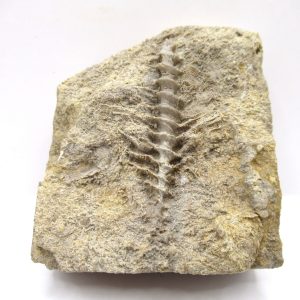
Archimedes Bryozoa – Alabama #18
$35.00 -
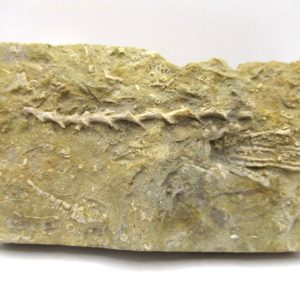
Archimedes Bryozoa – Alabama #19
$35.00 -
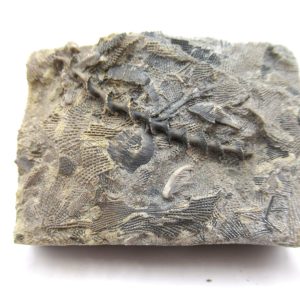
Archimedes Bryozoa – Alabama #2
$30.00 -
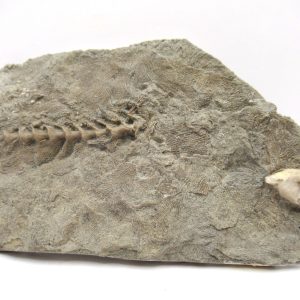
Archimedes Bryozoa – Alabama #20
$45.00 -
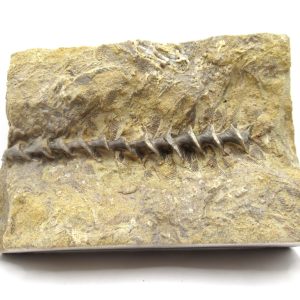
Archimedes Bryozoa – Alabama #21
$30.00 -
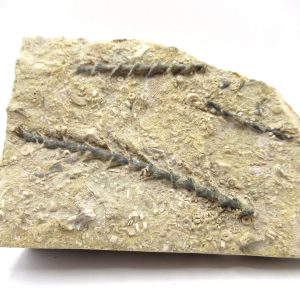
Archimedes Bryozoa – Alabama #22
$45.00 -
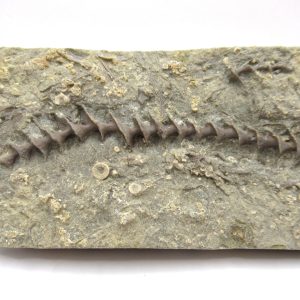
Archimedes Bryozoa – Alabama #23
$50.00 -
Sold out!
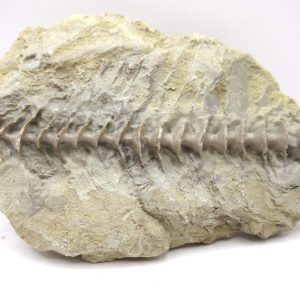
Archimedes Bryozoa – Alabama #24
$50.00 -
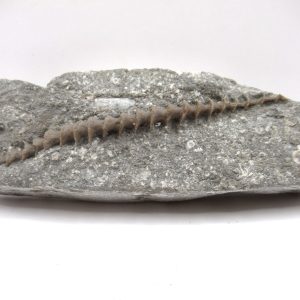
Archimedes Bryozoa – Alabama #25
$50.00 -

Archimedes Bryozoa – Alabama #26
$50.00 -
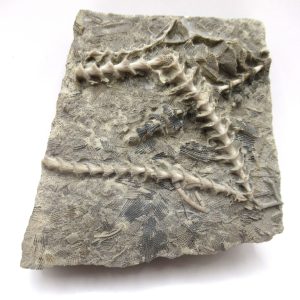
Archimedes Bryozoa – Alabama #27
$55.00 -
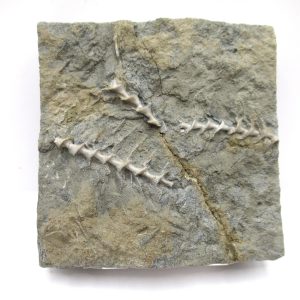
Archimedes Bryozoa – Alabama #28
$50.00 -
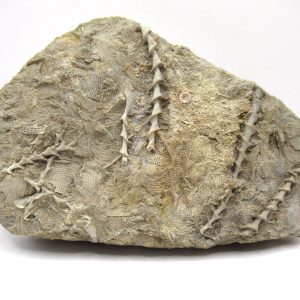
Archimedes Bryozoa – Alabama #29
$70.00 -
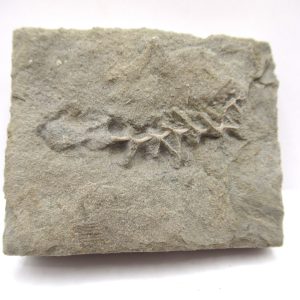
Archimedes Bryozoa – Alabama #3
$30.00 -
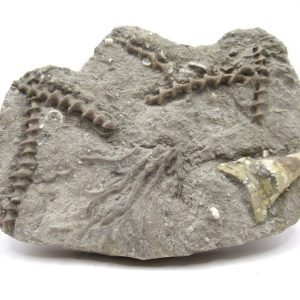
Archimedes Bryozoa – Alabama #30
$75.00 -
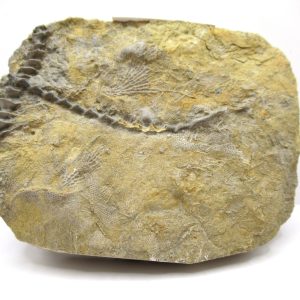
Archimedes Bryozoa – Alabama #31
$60.00 -
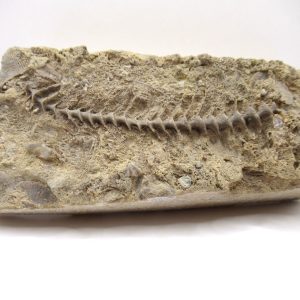
Archimedes Bryozoa – Alabama #32
$60.00 -
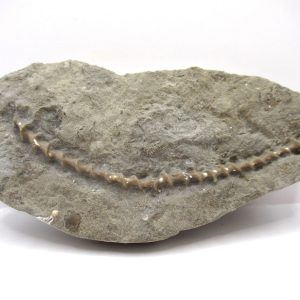
Archimedes Bryozoa – Alabama #33
$60.00 -
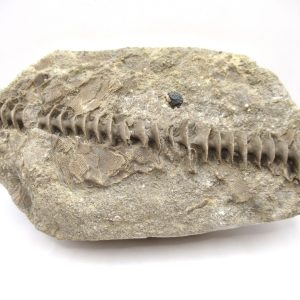
Archimedes Bryozoa – Alabama #34
$60.00 -
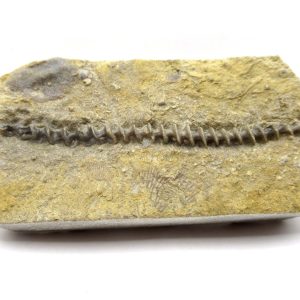
Archimedes Bryozoa – Alabama #35
$60.00 -
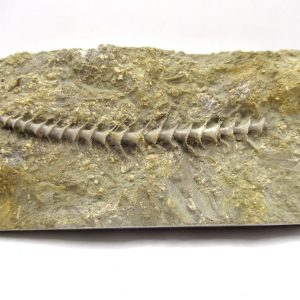
Archimedes Bryozoa – Alabama #36
$65.00 -
Sold out!
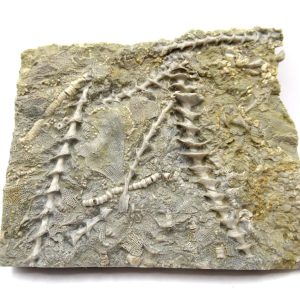
Archimedes Bryozoa – Alabama #37
$75.00 -
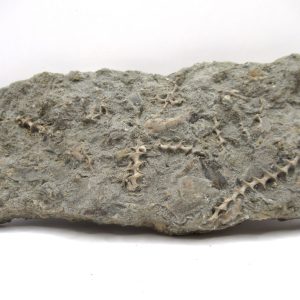
Archimedes Bryozoa – Alabama #38
$60.00 -
Sold out!
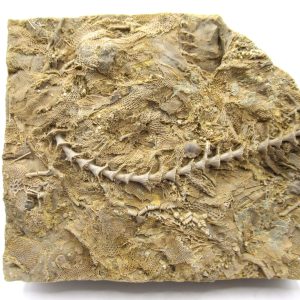
Archimedes Bryozoa – Alabama #39
$75.00 -
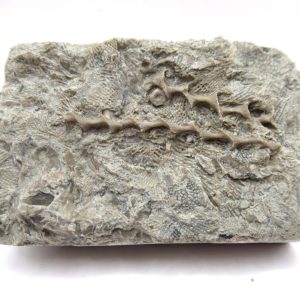
Archimedes Bryozoa – Alabama #4
$35.00 -
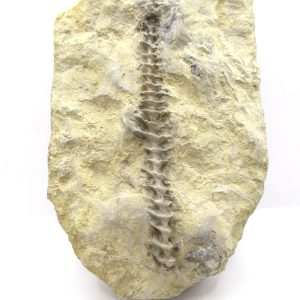
Archimedes Bryozoa – Alabama #40
$75.00 -
Sold out!
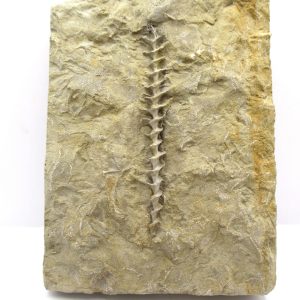
Archimedes Bryozoa – Alabama #41
$75.00 -
Sold out!
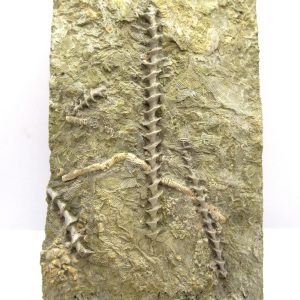
Archimedes Bryozoa – Alabama #42
$95.00 -
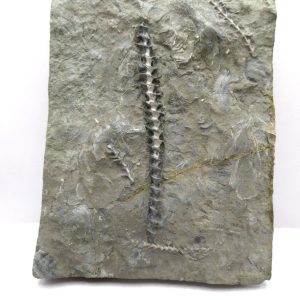
Archimedes Bryozoa – Alabama #43
$95.00 -
Sold out!
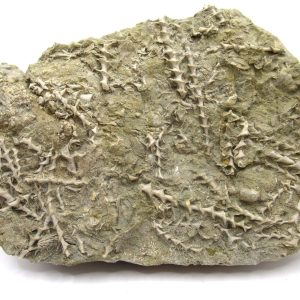
Archimedes Bryozoa – Alabama #44
$125.00 -
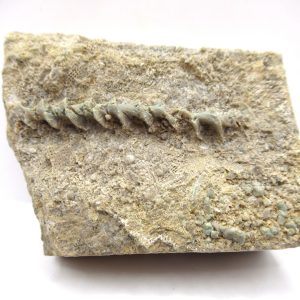
Archimedes Bryozoa – Alabama #5
$35.00 -
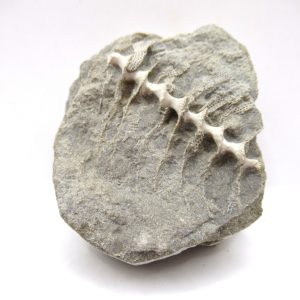
Archimedes Bryozoa – Alabama #6
$45.00 -
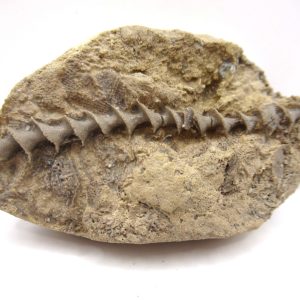
Archimedes Bryozoa – Alabama #7
$35.00 -
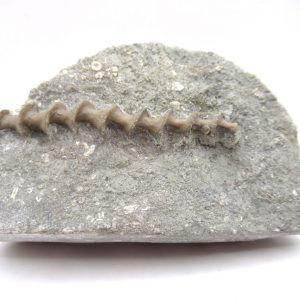
Archimedes Bryozoa – Alabama #8
$35.00 -
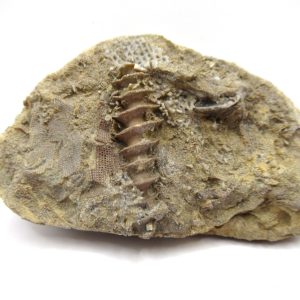
Archimedes Bryozoa – Alabama #9
$35.00 -
Sold out!
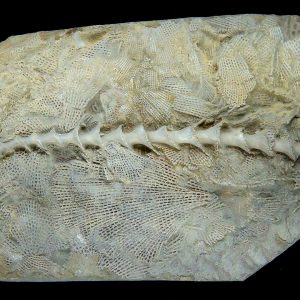
Archimedes Bryozoa – Illinois #60
$30.00 -
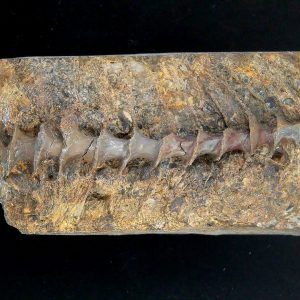
Archimedes Bryozoa – Illinois #61
$30.00 -
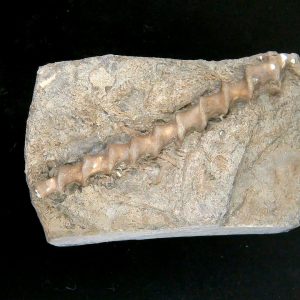
Archimedes Bryozoa – Illinois #62
$30.00 -
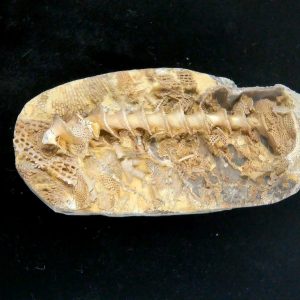
Archimedes Bryozoa – Illinois #63
$30.00 -
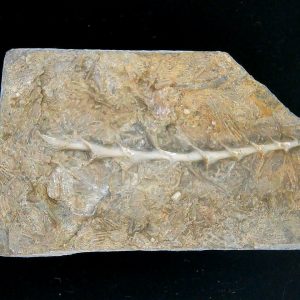
Archimedes Bryozoa – Illinois #64
$30.00 -
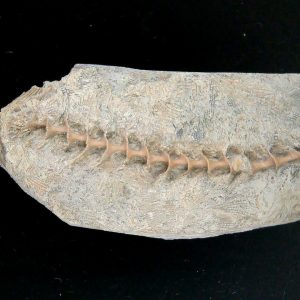
Archimedes Bryozoa – Illinois #65
$30.00
- Buy Fossils
- Fossils for Sale
- Large Selection
- Great Prices and Great Selection
- Authenticity Guaranteed
- Satisfaction Guaranteed
- Your TRUSTED SOURCE for over 25 years!
- Many more videos are available on our YouTube Channel.
Fossil Bryozoa: A Comprehensive Guide to Their Evolution, Identification, and Geological Importance
Introduction
Fossil bryozoa—also known as “moss animals”—are colonial, filter-feeding invertebrates that have thrived in Earth’s oceans for more than 500 million years. Although less widely known than corals or trilobites, bryozoans are among the most abundant fossil groups in Paleozoic marine rocks. Their intricate skeletal structures provide key insights into paleoecology, sedimentary environments, and evolutionary history.
What Are Bryozoa?
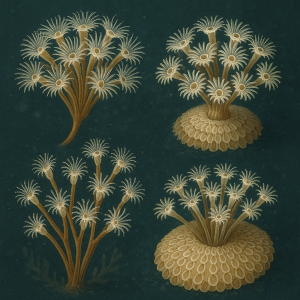
Bryozoans are small colonial animals that produce calcareous or chitinous skeletons. Each colony consists of hundreds to millions of individuals called zooids, each about 0.5 mm long.
Key Characteristics
- Colonial growth forms: branching, encrusting, fan-shaped, net-like
- Lophophore feeding structure: tentacles for suspension feeding
- Skeletal composition: primarily calcium carbonate, aiding fossilization
- Habitat: shallow marine environments, reefs, hard substrates
Bryozoa are sometimes mistaken for corals, but they differ significantly in colony architecture and microscopic skeletal features.
Geological History of Bryozoans
Bryozoans first appeared in the Early Ordovician (~480 Ma) and experienced explosive diversification during the Paleozoic Era.
Major Evolutionary Milestones
Ordovician Radiation
- First major diversification into branching, massive, and sheetlike forms
- Important reef contributors in shallow carbonate seas
Silurian–Devonian
- Increased morphological complexity
- Wide distribution in reef and shelf environments
Carboniferous Peak
- Bryozoans reached peak abundance
- Fenestrate bryozoans (net-like colonies) dominated Mississippian limestones
Permian–Mesozoic Transition
- End-Permian mass extinction reduced diversity but did not eliminate them
- Modern bryozoan groups flourished in the Cenozoic
Today, over 6,000 living species highlight their long-term success.
Types of Fossil Bryozoans
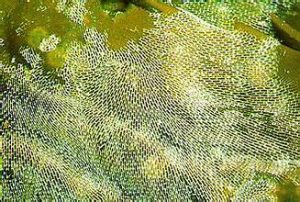
Understanding the morphology of fossil bryozoa is essential for identification and paleoenvironmental interpretation.
- Trepostomata (Ordovician–Triassic)
- Thick, massive or branching colonies
- Tubular zooecia visible in cross section
- Common in Ordovician and Silurian limestones
- Fenestrata (Mississippian–Permian)
- Iconic “lacy” or “net-like” colonies
- Often found as broken fans in carbonate rocks
- Excellent indicators of calm, shallow marine environments
- Cyclostomata
- Tubular zooids with circular openings
- Dominant group from Jurassic to Cretaceous
- Encrusting forms common on shells and corals
- Cheilostomata
- Most abundant modern bryozoans
- Appeared in the Jurassic, diversified in Cretaceous
- Box-shaped zooids, often with opercula
How to Identify Fossil Bryozoa
Identifying bryozoans can be challenging due to their small size and colony complexity, but key features include:
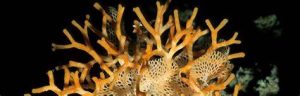
- Colony Growth Form
- Encrusting sheets
- Erect branching structures
- Fan-shaped fenestrations
- Massive domes
- Zooecial Opening Shape
- Circular, oval, polygonal, or slit-like
- Wall Structure
Thin sections often reveal diagnostic micro-architecture:
- Diaphragms
- Mesopores
- Acanthostyles
- Surface Ornamentation
- Ridges
- Spines
- Monticules
Collectors often use a 10–20× magnifying lens when examining bryozoan fossils.
Where to Find Fossil Bryozoans
Bryozoan fossils are particularly common in Paleozoic carbonate rocks.
Top Global Locations
- Ohio, Indiana, Kentucky (USA): abundant Ordovician & Carboniferous bryozoans
- Yorkshire & Wales (UK): Carboniferous limestone fenestrates
- Australia: Devonian and Permian bryozoan-rich reefs
- Russia & Estonia: world-famous Ordovician fauna
Common Rock Types
- Limestone
- Dolostone
- Calcareous shales
- Reef deposits
Why Fossil Bryozoa Matter
Bryozoans are essential to paleontologists and geologists because they:
- Indicate Paleoenvironmental Conditions
Colony morphology reflects:
- Water energy levels
- Substrate type
- Depth and turbidity
- Aid in Biostratigraphy
Specific bryozoan groups mark stratigraphic zones in:
- Ordovician
- Carboniferous
- Cretaceous
- Record Evolutionary Innovation
Their rich fossil record helps track:
- Colonial complexity
- Skeletal mineralogy changes
- Adaptive radiation events
- Support Modern Marine Research
Living bryozoans are used in studies of:
- Biomineralization
- Reef ecology
- Environmental stress responses