
Dinosaur Fossils For Sale | Real Dinosaur Teeth, Bones & Fossils
Dinosaur Fossils For Sale – Evidence of a Prehistoric World
Dinosaur Fossils For Sale give collectors, educators, and fossil enthusiasts a remarkable connection to animals that lived millions of years ago. Dinosaurs first appeared during the Triassic Period about 230 million years ago. Later, they became the dominant large land vertebrates throughout much of the Jurassic and Cretaceous periods. Finally, non-avian dinosaurs disappeared about 66 million years ago, while birds survived as living dinosaurs.
Types of Dinosaur Fossils
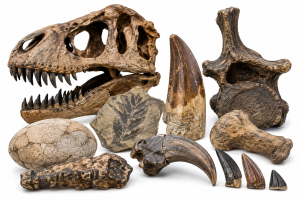
Dinosaur fossils include bones, teeth, claws, eggs, footprints, and even skin impressions. In addition, scientists sometimes discover fossilized nests and coprolites, or fossil dung. Each type of fossil can reveal different information. For example, dinosaur teeth may provide clues about diet, while fossil footprints can show how a dinosaur walked, traveled, or interacted with others.
How Dinosaur Fossils Form
Fossilization requires special conditions. First, sediment must quickly cover dinosaur remains or traces. This burial helps protect them from weather, scavengers, and decay. Then, minerals carried by groundwater can enter spaces within buried bones. Over time, chemical and physical processes preserve the remains within sedimentary rock.
Why Complete Dinosaur Fossils Are Rare
However, complete dinosaur skeletons are uncommon. Most discoveries consist of isolated bones, teeth, or fragments. Therefore, paleontologists carefully compare each specimen with known fossils to help determine its identity, age, and possible species.
Collecting Dinosaur Fossils For Sale
Today, genuine Dinosaur Fossils For Sale allow collectors to own direct evidence of prehistoric life. Researchers use dinosaur fossils to study evolution, anatomy, growth, behavior, and ancient environments. Moreover, museums and educators use authentic specimens to teach people about Earth’s long history.
Collectors also value legally obtained Dinosaur Fossils For Sale for their scientific, educational, historical, and display value. Above all, every authentic dinosaur fossil represents real evidence of creatures that lived on Earth millions of years before humans appeared.
Showing 951–994 of 994 results
-
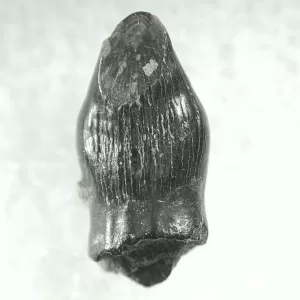
Thescelosaurus Dinosaur Tooth #66
$75.00 -
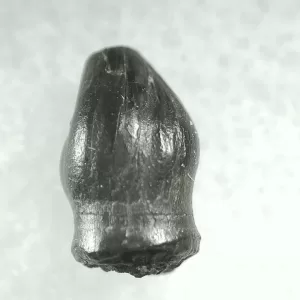
Thescelosaurus Dinosaur Tooth #67
$75.00 -

Thescelosaurus Dinosaur Tooth #5
$95.00 -

Thescelosaurus Dinosaur Tooth #7
$95.00 -

Thescelosaurus Dinosaur Tooth #8
$95.00 -

Thescelosaurus Dinosaur Tooth #9
$95.00 -

Rebbachisaurus Dinosaur Tooth #12
$125.00 -

Rebbachisaurus Dinosaur Tooth #13
$125.00 -
Sold out!

Rebbachisaurus Dinosaur Tooth #14
$125.00 -
Sold out!

Rebbachisaurus Dinosaur Tooth #15
$125.00 -

Rebbachisaurus Dinosaur Tooth #17
$125.00 -

Rebbachisaurus Dinosaur Tooth #18
$125.00 -
Sold out!

Titanosaur Sauropod Tooth #2
$145.00 -
Sold out!

Titanosaur Sauropod Tooth #8
$145.00 -

Thescelosaurus Dinosaur Tooth #3
$95.00 -
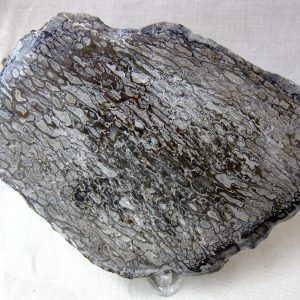
Polished Cretaceous Dinosaur Bone #12
$48.00 -
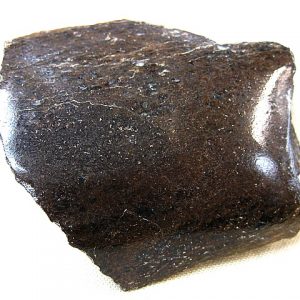
Polished Jurassic Dinosaur Bone #11
$20.00 -

Polished Jurassic Dinosaur Bone #13
$20.00 -

Polished Jurassic Dinosaur Bone #15
$20.00 -

Polished Jurassic Dinosaur Bone #40
$20.00 -

Polished Jurassic Dinosaur Bone #44
$20.00 -

Polished Jurassic Dinosaur Bone #50
$20.00 -

Polished Jurassic Dinosaur Bone #52
$20.00 -

Polished Jurassic Dinosaur Bone #54
$20.00 -

Polished Jurassic Dinosaur Bone #56
$20.00 -
Sold out!

Polished Jurassic Dinosaur Bone #61
$20.00 -

Polished Jurassic Dinosaur Bone #64
$20.00 -

Polished Jurassic Dinosaur Bone #65
$20.00 -

Polished Jurassic Dinosaur Bone #68
$20.00 -

Polished Jurassic Dinosaur Bone #71
$20.00 -
Sold out!

Polished Jurassic Dinosaur Bone #80
$20.00 -
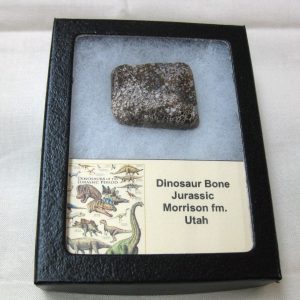
Polished Jurassic Dinosaur Cabochon #31
$20.00 -
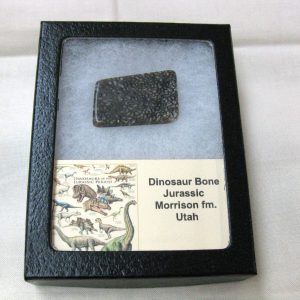
Polished Jurassic Dinosaur Cabochon #32
$20.00 -
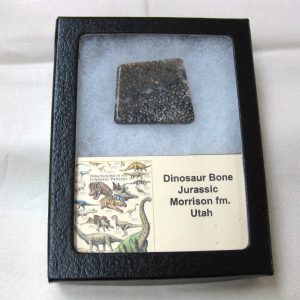
Polished Jurassic Dinosaur Cabochon #33
$20.00 -
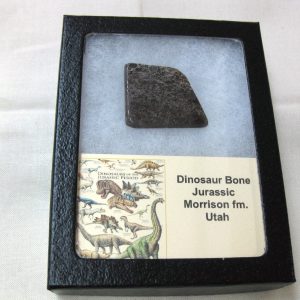
Polished Jurassic Dinosaur Cabochon #37
$20.00 -
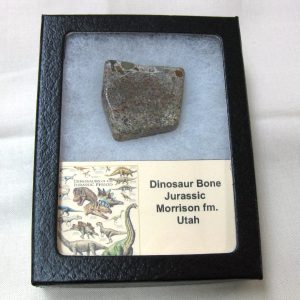
Polished Jurassic Dinosaur Cabochon #39
$20.00 -
Sold out!
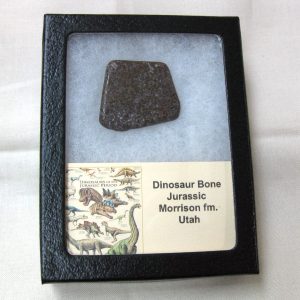
Polished Jurassic Dinosaur Cabochon #40
$20.00 -

Polished Jurassic Dinosaur Cabochon #41
$20.00 -
Sold out!

Polished Jurassic Dinosaur Cabochon #42
$20.00 -
Sold out!

Polished Jurassic Dinosaur Cabochon #43
$20.00 -

Polished Jurassic Dinosaur Cabochon #46
$20.00 -

Polished Jurassic Dinosaur Cabochon #47
$20.00 -

Polished Jurassic Dinosaur Cabochon #48
$20.00 -
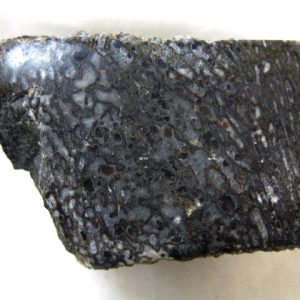
Polished Jurassic Dinosaur Bone #8
$20.00
- Buy Fossils
- Fossils for Sale
- Large Selection
- Great Prices and Great Selection
- Authenticity Guaranteed
- Satisfaction Guaranteed
- Your TRUSTED SOURCE for over 25 years!
- Many more videos are available on our YouTube Channel.
Dinosaur Fossils For Sale – The Science of Dinosaur Fossils
Dinosaur Fossils For Sale give collectors, educators, museums, and fossil enthusiasts a direct connection to Earth’s prehistoric past. Dinosaur fossils are also valuable scientific resources because they help paleontologists study ancient anatomy, behavior, evolution, and environments. These preserved remains include bones, teeth, claws, eggs, footprints, skin impressions, and other evidence left by dinosaurs that lived during the Mesozoic Era.
Modern paleontology combines geology, biology, chemistry, and advanced imaging technology. Therefore, scientists can now study dinosaur fossils in greater detail than ever before. CT scanning, 3D modeling, bone histology, and stable isotope analysis all help researchers reconstruct prehistoric ecosystems and better understand how dinosaurs lived, grew, moved, and evolved.
What Are Dinosaur Fossils?
Fossils are preserved remains or evidence of ancient life. In dinosaurs, scientists commonly divide fossils into several important categories:
- Body fossils: bones, teeth, claws, eggs, feathers, and skin impressions
- Trace fossils: footprints, trackways, nests, burrows, and other evidence of activity
- Chemical evidence: molecular or isotopic signatures preserved within fossil material or surrounding rock
Body fossils reveal important details about dinosaur anatomy and evolution. Meanwhile, trace fossils can provide evidence about movement, nesting, feeding, and social behavior. As a result, both types of fossils contribute to a more complete understanding of prehistoric life.
How Dinosaur Fossils Form
Fossilization is uncommon because most animal remains decay, scatter, or disappear before burial. However, certain environments greatly improve the chance that dinosaur remains will enter the fossil record.
Rapid Burial
First, rapid burial protects bones and other remains from weathering, scavengers, and surface disturbance. Dinosaurs that died near rivers, floodplains, lakes, deltas, or areas covered by volcanic sediment had a better chance of preservation. Fine sediment could quickly cover the remains and begin the fossilization process.
Permineralization and Mineral Changes
Next, groundwater may move through buried dinosaur bones. Minerals such as silica, calcite, and iron compounds can enter microscopic spaces within the bone. This process, called permineralization, strengthens the fossil while preserving much of its original internal structure.
In addition, some original bone minerals may undergo chemical alteration or replacement. Therefore, a fossil can contain both original biological structure and minerals added during burial.
Geological Uplift and Exposure
Finally, erosion and geological uplift can bring deeply buried fossil-bearing rocks back toward the surface. Wind, rain, rivers, and changing landscapes gradually expose these layers. Paleontologists then search suitable rock formations for visible fossil material.
Where Dinosaur Fossils Are Found
Dinosaur Fossils For Sale may originate from legally collected fossil-bearing formations in different parts of the world. However, fossil collecting laws vary greatly by country, land ownership, and location. Responsible collectors should always consider legal provenance and accurate identification.
Some of the world’s most famous dinosaur-producing geological formations and regions include:
- Hell Creek Formation, United States: known for Tyrannosaurus rex, Triceratops, and other Late Cretaceous animals
- Morrison Formation, United States: famous for Allosaurus, Stegosaurus, Apatosaurus, and other Late Jurassic dinosaurs
- Gobi Desert, Mongolia and China: known for dinosaurs including Velociraptor and Protoceratops
- Patagonia, Argentina: famous for giant dinosaurs including Argentinosaurus and large theropods such as Giganotosaurus
These regions preserve rocks deposited in ancient floodplains, river systems, deserts, and other environments. Consequently, paleontologists can study both dinosaur remains and the sediments that surrounded them.
How Paleontologists Study Dinosaur Fossils
CT and Micro-CT Scanning
CT and micro-CT scanning allow researchers to examine internal fossil structures without cutting or damaging important specimens. For example, scans can reveal braincase cavities, inner ear structures, tooth replacement patterns, blood-vessel channels, and internal bone anatomy.
Because these methods are non-destructive, they have become especially valuable when scientists study rare or fragile dinosaur fossils.
3D Modeling and Digital Reconstruction
Scientists can also create detailed three-dimensional models from photographs, laser scans, or CT data. These digital reconstructions help researchers study skeletal anatomy, joint movement, posture, and possible locomotion.
Moreover, digital models allow paleontologists around the world to compare specimens without physically transporting valuable fossils.
Stable Isotope Analysis
Stable isotope studies can provide clues about ancient diets, climates, water sources, and environments. For example, isotope ratios preserved in fossil teeth may record information about what an animal consumed or the environmental conditions in which it lived.
However, scientists must interpret isotope data carefully because fossil material can change chemically during burial.
Bone Histology
Histology involves examining microscopic structures within fossil bone. Thin sections may reveal growth patterns, blood-vessel organization, remodeling, and changes that occurred as the dinosaur matured.
Therefore, bone histology helps scientists estimate growth rates and compare how different dinosaurs developed through life.
What Dinosaur Fossils Reveal About Prehistoric Life
Dinosaur Behavior and Social Activity
Dinosaur footprints and trackways can reveal movement direction, walking speed, and group behavior. Some track sites contain multiple animals moving in similar directions. However, scientists carefully evaluate such evidence before concluding that dinosaurs traveled as organized herds.
Nests, eggs, and juvenile fossils can also provide important information about reproduction and parental behavior. Fossils associated with dinosaurs such as Maiasaura, for example, have contributed greatly to discussions about dinosaur nesting biology.
Dinosaur Evolution and Anatomy
Fossils document major evolutionary changes across millions of years. In particular, exceptionally preserved feathered dinosaur fossils from China have provided strong evidence that birds evolved from theropod dinosaurs.
As new discoveries appear, scientists continue to refine dinosaur family trees and relationships. Therefore, modern dinosaur classification changes as researchers gather better anatomical and geological evidence.
Ancient Climate and Environments
Dinosaur fossils rarely occur alone. Paleontologists also study nearby plant fossils, pollen, sedimentary rocks, freshwater fossils, marine fossils, volcanic layers, and other geological evidence.
Together, these clues help scientists reconstruct prehistoric forests, floodplains, wetlands, deserts, coastal areas, and river systems. As a result, dinosaur fossils provide information not only about the animals themselves but also about the ecosystems in which they lived.
Dinosaur Fossils and the Cretaceous-Paleogene Extinction
Non-avian dinosaurs disappeared during the Cretaceous-Paleogene extinction event approximately 66 million years ago. Geological evidence strongly supports a major asteroid impact near what is now the Yucatán Peninsula of Mexico as the primary cause of this global extinction.
Scientists have identified evidence including an iridium-rich boundary layer, shocked quartz, impact debris, and the enormous Chicxulub impact structure. Consequently, researchers can connect fossil evidence with geological evidence to better understand one of Earth’s most important mass extinction events.
Why Genuine Dinosaur Fossils Are Important Today
Authentic dinosaur fossils remain valuable to science, education, museums, and responsible private collections. They document more than 160 million years of dinosaur evolution and help researchers study ancient ecosystems, extinction events, climate change, anatomy, and biological adaptation.
For collectors searching for Dinosaur Fossils For Sale, accurate identification, locality information, geological age, and authenticity are especially important. Reliable fossil dealers should clearly describe specimens and avoid unsupported claims about species or provenance.
In addition, scientifically important fossils may provide information far beyond their appearance. A tooth can reveal feeding adaptations, a bone can preserve growth history, and a footprint can record an animal’s movement across an ancient landscape.
Dinosaur Fossils For Sale – A Window Into Earth’s Ancient Past
Dinosaur Fossils For Sale allow people to own and study genuine evidence of prehistoric life while gaining a deeper appreciation for paleontology. More importantly, dinosaur fossils remain one of science’s strongest tools for reconstructing Earth’s distant past.
By combining fossil evidence with geology, biology, chemistry, CT imaging, isotope research, and digital technology, paleontologists continue to improve our understanding of dinosaurs. As new discoveries emerge, scientists gain a clearer picture of how dinosaurs lived, evolved, interacted with their environments, and ultimately responded to dramatic changes on Earth.