
Predation Fossils For Sale | Fossil Evidence of Ancient Predators
Predation Fossils For Sale: Evidence of Ancient Hunters and Prey
Predation Fossils For Sale offer a fascinating look at how ancient animals hunted, attacked, scavenged, and fed on other organisms. While ordinary fossils often show what prehistoric animals looked like, fossils preserving evidence of predation can reveal how they behaved. Therefore, these specimens help paleontologists reconstruct ancient food webs and better understand prehistoric ecosystems.
Evidence of Predation in Fossils
Bite marks provide some of the clearest evidence of ancient predation. For example, dinosaur bones sometimes preserve grooves, punctures, or scratches that match the teeth of large carnivorous dinosaurs. Likewise, marine reptiles, crocodilians, and sharks could leave distinctive feeding marks on fossil bones.
However, a bite mark does not always prove that a predator killed the animal. Scavengers also fed on carcasses. Therefore, paleontologists examine the location, shape, depth, and pattern of bite marks before deciding whether a fossil records hunting, feeding, or scavenging behavior.
Shell Damage and Other Predation Fossils
Fossil shells can also preserve evidence of predator attacks. For instance, fossil mollusk shells may contain drill holes produced by predatory snails. In addition, repaired shell damage can show that an animal survived an attack. These healed injuries provide valuable evidence of direct interactions between living predators and prey.
Because of this, Predation Fossils For Sale may include bitten bones, drilled shells, damaged exoskeletons, or other specimens that preserve traces of feeding behavior.
Why Predation Fossils Are Scientifically Important
Predation fossils help scientists study ancient food chains and ecological relationships. Furthermore, tooth marks can sometimes help identify which predators fed on particular prey animals. Coprolites, or fossilized feces, may also contain fragments of bone, scales, or shells. As a result, they can provide important clues about the diet of prehistoric animals.
Finally, Predation Fossils For Sale can preserve dramatic evidence of survival, feeding, and competition. From dinosaur bite marks to drilled marine shells, each fossil adds another piece to the story of predator-prey relationships in Earth’s ancient ecosystems.
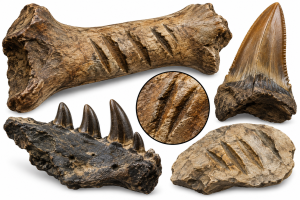
Showing all 5 results
-
Sold out!

Hadrosaurus Dinosaur Bone from S. Dakota for Sale #17
$145.00 -
Sold out!
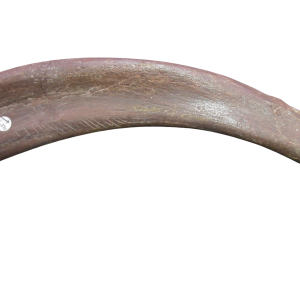
Predatory Bite Marked Dinosaur Bone Fossil for Sale #1
$250.00 -
Sold out!
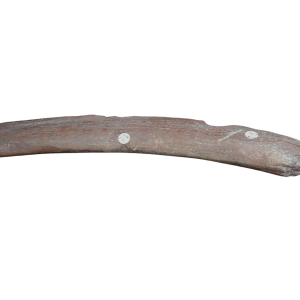
Predatory Bite Marked Dinosaur Bone Fossil for Sale #2
$225.00 -
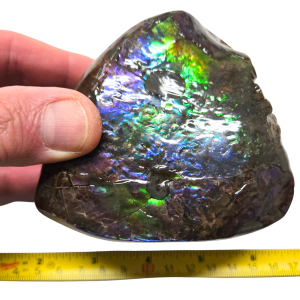
Predatory Bite Marked Gem Ammolite Ammonite Specimen #3
$575.00 -
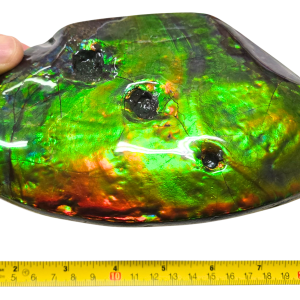
Predatory Bite Marked Gem Ammolite Ammonite Specimen #5
$3,500.00
- Buy Fossils
- Fossils for Sale
- Large Selection
- Great Prices and Great Selection
- Authenticity Guaranteed
- Satisfaction Guaranteed
- Your TRUSTED SOURCE SINCE 1997!
- Many more videos are available on our YouTube Channel.
Predation Fossils For Sale | Fossil Evidence of Ancient Predator-Prey Behavior
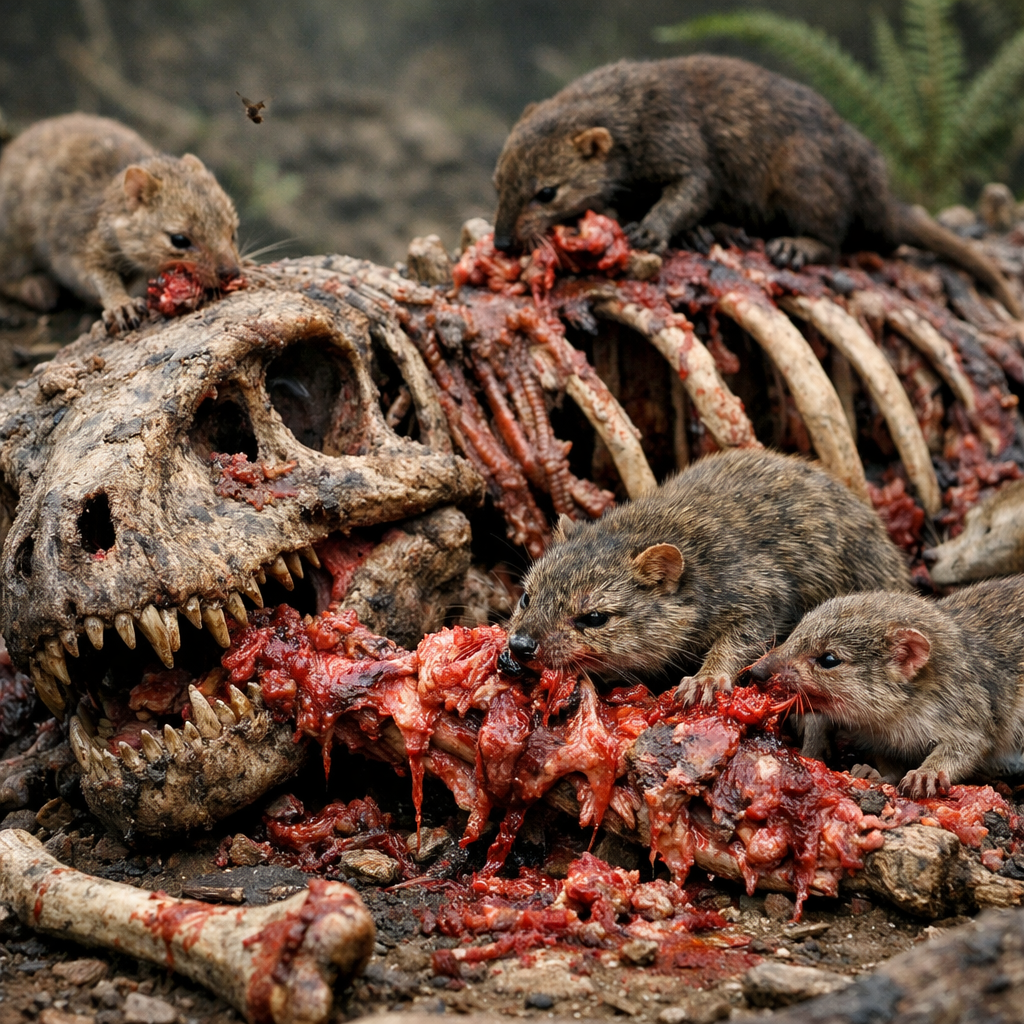
Predation Fossils For Sale offer collectors, educators, and researchers direct evidence of prehistoric feeding behavior. Fossilized bones with bite marks, punctures, grooves, crushing damage, and healed injuries can reveal how ancient predators attacked, fed, or scavenged. Because these traces record actual biological interactions, predation fossils provide valuable scientific insight into prehistoric ecosystems.
Unlike ordinary skeletal remains, fossils showing bite marks can preserve evidence of contact between two animals. As a result, paleontologists use these specimens to study predator-prey relationships, feeding mechanics, survival, scavenging, and ancient food webs.
What Are Predation Fossils?
Predation fossils preserve physical evidence of feeding, attack, or scavenging. Most commonly, these traces appear as tooth marks on fossil bones. However, scientists may also find bite damage on shells, armor, vertebrae, and other hard body parts.
Common Types of Fossil Bite Marks
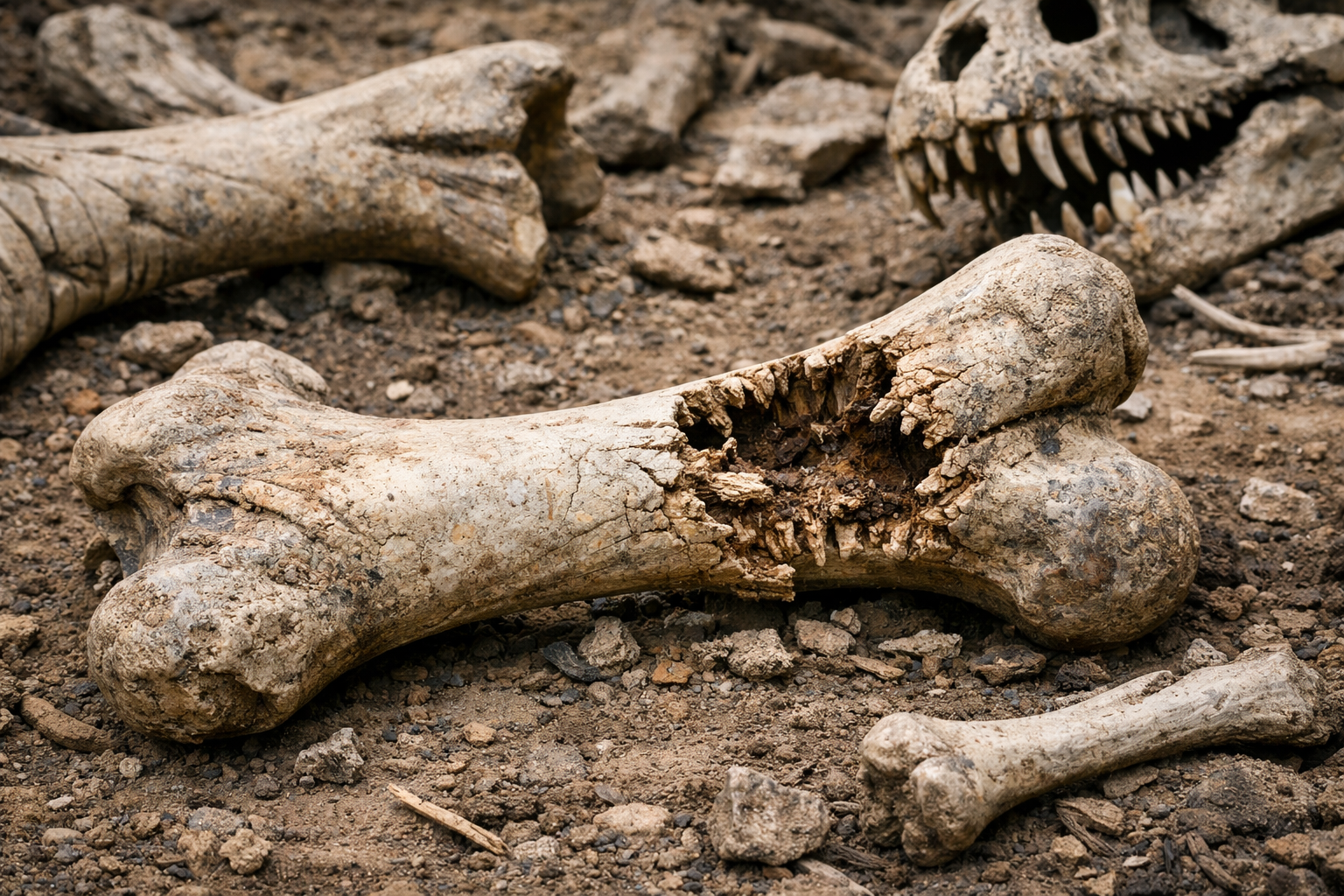
- Punctures – Deep holes caused when teeth penetrate bone or shell.
- Scores and grooves – Linear marks created when teeth drag across a hard surface.
- Furrows – Wider gouges that may form during repeated biting, tearing, or feeding.
- Crushing damage – Fractures or deformation caused by powerful jaws.
Scientists may compare the shape, spacing, depth, and orientation of these marks with known fossil teeth. Consequently, some predation fossils can provide clues about the type of animal responsible for the damage.
How Scientists Identify Predation on Fossils
Paleontologists do not assume that every damaged fossil records a predator attack. Instead, they compare several lines of evidence. This careful approach helps separate genuine feeding traces from geological damage, weathering, trampling, excavation marks, or other postmortem processes.
Tooth Morphology and Bite Mark Matching
Researchers compare bite marks with the known shape and arrangement of predator teeth. For example, certain theropod dinosaurs possessed serrated teeth capable of leaving distinctive feeding traces. In contrast, some crocodyliforms and large aquatic predators produced rounded punctures or crushing damage.
However, tooth marks alone do not always identify an exact species. Therefore, scientists also consider the size of the marks, fossil locality, geological age, associated animals, and likely feeding behavior.
Microscopic Analysis of Fossil Bite Marks
Microscopic examination can reveal fine details that are difficult to see with the naked eye. These features may include micro-striations, tooth drag patterns, fractured bone surfaces, and repeated scoring.
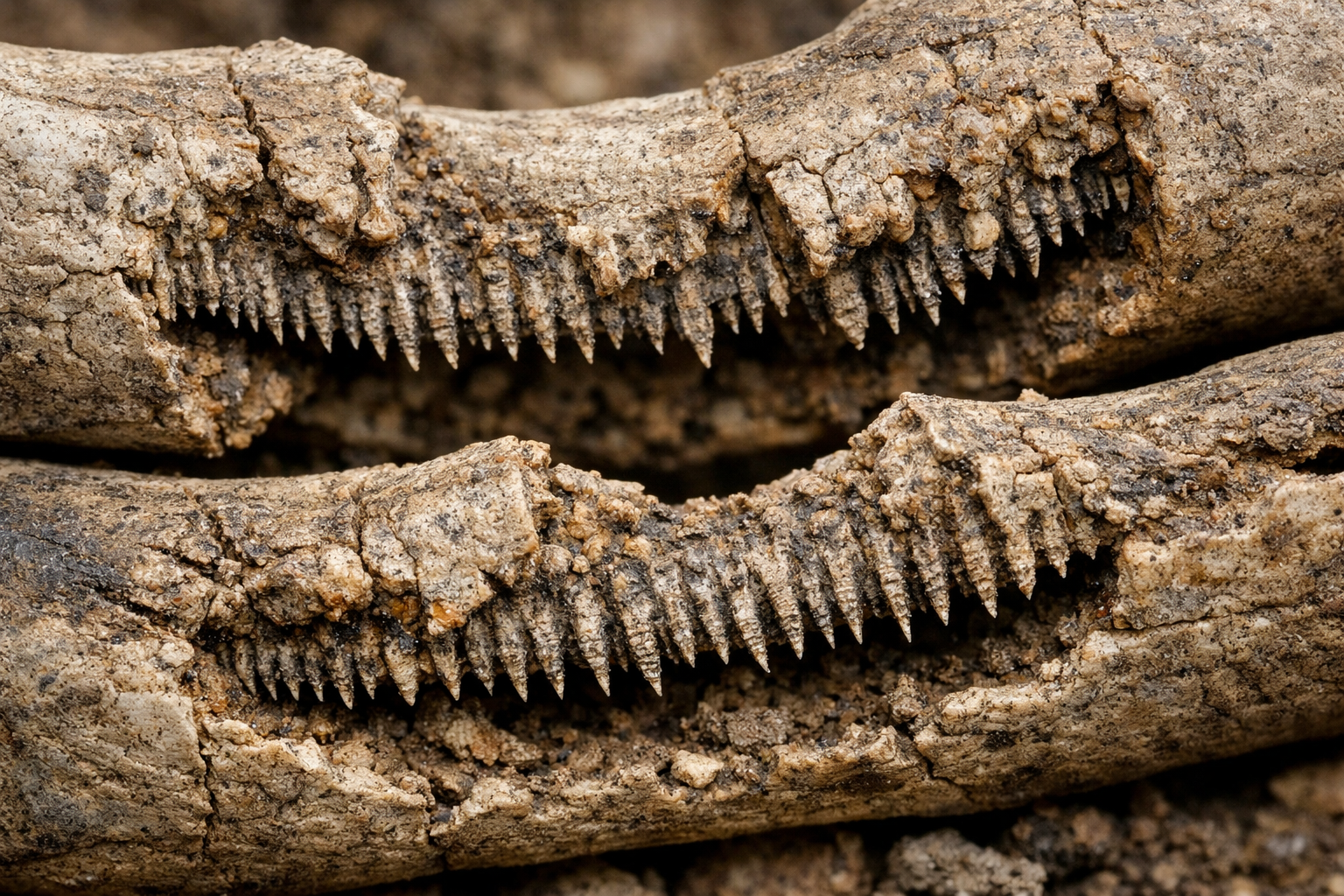 As a result, microscopic analysis helps researchers distinguish biological feeding damage from scratches caused after burial or during fossil preparation.
Bone Healing and Evidence of Survival
One of the strongest forms of evidence comes from bite marks that show bone healing. If new bone grew around an injury, the animal survived long enough for the wound to begin repairing itself.
Therefore, healed predation injuries may document a failed attack or nonfatal encounter. In contrast, marks without healing could result from a fatal attack, feeding on a carcass, or later scavenging.
Famous Examples of Predation Fossils
Tyrannosaurus rex Bite Marks
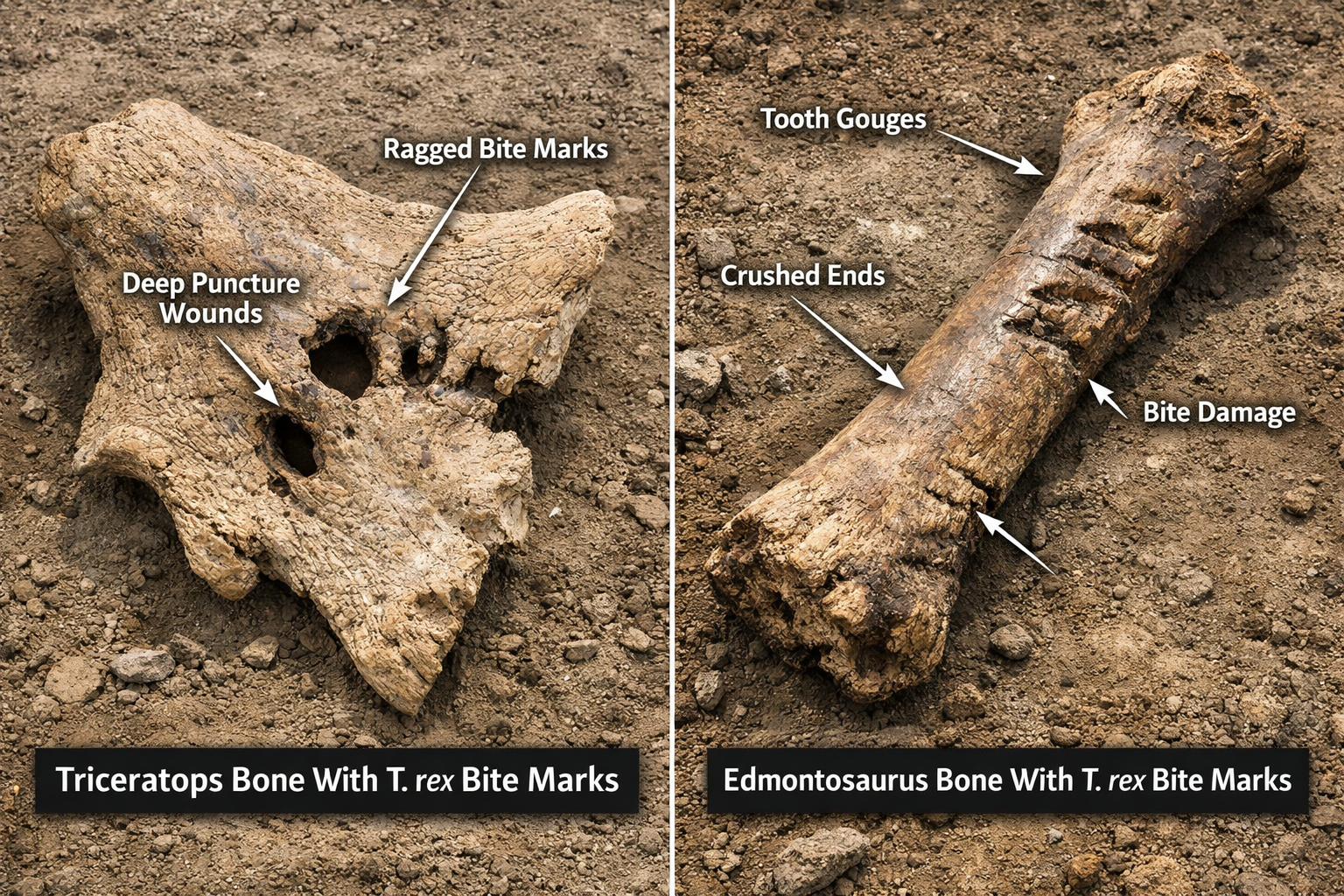 Fossil bones attributed to dinosaurs such as Triceratops and Edmontosaurus have preserved large theropod bite marks consistent with Tyrannosaurus rex feeding. These marks include punctures, gouges, and bone damage produced by powerful jaws.
Some dinosaur fossils also preserve healed injuries. Therefore, certain specimens provide evidence that an animal survived an attack. Such fossils are especially important because they can contribute to discussions about active predation as well as scavenging behavior.
Mosasaur Predation in Marine Fossils
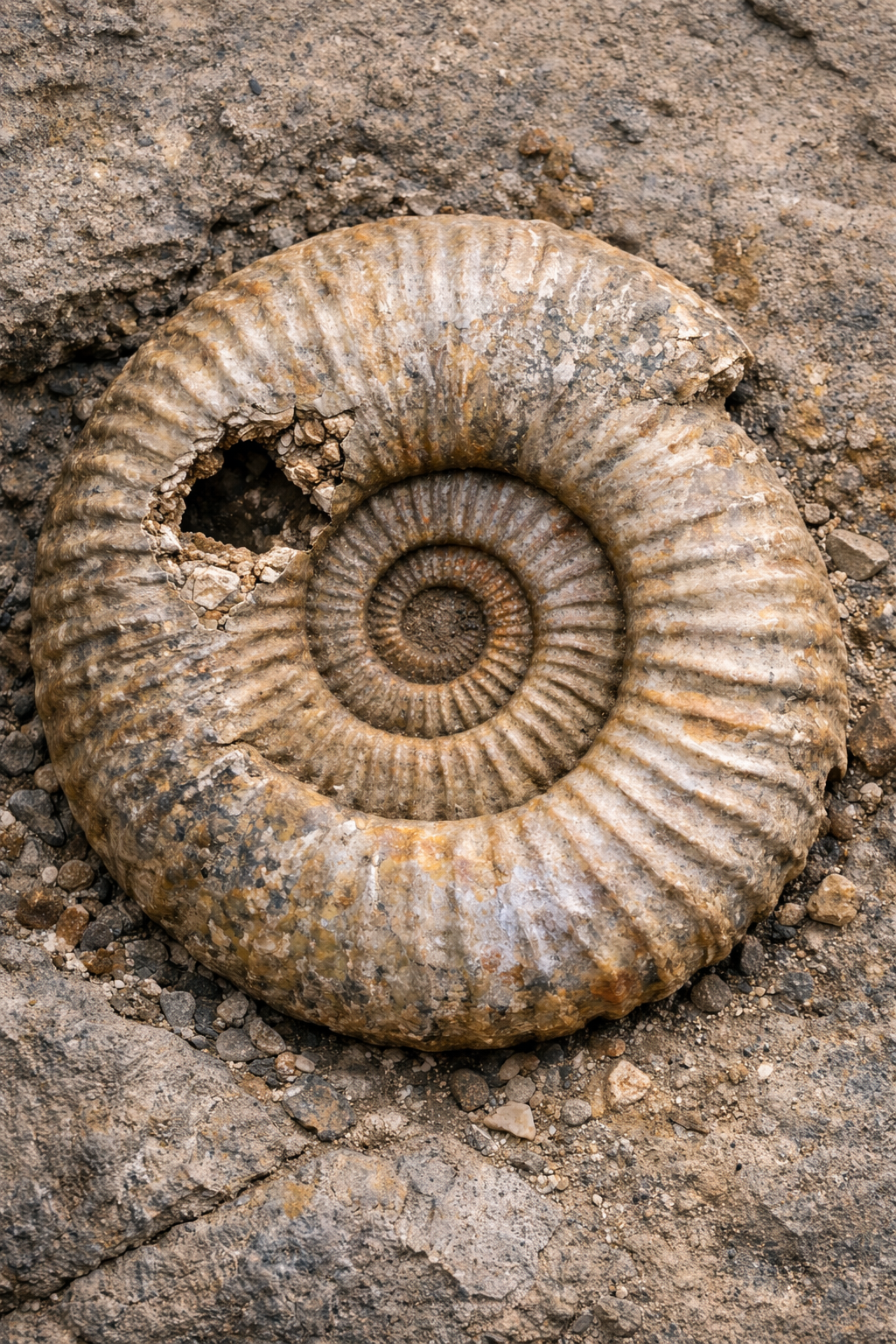
Mosasaur bite mark fossil evidence
Mosasaurs were large marine reptiles that lived during the Late Cretaceous. Fossil evidence shows that they attacked or fed upon a variety of marine organisms. Bite marks have been reported on vertebrate remains, shells, and other marine fossils.
Because marine food webs are rarely preserved directly, these specimens can provide important evidence about interactions between predators and prey in ancient oceans.
Shark Bite Marks on Fossil Marine Mammals
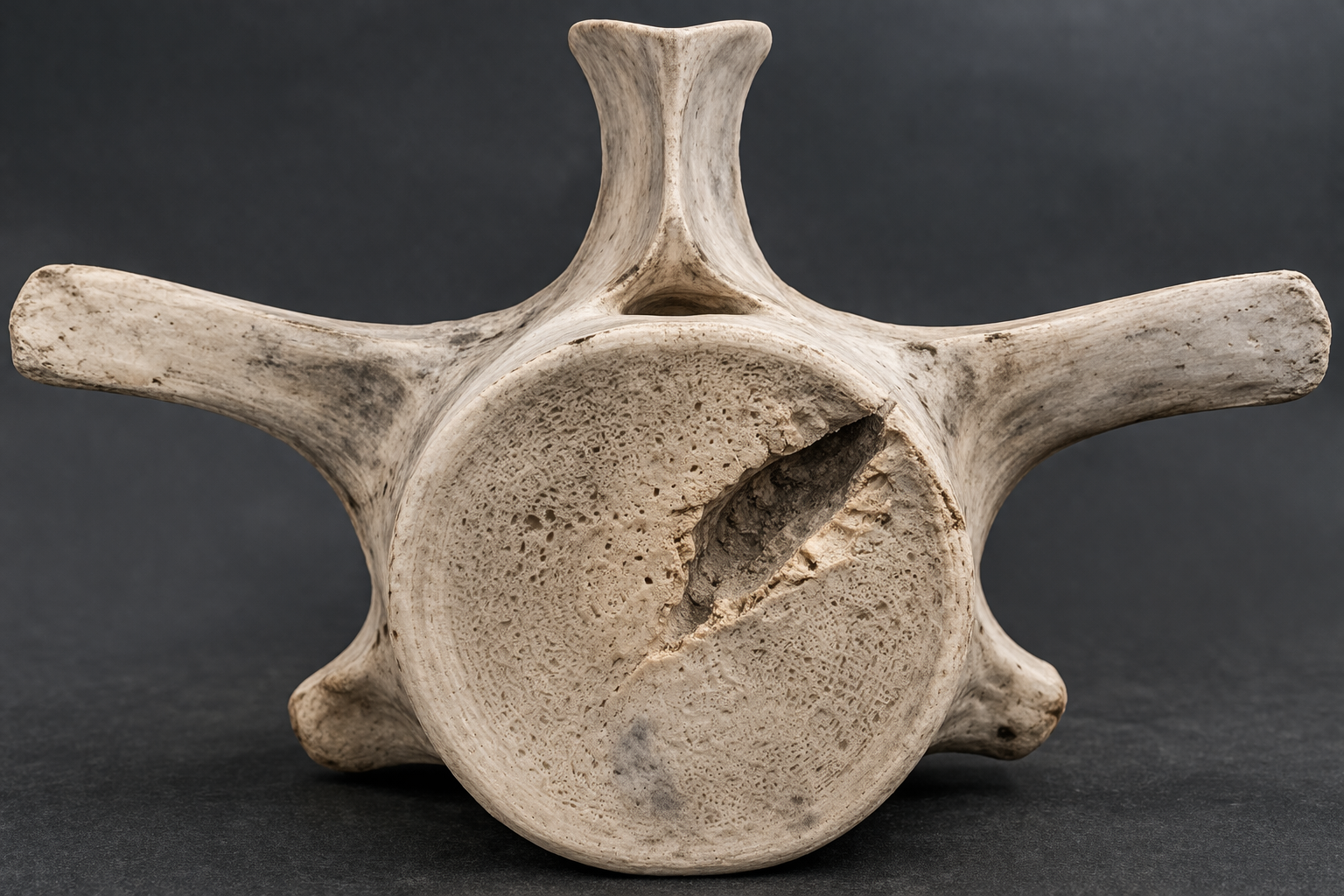 Fossil whale bones from Neogene deposits sometimes preserve large shark bite marks. Some specimens have been associated with very large extinct sharks, including forms historically referred to as Carcharocles megalodon and now commonly classified as Otodus megalodon.
These fossils can help researchers reconstruct feeding behavior, scavenging activity, and interactions between large marine predators and mammals.
Scientific Importance of Predation Fossils For Sale
Predation Fossils For Sale can offer more than visual appeal. Well-documented specimens may preserve useful evidence of ancient behavior that would otherwise disappear from the fossil record.
Predator-Prey Relationships
Predation traces provide relatively direct evidence that one organism interacted with another. Therefore, they can help scientists reconstruct prehistoric food webs and understand which animals may have hunted, attacked, or scavenged other species.
Ancient Feeding Behavior
Bite marks may reveal how an animal processed food. For example, fossil evidence can sometimes indicate whether a predator:
- Crushed or fractured bone
- Stripped flesh from a carcass
- Bit repeatedly into the same area
- Scavenged remains after death
- Attacked an animal that later survived
Paleoecology and Prehistoric Ecosystems
Predation fossils can also contribute to broader paleoecological research. When studied alongside associated fossils, sedimentology, and geological context, bite marks may help scientists better understand ancient habitats, predator abundance, available prey, and ecosystem structure.
Why Collectors Value Predation Fossils For Sale
Collectors often value Predation Fossils For Sale because each specimen can preserve a unique moment in prehistoric life. Instead of representing only the anatomy of an extinct animal, a bite-marked fossil may also record behavior and interaction.
These fossils are popular because they can:
- Preserve evidence of real prehistoric feeding behavior
- Tell a compelling story about ancient survival and predation
- Provide educational value for fossil collections and displays
- Show unusual damage that makes each specimen distinctive
- Connect anatomy with prehistoric ecology and behavior
However, collectors should evaluate claims carefully. Natural fractures, excavation damage, root marks, and geological processes can sometimes resemble bite marks. Therefore, provenance, documentation, morphology, and professional identification can greatly increase the scientific value of a specimen.
Buying Authentic Predation Fossils
When considering Predation Fossils For Sale, look for specimens with clear identification, geological locality information when available, and an explanation of the suspected feeding traces. Reliable documentation helps distinguish scientifically meaningful fossils from specimens with damage of uncertain origin.
At Prehistoric Fossils, we focus on genuine natural-history specimens and provide identification information whenever possible. Since 1997, collectors, educators, museums, and fossil enthusiasts have relied on carefully described fossils for study, display, and education.
Predation Fossils Reveal Ancient Life in Action
Predation fossils transform ancient bones and shells into evidence of behavior. Bite marks, tooth punctures, healed wounds, and feeding damage can reveal moments of attack, survival, scavenging, and feeding that occurred millions of years ago.
For scientists, these fossils help reconstruct ancient ecosystems. For educators, they bring prehistoric behavior to life. For collectors, Predation Fossils For Sale offer an opportunity to own a genuine piece of evidence showing how extinct animals interacted within ancient food webs.