
Tar Pit Fossils For Sale | Genuine Ice Age Fossils
Tar Pit Fossils For Sale offer collectors a fascinating look at animals and plants preserved in natural asphalt deposits. Tar pits, more accurately called asphalt seeps, formed when petroleum moved upward through cracks in the ground. Over time, the lighter parts evaporated and left behind thick, sticky asphalt. Animals sometimes became trapped in these deposits, allowing their bones and teeth to enter the fossil record.
What Are Tar Pit Fossils?
Tar pit fossils include preserved bones, teeth, shells, insects, plant material, and other remains recovered from natural asphalt deposits. Because asphalt can slow decay and protect hard tissues, these sites often preserve large numbers of fossils in one location. As a result, scientists can study entire prehistoric communities rather than isolated animals.
In addition, many famous tar pit deposits date to the Pleistocene Epoch. Therefore, they provide important evidence about Ice Age ecosystems, climate, predator-prey relationships, and extinction events.
Ice Age Animals Preserved in Tar Pits
Tar pit fossil sites have produced remains from many prehistoric animals. These can include mammoths, mastodons, ancient horses, bison, camels, dire wolves, saber-toothed cats, ground sloths, rodents, birds, and reptiles. However, the exact species depend on the age and geographic location of the deposit.
Furthermore, smaller fossils such as insects, seeds, pollen, and plant remains help paleontologists reconstruct ancient environments. Consequently, tar pit deposits can reveal both the large animals and the ecosystems in which they lived.
Collecting Tar Pit Fossils
Tar Pit Fossils For Sale can make distinctive additions to fossil collections, educational displays, and natural history exhibits. Each genuine specimen represents direct physical evidence of prehistoric life preserved through an unusual natural process.
When available, properly identified specimens may include information about the fossil type, geological age, and locality. Therefore, collectors should choose authentic fossils with clear identification and reliable provenance whenever possible.
Authentic Tar Pit Fossils For Sale
Explore our selection of Tar Pit Fossils For Sale to discover genuine specimens from prehistoric asphalt deposits. These fossils offer collectors an opportunity to own tangible evidence of ancient Ice Age environments while also preserving an important part of Earth’s natural history.
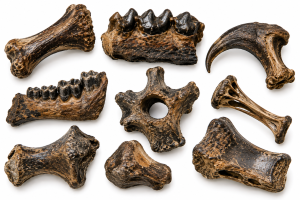
Showing all 7 results
-
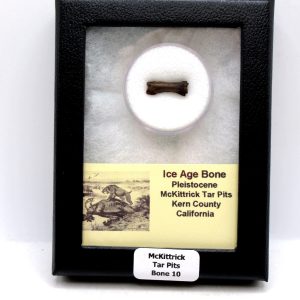
McKittrick Tar Pits Asphalt Lake Ice Age Bone #10
$35.00 -
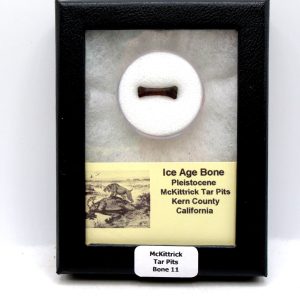
McKittrick Tar Pits Asphalt Lake Ice Age Bone #11
$35.00 -
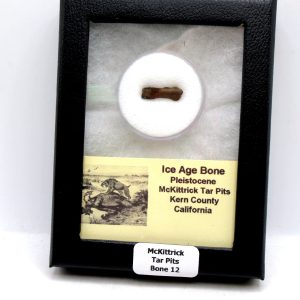
McKittrick Tar Pits Asphalt Lake Ice Age Bone #12
$35.00 -
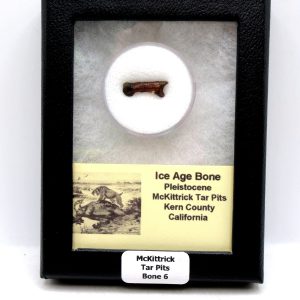
McKittrick Tar Pits Asphalt Lake Ice Age Bone #6
$35.00 -
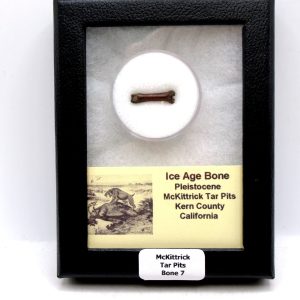
McKittrick Tar Pits Asphalt Lake Ice Age Bone #7
$35.00 -
Sold out!
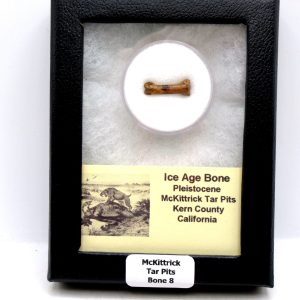
McKittrick Tar Pits Asphalt Lake Ice Age Bone #8
$35.00 -
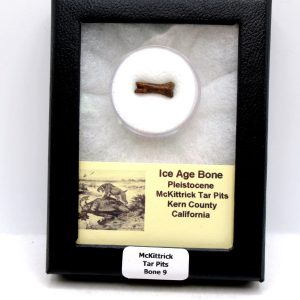
McKittrick Tar Pits Asphalt Lake Ice Age Bone #9
$35.00
- Buy Fossils
- Fossils for Sale
- Large Selection
- Great Prices and Great Selection
- Authenticity Guaranteed
- Satisfaction Guaranteed
- Your TRUSTED SOURCE SINCE 1997!
- Many more videos are available on our YouTube Channel.
Tar Pit Fossils For Sale: Scientific Insights Into Prehistoric Life Preserved in Natural Asphalt
Tar Pit Fossils For Sale offer collectors, educators, and researchers a remarkable look into Ice Age ecosystems. These fossils form when animals and other organisms become trapped in natural asphalt seeps. As a result, their bones can remain exceptionally well preserved for thousands of years.
These remarkable fossils provide important scientific evidence about prehistoric biodiversity, predator-prey relationships, animal behavior, environmental change, and Late Pleistocene ecosystems. In addition, many tar pit deposits preserve mammals, birds, reptiles, insects, and plant remains from the same environment.
What Are Tar Pit Fossils?
Natural Asphalt Seeps and Fossil Preservation
Tar pits—more accurately called natural asphalt seeps—form where petroleum moves upward through cracks in the Earth and reaches the surface. Although the word “tar” is commonly used, the sticky material in these fossil deposits is naturally occurring asphalt.
Unlike many traditional sedimentary fossil sites, asphalt seeps can act as biological traps. Animals may step into sticky asphalt and become unable to escape. Consequently, trapped animals sometimes attract predators and scavengers, which may also become trapped.
One of the world’s best-known examples is the La Brea Tar Pits in Los Angeles, California. This famous site has produced an enormous collection of fossils representing plants and animals that lived during the Late Pleistocene and early Holocene.

How Tar Pit Fossils Form
The Asphalt Entrapment Process
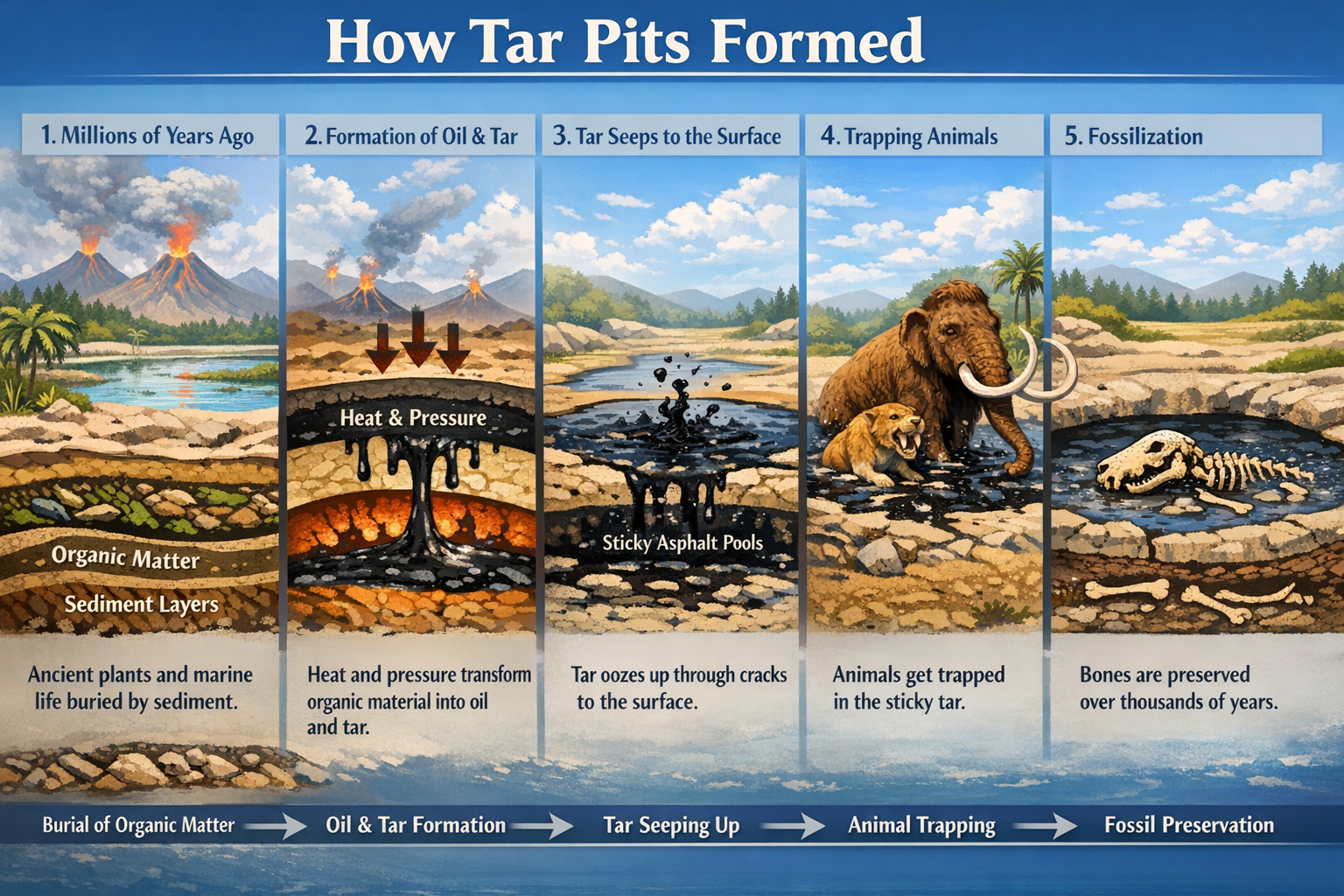
The formation of tar pit fossils usually follows a repeating natural process:
- Natural asphalt seeps upward to the ground surface.
- Animals walk into or become stuck in the sticky asphalt.
- Trapped animals attract predators and scavengers.
- Additional animals may then become trapped in the same area.
- Sediment, dust, water, and plant material gradually cover the remains.
Because this process can occur repeatedly for thousands of years, asphalt deposits may contain dense concentrations of fossils.
Why Tar Pit Fossils Can Be Exceptionally Preserved
Natural asphalt can help protect skeletal material from many normal forms of weathering and decay. Therefore, researchers may recover bones, teeth, shells, plant remains, and other biological material in excellent condition.
- Bones may retain fine anatomical details.
- Teeth often preserve useful information about diet and wear.
- Microscopic structures may remain available for scientific study.
- Some organic molecules may survive under favorable conditions.
Unlike fully mineralized fossils, many asphalt-preserved bones retain much of their original skeletal material. Consequently, researchers can use several modern analytical methods to investigate them.
Important Tar Pit Fossil Discoveries
The La Brea Woman
One of the most unusual discoveries from the La Brea Tar Pits is a partial human skeleton commonly called the La Brea Woman. Workers discovered the remains in 1914.
Dating to the early Holocene, the individual lived roughly 10,000 years ago. Moreover, these remains are especially important because human fossils are extremely rare within the La Brea fossil assemblage.

Ice Age Predators Found in Tar Pits
Predator-Rich Fossil Assemblages
Tar pit deposits are famous for preserving large numbers of carnivorous mammals. Because struggling prey could attract scavengers and predators, asphalt seeps sometimes trapped several animals around the same carcass.

Well-known Ice Age predators from La Brea include:
- Smilodon fatalis — saber-toothed cat
- Aenocyon dirus — dire wolf, traditionally known as Canis dirus
- Panthera atrox — American lion
Because thousands of predator bones occur at some asphalt fossil sites, paleontologists can study population structure, injuries, tooth wear, skeletal variation, and feeding ecology.
Herbivores and Ice Age Megafauna
Large Mammals Preserved in Natural Asphalt

Along with predators, tar pit fossil deposits preserve many large herbivorous mammals. For example, discoveries may include:
- Columbian mammoths
- Ancient bison
- Ground sloths
- Horses
- Camels
Evidence from these tar pit fossils helps researchers examine changes in animal populations near the end of the Pleistocene. Furthermore, scientists compare fossil evidence with climate records, vegetation changes, human activity, and other environmental data to better understand Ice Age ecological change and extinction.
Bird Fossils From Tar Pit Deposits
Reconstructing Complete Ice Age Ecosystems

Although large mammals receive much of the attention, asphalt deposits can also preserve numerous bird fossils. Such smaller vertebrates provide valuable evidence about local habitats and climate.
For example, particular bird species may indicate whether an ancient environment contained open grassland, woodland, wetlands, or nearby water. Therefore, their remains help paleontologists build a more complete picture of prehistoric ecosystems.
Scientific Importance of Tar Pit Fossils
Paleoecology and Climate Research
Tar pit fossils provide evidence from many organisms that lived within the same regional ecosystem. As a result, researchers can reconstruct ancient communities in unusual detail.
Researchers use these fossils to study:
- Ice Age vegetation patterns
- Predator-prey relationships
- Seasonal and long-term environmental change
- Animal diets and feeding behavior
- Species migration and population changes
- Late Pleistocene extinction patterns
In addition, chemical analysis of fossil bones and teeth can provide clues about diet, habitat use, and environmental conditions.
Modern Research on Tar Pit Fossils
Today, paleontologists use several techniques to examine fossils preserved in asphalt deposits.
- Radiocarbon dating
- Stable isotope analysis
- Microscopic bone and tooth analysis
- Studies of arthritis, healed fractures, injuries, and disease
- Comparative anatomy with living animals
- Biomolecular and ancient DNA research where preservation allows
Through these approaches, tar pit fossils continue to contribute to paleontology, ecology, evolutionary biology, archaeology, and climate research.
Why Collect Tar Pit Fossils?
Scientific, Educational, and Historical Value
Authentic Tar Pit Fossils For Sale can provide collectors with a direct connection to Ice Age environments. Even small vertebrate fossils can represent animals that lived alongside mammoths, saber-toothed cats, dire wolves, ground sloths, ancient birds, and many other species.
Since provenance is important, collectors should look for specimens with accurate identification and locality information whenever available. In addition, genuine fossils should come from legal and ethical sources.
Tar Pit Fossils For Sale at Prehistoric Fossils
Tar Pit Fossils For Sale provide a fascinating record of prehistoric life preserved within natural asphalt. Their unusual preservation allows researchers to examine anatomy, ecology, diet, injury, climate change, and extinction in remarkable detail.
Moreover, tar pit sites preserve far more than famous Ice Age predators. Mammals, birds, reptiles, insects, plants, and other organisms together reveal the complexity of ancient ecosystems.
As scientific methods continue to improve, these remarkable fossils remain an important source of information about prehistoric life and environmental change.
Buy Tar Pit Fossils For Sale from Prehistoric Fossils with confidence. Your Trusted Source Since 1997. Authenticity Guaranteed.