Description
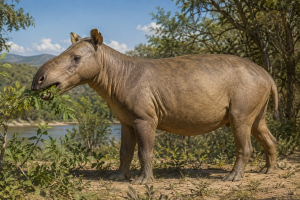
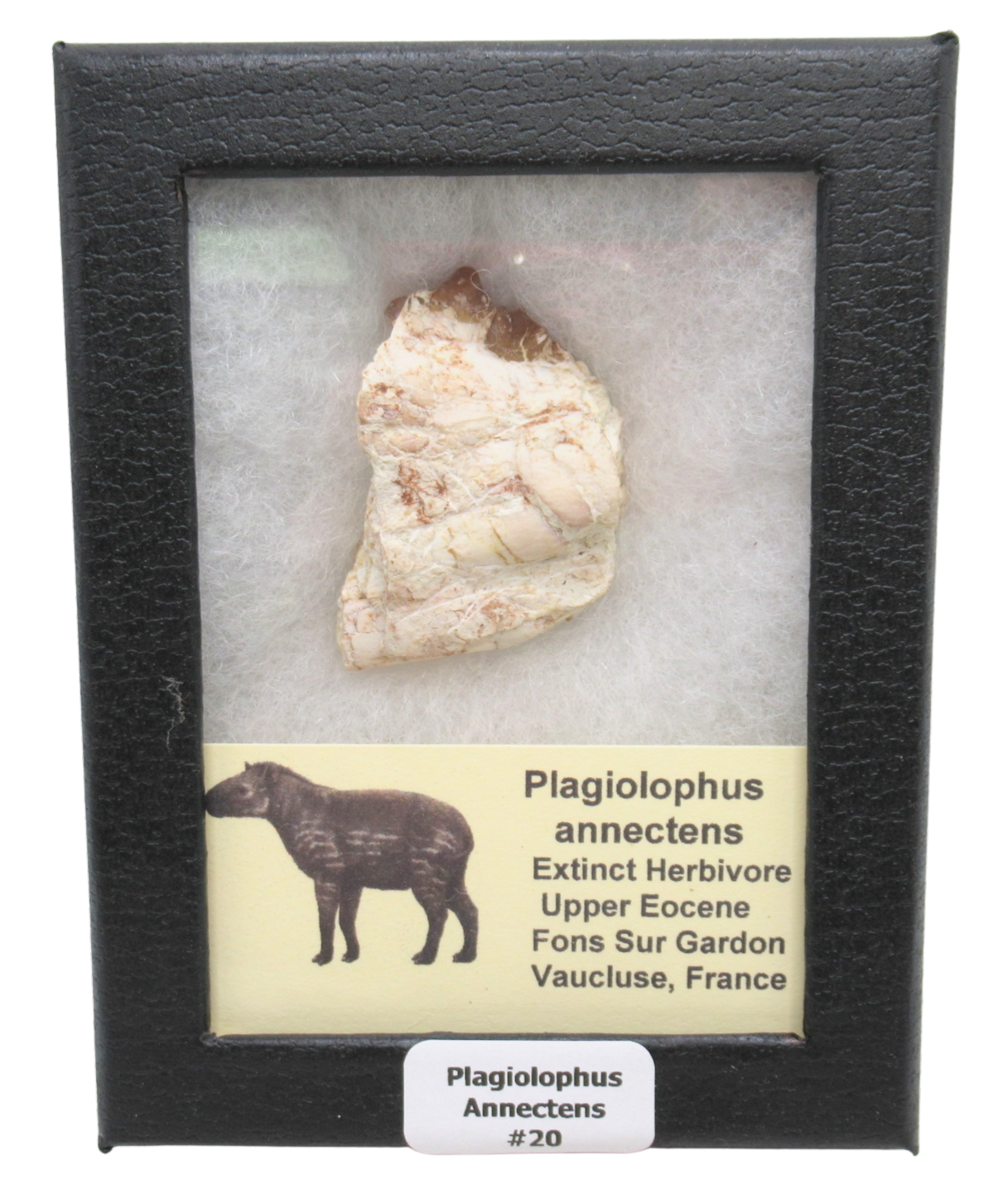
Plagiolophus Annectens Eocene Herbivore
- Extinct genus of small, early perissodactyls, also known as odd-toed hoofed mammals related to horses, tapirs, and rhinos
- Upper Eocene Age
- La Debruge
- Vaucluse, France
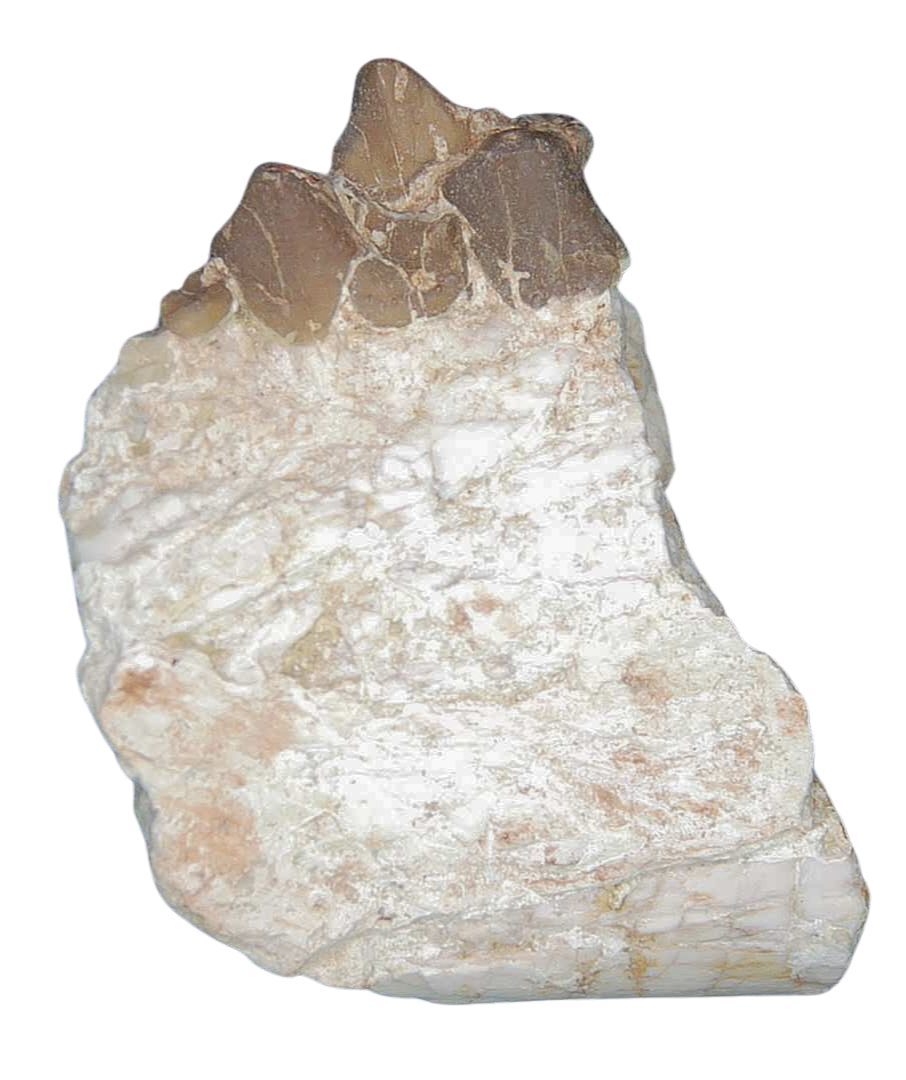
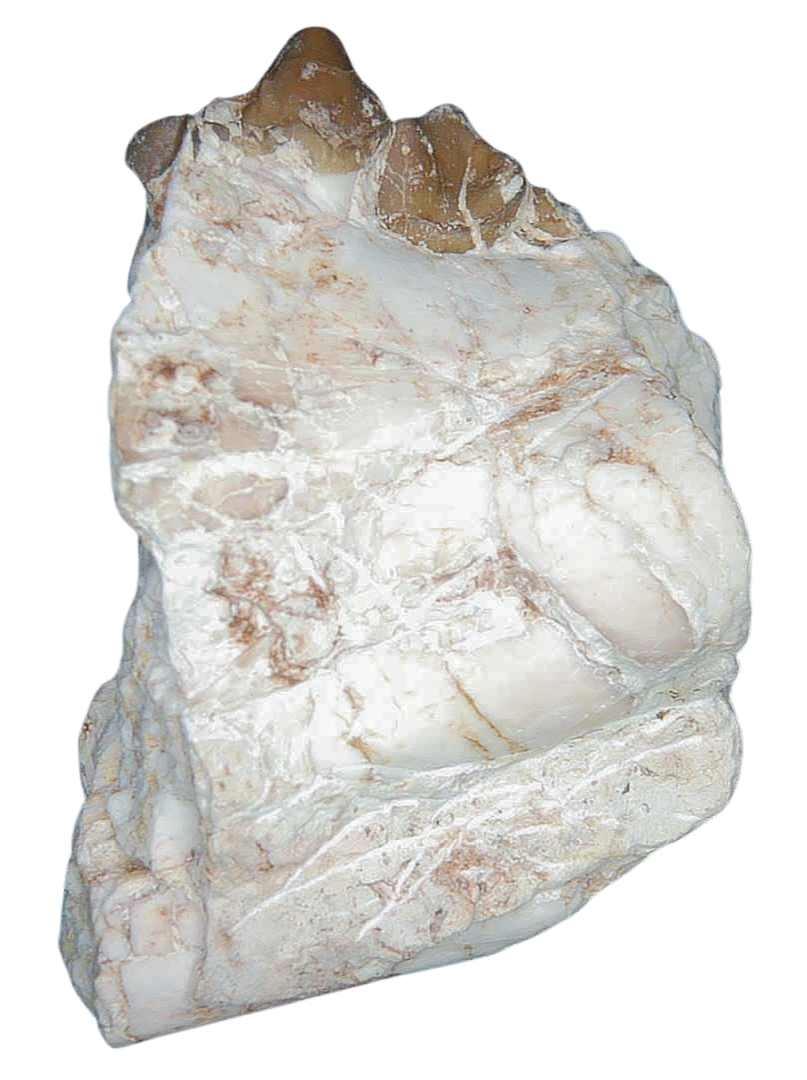
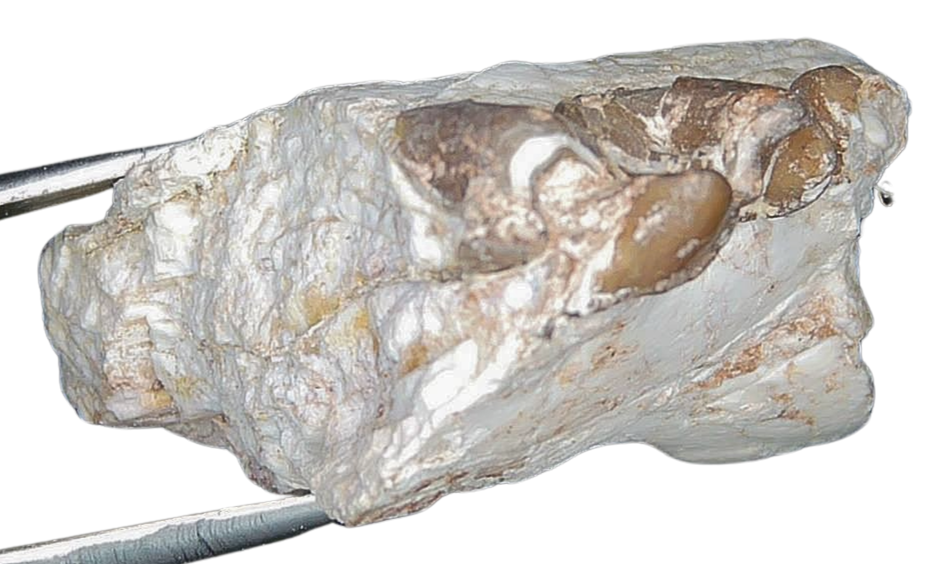
- This ULTRA RARE Jaw Section with Tooth/Teeth measures 1.22″ long as well as 1.56″ tall. In addition, it will come in a 3.25″ x 4.25″ tall Riker Mount with an ID Label as well. Finally, 100% Authenticity Guaranteed
- Buy Fossils – MORE Fossil Mammals for Sale
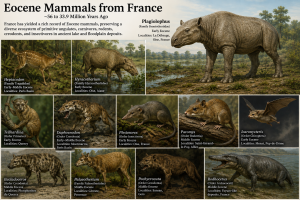
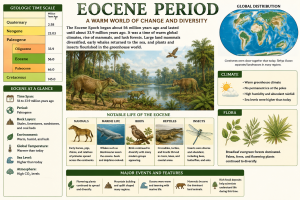
Plagiolophus Annectens Eocene Herbivore Fosssil For Sale. During the Eocene Epoch, about 56 to 34 million years ago, France supported a rich variety of early mammals. At that time, Europe consisted largely of islands separated by shallow seas. Therefore, many European mammals evolved apart from animals living in Asia and North America.
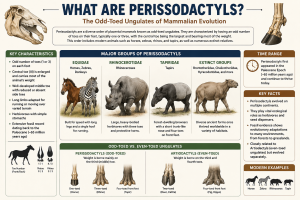
Among the best-known mammals was Plagiolophus, an extinct member of the Palaeotheriidae. These animals belonged to the perissodactyl group, which today includes horses, rhinos, and tapirs. Plagiolophus had three-toed feet and lived across western Europe. Moreover, fossils occur at several important sites in France.
Plagiolophus mainly ate leaves and other soft plant material. In fact, studies of tooth wear show that species such as Plagiolophus minor were selective browsers. They probably also ate some fruit and tougher vegetation. Plagiolophus Annectens Eocene Herbivore
However, Plagiolophus shared its forests with many other mammals. France also supported palaeotheres such as Palaeotherium, early rodents, primates, small hoofed mammals, and several groups of predators. Fossil sites in the Paris Basin and Quercy preserve important evidence of this diverse fauna.
Finally, climates became cooler and drier near the end of the Eocene. Habitats changed, and many native European mammals disappeared. Nevertheless, Plagiolophus survived the major Eocene-Oligocene faunal turnover known as the Grande Coupure, making it an important animal for understanding mammal evolution in prehistoric France. P