

Description
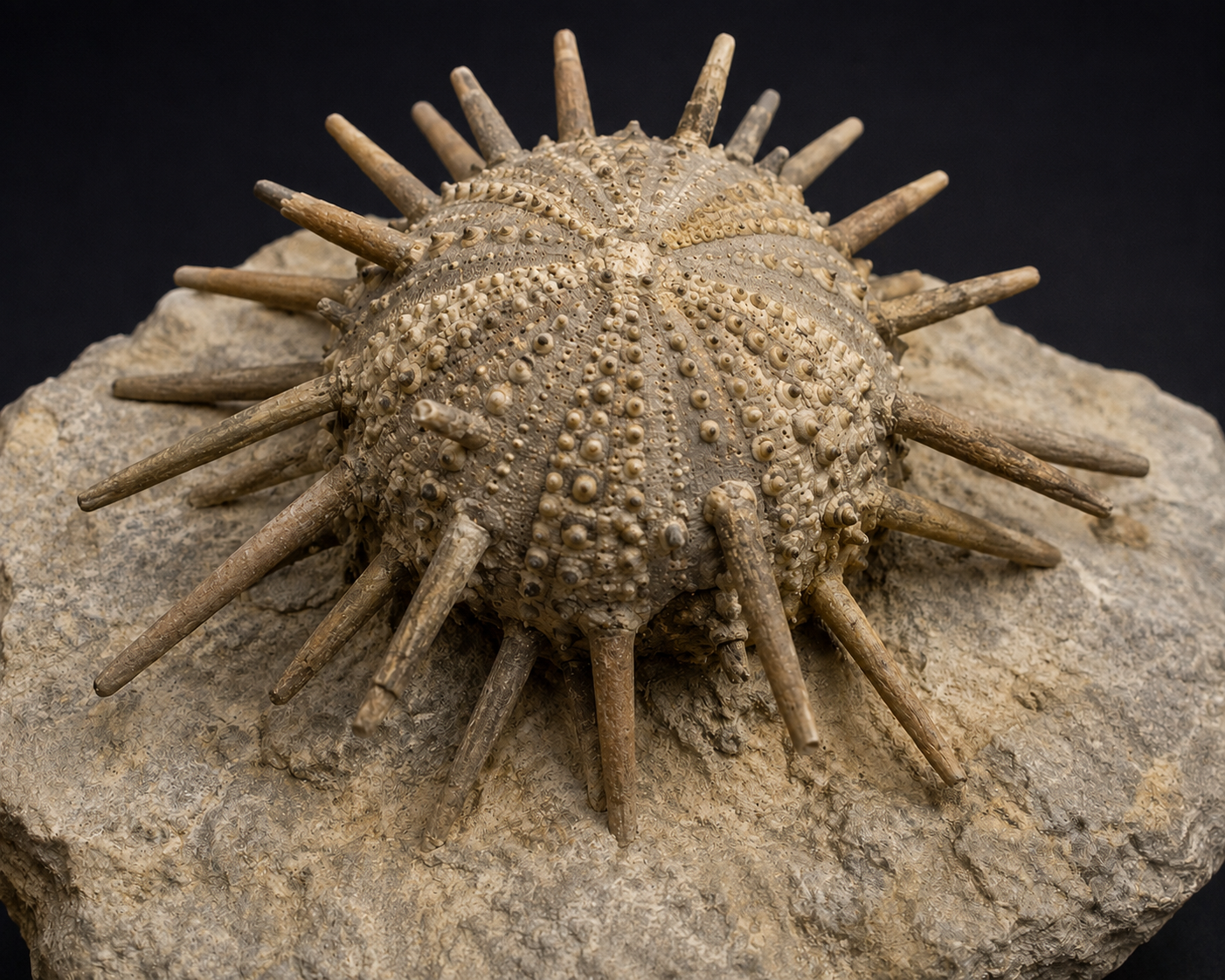
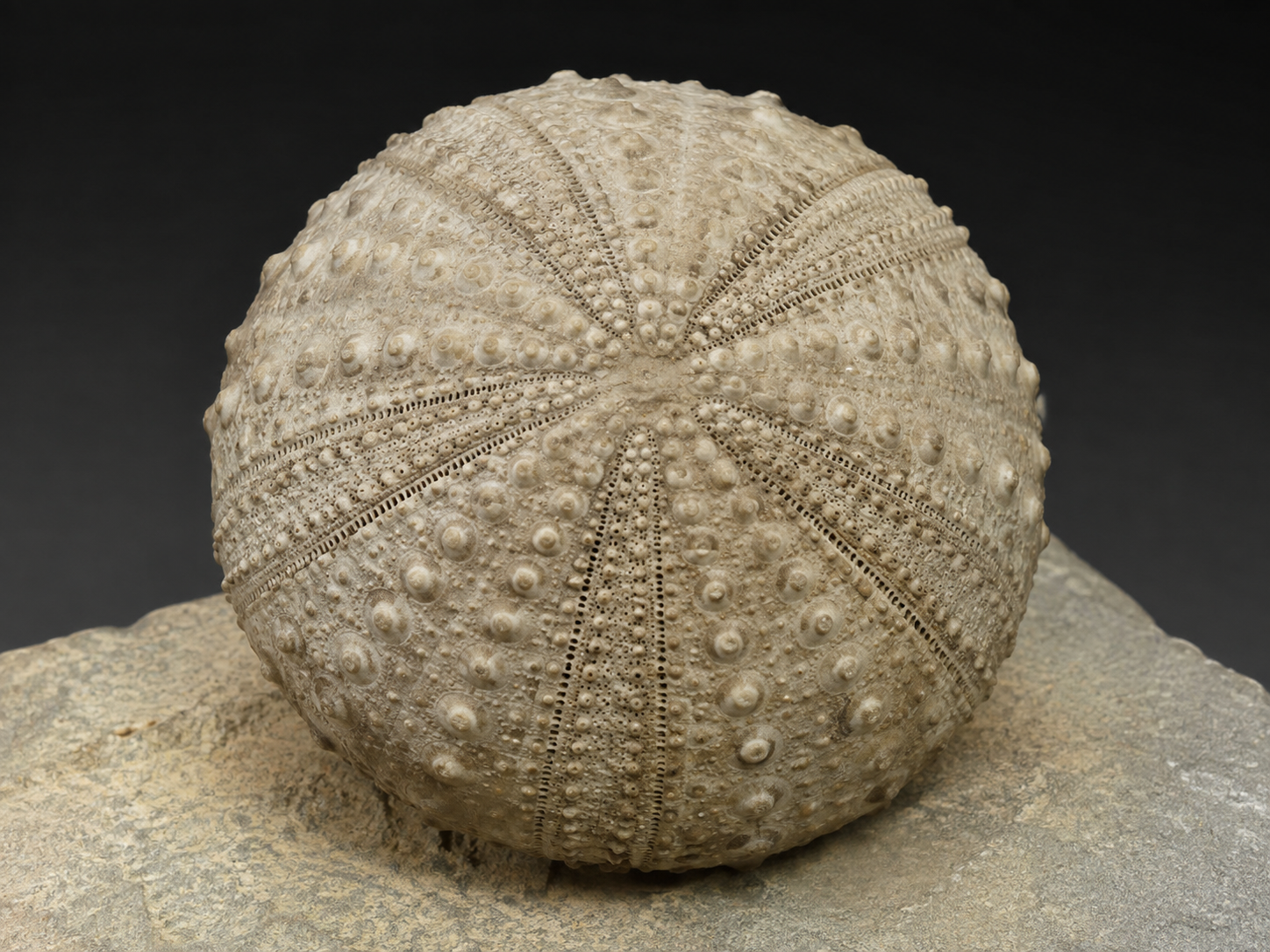
Archaeocidaris illinoisensis Missouri Echinoid for Sale
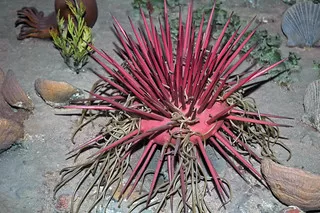
- Spiny Urchin also known as a Club Urchin
- Mississippian Age
- St. Louis Limestone
- St. Louis, Missouri
- This genuine Archaeocidaris Plate measures 3.23″ long x 2.18″ wide as well. In addition, it will come with an ID Label as well. Finally, 100% Guaranteed Genuine
- Buy Fossils – MORE Echinoids for Sale
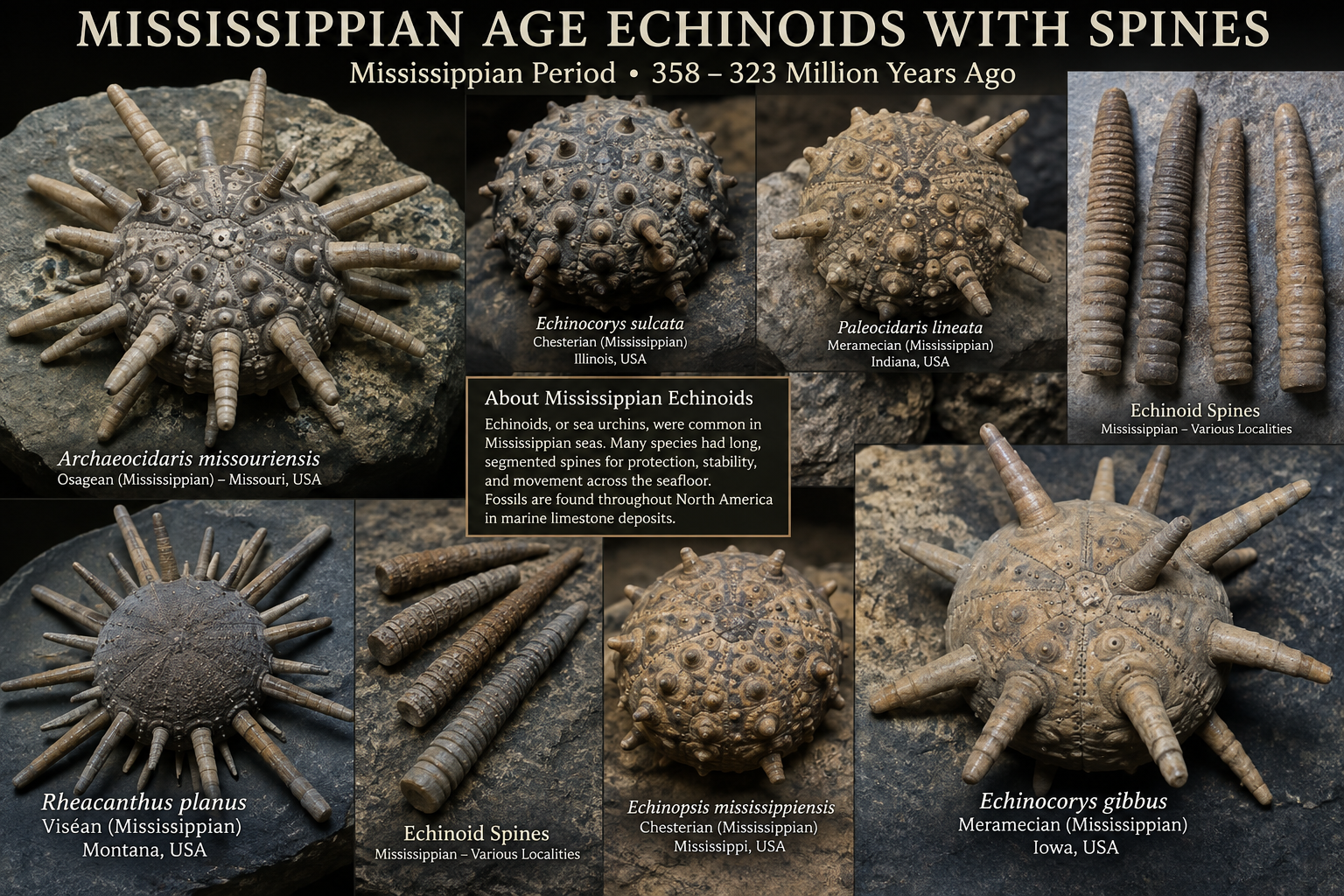
Mississippian-Age Echinoids: Ancient Relatives of Sea Urchins
Echinoids are marine animals related to modern sea urchins and sand dollars. During the Mississippian Period, about 359 to 323 million years ago, these animals lived in seas that covered large parts of North America. Although echinoid fossils are less common than many Mississippian crinoids and brachiopods, they provide an important view of ancient seafloor life.
Like living sea urchins, Mississippian echinoids belonged to the phylum Echinodermata. Therefore, they were relatives of crinoids and starfish. Their bodies had a hard test made of interlocking calcite plates. In addition, movable spines covered much of the test. However, after death, the plates often separated as soft tissues decayed. As a result, complete fossil echinoids can be uncommon. Archaeocidaris illinoisensis Missouri Echinoid for Sale
Many Paleozoic echinoids differed from modern forms. For example, their tests could contain more variable arrangements of plates. Nevertheless, they already displayed the radial body organization typical of echinoderms.
Archaeocidaris illinoisensis Missouri Echinoid for Sale
Mississippian echinoids lived entirely in marine environments. Moreover, they shared these ecosystems with corals, bryozoans, brachiopods, mollusks, and abundant crinoids. Consequently, their fossils help paleontologists reconstruct ancient marine communities. Today, these specimens also reveal an important stage in the long evolutionary history of echinoids.