
Polished Mineral Skulls For Sale | Genuine Stone Skull Carvings
Polished Mineral Skulls For Sale
Polished Mineral Skulls For Sale combine natural geology, skilled carving, and attractive mineral patterns. Craftspeople shape minerals, rocks, and gemstones into detailed skull forms, then polish each piece to reveal its natural colors, bands, crystals, and inclusions. Because every stone forms through unique geological processes, no two polished mineral skulls look exactly alike.
Natural Stones Used for Polished Mineral Skulls
Many different minerals and rocks can be used to create polished skull carvings. For example, common materials include quartz, amethyst, jasper, agate, calcite, fluorite, obsidian, and sodalite. In addition, some carvings come from mineral-rich rocks that contain several different minerals.
Quartz consists mainly of silicon dioxide. However, natural impurities and structural changes can produce many colors and varieties. Amethyst, for example, develops its purple color largely from iron impurities and natural irradiation. Agate, meanwhile, is a banded variety of chalcedony that often displays colorful layers and patterns.
How Polished Mineral Skulls Are Made
First, an artisan selects a suitable piece of stone. Next, cutting and grinding tools create the basic skull shape. Finer tools then form details such as the eye sockets, jaw, cheekbones, and teeth. Finally, progressively finer abrasives and polishing compounds create a smooth, glossy surface.
Polishing does not change the stone’s basic geological identity. Instead, it often makes natural colors, crystal structures, bands, and inclusions easier to see.
Choosing Polished Mineral Skulls For Sale
When comparing Polished Mineral Skulls For Sale, consider the mineral type, size, color, pattern, carving quality, and natural features. Some collectors prefer highly patterned stones, while others look for unusual colors, crystal pockets, or distinctive mineral formations.
Polished Mineral Skulls for Collectors and Displays
Polished mineral skulls appeal to mineral collectors, geology enthusiasts, and decorative-art collectors. Moreover, they provide an interesting way to study and display natural stone materials.
When purchasing mineral carvings, accurate identification and clear product information are important. Reputable sellers should describe the stone honestly and provide useful details about the specimen whenever possible.
Why Buy Polished Mineral Skulls?
Each polished mineral skull combines Earth’s natural materials with human craftsmanship. Therefore, every specimen offers its own combination of mineral composition, color, pattern, and carving detail. Whether added to a mineral collection or displayed as decorative art, polished mineral skulls provide a distinctive way to enjoy geology and natural history.
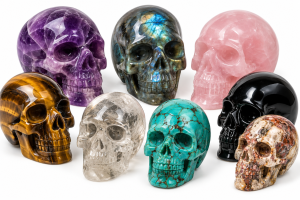
Showing all 47 results
-
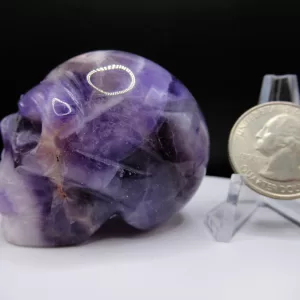
Polished Skull for Sale | Amethyst #1
$35.00 -
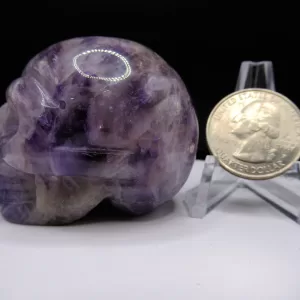
Polished Skull for Sale | Amethyst #2
$35.00 -
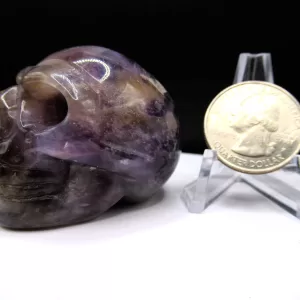
Polished Skull for Sale | Amethyst #3
$35.00 -
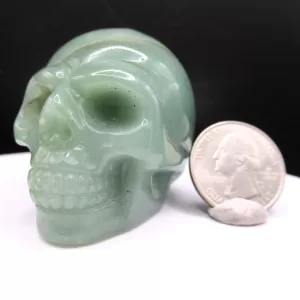
Polished Skull for Sale | Aventurine #1
$35.00 -
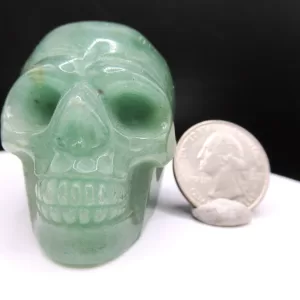
Polished Skull for Sale | Aventurine #2
$35.00 -
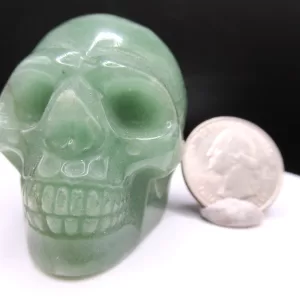
Polished Skull for Sale | Aventurine #3
$35.00 -
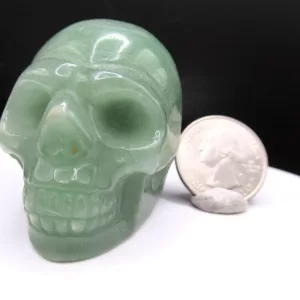
Polished Skull for Sale | Aventurine #4
$35.00 -
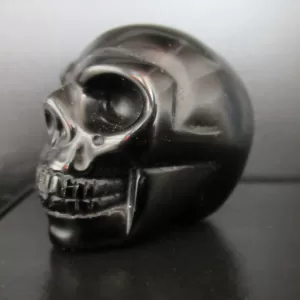
Polished Skull for Sale | Basalt Stone #1
$35.00 -
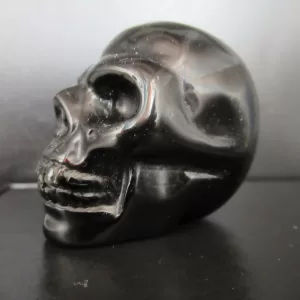
Polished Skull for Sale | Basalt Stone #2
$35.00 -
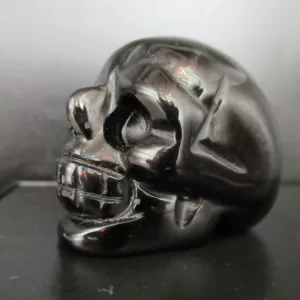
Polished Skull for Sale | Basalt Stone #3
$35.00 -
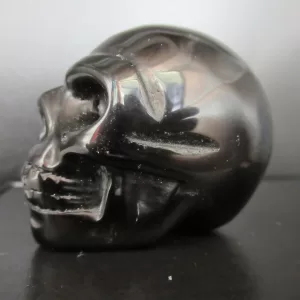
Polished Skull for Sale | Basalt Stone #4
$35.00 -
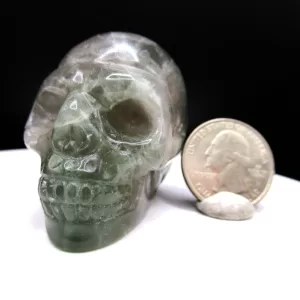
Polished Skull for Sale | Fluorite #1
$35.00 -
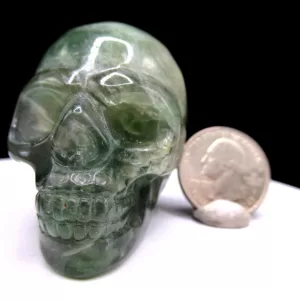
Polished Skull for Sale | Fluorite #2
$35.00 -
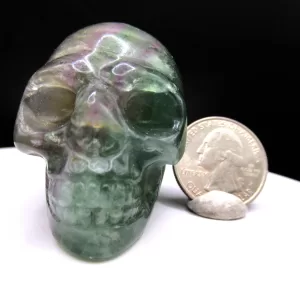
Polished Skull for Sale | Fluorite #3
$35.00 -
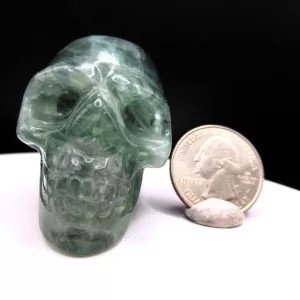
Polished Skull for Sale | Fluorite #4
$35.00 -
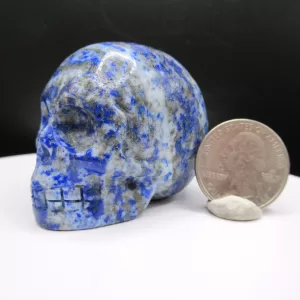
Polished Skull for Sale | Lapis Lazuli #1
$35.00 -
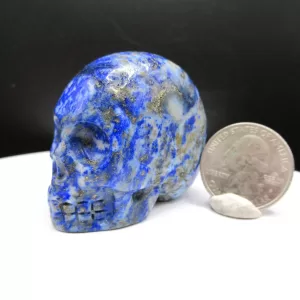
Polished Skull for Sale | Lapis Lazuli #2
$35.00 -
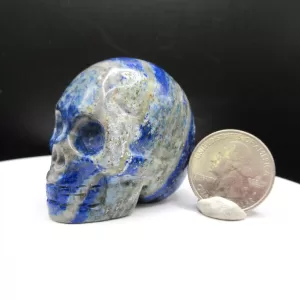
Polished Skull for Sale | Lapis Lazuli #3
$35.00 -
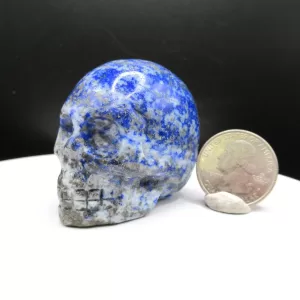
Polished Skull for Sale | Lapis Lazuli #4
$35.00 -
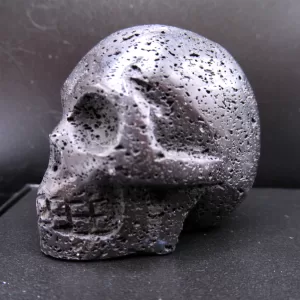
Polished Skull for Sale | Lava Stone #1
$35.00 -
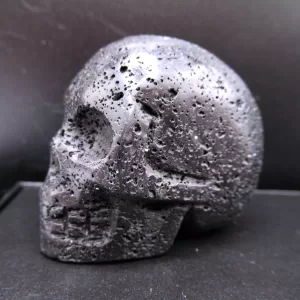
Polished Skull for Sale | Lava Stone #2
$35.00 -
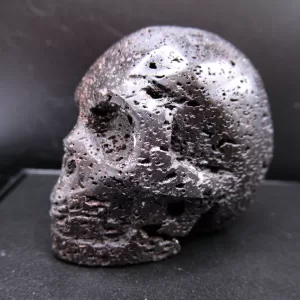
Polished Skull for Sale | Lava Stone #3
$35.00 -
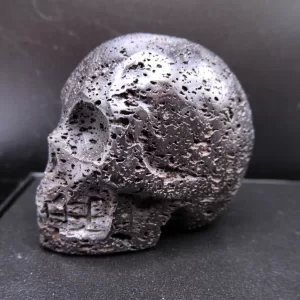
Polished Skull for Sale | Lava Stone #4
$35.00 -
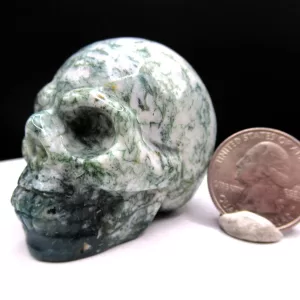
Polished Skull for Sale | Marine Agate #1
$35.00 -
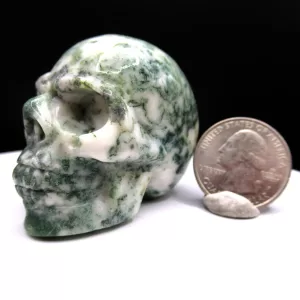
Polished Skull for Sale | Marine Agate #2
$35.00 -
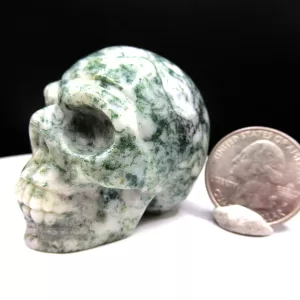
Polished Skull for Sale | Marine Agate #3
$35.00 -
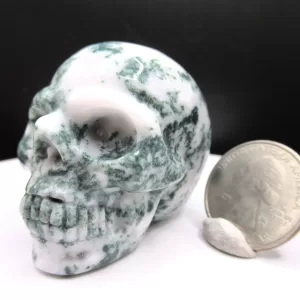
Polished Skull for Sale | Marine Agate #4
$35.00 -
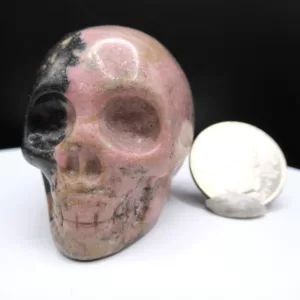
Polished Skull for Sale | Rhodonite #1
$35.00 -
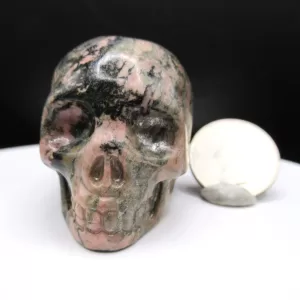
Polished Skull for Sale | Rhodonite #2
$35.00 -
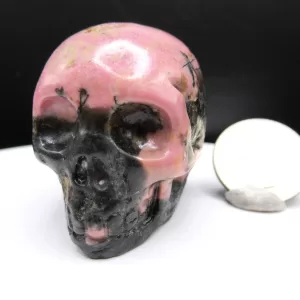
Polished Skull for Sale | Rhodonite #3
$35.00 -
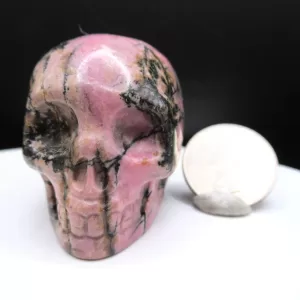
Polished Skull for Sale | Rhodonite #4
$35.00 -
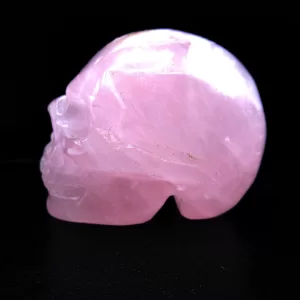
Polished Skull for Sale | Rose Quartz #1
$35.00 -
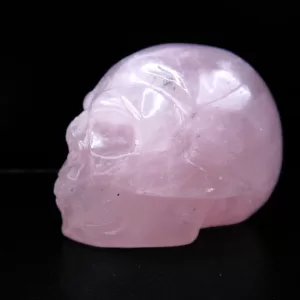
Polished Skull for Sale | Rose Quartz #2
$35.00 -
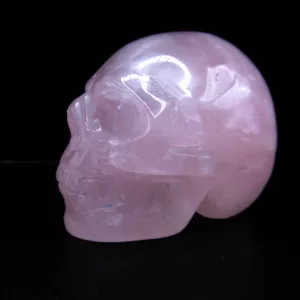
Polished Skull for Sale | Rose Quartz #3
$35.00 -
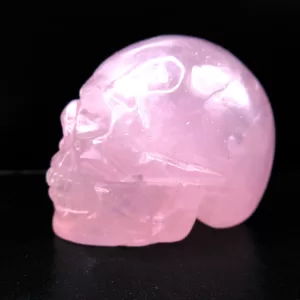
Polished Skull for Sale | Rose Quartz #4
$35.00 -
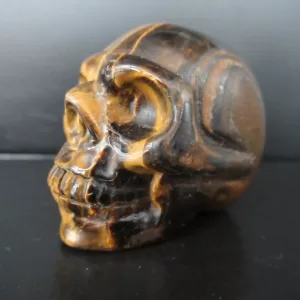
Polished Skull for Sale | Tiger’s Eye #1
$35.00 -
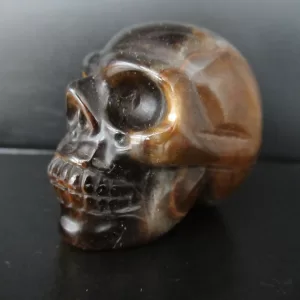
Polished Skull for Sale | Tiger’s Eye #2
$35.00 -
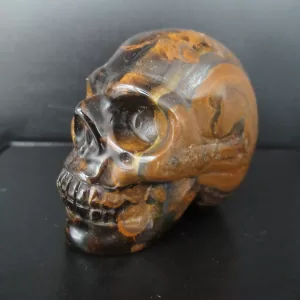
Polished Skull for Sale | Tiger’s Eye #3
$35.00 -
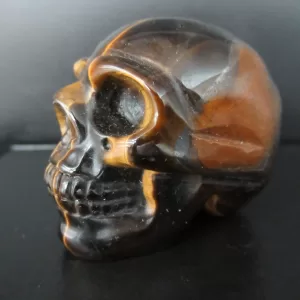
Polished Skull for Sale | Tiger’s Eye #4
$35.00 -
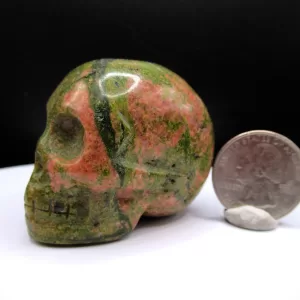
Polished Skull for Sale | Unakite #1
$35.00 -
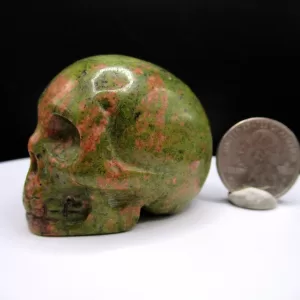
Polished Skull for Sale | Unakite #2
$35.00 -
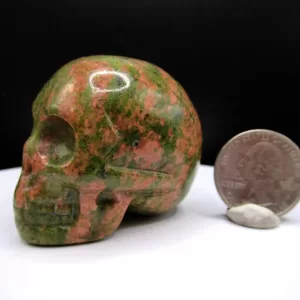
Polished Skull for Sale | Unakite #3
$35.00 -
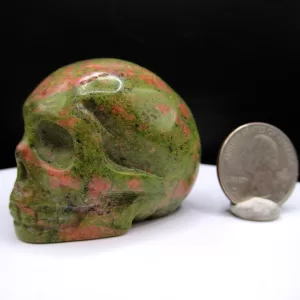
Polished Skull for Sale | Unakite #4
$35.00 -
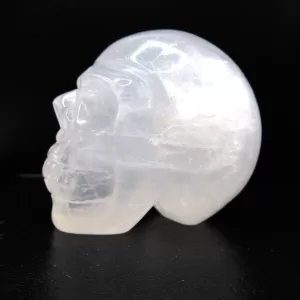
Polished Skull for Sale | White Quartz #1
$35.00 -
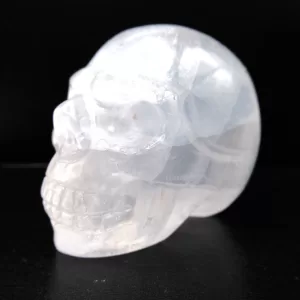
Polished Skull for Sale | White Quartz #2
$35.00 -
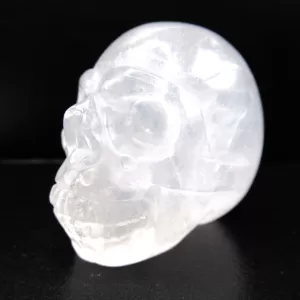
Polished Skull for Sale | White Quartz #3
$35.00 -
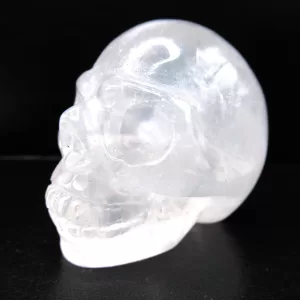
Polished Skull for Sale | White Quartz #4
$35.00
WHY SHOP WITH PREHISTORIC FOSSILS?
- Great Prices
- Great Selection
- Authenticity Guaranteed
- Satisfaction Guaranteed
- Your TRUSTED SOURCE for 25 years!
- Many more videos are available on our YouTube Channel
Polished Mineral Skulls For Sale – Natural Stone Carvings for Collectors
Polished Mineral Skulls For Sale combine natural geology, skilled craftsmanship, and decorative art. Craftspeople shape genuine minerals, crystals, and decorative stones into detailed skull forms, then polish the surfaces to reveal natural colors, bands, inclusions, and crystal patterns. Because every piece of stone develops differently, each finished mineral skull has its own unique appearance.
At Prehistoric Fossils, we focus on genuine natural-history specimens and educational collectibles. Therefore, polished mineral skulls can be appreciated not only as decorative carvings, but also as examples of the minerals and rocks formed by natural geological processes over long periods of time.
Polished Mineral Skulls For Sale in Quartz and Crystal
Many Polished Mineral Skulls For Sale are carved from quartz because it is durable, attractive, and capable of taking a bright polish. Quartz has the chemical formula SiO2 and ranks 7 on the Mohs hardness scale. As a result, quartz carvings resist scratching better than skulls made from softer minerals.
Amethyst is a purple variety of quartz. Its color develops largely from trace iron and natural irradiation within the crystal structure. Rose quartz, meanwhile, receives its pink color from microscopic inclusions and structural features within the quartz.
Fluorite and Calcite Mineral Skulls
Fluorite is another popular material used for polished mineral skulls. It consists mainly of calcium fluoride and may occur in purple, green, blue, yellow, or nearly clear varieties. However, fluorite has a Mohs hardness of about 4. Therefore, fluorite skulls require more careful handling than quartz carvings.
Calcite is also commonly carved into skull shapes. It consists mainly of calcium carbonate and has a Mohs hardness of about 3. Because it is softer, artisans can shape calcite more easily. However, finished calcite carvings can also scratch more readily.
Natural Stone Polished Mineral Skulls For Sale
Not every polished skull consists of a single mineral. Many artisans also carve skulls from attractive rocks such as jasper, agate, sodalite, and lapis lazuli.
Jasper is a dense, fine-grained silica-rich material that often contains iron oxides and other impurities. Consequently, jasper may display red, yellow, brown, green, and multicolored patterns.
Agate consists mainly of microcrystalline quartz and commonly forms distinctive bands. Once polished, these bands become easier to see. As a result, agate skulls often display striking natural patterns, and no two specimens look exactly alike.
How Polished Mineral Skulls Are Made
Creating polished mineral skulls begins with selecting suitable rough stone. First, the carver checks the material for fractures, weak areas, and attractive patterns. Next, diamond saws and grinding tools remove excess stone and establish the general skull shape.
Then, smaller rotary tools form details around the eyes, jaw, cheekbones, and teeth. After carving, the surface is sanded with progressively finer abrasives. Finally, polishing creates a smooth finish that highlights the stone’s color, crystal structure, and natural patterns.
Because minerals differ in hardness, cleavage, and fracture behavior, carving methods must also vary. For example, fluorite has perfect cleavage and may split along flat planes. Quartz, in contrast, lacks cleavage and commonly produces curved, conchoidal fractures.
Polished Mineral Skulls For Sale for Collectors
Polished Mineral Skulls For Sale appeal to mineral collectors, geology enthusiasts, gift buyers, and people who enjoy natural stone artwork. However, buyers should understand that carving and polishing alter the original specimen. Therefore, polished skulls differ from natural, unaltered mineral specimens.
Even so, carved skulls can display fascinating geological features. Their bands, crystals, inclusions, colors, and mineral structures developed naturally before the carving process began.
Why Choose Genuine Mineral Skull Carvings?
Quality mineral skulls should clearly identify the type of stone used whenever possible. Reliable sellers should also describe whether the specimen is natural, polished, dyed, treated, or reconstructed. This information helps collectors make informed buying decisions and improves confidence in the specimen.
Prehistoric Fossils has supplied genuine fossils, minerals, meteorites, artifacts, and natural-history collectibles since 1997. We aim to provide accurate descriptions and educational information so customers understand what they are purchasing.
Shop Polished Mineral Skulls For Sale
Ultimately, Polished Mineral Skulls For Sale bring together geology, craftsmanship, and decorative art. Each specimen preserves characteristics of the original stone while presenting them in a carefully carved form.
Whether you collect quartz, jasper, agate, fluorite, calcite, or other mineral carvings, polished skulls offer an attractive way to explore the remarkable variety of natural materials found within Earth.