
Miscellaneous Fossils For Sale | Rare & Unusual Fossils
Miscellaneous Fossils For Sale: Discovering the Variety of Ancient Life
Miscellaneous Fossils For Sale offer collectors a fascinating look at the wide variety of life that once inhabited Earth. While dinosaurs and ammonites often receive the most attention, many other fossils preserve equally valuable evidence about ancient environments. Therefore, collecting unusual fossils can help people explore parts of prehistoric life that major fossil groups may overlook.
What Are Miscellaneous Fossils?
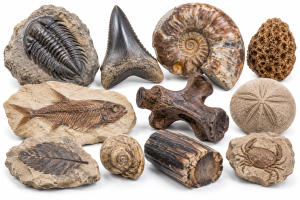
Miscellaneous Fossils For Sale may include specimens that do not fit neatly into a major collecting category. For example, they can include fragments of shells, bones, teeth, plants, trace fossils, burrows, scales, spines, and other preserved remains. In addition, some specimens may represent uncommon animals or unusual forms of preservation.
Fossils form when the remains or traces of organisms survive long enough for natural geological processes to preserve them. For instance, sediment can quickly bury a shell, leaf, or bone. Over time, minerals may enter the remains or surrounding sediment. As a result, the specimen can survive for millions of years.
Why Collect Miscellaneous Fossils?
Although some miscellaneous fossils may appear less dramatic than complete skeletons, they can still provide important scientific information. For example, fossil teeth can reveal feeding habits, while fossil shells can provide clues about ancient marine environments. Likewise, trace fossils may record movement, feeding, or burrowing behavior.
Furthermore, Miscellaneous Fossils For Sale offer collectors an affordable way to explore paleontology. Each specimen represents evidence of past life and Earth’s changing environments. Consequently, even a small or unusual fossil can tell part of a much larger prehistoric story.
Educational and Scientific Value of Miscellaneous Fossils
Most importantly, properly identified fossils with reliable locality and geological information have greater educational and scientific value. Because of this, collectors should consider identification, geological age, formation, and discovery location whenever that information is available. These details add context and help explain how each fossil fits into Earth’s prehistoric record.
Whether collected for study, display, or personal interest, Miscellaneous Fossils For Sale can provide a rewarding way to discover the diversity of ancient life.
Showing all 12 results
-
Sold out!

Rhynie Chert Specimen – Scotland #3
$45.00 -

Fossil Keychain – Metal – 4 Styles
$5.99 -
Sold out!

Mississippian Age Conodont Collection
$95.00 -

Indonesia Foraminifera in Agate #10
$45.00 -
Sold out!

Indonesia Foraminifera in Agate #3
$45.00 -

Indonesia Foraminifera in Agate #6
$45.00 -

Indonesia Foraminifera in Agate #8
$45.00 -
Sold out!

Edicarian Intrites Punctatus #1
$65.00 -

Edicarian Intrites Punctatus #11
$85.00 -
Sold out!

Edicarian Intrites Punctatus #5
$65.00 -

Edicarian Intrites Punctatus #6
$85.00 -
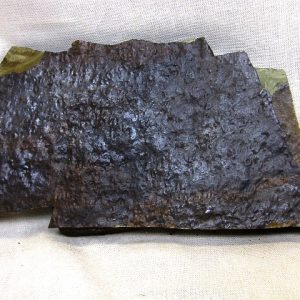
Edicarian Intrites Punctatus #9
$85.00
Miscellaneous Fossils For Sale – Collecting and Understanding Fossils
Miscellaneous Fossils For Sale can introduce collectors to the remarkable variety of life preserved throughout Earth’s history. While many fossil collections focus on dinosaurs, trilobites, or ammonites, miscellaneous fossils often include specimens that do not fit neatly into one major category. Therefore, they offer an excellent way to explore unusual organisms, different geological periods, and fossil localities from around the world.
In addition, collecting miscellaneous fossils can help beginners and experienced collectors study fossil preservation, ancient environments, and biological diversity. Each specimen can provide evidence about organisms and ecosystems that existed millions of years ago.
What Are Miscellaneous Fossils?
When collectors search for Miscellaneous Fossils For Sale, they may encounter many different types of prehistoric material. For example, collections may include fossil shells, bone fragments, teeth, scales, spines, plant remains, trace fossils, and unidentified specimens. Furthermore, miscellaneous collections may contain fossils from less commonly represented animal or plant groups.
Fossils form through several preservation processes. Most commonly, sediment rapidly covers the remains of an organism. Then, minerals may enter pores or replace some original material over long periods of time. However, preservation varies greatly. Some fossils retain hard shells or bones, while others occur as molds, casts, impressions, or carbon films.
As a result, a miscellaneous fossil collection may demonstrate several different fossilization processes within one group of specimens.
Why Collect Miscellaneous Fossils?
First, miscellaneous fossils often provide an affordable way to begin fossil collecting. Many common specimens cost less than rare or highly complete fossils. Consequently, new collectors can build a varied collection without focusing only on expensive specimens.
Additionally, these fossils encourage scientific curiosity. An unusual shell, bone fragment, tooth, or impression may lead a collector to research anatomy, geology, fossil identification, and prehistoric environments. Even a small specimen can contain useful clues about organisms that lived millions of years ago.
Furthermore, Miscellaneous Fossils For Sale may represent a wide range of geological time. For instance, one collection could contain Paleozoic marine invertebrates, Mesozoic vertebrate remains, and Cenozoic mammal fossils. Therefore, collectors can use these specimens to study several major chapters of Earth history.
How to Identify and Label Miscellaneous Fossils
Accurate documentation increases both the educational and scientific value of a fossil. Whenever possible, collectors should record the specimen’s identification, geological formation, approximate age, and collecting locality. Moreover, collectors should preserve any original labels or collection records that accompany older specimens.
However, identification should remain cautious. Fragmentary fossils may not preserve enough diagnostic features for identification to the species level. Therefore, a broad identification such as “fossil bivalve” or “vertebrate bone fragment” is often more accurate than assigning an unsupported species name.
Choosing Genuine Fossils for a Collection
Collectors should carefully examine authenticity when considering Miscellaneous Fossils For Sale. Genuine fossils may show natural variation in texture, mineralization, color, fractures, and attached sediment. However, no single feature alone proves that a fossil is authentic.
Some fossils also receive professional preparation, stabilization, repair, or restoration. These practices can help protect fragile specimens. Nevertheless, sellers should clearly disclose significant restoration, reconstruction, or compositing whenever possible.
Provenance also matters. Responsible collectors should purchase fossils that were legally collected, sold, and exported when required. In addition, fossil collecting laws differ between countries and may also vary depending on whether specimens come from private, state, or federal land.
Building a Meaningful Miscellaneous Fossil Collection
Finally, collecting fossils involves more than simply acquiring interesting objects. Every fossil represents evidence of an organism, ecosystem, and geological environment from the past. Therefore, learning about each specimen can make a collection much more valuable from an educational standpoint.
Over time, a carefully documented collection of miscellaneous fossils can become a record of ancient oceans, forests, rivers, lakes, and terrestrial habitats. Most importantly, these fossils demonstrate that prehistoric life extended far beyond famous dinosaurs. Instead, Earth’s fossil record preserves an extraordinary diversity of plants, animals, and other organisms that help scientists reconstruct the history of life.
When choosing Miscellaneous Fossils For Sale, collectors should look for accurately identified specimens, reliable locality information, clear disclosure of restoration, and reputable sellers. Together, these practices help create a collection that remains educational, scientifically responsible, and enjoyable for years to come.